
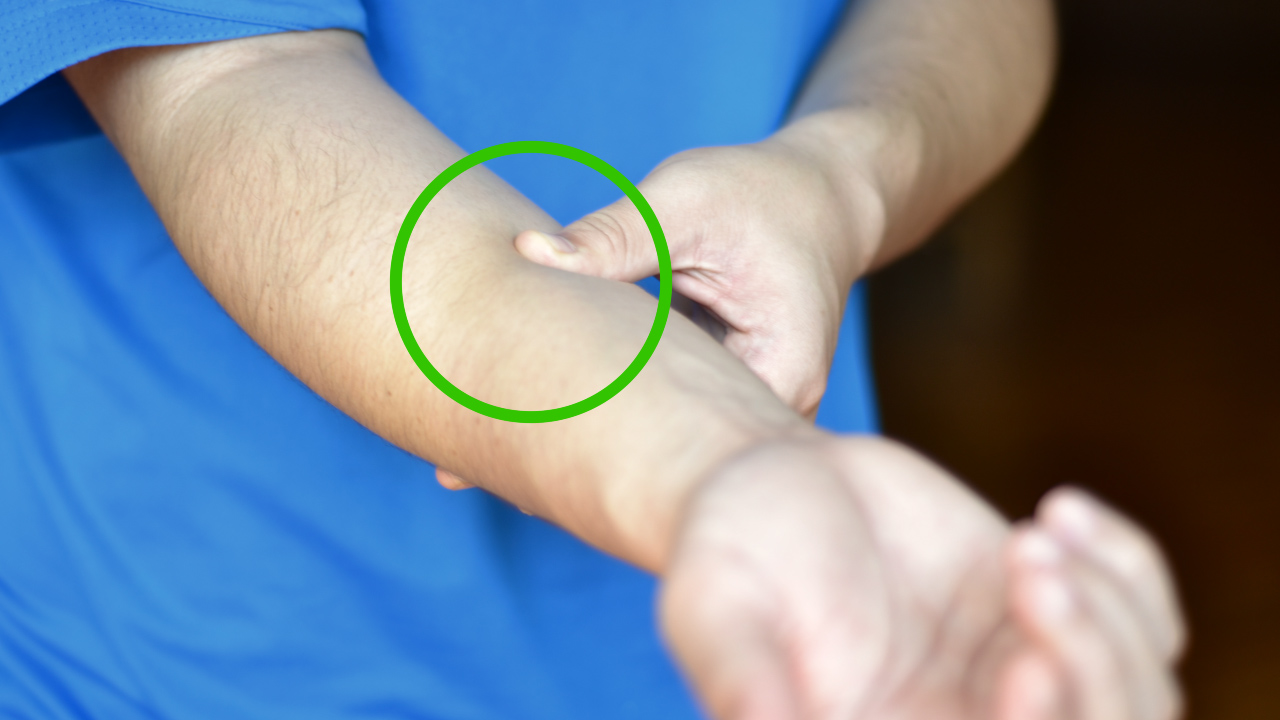
Your hands have probably typed, tapped, lifted, scrolled, stirred, squeezed, carried, and opened at least one stubborn jar today. Yet when the rest of the body gets a stretch break, the hands are often left gripping a phone and wondering when their union representative will arrive.
A simple self-hand massage can provide a relaxing pause after computer work, gardening, cooking, crafting, gaming, driving, or any activity that involves repetitive gripping. Gentle massage may temporarily ease muscle tension, warm stiff tissues, encourage comfortable movement, and help you relax. Research on massage is not equally strong for every condition, however, so think of it as a supportive self-care practice rather than a cure for arthritis, carpal tunnel syndrome, nerve damage, or an injury.
The following three hand-massage techniques require only a few minutes, a comfortable seat, and your opposite hand. Lotion is optional. Dramatic spa music is also optional, although nobody is stopping you from turning the living room into a five-star retreat.
What a Hand Massage May Do
Massage generally involves pressing, stroking, rubbing, or kneading soft tissue. When performed gently, it may help relax tight muscles, reduce short-term soreness, ease stress, and make movement feel more comfortable. Light stroking and kneading can also warm the tissues surrounding a stiff joint.
The Arthritis Foundation has reported on a small study involving adults with hand or wrist arthritis who received professional massage and practiced daily self-massage. Participants experienced improvements in pain, anxiety, and grip strength. Because the study was small, its findings should not be treated as a guarantee, but they suggest that consistent, moderate hand massage may be useful for some people.
Hand massage is most appropriate for everyday tension
This routine may be especially pleasant when your hands feel tired after typing, holding tools, playing an instrument, using a game controller, carrying shopping bags, or completing detailed craftwork. It can also serve as a brief relaxation ritual before bed or between work sessions.
Massage should not be used to push through serious or unexplained symptoms. Persistent numbness, tingling, weakness, severe swelling, a locking finger, loss of grip, or pain that repeatedly wakes you at night deserves medical attention. Arthritis, trigger finger, tendon problems, carpal tunnel syndrome, and peripheral neuropathy can produce overlapping symptoms but may require very different treatment.
Before You Begin: Prepare Your Hands
Sit somewhere comfortable and support your forearms on a table, pillow, or folded towel. Remove rings, bracelets, and a watch so they do not pinch the skin or interfere with movement.
- Check the skin. Do not massage over open cuts, burns, blisters, an active rash, an infection, or a newly injured area.
- Wash and dry your hands. Clean hands reduce the chance of irritating damaged skin or transferring germs.
- Warm them gently. Rub your palms together for 15 to 20 seconds. A warm towel may also feel soothing when the hands are stiff, but avoid heat on an area that is already hot, red, or noticeably swollen.
- Add a small amount of lotion. A pea-sized amount can reduce friction. Choose an unscented product if your skin is sensitive.
- Use comfortable pressure. The massage should feel relaxing or pleasantly tender, never sharp, burning, electric, or increasingly painful.
Heat may help relax tight muscles and temporarily ease stiffness, while overly forceful massage can irritate sensitive tissues. The safest default is slow movement with light or moderate pressure.
Way 1: The Quick Palm Sweep and Knead
This first method is a practical three-minute desk-break massage. It works across the palm, the fleshy muscles around the thumb, and the back of the hand. Use it when your hands feel generally tired rather than when one precise spot is causing pain.
Step 1: Start with broad palm strokes
Turn your left palm upward. Place your right thumb near the center of the left wrist crease. Slowly glide the thumb toward the base of the fingers. Return to the wrist and repeat the stroke along a slightly different path.
Make five or six slow passes, covering the center, thumb side, and little-finger side of the palm. Keep the left hand loose. There is no prize for holding it as rigid as a courtroom witness.
Step 2: Knead the heel of the hand
Use your right thumb to make small circles over the padded heel of the left palm. Move gradually from one side to the other instead of digging into a single point. If your thumb tires, bend the right index finger and use the broad middle knuckle to make soft circles.
Step 3: Massage the thumb muscles
The fleshy mound below the thumb often works overtime during gripping and pinching. Support the back of the hand with your fingers and use the opposite thumb to massage this padded area with slow circles. Cleveland Clinic guidance for thumb discomfort similarly recommends softly massaging the fleshy region below the thumb rather than attacking it with deep pressure.
Step 4: Sweep across the back of the hand
Turn the hand palm-down. Using two or three fingertips, make gentle strokes from the knuckles toward the wrist. Work in the spaces between the hand bones without pressing directly and aggressively on the bones themselves.
Step 5: Finish with a loose shake
Let the hand hang comfortably and shake it for several seconds. Open and close the fingers slowly three times. Repeat the entire routine on the other hand.
Broad stroking and kneading are common massage techniques used to relax soft tissue and reduce the feeling of tension. Gentle movement afterward can help the hand transition back into normal activity.
Way 2: The Thumb-Web and Finger Release
This technique concentrates on the thumb, the web of tissue between the thumb and index finger, and each individual finger. It is particularly satisfying after texting, writing, sewing, gripping tools, or pinching a trackpad all day.
Step 1: Circle the base of the thumb
Rest your left hand palm-up. Place your right thumb on the muscular pad at the base of the left thumb. Use small, slow circles for 20 to 30 seconds, moving around the padded area rather than remaining on one sensitive spot.
Step 2: Gently compress the thumb web
Place your right thumb on the palm side of the web between the left thumb and index finger. Put your right index finger on the back of that web. Gently squeeze the tissue between them, hold for two or three comfortable breaths, and release.
Repeat two or three times. This should feel like a soft compression, not an attempt to discover whether your hand contains buried treasure.
Step 3: Roll each finger
Beginning with the index finger, hold the finger between the thumb and index finger of your opposite hand. Starting near the knuckle, make tiny rolling or circular movements as you travel toward the fingertip.
Repeat on the middle, ring, and little fingers. Spend extra time beside the joints if the surrounding soft tissue feels tight, but avoid pressing directly into a joint that is swollen, hot, acutely painful, or visibly inflamed.
Step 4: Add a gentle finger glide
Hold one finger near its base and slide your grip toward the fingertip using light pressure. At the end, release the finger smoothly rather than yanking or popping it. Repeat once or twice on each finger.
Step 5: Mobilize the thumb comfortably
After massaging, slowly move the thumb away from the palm and then back toward it. Touch the thumb to each fingertip one at a time. Do not force the thumb farther than it naturally wants to travel.
Gentle thumb and finger movements are commonly used to maintain mobility, but exercises and massage should be performed slowly and stopped if they cause pain or numbness.
Way 3: The Point-by-Point Hand and Wrist Reset
The third massage method moves slowly through several small areas before finishing at the wrist and forearm. It is useful when you want a more deliberate five- to eight-minute routine at the end of the day.
Step 1: Scan before pressing
Rest your hand palm-up and use the pad of your opposite thumb to explore the palm lightly. Notice areas that feel tired, firm, or mildly tender. Do not immediately press harder when you find one. Begin with gentle circles and give the tissue time to relax.
Step 2: Use comfortable stationary pressure
Choose one mildly tight area in the fleshy part of the palm. Apply steady, comfortable pressure for approximately 10 seconds while breathing slowly. Release gradually. Move to another area and repeat.
Pressure-based self-care should remain comfortable and should not create sharp pain. VA Whole Health guidance similarly advises using an amount of pressure that feels comfortable rather than painful.
Step 3: Draw slow circles through the palm
Make overlapping circles from the center of the palm outward toward the base of the fingers. Then travel back toward the wrist. Keep the supporting hand relaxed so the working thumb is moving soft tissue rather than wrestling a clenched fist.
Step 4: Massage around the wrist
Use your thumb and fingertips to make gentle circles around the muscular and soft areas near the wrist crease. Avoid forceful pressure directly over prominent wrist bones or any spot that produces an electric, shooting, or tingling sensation.
Step 5: Continue slightly into the forearm
Many muscles that move the fingers and wrist extend into the forearm. Use your palm or fingertips to make several slow strokes from just above the wrist toward the middle of the forearm. Work only on comfortable soft tissue, not directly on a painful tendon or recent injury.
Step 6: End with slow movement
Rotate the wrist in a small, comfortable circle three times in each direction. Spread the fingers, relax them, and make a soft fist. Finish by taking one slow breath with both hands resting open.
Gentle hands-on techniques and slow movement may temporarily decrease tension and improve comfort, but stronger pressure is not automatically more effective. Stop if the skin becomes irritated or the massage increases pain.
How Much Pressure Should You Use?
A useful hand massage feels soothing, warm, or mildly tender. You should still be able to breathe normally and keep the hand relaxed. If you are holding your breath, tightening your shoulders, or making a face usually reserved for stepping on a building block, reduce the pressure.
Stop immediately if you experience:
- Sharp, stabbing, burning, or electric pain
- New or worsening numbness and tingling
- Sudden weakness or loss of grip
- Increasing redness, swelling, or heat
- Skin irritation, bruising, or bleeding
- Pain that continues to worsen after the massage
Massage generally has a low risk of harm when used appropriately, but vigorous techniques have occasionally been associated with nerve injury, bruising, fractures, and other complications, particularly in people with increased medical risks. Gentle pressure is the sensible choice for self-massage.
When You Should Skip a Hand Massage
Ask a health care professional before massaging your hand if you have recently had hand or wrist surgery, a fracture, a severe sprain, an injection, or another procedure. You should also seek guidance if you have fragile bones, a bleeding disorder, take medication that causes easy bruising, or have a condition that affects sensation.
Avoid self-massage over:
- An open wound, burn, blister, or infected skin
- A newly injured or possibly fractured area
- A hot, red, and rapidly swelling joint
- A suspected blood clot or unexplained severe swelling
- A surgical incision that has not been cleared for massage
- A painful lump that has not been evaluated
People with diabetes, chemotherapy-related neuropathy, or other causes of reduced sensation may not accurately feel excessive pressure or heat. UCSF Health notes that massage may temporarily ease some neuropathy discomfort, but nerve symptoms still require appropriate medical evaluation and careful skin protection.
How Often Can You Massage Your Hands?
For ordinary work-related tension, a short hand massage can be performed once or twice during the day or whenever your hands need a break. Begin with two to five minutes per hand. A longer massage is not necessarily better, especially when the tissues are already irritated.
Consistency matters more than intensity. A gentle three-minute routine after a long typing session will usually be more practical than a heroic 30-minute session performed once every six months.
Pair massage with better hand habits
Massage cannot fully compensate for hours of uninterrupted gripping or awkward wrist positioning. For longer-lasting comfort, combine it with regular breaks, neutral wrist posture, comfortable tools, and gentle range-of-motion exercises. Changing activities before discomfort becomes intense may also reduce repetitive strain.
Movement can help maintain joint mobility, but exercises should be slow and deliberate. Stop and seek professional advice when movement causes persistent pain or numbness.
A Realistic Hand-Massage Experience: What You May Notice Over One Week
The following experience is an illustrative example rather than a promise of medical results. It shows how a simple self-hand massage might fit into a normal week for someone whose hands become tired from typing and phone use.
Day 1: Discovering that “gentle” really means gentle
On the first evening, the person begins with the palm-sweep technique after several hours at a computer. The natural instinct is to press hard into every tender spot, as though the palm has personally caused the day’s workload. That approach quickly feels uncomfortable. After reducing the pressure and slowing the strokes, the hand begins to feel warmer and less clenched.
The biggest surprise is how much tension sits in the fleshy area below the thumb. Even without obvious pain, that small region has spent the day operating a mouse, gripping a phone, and opening containers. Thirty seconds of soft circular massage feels more useful than repeatedly squeezing the hand.
Days 2 and 3: Turning massage into a work-break signal
On the second day, the massage is moved from bedtime to the middle of the afternoon. Instead of waiting until the hands feel thoroughly exhausted, the person pauses after completing a long work task. The routine takes about four minutes: broad palm strokes, circles below the thumb, a gentle finger roll, and several slow wrist movements.
The massage does not produce superhero grip strength or transform the keyboard into an ergonomic cloud. What it does provide is a clear interruption. The shoulders drop, the fingers uncurl, and the person notices that the phone has been held far more tightly than necessary.
By the third day, less lotion is used. The first attempt involved enough lotion to make opening a door an Olympic event. A tiny amount turns out to be sufficient for smooth movement without leaving the hands slippery.
Days 4 and 5: Learning which areas need attention
After several sessions, the person becomes better at distinguishing general muscle fatigue from a symptom that should not be aggressively massaged. Mild tightness across the palm responds well to broad strokes. A sensitive finger joint, however, feels worse when pressed directly, so the massage stays in the surrounding soft tissue.
The thumb-web technique becomes the favorite after a day of frequent texting. Gentle compression followed by slow thumb movement feels calming, but forceful pinching does not. This reinforces an important lesson: effective self-massage is not a toughness contest.
The person also starts massaging both hands, even though the dominant hand usually feels more tired. The nondominant hand has been supporting objects, holding the phone, and performing plenty of background work. Apparently, it would also like recognition.
Days 6 and 7: Building a sustainable routine
By the weekend, the hand massage has settled into a five-minute evening habit. The person no longer follows every step with ceremonial precision. Some days call for palm kneading; other days, finger rolling and wrist strokes feel better.
The most noticeable benefit is not the elimination of every ache. It is increased awareness. The person recognizes when the wrists are bent awkwardly, when a tool is being gripped too hard, and when a break is overdue. Massage becomes a brief body check rather than an emergency response after discomfort has already peaked.
At the end of the week, the routine feels worthwhile because it is simple, inexpensive, and easy to repeat. The experience also creates realistic expectations: hand massage may temporarily improve comfort and relaxation, but persistent pain, weakness, tingling, locking, or swelling still needs professional evaluation.
Conclusion
Giving yourself a hand massage does not require special equipment or complicated anatomy lessons. Start with broad palm strokes, work gently around the thumb and fingers, or use a slow point-by-point routine that finishes at the wrist and forearm. Whichever method you choose, comfortable pressure and controlled movement matter far more than force.
A few minutes of massage can become a useful reset after typing, cooking, crafting, gardening, driving, or gripping a phone. It may help your hands feel warmer, calmer, and less tense while giving your mind a brief break from the day’s noise.
Just remember the boundary between everyday self-care and medical treatment. Massage should feel pleasant and should never be used to overpower severe pain, numbness, weakness, inflammation, or a recent injury. Your hands do a remarkable amount of work. Treating them kindly is not indulgent; it is overdue maintenance.













