
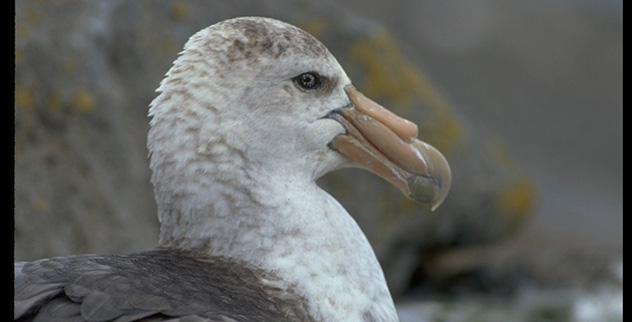
Birds get excellent public relations. Doves symbolize peace. Cardinals look like tiny holiday ornaments. Ducks waddle around like they have somewhere important to be but forgot the address. Then nature leans over and whispers, “Would you like to meet the bird that drinks blood?” Suddenly the whole feathered kingdom feels less like a Disney sing-along and more like a wildlife documentary with suspense music.
The truth is that many “creepy birds” are not evil, cursed, or plotting against your picnic blanket. They are brilliantly adapted predators, scavengers, survival specialists, and ecological cleanup crews. Their behavior can look shocking to humans because birds are often marketed as cute background decoration. In reality, some birds hunt with terrifying patience, store prey like pantry snacks, swallow bones, mob other animals for food, or stare into your soul with the emotional warmth of a parking ticket.
This article explores 10 shockingly creepy and bloodthirsty birds based on real natural history. Some are true predators. Some are scavengers with horror-movie aesthetics. Some are surprisingly strategic. All of them prove one thing: feathers do not automatically mean friendly.
Why Some Birds Seem So Creepy
Before we begin our feathered fright parade, let’s be fair. “Bloodthirsty” is a human word, not a bird personality diagnosis. Birds do not hunt because they enjoy drama. They hunt, scavenge, defend nests, and compete because survival is expensive and nobody in nature accepts coupons.
Many creepy bird behaviors make perfect evolutionary sense. A shrike impales prey because it lacks the strong feet of a hawk and needs a way to hold food steady. A bearded vulture drops bones because marrow is rich in energy. A shoebill stands frozen for ages because patience works better than splashing around like a confused tourist. These birds may look spooky, but they are also ecological professionals.
1. Vampire Ground Finch: The Tiny Bird With a Dracula Resume
The vampire ground finch sounds like a joke invented by a biology teacher who had too much coffee, but it is real. Found on remote Galápagos islands, this small, dark finch is famous for occasionally drinking blood from larger seabirds such as boobies. Yes, the bird is small. Yes, it looks harmless. Yes, it still earned one of the most metal bird names on Earth.
Scientists believe this behavior may have evolved from parasite-picking. At first, the finch may have helped larger birds by removing pests. Over time, in harsh dry seasons when food and fresh water were scarce, the behavior turned into a survival strategy. The finch pecks at the skin of larger birds and feeds on the blood as a moisture- and nutrient-rich resource.
Why It Is Creepy
The vampire ground finch is disturbing because it breaks our mental rulebook. Finches are supposed to nibble seeds, hop on branches, and look adorable on field guide covers. They are not supposed to have a feeding habit that sounds like a deleted scene from a gothic novel. Still, this bird is not a monster. It is an extreme example of adaptation under island pressure.
2. Loggerhead Shrike: The Butcherbird With a Pantry Problem
The loggerhead shrike looks like a tidy little songbird wearing a black bandit mask. Then you learn its nickname: the butcherbird. Suddenly the mask feels less like a fashion choice and more like foreshadowing.
Unlike hawks, shrikes do not have powerful talons for holding prey. So the loggerhead shrike uses thorns, sharp twigs, or barbed wire to secure insects, small reptiles, amphibians, and small mammals. This helps the bird tear food into manageable bites and store meals for later. In some cases, shrikes even wait before eating toxic prey, allowing chemical defenses to fade.
Why It Is Creepy
There is something unsettling about a bird that turns a fence line into a snack shelf. But this behavior is practical, not cruel. The shrike has simply turned the landscape into a tool. If birds had résumé bullet points, the loggerhead shrike would list “inventory management” and “creative food storage.”
3. Bearded Vulture: The Bone-Dropping Mountain Phantom
The bearded vulture, also called the lammergeier, is less interested in fresh meat than in bones. That alone is enough to make it one of the creepiest birds in the world. While many scavengers finish the softer parts of a carcass, the bearded vulture specializes in what is left behind: bones and marrow.
When bones are too large to swallow, the bird carries them high into the air and drops them onto rocks to break them. Then it descends to eat the pieces. It is basically a mountain vulture with an aerial bone-cracking system. If that does not sound like nature designed a heavy-metal album cover, what does?
Why It Is Creepy
The bearded vulture has a ghostly, intense appearance, with narrow wings, a dark facial “beard,” and rusty-colored plumage often stained by iron-rich soils. Its diet makes it seem supernatural, but ecologically it is valuable. By consuming bones and remains, it helps recycle nutrients in rugged mountain environments.
4. Shoebill: The Swamp Statue That Blinks Judgmentally
The shoebill is one of those birds that makes people say, “That cannot be real,” followed by, “Why is it looking at me like I owe it money?” Native to African wetlands, the shoebill is a huge, gray, prehistoric-looking bird with an enormous shoe-shaped bill. It can stand nearly motionless for long periods while waiting for prey.
Its diet includes fish such as lungfish, along with frogs, reptiles, and sometimes young crocodiles. The shoebill hunts by ambush, waiting in shallow water and striking when the moment is right. It is not fast in the nervous, flapping way of many birds. It is slow, deliberate, and unnervingly patient.
Why It Is Creepy
The shoebill’s creep factor comes from its stillness. Many predators chase. The shoebill waits. It looks like a statue, a dinosaur, and a disappointed school principal all at once. For SEO purposes, let’s call that “prehistoric wetland charisma.” For emotional purposes, let’s avoid being a lungfish.
5. Cassowary: The Rainforest Dinosaur With Boundaries
The cassowary is often described as one of the world’s most dangerous birds, especially when threatened or cornered. Native to New Guinea, nearby islands, and northern Australia, cassowaries are large flightless birds with powerful legs, glossy black feathers, bright neck colors, and a helmet-like casque on the head.
Despite their fearsome reputation, cassowaries are not wandering around looking for trouble. They are generally shy forest birds that play a major role in spreading seeds. Their danger comes from defensive behavior, especially if people approach, feed, corner, or harass them. In other words, the cassowary’s life philosophy is: respect the rainforest rules or meet the consequences.
Why It Is Creepy
The cassowary looks like a living dinosaur that has seen humanity’s report card and is unimpressed. Its size, speed, and intense gaze make it intimidating. But the real lesson is not “fear every cassowary.” It is “do not treat wild animals like theme park mascots.”
6. Secretary Bird: The Snake-Stomping Raptor on Stilts
The secretary bird looks like someone combined an eagle, a crane, and an elegant office administrator from 1880. It has long legs, a hooked beak, and dark head feathers that look like quill pens tucked behind the ears. Charming? Yes. Harmless? Not to snakes.
This African raptor hunts mostly on the ground. It eats insects, small mammals, lizards, birds, eggs, and snakes. It is especially famous for using its long legs to deliver powerful stomps to subdue prey. That is not just dramatic; it is a specialized hunting method. The bird’s long legs also help keep its body farther from danger when dealing with snakes.
Why It Is Creepy
The secretary bird has the strange elegance of a runway model who moonlights as a reptile-control specialist. One minute it looks graceful. The next, it is demonstrating why the savanna has no shortage of dramatic plot twists.
7. Harpy Eagle: The Rainforest Powerhouse
The harpy eagle is among the most powerful eagles in the world. Found in tropical forests of Central and South America, it has a massive body, broad wings, a dramatic feathered crest, and a stare that could probably cancel your weekend plans.
Harpy eagles hunt tree-dwelling animals, including sloths, monkeys, opossums, and large birds. Their broad wings help them maneuver through dense forest, where open-air speed matters less than control, strength, and surprise. Rather than soaring over empty plains, the harpy eagle is built for forest ambush.
Why It Is Creepy
The harpy eagle is unsettling because it is both beautiful and formidable. It does not need horror-movie tricks. It simply exists as a reminder that the rainforest canopy has its own top-tier hunters. If the shoebill is a swamp statue, the harpy eagle is the shadow in the treetops.
8. Great Horned Owl: The Silent Night Hunter
The great horned owl is common across much of the Americas, which makes its creepy factor even better. You do not need to travel to a remote island or distant swamp to encounter one. This powerful owl may be watching from a nearby tree at night, looking calm, fluffy, and deeply aware of everyone’s secrets.
Great horned owls are adaptable predators. They hunt mammals, birds, reptiles, amphibians, and invertebrates. They are also known to prey on other raptors and crows, which helps explain why smaller birds often mob owls when they find them during the day. In bird society, the great horned owl is not just a neighbor. It is a problem with wings.
Why It Is Creepy
Owls already feel mysterious because of their silent flight, night activity, and large forward-facing eyes. The great horned owl adds raw predatory confidence. It is not the biggest bird on this list, but in the dark, it is one of the most impressive hunters.
9. Skua: The Pirate of the Seabird World
The skua, including species such as the Arctic skua and great skua, has a well-earned reputation as an aggressive seabird. Skuas often steal food from other birds, chasing them until they drop fish or other meals. This behavior is called kleptoparasitism, which is a fancy scientific way of saying “give me your lunch.”
Skuas also defend nesting areas with intense dive-bombing behavior. Anyone who has walked too close to a skua nest may remember the experience as “bird-related regret.” These birds are strong flyers, opportunistic feeders, and bold defenders of their territory.
Why It Is Creepy
The skua is creepy because it behaves like the ocean’s feathered pirate. It is fast, loud, persistent, and absolutely not shy about making another bird surrender its meal. If seabirds had school cafeterias, the skua would already be banned from three of them.
10. Marabou Stork: The Undertaker Bird
The marabou stork is sometimes nicknamed the undertaker bird, and honestly, marketing departments have done worse. Large, bald-headed, and solemn-looking, the marabou stork is a scavenger and opportunistic carnivore found in Africa. It feeds on carrion, fish, insects, small animals, and food scraps where available.
Its bald head may look eerie, but it is useful for a scavenging lifestyle because bare skin is easier to keep clean than feathers when feeding in messy environments. Like vultures, marabou storks help remove decaying organic material from ecosystems. Not glamorous, perhaps, but necessary. Nature’s cleanup crew rarely gets invited to the pretty-bird calendar.
Why It Is Creepy
The marabou stork has the posture of a gloomy old judge and the diet of an opportunist. It is not usually hunting in dramatic fashion, but its appearance and scavenging habits make it one of the most haunting birds on the planet.
What These Creepy Birds Teach Us About Nature
It is easy to laugh nervously at a bird that drinks blood or stores prey on thorns, but these behaviors reveal something important about evolution. Animals survive by solving problems. Sometimes the solution is speed. Sometimes it is camouflage. Sometimes it is a bill shaped like a shoe or the ability to digest what other animals leave behind.
Many of these birds also play important ecological roles. Vultures and marabou storks clean up carrion. Owls control rodent populations. Shrikes help manage insects and small vertebrates. Cassowaries disperse seeds through rainforests. Predators, scavengers, and oddball specialists keep ecosystems balanced, even when their methods make us raise both eyebrows.
Are These Birds Dangerous to Humans?
Most birds on this list are not a threat to people when observed responsibly. The biggest risks usually come from human mistakes: feeding wildlife, approaching nests, cornering animals, ignoring warning signs, or trying to get “just one more photo.” Wild birds deserve distance, respect, and the right to exist without becoming props for social media.
Cassowaries can be dangerous if threatened. Large raptors can defend nests. Skuas may dive-bomb intruders near nesting sites. But in normal circumstances, these birds are focused on food, territory, breeding, and survivalnot dramatic encounters with humans. The best strategy is simple: admire from a safe distance and let the birds keep their weird little careers.
How to Appreciate Creepy Birds Without Disturbing Them
If you enjoy strange birds, birdwatching can become wonderfully addictive. You start by identifying one owl call. Three months later, you own binoculars, compare field guides, and say things like “excellent wing pattern” at family gatherings. Congratulations, you have become the bird person. It happens.
To watch birds ethically, keep your distance, avoid playback calls during sensitive seasons, never feed wild predators or scavengers, and stay on marked trails in protected habitats. For rare or vulnerable species, follow local conservation rules. The goal is to witness natural behavior without changing it. Creepy birds are best when they are being naturally creepy, not reacting to human disturbance.
Personal Field-Style Experiences With Creepy Birds
Anyone who has spent enough time outdoors eventually learns that birds are not background music; they are characters. Some are charming neighbors. Others seem like they were written by a novelist who enjoys suspense. My most memorable “creepy bird” experiences have not involved danger, but they have involved that sudden feeling that the natural world is much sharper, stranger, and more alert than we usually notice.
The first time I heard a great horned owl at night, the sound did not feel cute or peaceful. It felt ancient. The call moved through the dark in a way that made every ordinary backyard object seem suspicious. A trash can became a mysterious shape. A fence post became a possible creature. The owl itself remained hidden, which somehow made it more impressive. That is the magic of nocturnal birds: they remind you that darkness is not empty. It is occupied.
Watching shrikes in open country gives a different kind of chill. From a distance, a loggerhead shrike can look like a neat little gray songbird perched on a wire. But once you understand its hunting style, the landscape changes. Thorny shrubs and barbed wire no longer look like ordinary background details. They become part of the bird’s toolkit. The shrike shows that nature does not need huge size to be intense. Sometimes a small bird with a clever method is far more surprising than a giant predator.
Then there are scavenging birds, which people often misunderstand. Vultures circling overhead can look ominous in movies, but in real life they are performing one of the most important cleanup jobs in nature. Seeing large scavengers gather around a carcass from a respectful distance can feel eerie, yes, but also practical and efficient. Nothing is wasted. The ecosystem has departments, and scavengers work in sanitation. They may not be glamorous, but they deserve a better publicist.
Seabirds can also provide a master class in attitude. Skuas and gulls are especially good at proving that birds understand opportunity. Watch a bold seabird chase another bird for food and you will understand why “avian pirate” is not just a cute phrase. These birds are persistent, clever, and shameless. Somewhere in the ocean wind, a skua is probably thinking, “Your fish? Interesting theory.”
The deeper lesson from these experiences is that creepy birds are only creepy because we are seeing a piece of nature without the soft filter. Predation, scavenging, competition, and survival are not bugs in the system; they are the system. Birds can be beautiful and unsettling at the same time. The same owl that looks magical in moonlight is also a skilled hunter. The same cassowary that spreads rainforest seeds can defend itself with serious force. The same tiny finch that seems adorable can evolve a blood-feeding strategy when the environment demands creativity.
That combination is what makes birds so fascinating. They are not just symbols, decorations, or soundtrack providers for sunny mornings. They are engineers, hunters, thieves, caretakers, cleaners, parents, rivals, and survivors. Some sing. Some stalk. Some wait like statues. Some drop bones from the sky. And some, against every expectation, drink blood.
So the next time a bird lands nearby, give it a little respect. It might be harmless. It might be adorable. Or it might belong to a long evolutionary line of feathered problem-solvers with strategies far older and stranger than anything humans could invent. Nature, as usual, has excellent writing.
Conclusion
The world’s creepiest birds are not villains; they are specialists. The vampire ground finch survives harsh island conditions with a shocking diet. The loggerhead shrike uses thorns like tools. The bearded vulture turns bones into meals. The shoebill waits in swampy silence like a prehistoric statue. The cassowary reminds us not to annoy large wild animals. The secretary bird handles snakes with athletic precision. The harpy eagle rules the rainforest canopy, the great horned owl owns the night, the skua pirates the sea, and the marabou stork cleans up what others leave behind.
Together, these birds prove that nature is not always soft, sweet, or postcard-ready. Sometimes it is strange, efficient, dramatic, and a little unsettling. But that is exactly what makes it worth studying. The more we understand these shockingly creepy and bloodthirsty birds, the less they seem like monstersand the more they seem like masterpieces of survival.













