
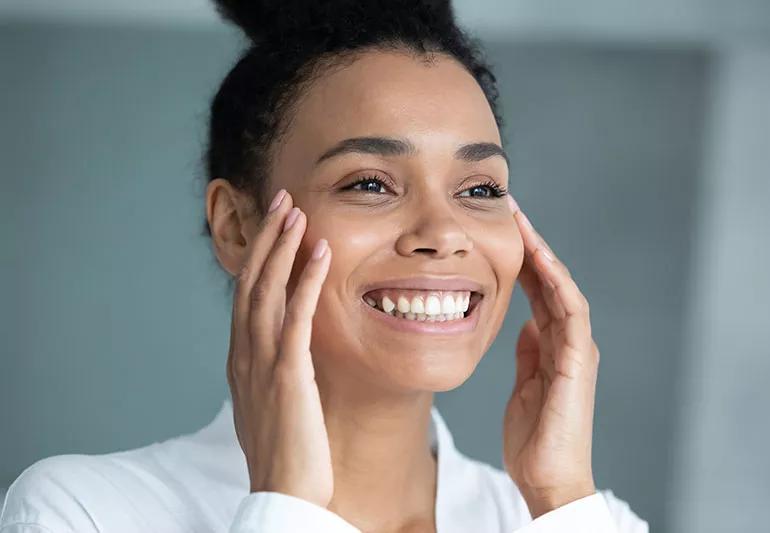
If you have ever looked in the mirror after a weekend of soda, fries, cocktails, and “just one more” dessert and thought, Wow, my skin seems personally offended, you are not imagining things. Your skin is not a passive wrapping paper for your organs. It is a living organ, and what you eat can influence how it looks and feels.
That said, let’s clear up one myth right away: no single food magically causes acne, dryness, redness, or dullness in everyone. Skin health is shaped by genetics, hormones, stress, sleep, sun exposure, skin care habits, medical conditions, and diet. Still, research suggests that certain eating patterns are more likely to make breakouts, inflammation, puffiness, or flare-ups worse in some people.
So if your goal is healthy skin, not perfection worthy of a ring light and six filters, it helps to know which foods may be worth cutting back on. The key word here is limit, not “ban forever and cry over a lettuce leaf.” A realistic, sustainable approach works better than a dramatic pantry purge.
Why Food Can Show Up on Your Face
Healthy skin depends on a lot of behind-the-scenes body processes: stable blood sugar, balanced hormones, hydration, circulation, inflammation control, and a solid supply of nutrients. When your diet regularly sends your blood sugar soaring, loads your body with added sugar and ultra-processed ingredients, or leaves you dehydrated, your skin may respond with oiliness, breakouts, redness, or a tired-looking complexion.
For acne-prone people, foods that raise blood sugar quickly may increase insulin and related hormonal signals that can encourage excess oil production and clogged pores. For people with rosacea, certain foods and drinks can act like a fire alarm for flushing and visible redness. And for just about everyone, diets heavy in highly processed foods can crowd out the whole foods that support better skin function.
In other words, your skin is not being dramatic. It is simply sending feedback.
1. Sugary Drinks and Sweets
Why they can be a problem
Added sugar is one of the biggest troublemakers in a modern diet. Sugary sodas, sweet tea, energy drinks, candy, pastries, frosted cereals, and oversized coffee drinks can spike blood sugar fast. That quick rise may contribute to insulin swings and inflammatory processes that can make acne more likely in some people. Over time, a diet high in added sugar can also work against overall skin quality by promoting a more inflammatory environment in the body.
These foods are especially sneaky because they are easy to overconsume. Drinking calories is the classic example: a sweet beverage goes down fast, does little for fullness, and can deliver a lot of added sugar before lunch even starts thinking about arriving.
What to limit
- Soda and sweetened sparkling drinks
- Sweet tea, lemonade, and juice cocktails
- Energy drinks
- Candy, gummies, and chocolate-heavy desserts
- Bakery treats with lots of frosting or glaze
Better choices for healthier skin
Try sparkling water with citrus, unsweetened tea, fruit with yogurt, or dark chocolate in modest portions. If you love dessert, enjoy it deliberately instead of making every snack break a sugar festival. Your skin, your energy, and probably your dentist will all approve.
2. Refined Carbohydrates and High-Glycemic Starches
What makes them different from other carbs
Not all carbohydrates are villains in a skin-care cape drama. Whole grains, beans, fruit, and vegetables come packaged with fiber and nutrients. Refined carbohydrates are different. These are foods that have been stripped down and made easy to digest quickly, which means they can raise blood sugar fast.
That category includes white bread, white rice in oversized portions, bagels, crackers, sugary cereal, many snack chips, and pastries. These foods are often called high-glycemic because they tend to produce a quicker jump in blood sugar than less processed options.
For acne-prone skin, high-glycemic eating patterns have one of the strongest and most consistent research links. That does not mean a sandwich bun will immediately call in a breakout squad. It means that eating this way all the time may create conditions that are less friendly to clear skin.
Foods in this group to watch
- White bread and white toast at every meal
- Bagels, donuts, muffins, and pastries
- Sugary breakfast cereals
- Crackers, pretzels, and heavily processed snack foods
- Large portions of fries or similar refined starchy sides
Smarter swaps
Choose oats, quinoa, brown rice, beans, sweet potatoes, or whole grain bread with more fiber. Pair carbs with protein and healthy fat to slow things down. For example, a bowl of oatmeal with nuts and berries beats a giant frosted pastry if your goal is steadier energy and calmer skin.
3. Dairy-Heavy Foods, Especially Skim Milk and Ice Cream
Why dairy can be tricky
This is the section where the internet usually starts yelling, so let’s keep it balanced. Dairy is not automatically bad for everyone’s skin, and many people tolerate it just fine. But research suggests that in some acne-prone people, certain dairy foods, especially skim milk, may be associated with worse breakouts. Ice cream sometimes shows up in studies too, which may be partly because it combines dairy with sugar in one cheerful little package.
Scientists are still sorting out exactly why this happens. It may involve hormones naturally present in milk, insulin-related signaling, or the way dairy interacts with other parts of a Western-style diet. The important point is that this seems to be an individual trigger, not a universal law of nature.
What to do without overreacting
If you are dealing with persistent acne, consider whether dairy-heavy habits line up with your flare-ups. That does not mean you need to break up with cheese forever and write a sad goodbye letter to pizza. It means testing patterns logically.
- Notice whether skim milk is a daily staple
- Pay attention to frequent ice cream, milkshakes, and sweet dairy desserts
- Try reducing one dairy item for a few weeks instead of eliminating everything at once
Better approach
If dairy seems to bother your skin, experiment with unsweetened fortified alternatives or smaller portions. But keep nutrition in mind. If you remove dairy, replace the protein and calcium thoughtfully instead of living on iced coffee and optimism.
4. Ultra-Processed and Deep-Fried Foods
Why these foods get side-eye from skin experts
Ultra-processed foods are not just “foods in packages.” They are foods built around refined starches, added sugars, unhealthy fats, sodium, flavor enhancers, and a lot of ingredients your great-grandmother would probably describe as “suspicious.” Think fast food combos, packaged snack cakes, chicken nuggets, instant noodles, processed meats, chips, and many frozen convenience meals.
Deep-fried foods deserve their own mention because they often bring extra saturated fat, excess calories, and the kind of greasy aftermath that never seems to stay politely in the fryer basket. Research on fried foods and acne is not as strong as the evidence for high-glycemic foods, but these foods often travel with the same dietary pattern: more sugar, more refined carbs, more sodium, fewer fiber-rich whole foods, and more inflammation overall.
Translation: the issue is usually not one order of fries. It is the full pattern of eating like your body is a gas station convenience aisle.
Common examples
- Fast food burgers, fries, and fried chicken
- Packaged chips and cheesy snack crackers
- Processed meats like hot dogs and some deli meats
- Instant noodles and heavily processed frozen meals
- Snack cakes, toaster pastries, and similar ultra-processed treats
Healthier skin strategy
Aim for more meals built from recognizable ingredients: grilled or baked protein, vegetables, beans, fruit, nuts, yogurt, oats, and whole grains. Your skin tends to like routines that are boring in the best way: steady, balanced, and not nutritionally chaotic.
5. Alcohol and Common Flare-Up Foods
Why alcohol matters for skin
Alcohol can be a double hit for skin. First, it can leave you dehydrated, which is not exactly a love letter to a healthy-looking complexion. Second, for people with rosacea or facial flushing, alcohol is a well-known trigger. Redness, heat, and flare-ups may become more noticeable after wine, liquor, or other alcoholic drinks.
And because life loves a bundle deal, alcohol often shows up with other skin-unfriendly choices: late-night salty food, poor sleep, skipped skin care, and waking up wondering why your face looks like it also attended the party.
Other foods that may trigger redness in some people
If you have rosacea or frequent flushing, alcohol may not be the only issue. Some people also notice flare-ups after spicy foods or very hot drinks. These are not universal skin villains, but they are common triggers worth paying attention to.
How to handle it
- Alternate alcohol with water
- Keep portions moderate
- Track whether certain drinks trigger redness more than others
- If you have rosacea, watch for patterns with alcohol, spicy foods, and hot beverages
Your goal is not to become the most disciplined person at brunch. Your goal is to figure out what your skin is clearly asking you to tone down.
What to Eat More of Instead
Limiting problem foods is only half the story. Healthy skin also needs enough of the foods that support it. A good skin-friendly pattern usually includes:
- Fruits and vegetables rich in antioxidants
- Whole grains and beans for steadier blood sugar
- Nuts and seeds for healthy fats
- Fish or other protein sources for repair and structure
- Water and other low-sugar beverages for hydration
This is not flashy advice, but it works. Skin often does better when your meals look less like a convenience-store speed run and more like actual food.
How to Figure Out Your Personal Skin Triggers
Because skin responses are individual, the smartest move is not copying a random stranger’s “miracle acne diet” from social media. Try a calmer, more useful method:
- Keep a simple food and skin log for two to four weeks.
- Look for repeat patterns, not one-off incidents.
- Reduce one suspected trigger category at a time.
- Give it long enough to matter. Skin rarely changes overnight.
- If your symptoms are severe, painful, or persistent, talk with a dermatologist or registered dietitian.
That last step matters. Ongoing acne, rosacea, eczema, or sudden skin changes may need medical treatment, not just a grocery-list makeover.
Experiences People Often Notice After Cutting Back on These Foods
When people start limiting sugary foods, refined carbs, ultra-processed meals, and alcohol-heavy weekends, the first changes are often subtle. It is usually not a dramatic movie montage where someone eats one salad and wakes up with glass skin by Tuesday. Real life is much less cinematic and much more practical. A lot of people notice that their skin looks a little less puffy in the morning, especially around the eyes and cheeks. Some say their face seems less greasy by midafternoon, or they are reaching for blotting papers less often. Others notice fewer “surprise” breakouts that show up right before an event, as if their pores had a personal grudge.
Another common experience is that skin starts looking more even when blood sugar swings calm down. People often describe this as their complexion looking “less angry,” which is not a scientific term, but honestly, it paints a vivid picture. Instead of bright, inflamed blemishes that seem to announce themselves from across the room, the skin may gradually look calmer. This is especially true when a person swaps sugary drinks for water or unsweetened beverages and stops relying on pastries or processed snacks to get through the afternoon slump.
People who cut back on alcohol sometimes notice a different kind of improvement. The biggest one is often reduced redness, especially if they are prone to flushing or rosacea. Some also say their skin feels less dry after weekends, and makeup goes on more smoothly. That makes sense in everyday terms: better hydration and better sleep tend to make your face look more rested, and alcohol is famous for bullying both of those things. A calmer evening routine often translates into a better-looking morning.
For people experimenting with dairy, the experience is usually more mixed. Some notice no difference at all, which is useful information. Others, especially people with acne-prone skin, may find that cutting back on skim milk or ice cream helps reduce the number of inflamed breakouts over several weeks. The biggest lesson here is that personal observation matters. Skin does not always respond to textbook rules in textbook ways. Sometimes the issue is dairy, and sometimes the issue is that the dairy came with a side of sugar, poor sleep, and stress.
There is also the emotional side of the experience, and it matters more than people think. When someone starts eating in a way that supports healthier skin, they often feel more in control. Not obsessive, not perfect, just more aware. They learn that one burger does not ruin anything, but a steady pattern of ultra-processed, high-sugar eating might. That kind of perspective is freeing. It takes skin care out of the punishment zone and puts it into the habit zone, which is where change is more likely to last.
Over time, many people find that the best results come from consistency, not intensity. They do not swear off every dessert forever. They just stop turning every weekday into a sugar rodeo. They do not ban all restaurant food. They simply save deep-fried indulgences for sometimes instead of all the time. They drink more water, build more meals around whole foods, and pay attention to what causes flushing or breakouts. That is usually when skin care starts feeling less like detective work and more like common sense.
Final Takeaway
If you want healthy skin, you do not need a perfect diet, a refrigerator full of expensive powders, or the willpower of a monk. You do need to pay attention to patterns. For many people, the biggest skin troublemakers are sugary foods and drinks, refined carbohydrates, certain dairy-heavy foods, ultra-processed and fried foods, and alcohol or other trigger foods that cause redness and flare-ups.
Start small. Pick one category to reduce this week. Replace a daily sugary drink. Swap one processed snack for a whole-food option. Notice what your skin does. The goal is not food fear. The goal is building an eating pattern that supports clearer, calmer, healthier-looking skin over time.










