
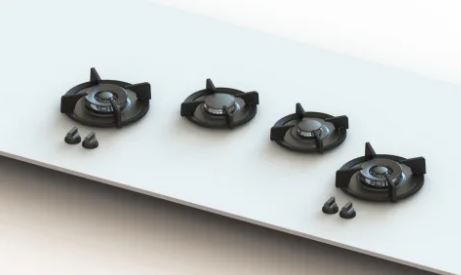
PITT Cooking Systems are the kind of kitchen feature that makes people stop mid-sentence and say, “Wait… where’s the cooktop?” That reaction is the whole point. Instead of placing a standard gas cooktop on top of the counter like a shiny metal afterthought, PITT integrates individual burners directly into the countertop itself. The result is sleek, dramatic, and just a little bit show-offy in the best possible way.
But this is not just a pretty face in a fancy kitchen. PITT Cooking Systems are designed for people who want real cooking performance, more space between pans, and a kitchen that feels custom instead of cookie-cutter. If you have ever looked at a luxury kitchen and thought, “How does that look so clean?” there is a good chance an integrated cooking system is part of the answer.
In this guide, we will break down how PITT Cooking Systems work, what makes them different from a traditional gas cooktop, the pros and cons, installation realities, cleaning considerations, and who should actually buy one. Because let’s be honest: some kitchen upgrades are useful, and some are just expensive ways to impress your in-laws. PITT sits in a more interesting middle ground.
What Is a PITT Cooking System?
A PITT Cooking System is a modular cooking setup in which the gas burners are installed directly into the countertop rather than into a single stainless, enamel, or glass cooktop surface. Each burner sits as its own element, with the technical parts hidden below the counter and the pan supports visible above it. The brand is best known for this integrated gas concept, though it also offers induction options.
The major appeal is visual and functional at the same time. Visually, you get a continuous slab of stone, ceramic, concrete, stainless steel, or another approved material, interrupted only by the burners and controls. Functionally, you get more distance between burners than on many traditional cooktops, which means large pots, Dutch ovens, sauté pans, and woks are less likely to bump elbows like commuters on a crowded subway platform.
PITT also offers multiple configurations, from compact layouts for smaller kitchens to large multi-burner arrangements for serious home cooks. Some models include high-output wok burners, while others focus on everyday cooking flexibility. That mix-and-match approach is one reason designers and homeowners use the system in island kitchens, statement kitchens, and open-concept homes where every line matters.
Why PITT Cooking Systems Stand Out
1. The countertop stays the star
Traditional cooktops break up a beautiful slab with a rectangle of metal or glass. PITT does the opposite. It lets the countertop remain visually dominant, which is a big deal in kitchens where marble, terrazzo, granite, or another premium surface is part of the design story. In a luxury remodel, that continuity can make the whole room feel calmer, cleaner, and more architectural.
2. More space between burners
One of the most practical benefits of a PITT Cooking System is burner spacing. On many standard cooktops, using a stockpot and a skillet at the same time can feel like playing appliance Tetris. PITT spreads the burners out more generously, which gives large cookware more breathing room and makes everyday cooking less awkward.
3. Custom layout options
PITT is modular by nature. You are not locked into a single five-burner rectangle that assumes your cooking style is identical to everyone else’s. If you want a smaller setup, a wider setup, or a configuration that prioritizes a wok burner, that flexibility is part of the product’s appeal. It feels more tailored than off-the-shelf.
4. Premium gas performance
PITT Cooking Systems are still gas cooking systems at heart, and that matters for people who love responsive flame control. You can move from a gentle simmer to a more aggressive flame quickly, and certain models include burner outputs that support wok-style cooking. For people who prefer gas over flat electric or induction surfaces, PITT offers a high-design way to keep that familiar cooking feel.
How PITT Cooking Systems Work in Real Kitchens
In a real kitchen, PITT lives at the intersection of design, cooking, and planning. This is not the kind of product you casually toss into a remodel three days before countertop fabrication and hope for the best. The burners require precise cutouts, the modules are mounted from beneath, and the countertop material must be compatible with the installation requirements.
That means the system works best when it is part of the kitchen plan from the beginning. The fabricator, installer, kitchen designer, and gas professional all need to be on speaking terms. Ideally friendly terms. Passive-aggressive group texts are not a recognized installation method.
PITT systems can be installed in approved materials such as composite, granite, concrete, terrazzo, glass, ceramic, marble, stainless steel, and certain other suitable surfaces. However, not every countertop is fair game. Solid wood, solid surface, and HPL top-layer countertops are generally not approved, so material choice matters a lot. The countertop also needs sufficient depth and proper structural support.
This is why PITT is often found in custom renovations and higher-end new builds rather than quick cosmetic kitchen makeovers. It rewards careful planning. It punishes improvisation.
Pros of PITT Cooking Systems
Luxury look without visual clutter
If your goal is a minimalist kitchen that still feels warm and tactile, PITT is a strong contender. Because the burners are integrated into the counter, the kitchen can look less appliance-heavy and more furniture-like. That is especially appealing in open-plan homes where the kitchen is always on display.
Better usability for large cookware
The generous spacing is not just a design flex. It is genuinely useful. If you cook with oversized pans, entertain often, or like to multitask with multiple pots at once, PITT gives you a roomier work zone than many standard cooktops.
Flexible sizing and configurations
Not every homeowner wants the same number of burners or the same layout. PITT lets you choose a configuration that better matches your space and cooking habits. That flexibility can be especially valuable on islands, galley kitchens, and custom counters where traditional cooktop dimensions are limiting.
High-end appeal for design-minded buyers
For homeowners investing in a luxury kitchen, PITT can become one of those memorable details that separates a nice remodel from a “whoa, who designed this?” remodel. It is not a mass-market feature, and that exclusivity adds to its appeal.
Cons of PITT Cooking Systems
Installation is more demanding
This is the big one. A PITT system requires planning, compatible materials, careful fabrication, professional installation, and coordination with gas and ventilation requirements. Compared with dropping a standard cooktop into a preset cutout, this is a more involved process.
It is usually a premium-priced choice
PITT is not the bargain-bin hero of kitchen appliances. The product itself sits in the premium category, and the installation can add cost because the countertop fabrication and build-out are more specialized. In other words, PITT is usually chosen because someone wants it, not because it is the cheapest way to boil pasta water.
Cleaning is different, not necessarily harder
PITT is easy to wipe around because the counter stays relatively uninterrupted, but the burner components still need proper care. You cannot treat it like a totally flat induction surface. Burner parts need to be kept clean and dry, and harsh methods such as dishwasher cleaning, steam cleaning, or aggressive abrasives are generally off the table.
Ventilation still matters
Because this is a gas system, good ventilation is important. A stunning island with hidden burners still produces heat, steam, odors, and combustion byproducts. If you are imagining a nearly invisible cooking zone, remember that the hood or ventilation strategy still needs to do some very visible heavy lifting.
Who Should Buy a PITT Cooking System?
PITT Cooking Systems make the most sense for a few specific types of homeowners.
Design-first renovators
If the visual flow of your kitchen matters almost as much as the cooking function, PITT is worth a serious look. It is ideal for people who are spending real money on counters, cabinetry, lighting, and layout and do not want a standard cooktop interrupting the final result.
People building a custom kitchen from scratch
PITT works best when the kitchen is designed around it. If you are already planning cabinetry, countertop fabrication, gas lines, and ventilation from the ground up, the system can slot in much more smoothly than it would in a quick retrofit.
Home cooks who use multiple large pans
If you routinely cook with stockpots, griddles, sauté pans, and a wok burner setup, the wider spacing can be genuinely helpful. PITT is not just about looks; it also changes the ergonomics of the cooking area.
People who like statement appliances that do not scream “appliance”
Some luxury products announce themselves loudly. PITT takes the opposite route. It is dramatic, but in a whispery, sophisticated way. Think tailored blazer, not sequined tuxedo.
Who Might Want Something Else?
PITT may not be the right fit if you are working on a tight remodel budget, replacing an old cooktop without changing counters, renting out the property, or prioritizing pure ease over custom design. It may also be less appealing if you prefer a conventional range with an integrated oven below, or if you want the easiest possible cleanup of a completely smooth surface.
Homeowners comparing gas, electric, and induction should also think about lifestyle and safety preferences. Gas offers responsive flame control, but it also brings ventilation concerns and more visible maintenance. Induction can be simpler to clean and cooler at the surface. PITT’s gas systems appeal most strongly to buyers who deliberately want gas and are willing to invest in the design and installation required.
Installation and Planning Tips
If you are seriously considering PITT Cooking Systems, treat the planning phase like part of the product, not an annoying side quest.
- Confirm countertop compatibility early. Do not fall in love with a material before checking whether it can support the installation.
- Coordinate with your fabricator and installer from day one. These systems require accurate cutouts and structural preparation.
- Review cabinet and counter dimensions carefully. Minimum depth and cabinet width vary by configuration.
- Plan ventilation as seriously as you plan aesthetics. A gorgeous kitchen still needs air management.
- Choose the burner mix based on how you actually cook. If you never stir-fry, do not buy the wok-focused setup just because it sounds cool at dinner parties.
Also, make sure you are working with qualified professionals. PITT is not the right place for guesswork, shortcuts, or a cousin who once installed a grill connection and now considers himself a gas whisperer.
Cleaning and Daily Maintenance
Living with a PITT Cooking System is mostly about smart habits. Wipe spills sooner rather than later, keep burner parts dry, and use mild cleaning products instead of harsh chemicals or abrasive pads. Since the countertop is such a visible part of the overall look, the system tends to reward people who like to keep their kitchen reasonably tidy.
The good news is that the uninterrupted counter can actually make the surface feel easier to maintain visually. There are fewer bulky borders and frames collecting grime. The less fun news is that you still need to care for the individual burner parts properly. PITT is sophisticated, but it has not yet invented a self-cleaning fairy godmother.
Final Verdict: Are PITT Cooking Systems Worth It?
PITT Cooking Systems are worth it for the right buyer. They combine luxury kitchen design with practical cooking advantages like wider burner spacing, customizable layouts, and strong gas performance. They are especially compelling in custom kitchens where the countertop is a major visual feature and every detail is being curated.
They are not the obvious choice for every home. Installation is more complex, material compatibility matters, ventilation still deserves attention, and the overall cost usually lands in premium territory. But if your goal is a kitchen that feels refined, architectural, and highly customized, PITT offers something that ordinary cooktops simply do not.
In a market full of appliances trying to get bigger, shinier, and louder, PITT wins by almost disappearing. And that, ironically, is exactly why it stands out.
Experience With PITT Cooking Systems: What It Feels Like to Live With Them
Using a PITT Cooking System feels different from the moment you walk into the kitchen. The first thing you notice is not a giant appliance footprint. It is the counter. The stone, the finish, the uninterrupted surface, the whole “I definitely made some excellent life choices” vibe. The burners are there, of course, but they read more like purposeful details than a bulky workstation dropped in the middle of the room.
In day-to-day cooking, the extra spacing between burners is what really changes the experience. With a standard cooktop, using a large skillet next to a stockpot can turn dinner into a low-budget juggling act. With PITT, the cookware has more room to breathe. That makes the cooking zone feel calmer, more organized, and better suited to ambitious meals. You are not constantly rotating handles and shifting pans around like you are solving a tiny metal puzzle.
There is also a certain pleasure in cooking on real flames while keeping a cleaner visual line across the kitchen. It feels professional without looking industrial. For design-minded homeowners, that is the sweet spot. You still get the responsiveness people love about gas, but the kitchen does not scream “restaurant equipment showroom.” It feels more tailored than technical.
Guests tend to notice it, too. Not in a tacky, blinking-lights kind of way, but in a “something about this kitchen looks expensive and I cannot immediately explain why” way. That subtle wow factor is one of PITT’s biggest strengths. It photographs beautifully, but more importantly, it feels special in person.
That said, the ownership experience is best when the system has been planned properly. A well-executed installation feels seamless. A rushed installation would likely feel stressful. This is the kind of feature that rewards patience, coordination, and craftsmanship. When those pieces are in place, the result can feel less like an appliance purchase and more like a custom architectural decision.
Over time, PITT also changes how you think about the kitchen as a living space. Because the cooktop does not dominate the visual field, the room can feel more open and more furniture-like, especially in an island layout or open-concept floor plan. That can make the kitchen feel more social, more elegant, and less like a purely utilitarian corner of the house.
So the experience of living with PITT Cooking Systems is not just about ignition, burner output, or countertop cutouts. It is about how the kitchen functions and how it feels. If a traditional cooktop says, “Here is where you cook,” PITT says, “Here is a beautifully designed space that also happens to cook really well.” That difference is subtle, but once you see it, it is hard to unsee.













