
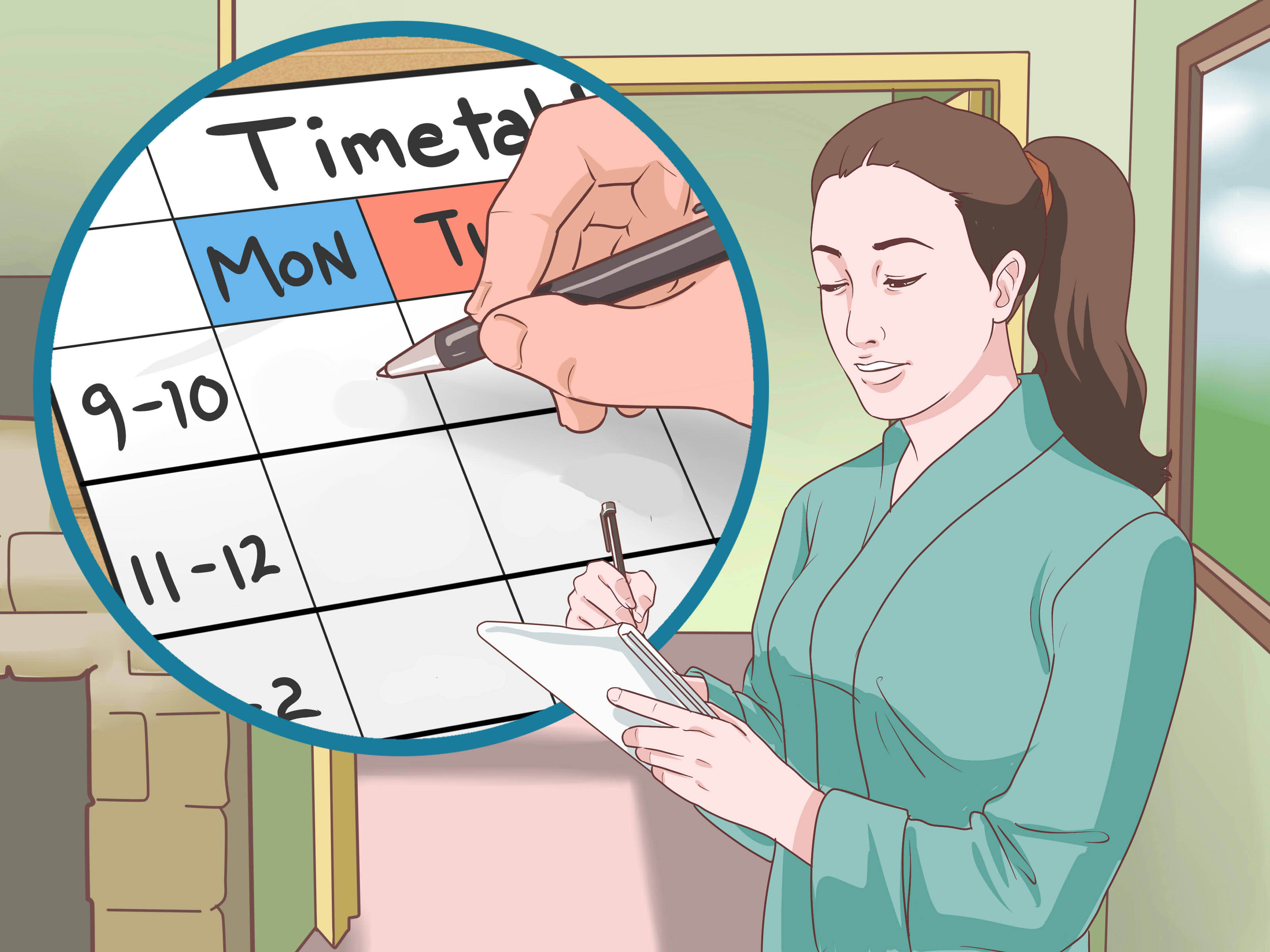
Making a timetable sounds like one of those “responsible adult” tasks that should come with a cardigan, a mug of herbal tea, and a suspiciously organized desk. But in real life, a good timetable is not about becoming a productivity robot. It is about giving your day a shape, so your time stops leaking into random scrolling, forgotten deadlines, and the mysterious black hole between “I’ll start in five minutes” and midnight.
Whether you are a student planning classes and study sessions, a parent balancing work and family, a freelancer juggling clients, or someone simply trying to stop being ambushed by Monday, learning how to make a timetable can make your life calmer and more predictable. The best timetable is practical, flexible, and honest. It includes work, study, meals, sleep, breaks, errands, exercise, and even the sacred activity known as doing absolutely nothing.
Below is a complete 14-step guide to creating a timetable that actually works in the real world, not just in a color-coded planner photo online.
What Is a Timetable?
A timetable is a planned schedule that shows what you will do and when you will do it. It can cover a day, a week, a month, a school term, or a full project timeline. Unlike a simple to-do list, a timetable attaches tasks to specific blocks of time. Instead of writing “study biology,” you decide, “Study biology from 4:00 p.m. to 5:00 p.m. on Tuesday.” That one small change makes your plan more realistic and easier to follow.
A timetable can be made on paper, in a spreadsheet, in a planner, on a whiteboard, or with digital tools such as Google Calendar, Apple Calendar, Notion, Trello, Todoist, Microsoft Outlook, or a basic notes app. The tool matters less than the habit. A fancy app will not rescue a timetable that ignores your energy, responsibilities, or need for lunch.
Why Making a Timetable Is Worth It
A well-made timetable helps you see your week clearly. It reduces decision fatigue because you do not have to ask, “What should I do now?” every 27 minutes. It also helps you prioritize important tasks before they become urgent, which is much better than sprinting toward deadlines with the emotional stability of a squirrel in traffic.
Timetables are especially useful for students because they make study sessions visible and repeatable. They are also helpful for professionals who need to balance meetings, focused work, admin tasks, and personal time. For families, a timetable can make school runs, meals, chores, and bedtime routines smoother. For anyone trying to build better habits, a timetable turns vague goals into scheduled actions.
How to Make a Timetable: 14 Steps
1. Decide the Purpose of Your Timetable
Before you draw boxes or open an app, decide what your timetable is for. Are you making a study timetable, a work timetable, a household timetable, a fitness timetable, or a full weekly life schedule? The purpose will determine what you include.
For example, a student timetable may include classes, revision blocks, assignments, exams, meals, commuting, sports, and sleep. A work timetable may include meetings, deep work, email, project deadlines, breaks, and personal appointments. A family timetable may include school pickup, meal prep, cleaning, homework time, and bedtime routines.
Write one clear sentence: “This timetable will help me manage ______.” That blank is your compass.
2. Choose Your Time Frame
Next, decide whether your timetable will cover one day, one week, one month, or a longer period. For most people, a weekly timetable is the easiest place to start. A week gives you enough space to balance work, school, rest, and personal tasks without becoming overwhelming.
Daily timetables are useful when you have a busy day, an exam, a trip, or a major project deadline. Monthly timetables are better for long-term planning, such as tracking assignments, bills, events, or content publishing schedules. If you are new to timetable planning, start with one week. You can always expand later.
3. List All Fixed Commitments First
Fixed commitments are the events that already have a set time. These are the non-negotiables, or at least the “very difficult to negotiate without consequences” items. Examples include work hours, classes, meetings, appointments, school pickup, commute time, religious services, sports practice, and regular family responsibilities.
Add these to your timetable first because they create the structure of your week. Think of them as the large furniture in a room. You would not place a tiny lamp before deciding where the sofa goes. Similarly, do not schedule “read one chapter” before adding your 9-to-5 job or your Tuesday chemistry lab.
4. Add Sleep, Meals, and Personal Care
This step is where many timetables go from useful to ridiculous. People schedule work, study, and errands, then forget they have a human body. Do not do this. Your timetable should include sleep, meals, showers, breaks, exercise, and basic personal care.
A consistent sleep schedule supports focus, mood, memory, and overall health. Meals also deserve space. If you do not schedule time to eat, your day may eventually be powered by coffee, crumbs, and regret. Add breakfast, lunch, dinner, hydration breaks, and realistic wind-down time before bed.
A timetable that protects your health is more effective than one that treats you like a phone battery stuck at 3%.
5. Brainstorm Every Task You Need to Do
Now make a full list of tasks. Do not organize yet. Just empty your brain. Include work projects, school assignments, chores, errands, calls, emails, reading, workouts, shopping, laundry, cleaning, meal prep, and personal goals.
This list may look messy at first. That is fine. A messy list on paper is still better than a messy list bouncing around your head at 2:00 a.m. Once everything is visible, you can sort it into categories and decide what actually belongs in your timetable.
6. Group Similar Tasks Together
After brainstorming, group similar tasks into categories. For example:
- Study: reading, revision, practice questions, assignments
- Work: meetings, reports, emails, client calls
- Home: cleaning, laundry, groceries, cooking
- Health: exercise, sleep, meal planning, medical appointments
- Personal: hobbies, social plans, relaxation, family time
Grouping tasks helps you spot patterns. You may realize that your errands can happen on one afternoon instead of being scattered across the week like confetti. You may also see that you have scheduled five mentally demanding tasks in one evening, which is ambitious, but also a fine recipe for staring at a wall.
7. Prioritize What Matters Most
Not every task deserves the same amount of time or attention. Use a simple priority system. Label tasks as high, medium, or low priority. High-priority tasks are urgent, important, deadline-based, or connected to major goals. Medium-priority tasks matter but can move if needed. Low-priority tasks are nice to do but not essential.
You can also use the “must do, should do, could do” method. Must-do tasks go into the timetable first. Should-do tasks fill available spaces. Could-do tasks are bonus items. This keeps your timetable realistic instead of turning it into a fantasy novel titled The Week I Became Perfect.
8. Estimate How Long Each Task Will Take
Time estimates are where optimism often sneaks in wearing a fake mustache. Many people assume a task will take 20 minutes when it has historically taken two hours, three snacks, and a small emotional journey. Be honest.
If you are unsure, track your time for a few days. Notice how long it takes to commute, write an email, complete homework, cook dinner, or review notes. Then add a buffer. If you think a task will take 45 minutes, schedule 60. Buffers protect your timetable from real life, which has a habit of arriving uninvited.
9. Match Tasks to Your Energy Levels
A smart timetable does not just ask, “When am I free?” It also asks, “When am I most capable of doing this well?” Some people think clearly in the morning. Others become fully operational after lunch. Some do their best creative work at night, while others at night are basically a blanket with opinions.
Schedule demanding tasks during your peak energy hours. Use lower-energy times for easier tasks such as email, organizing files, folding laundry, or reviewing simple notes. For example, if your brain is sharpest from 8:00 a.m. to 10:00 a.m., use that time for writing, studying, problem-solving, or planningnot for deleting spam emails from 2019.
10. Use Time Blocks
Time blocking means dividing your day into chunks dedicated to specific activities. Instead of creating a vague list, you assign each task to a time slot. For example:
- 7:00 a.m. – 7:30 a.m.: Breakfast and get ready
- 8:00 a.m. – 10:00 a.m.: Focused work
- 10:00 a.m. – 10:15 a.m.: Break
- 10:15 a.m. – 11:30 a.m.: Project research
- 1:00 p.m. – 2:00 p.m.: Emails and admin
Time blocks make your day easier to follow because each activity has a home. They also reduce multitasking. Multitasking may feel productive, but often it just means doing several things poorly while feeling very busy.
11. Build in Breaks and Transition Time
A timetable without breaks is not a plan; it is a trap. Your brain needs recovery time. Short breaks can improve focus, especially during study or deep work sessions. Add 5- to 15-minute breaks between focused blocks. For longer work periods, schedule a proper lunch or rest period.
Also include transition time. Moving from one task to another is not instant. You may need to pack a bag, open files, clean your workspace, travel, switch mental gears, or simply blink at the ceiling for a moment. Transition time keeps your timetable from collapsing every time one activity runs two minutes late.
12. Choose the Right Timetable Format
The best timetable format is the one you will actually use. Some people love paper planners because writing by hand helps them remember. Others prefer digital calendars because reminders, recurring events, and color labels make life easier.
Here are a few options:
- Paper planner: Great for people who enjoy handwriting and visual planning.
- Spreadsheet: Useful for detailed weekly or monthly timetables.
- Digital calendar: Best for reminders, recurring tasks, and syncing across devices.
- Whiteboard: Helpful for families, roommates, or shared schedules.
- Printable template: Simple, clean, and easy to customize.
If you are easily distracted by apps, paper may be better. If you frequently forget appointments, digital reminders may save the day. There is no prize for using the most complicated tool.
13. Review and Adjust Your Timetable
Your first timetable will not be perfect. That is normal. It is a draft, not a legally binding contract with the universe. After a few days, review what worked and what did not.
Ask yourself:
- Did I underestimate how long tasks take?
- Did I schedule too much in one day?
- Did I include enough breaks?
- Did I protect sleep and meals?
- Which time blocks felt natural?
- Which tasks kept getting postponed?
Use the answers to improve the next version. A timetable should evolve with your life. If your schedule changes, your timetable should change too.
14. Make It Easy to Follow
The final step is to make your timetable visible, simple, and easy to use. Put it somewhere you will see it: on your desk, wall, phone, laptop, fridge, or planner. Use colors if they help, but do not spend three hours decorating a timetable you have not actually followed yet. Productivity stickers are fun, but they are not magic spells.
Keep your timetable realistic. Leave open spaces. Avoid scheduling every minute. Use reminders for important events. Prepare materials in advance. If you have a study block, know what subject you will study. If you have a workout block, set out your clothes. If you have a writing block, open the document before your brain starts negotiating.
Example of a Simple Weekly Timetable
Here is a basic example for a student or busy professional:
| Time | Monday to Friday | Weekend |
|---|---|---|
| 6:30 a.m. – 7:30 a.m. | Wake up, breakfast, get ready | Wake up, light exercise, breakfast |
| 8:00 a.m. – 12:00 p.m. | Classes, work, or focused tasks | Errands, cleaning, personal projects |
| 12:00 p.m. – 1:00 p.m. | Lunch and break | Lunch and family time |
| 1:00 p.m. – 4:00 p.m. | Work, study, meetings, assignments | Hobbies, planning, social activities |
| 4:00 p.m. – 5:00 p.m. | Exercise, commute, or reset time | Outdoor time or rest |
| 6:00 p.m. – 8:00 p.m. | Dinner, chores, family time | Dinner, relaxation |
| 8:00 p.m. – 9:30 p.m. | Light review, reading, preparation | Prepare for the week |
| 10:00 p.m. | Wind down and sleep | Wind down and sleep |
This example is intentionally simple. A timetable should support your life, not look like an airport control tower. Start with broad blocks, then add detail where needed.
Common Timetable Mistakes to Avoid
Overpacking Every Day
The most common mistake is scheduling too much. If your timetable has no breathing room, it will break the first time something unexpected happens. Leave blank spaces for delays, rest, and surprise tasks.
Ignoring Energy Levels
Do not schedule your hardest task at your worst time of day unless absolutely necessary. If you are not a morning person, planning advanced math at 6:00 a.m. may be less “disciplined genius” and more “sleepy tragedy.”
Forgetting Breaks
Breaks are not laziness. They are maintenance. Just as phones need charging and cars need fuel, people need pauses. A realistic timetable includes them on purpose.
Making the Timetable Too Complicated
If your timetable needs a 12-page instruction manual, simplify it. Use clear labels, readable time blocks, and a format you can understand at a glance.
Never Reviewing It
A timetable should be reviewed weekly. Life changes, priorities shift, and tasks take longer than expected. A five-minute review can prevent a week of chaos.
Useful Tips for Sticking to Your Timetable
Start small. Do not redesign your entire life overnight. Choose one area, such as your morning routine or study schedule, and improve that first. Use alarms or reminders for important blocks. Prepare your workspace before focused sessions. Keep your timetable visible. Celebrate small wins. If you follow 70% of your timetable, that is still progress.
It also helps to connect each time block to a specific outcome. Instead of “study,” write “complete 20 chemistry practice questions.” Instead of “work on project,” write “draft introduction and outline.” Clear tasks are easier to begin.
Finally, forgive imperfect days. A timetable is a guide, not a judge wearing glasses. If one day falls apart, adjust and continue. The goal is consistency over time, not flawless performance every hour.
of Real-Life Experience: What Actually Happens When You Make a Timetable
Here is the honest truth about making a timetable: the first version usually looks better than it works. You may sit down with great ambition, create a beautiful schedule, and feel like you have finally unlocked the secret to life. Then Tuesday arrives. A meeting runs late. Your internet acts like it has joined a silent protest. You forget that grocery shopping takes longer than 15 minutes unless you are shopping only for gum. Suddenly, your perfect timetable is wobbling like a table with one short leg.
That does not mean the timetable failed. It means the timetable met reality.
One useful experience is to treat your first timetable as a test week. Do not expect perfection. Instead, observe. Notice when you feel focused, when you feel tired, which tasks you avoid, and which blocks are too short. For example, many students discover that “study from 7:00 p.m. to 10:00 p.m.” sounds impressive but becomes useless after a long day. A better plan may be two shorter sessions: one from 5:00 p.m. to 6:00 p.m. and another from 8:00 p.m. to 8:45 p.m. Shorter, sharper sessions often beat heroic marathons.
Another lesson is that preparation makes a timetable easier to follow. If your timetable says “exercise at 6:30 a.m.” but your shoes are missing, your water bottle is dirty, and your workout clothes are buried under laundry, the schedule is already in trouble. A good timetable often needs a support system. Put materials where you need them. Pack your bag the night before. Create a clean workspace. Open the right tabs before a study block. Small setup habits reduce friction.
It is also helpful to schedule a weekly reset. Sunday evening works well for many people, but any quiet time is fine. During this reset, check upcoming deadlines, appointments, bills, assignments, and personal plans. Move unfinished tasks forward. Remove tasks that no longer matter. Add buffer space around busy days. This review turns your timetable into a living tool instead of a forgotten document slowly judging you from a drawer.
One surprisingly powerful experience is learning to schedule rest without guilt. Many people only rest when they are exhausted, which is like charging your phone only after it has dramatically shut down during an important call. Scheduled rest prevents burnout. Add breaks, hobbies, social time, and sleep. A sustainable timetable includes joy. Yes, joy. Put it on the calendar like it pays rent.
Finally, the best timetable is personal. Your friend’s perfect schedule may be completely wrong for you. Your timetable should reflect your responsibilities, energy, goals, commute, family life, health, and personality. If you hate mornings, build around that when possible. If you need quiet to focus, protect quiet blocks. If your life changes every week, make a flexible weekly template instead of a rigid plan.
Over time, making a timetable teaches you more than time management. It teaches self-awareness. You learn what you value, what drains you, what motivates you, and what you keep pretending takes “just five minutes.” That knowledge is powerful. A good timetable does not make life perfect, but it makes life more intentional. And sometimes, that is exactly the upgrade you need.
Conclusion
Learning how to make a timetable is one of the simplest ways to take control of your time. Start by identifying your purpose, adding fixed commitments, protecting sleep and meals, listing tasks, prioritizing, estimating time honestly, and using time blocks. Then review your timetable regularly and adjust it based on real life.
The best timetable is not the prettiest one. It is the one you can follow, revise, and trust. Keep it practical, flexible, and balanced. Give your important tasks a home, your brain a break, and your future self fewer reasons to panic.
Note: This article is written in standard American English and is based on widely accepted time-management, study-planning, productivity, and healthy-routine practices from reputable educational, health, and productivity resources.













