
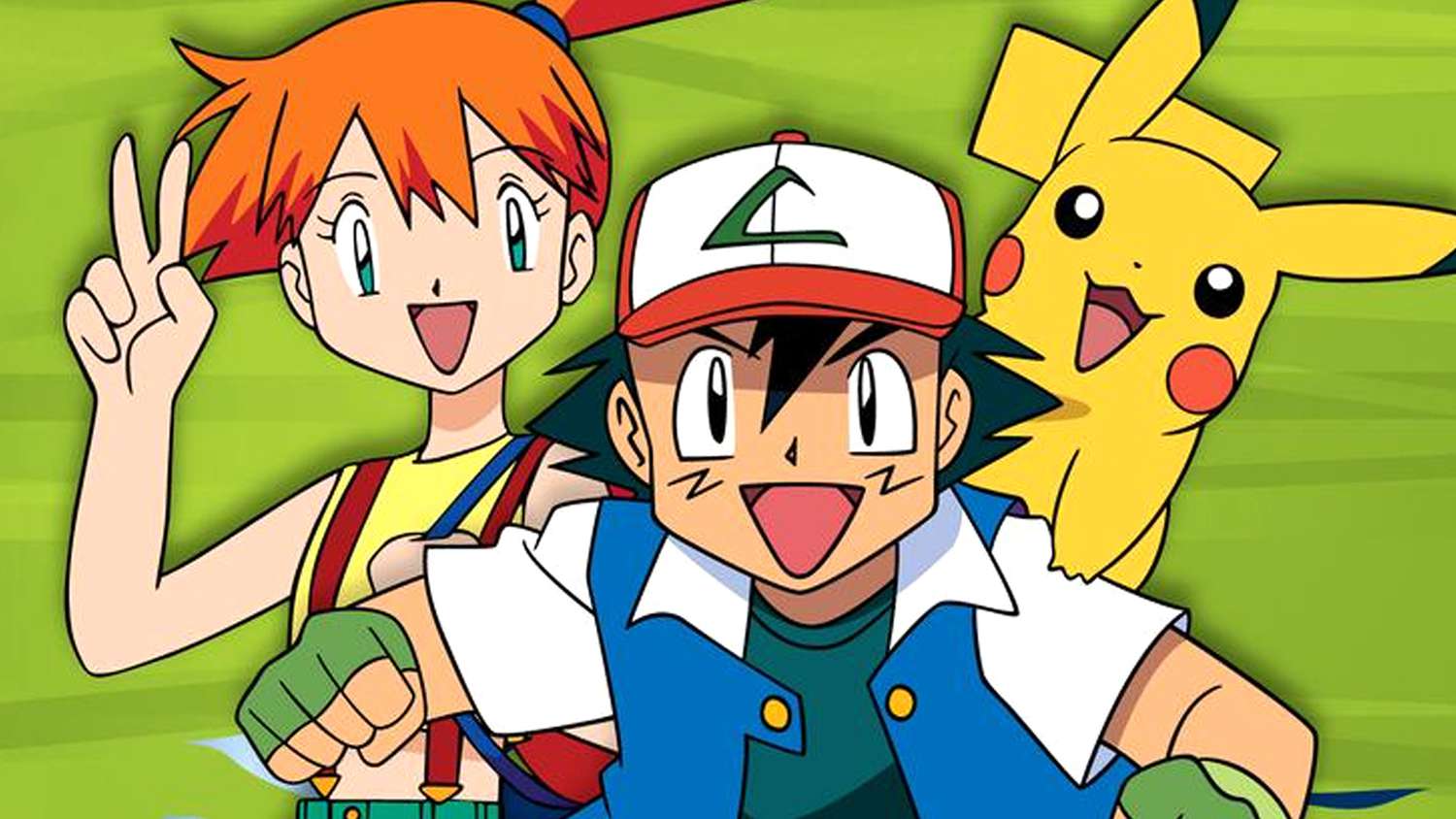
If you have ever watched a blue-haired swordsman monologue dramatically under a blood-red moon, then immediately followed that up with a heart-melting scene about friendship, noodles, and emotional damage, congratulations: you have wandered into the wonderfully specific universe of anime.
But what is anime, exactly? Is it just “Japanese cartoons”? Is it a genre? A style? A cultural export with giant eyes and even bigger feelings? The answer is a little more interesting than a one-line definition. Anime is a form of animation rooted in Japan, but it has grown into a global storytelling language with its own visual traditions, fan culture, genres, themes, and emotional range. It can be silly, philosophical, action-packed, romantic, creepy, cozy, and occasionally all of those things before the opening theme ends.
In this guide, we will break down what anime is, where it came from, what makes it different, why it matters, and why millions of viewers around the world treat it as much more than a niche hobby. Spoiler alert: anime is not “just for kids,” and it is definitely not one thing.
What Anime Actually Means
In the simplest terms, anime refers to animation associated with Japan. In English-language use, the word usually describes animated series and films made in Japan or strongly influenced by Japanese animation. In Japan, the word can be used more broadly for animation in general. Outside Japan, though, “anime” has become a convenient label for a distinct tradition of animated storytelling.
That distinction matters because anime is not a single genre. It is a medium. Saying “anime” is like saying “film” or “television.” It tells you how the story is presented, not what kind of story it is. One anime might follow teenage ninjas saving the world. Another might explore grief, memory, war, or first love. Another might involve volleyball and somehow make it feel like life-or-death Shakespeare with sneakers.
So when people ask, “What is anime?” the best answer is this: anime is Japanese animation that includes many different styles, audiences, and themes, from family-friendly adventures to mature dramas and experimental art films.
Where Did Anime Come From?
Anime Did Not Appear Out of Thin Air
Anime has deep roots in Japanese visual storytelling. Long before modern television series existed, Japan already had rich traditions of illustrated narratives, theatrical performance, folklore, prints, and graphic art. That visual culture helped shape the way stories could be stylized, exaggerated, symbolic, and emotionally expressive. In other words, anime did not just pop into existence one day with a dramatic theme song and sparkles. It evolved from older artistic habits and newer technologies meeting in the middle.
Early Japanese animation began in the early twentieth century, when artists experimented with short animated works. These early productions were modest compared with modern anime, but they laid the foundation for what would become a major industry. Over time, Japanese creators developed storytelling techniques that blended cinematic framing, graphic simplification, dynamic editing, and emotional intensity.
Osamu Tezuka and the TV Anime Boom
No conversation about anime history is complete without Osamu Tezuka, who is often called the “God of Manga” and one of the most important figures in anime’s development. His work helped establish the look and storytelling rhythm that many people now associate with anime. Tezuka’s Astro Boy became a turning point for television animation in Japan, helping prove that anime could thrive as serialized entertainment.
As TV anime expanded in the 1960s and beyond, the medium started branching into science fiction, fantasy, romance, sports, historical drama, and more. Later decades brought influential works like Mobile Suit Gundam, Sailor Moon, Akira, Dragon Ball, Ghost in the Shell, Neon Genesis Evangelion, and the films of Studio Ghibli. Each title pushed anime in a slightly different direction, proving that the medium could be commercially huge, artistically ambitious, or both at once.
What Makes Anime Look and Feel Different?
People often recognize anime immediately, even if they cannot explain why. That is because anime tends to use a set of visual and storytelling habits that feel different from much mainstream Western animation.
Common Visual Traits
Anime is known for stylized character designs, expressive faces, dramatic lighting, exaggerated motion, and careful composition. Yes, large eyes are a famous feature, but anime is much more than the eye department. Different creators use different proportions, linework, color palettes, and levels of realism. Some series look soft and dreamy. Others look sharp, gritty, or hyper-detailed. Some are minimalist. Some look like they drank five energy drinks and learned parkour.
Anime also often uses cinematic techniques that make scenes feel more film-like than purely cartoonish. Close-ups, quiet pauses, symbolic imagery, mood-heavy backgrounds, and internal monologues all help create emotional texture. Even a still frame in anime can feel loaded with meaning. A sigh, a train platform, a sunset, and one falling leaf can somehow become a whole psychological event.
Storytelling That Takes Its Audience Seriously
Another difference is that anime frequently trusts viewers to stay with long-form stories. Character arcs unfold over time. Emotional payoffs may take dozens of episodes. Themes can grow more complex as the story deepens. Even action-heavy series often pause for reflection, moral conflict, or world-building.
That is one reason anime appeals to such a wide audience. It can be playful and accessible, but it is also comfortable being weird, thoughtful, melancholic, or morally messy. Many fans are drawn to the sense that anime is willing to take risks with tone. It is not afraid to mix comedy and tragedy, or innocence and darkness, in the same story.
Anime vs. Cartoons: What Is the Difference?
This is where the internet usually starts shadowboxing in the comments. Technically, anime is a form of cartoon because it is animated. But in everyday conversation, people use “cartoons” and “anime” differently because they associate them with different traditions, industries, and audience expectations.
In the United States, the word “cartoon” has often been linked with children’s entertainment, comedy, or short-form animation, even though American animation absolutely includes serious, adult-oriented work. Anime, by contrast, has built a stronger reputation for spanning many age groups and subject matters. That does not mean Western animation is shallow or anime is automatically profound. It simply means anime developed with a broader mainstream identity as a medium for multiple audiences.
So the better question is not whether anime “counts” as a cartoon. It does. The more useful question is why anime feels culturally distinct. The answer lies in history, production methods, art styles, story structures, and the expectations that audiences bring to it.
Anime vs. Manga: Not the Same Thing
Anime is often closely connected to manga, but they are not interchangeable. Manga refers to Japanese comics or graphic narratives, while anime refers to animation. Many anime series are adapted from manga, which is one reason the two are constantly linked. A popular manga may become an anime, then inspire films, games, merchandise, novels, and more.
That adaptation pipeline is one of the reasons anime storytelling can feel so rich and expansive. The source material may already have a dedicated fanbase, a detailed world, and long-running character arcs. Of course, not all anime comes from manga. Some are original works, while others adapt light novels, video games, or other media. Still, manga remains one of anime’s closest creative cousins.
Main Anime Genres and Audience Categories
Because anime is a medium rather than a genre, it includes a huge range of categories. Some labels describe subject matter, while others describe target demographics.
Popular Demographic Labels
Shonen usually targets younger teen boys and often features action, rivalry, friendship, and personal growth. Think of big training arcs, epic battles, and speeches about never giving up.
Shojo is often aimed at younger teen girls and tends to emphasize relationships, emotion, personal identity, and expressive aesthetics.
Seinen generally targets adult men and may explore darker themes, politics, philosophy, or more complex psychological material.
Josei is often aimed at adult women and can focus on realistic romance, work life, maturity, and relationships.
Popular Genre Buckets
Action and adventure anime thrive on momentum, quests, and escalating stakes. Fantasy anime build magical worlds and rules. Romance anime explore crushes, heartbreak, and awkward confessions that somehow take three seasons. Slice-of-life anime find beauty in ordinary routines. Mecha anime focus on giant robots and often use them to discuss war, technology, and identity. Sports anime transform teamwork and competition into high emotional art. Horror, mystery, science fiction, and isekai each bring their own devoted audiences.
This range is one reason anime keeps growing. There is no single “anime fan.” Some people love cozy school stories. Others want existential cyberpunk. Others want supernatural action and enough plot twists to require a whiteboard.
Why Anime Became a Global Phenomenon
Anime’s global popularity did not happen by accident. Part of the appeal is simply that the stories are good. But distribution also changed everything. Earlier generations often discovered anime through imported VHS tapes, late-night TV blocks, fan communities, and convention culture. Later, DVD releases and online fandom made access easier. Today, streaming platforms have dramatically widened anime’s reach, making it easier for viewers to explore classic titles and current releases.
Anime also travels well because its themes are often universal, even when the cultural details are specific. Stories about ambition, loneliness, family, grief, friendship, justice, love, fear, and growing up work across borders. At the same time, anime offers many viewers something they do not always get from mainstream Western media: a fresh visual vocabulary and different storytelling rhythms.
Another key part of anime’s success is fandom. Fans do not just watch anime. They discuss it, recommend it, cosplay it, remix it, quote it, argue about it, and organize entire weekends around it. Anime conventions, online communities, fan art, reaction videos, and meme culture have helped turn anime from entertainment into a social experience.
Why Anime Matters Culturally
Anime is more than an export product. It is a major cultural form that has shaped how people around the world understand Japanese popular culture, visual storytelling, and genre fiction. It has influenced fashion, music videos, gaming, comics, and even Hollywood filmmaking. Plenty of creators outside Japan have borrowed anime-inspired aesthetics, pacing, character types, and world-building strategies.
At the same time, anime can open a door to deeper cultural curiosity. Fans often move from anime into manga, Japanese language study, history, food, folklore, and other parts of Japanese media culture. Of course, anime is not a perfect mirror of real life in Japan. It is stylized entertainment, not a documentary. But it can still spark genuine interest and cross-cultural engagement.
Anime also matters because it proves animation can carry enormous emotional and intellectual weight. It can be funny, but it can also be political, poetic, traumatic, romantic, or philosophical. When done well, anime reminds viewers that animation is not a lesser form of storytelling. It is simply a different one.
How to Start Watching Anime if You Are New
If anime is new to you, the easiest way to begin is not by asking, “What is the best anime ever made?” That path leads directly to a 400-comment argument and at least one spreadsheet. A better question is: “What kind of stories do I already enjoy?”
If you love fantasy, start there. If you like mystery, romance, action, or coming-of-age stories, choose an anime in that lane. Beginners often do well with accessible titles that have strong characters, clear pacing, and a memorable emotional hook. Watching one film can also be a great starting point if a long series feels intimidating.
Subtitled versus dubbed audio is another choice that depends on personal taste. Some viewers prefer the original Japanese performances with subtitles. Others prefer dubbed versions for ease and comfort. There is no moral superiority badge involved. The important thing is enjoying the story enough to keep going.
Experiences Related to “What Is Anime?”
One of the most interesting things about anime is that people often do not just watch it; they remember the experience of discovering it. For many viewers, anime arrives as a surprise. They expect a cartoon. Instead, they get a story that feels emotionally sharper, visually stranger, and somehow more sincere than what they were prepared for. That first experience can be oddly memorable. It is the moment someone realizes animation can carry heartbreak, suspense, philosophy, absurd comedy, and raw beauty without apologizing for any of it.
A common experience starts with skepticism. Maybe someone hears friends talk about anime and assumes it is all giant robots, magical shouting, or hairstyles that violate several laws of physics. Then they watch one series “just to see what the fuss is about,” and suddenly they are twelve episodes deep at 1:30 in the morning, emotionally attached to a side character who owns a rice ball stand and probably has a tragic backstory. Anime has a talent for sneaking past people’s assumptions.
For longtime fans, anime is often tied to life stages. One person remembers racing home after school to catch a dubbed episode on TV. Another remembers borrowing DVDs from a friend like they were sacred objects. Someone else associates anime with college, when a roommate introduced them to a series that completely changed their idea of what animation could do. In that sense, anime is not just a medium. It becomes a marker of time, friendship, and identity.
There is also the community experience. Few things bond people faster than collectively yelling about a season finale, debating a favorite character arc, or swapping recommendations with the seriousness of diplomats negotiating a treaty. Anime fans build communities online and offline through conventions, forums, social media, clubs, cosplay, and fan art. Even casual viewers often find that anime gives them a shared language with other people. A single reference, theme song, or reaction image can instantly signal, “Ah yes, you too have been emotionally injured by this show.”
Another common experience is learning patience. Anime can be slow in ways that newcomers do not expect. A fight may take three episodes. A confession may take three years. A character may stare out a window for ten seconds while the soundtrack quietly rearranges your soul. But that pacing is part of the experience. Anime often asks viewers to sit with mood, atmosphere, and emotional buildup, and that can make the payoff hit harder.
Then there is the cultural experience. Many viewers first become curious about Japanese food, festivals, language, school life, folklore, or customs through anime. Not because anime is a perfect guide to reality, but because it creates curiosity. A show might introduce a shrine visit, a bento lunch, a summer festival, or a folklore creature, and suddenly the viewer wants to learn more. Anime can become a doorway into broader cultural interest.
Most of all, anime is often remembered for how it makes people feel. It can make viewers laugh at ridiculous comedy one minute and stare blankly at the wall the next because a scene landed far harder than expected. That emotional range is a huge part of the anime experience. People do not just ask, “What happened in that episode?” They ask, “Why am I feeling all of this over animated characters?” The answer is simple: good storytelling works, whether the characters are hand-drawn, computer-animated, or wielding suspiciously large swords.
Conclusion
So, what is anime? It is Japanese animation, yes, but that definition barely scratches the surface. Anime is a medium with a long artistic history, a distinct visual language, and a huge range of genres and audiences. It can be intimate or epic, gentle or chaotic, silly or profound. It connects with viewers because it respects emotion, embraces imagination, and allows stories to be stylized without losing their human core.
That is why anime continues to grow around the world. It offers something many viewers are hungry for: storytelling that feels bold, emotionally direct, visually inventive, and unafraid to be different. Whether you are here for fantasy worlds, sports rivalries, romance, giant robots, quiet character studies, or the occasional beautifully animated existential crisis, anime probably has a seat waiting for you.














