
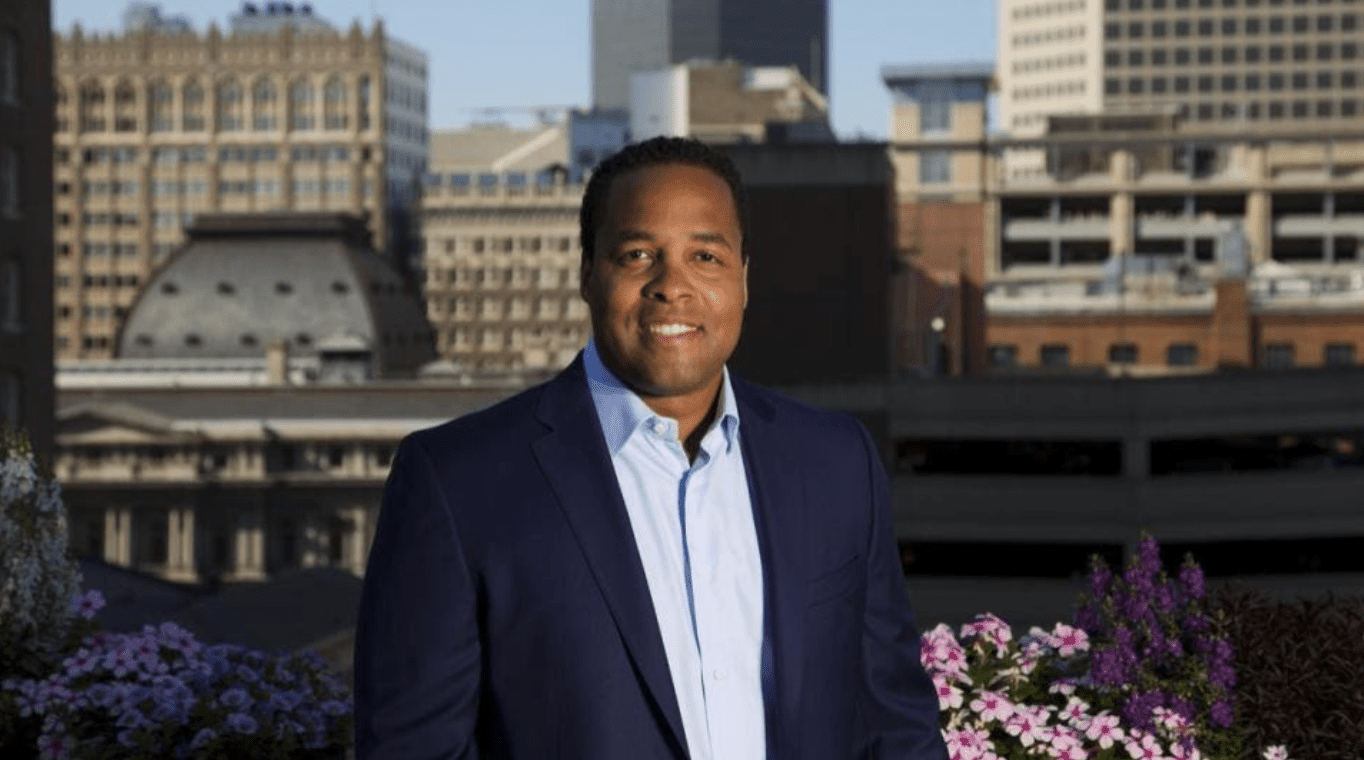
Chris Motley helps advance careers for BIPOC individuals by tackling one of the quietest but most powerful forces in professional life: access. Not just access to jobs, but access to people, conversations, confidence, insider knowledge, referrals, and the kind of practical advice that turns “I hope I can do this” into “I know my next step.”
That may sound simple, but anyone who has tried to build a career without a strong professional network knows the truth: talent is not always enough. Talent needs a doorway. Talent needs someone to say, “Here is how this industry really works.” Talent needs a mentor who can explain the difference between looking busy and building influence. And sometimes, talent needs a sponsor who will say your name in rooms you have not entered yet.
Motley, the founder and CEO of Mentor Spaces, has built his work around that exact problem. His platform focuses on structured mentorship for underrepresented students and professionals, especially Black and Latinx talent, while helping organizations build stronger, more inclusive talent pipelines. In a workplace world full of buzzwords, Mentor Spaces is refreshingly practical: connect people, track outcomes, support growth, and make career advancement less mysterious.
Who Is Chris Motley?
Chris Motley is a Black entrepreneur from the South Side of Chicago whose career path includes Columbia University, Wall Street, entrepreneurship, and workforce technology. His story is not a neat “overnight success” tale wrapped in a shiny bow. It is more like a well-built playlist: finance, grit, community, startup risk, and a steady drumbeat of purpose.
Before Mentor Spaces, Motley worked in high-performance professional environments and founded Better Weekdays, a career technology venture focused on helping students and professionals find better career matches. That earlier work gave him a clear view of the hiring puzzle: employers said they wanted diverse talent, while underrepresented professionals often lacked the networks and social capital that make opportunity visible.
Mentor Spaces grew from a personal insight. Motley has spoken about how mentorship changed his own professional life, including the value of connecting with a mentor while working at Goldman Sachs. That experience shaped a larger question: what if technology could make mentorship easier to access for people who were talented, ambitious, and readybut not always connected to the right rooms?
Why Mentorship Matters for BIPOC Career Advancement
BIPOC stands for Black, Indigenous, and People of Color. The term covers many communities with different histories and experiences, but in the workplace, one theme appears again and again: opportunity is not distributed only by skill. It is also distributed by networks.
Professional networks influence who hears about an internship early, who understands how to negotiate salary, who receives honest feedback, who gets invited to leadership conversations, and who is considered “ready” for promotion. For many BIPOC individuals, especially first-generation college graduates and early-career professionals, those networks may be thinner at the startnot because of a lack of talent, but because of unequal access.
This is where mentorship becomes more than a nice extra. It becomes infrastructure. A good mentor can help a young professional understand industry language, decode corporate culture, prepare for interviews, build confidence, and avoid career mistakes that are common but costly. Think of mentorship as a GPS for your career. You still have to drive, but it helps to know when the road ahead has traffic, tolls, or a giant pothole named “unclear expectations.”
How Mentor Spaces Works
Mentor Spaces is designed as a structured mentorship platform for nonprofits, universities, and companies. Instead of leaving mentorship to chance, it helps organizations automate mentor-mentee matching, scheduling, communication, and outcome tracking. That structure matters because many mentorship programs fail not from bad intentions, but from bad logistics.
A company may announce a mentorship initiative with enthusiasm, a polished slide deck, and perhaps too many stock photos of people pointing at laptops. But without clear matching, reminders, accountability, and measurable goals, the program can fade into calendar dust. Mentor Spaces tries to solve that by giving program leaders a system for managing mentorship at scale.
Matching Based on Interests and Goals
One of the key ideas behind Mentor Spaces is that mentorship should be relevant. A student interested in product management needs different guidance than someone exploring finance, software engineering, human resources, healthcare administration, or entrepreneurship. Matching people by interests, goals, and career pathways makes conversations more useful from the start.
Group and One-on-One Mentorship
The platform supports both group mentoring and one-on-one conversations. Group mentoring can be especially powerful for early-career professionals because it lowers the pressure. Not everyone wants to begin with a formal one-on-one meeting with a senior leader. A group session can feel more approachable: ask a question, listen to others, realize that everyone else is also quietly wondering how to write a follow-up email that does not sound like a robot wearing a blazer.
Career Opportunities and Referrals
Mentor Spaces also helps connect mentorship to real career movement. That includes career opportunities, referrals, and employer engagement. This is important because mentorship without opportunity can become motivational wallpaper. Encouragement is helpful, but access to interviews, internships, projects, and hiring managers is where career mobility becomes real.
The Social Capital Gap: The Problem Motley Is Solving
Social capital is a fancy term for a simple idea: the value of relationships. It includes who you know, who trusts you, who shares information with you, and who is willing to advocate for you. In career development, social capital can be the difference between applying cold to 50 jobs and getting a warm introduction to the right hiring manager.
Motley’s work focuses on closing this gap. Many underrepresented professionals are told to “network more,” which is technically advice, but not always useful advice. It is like telling someone to “just cook better” without giving them ingredients, a recipe, or a working stove. Mentor Spaces makes the process more concrete by creating organized spaces where professionals can connect with mentors who understand industries, roles, and workplace expectations.
For BIPOC individuals, social capital can also support belonging. Seeing someone with a shared background in a leadership role can change what feels possible. Representation does not magically solve every workplace problem, but it can interrupt isolation. It says, “You are not the first. You are not alone. And yes, there is a path forward.”
Mentorship vs. Sponsorship: Why Both Matter
One reason Motley’s work is so relevant is that modern career advancement requires more than advice. Mentorship helps people learn. Sponsorship helps people move. A mentor may guide you on how to prepare for a leadership role. A sponsor may actively recommend you for that role when decision-makers are choosing candidates.
For BIPOC professionals, the difference is critical. Many workers receive general encouragement, but fewer receive active advocacy. A mentor says, “Here is how to improve your presentation.” A sponsor says, “She should present to the executive team next quarter.” Both are valuable, but sponsorship can unlock visibility and opportunity.
Mentor Spaces begins with connection, but its broader value is that strong mentorship can grow into advocacy. When corporate mentors spend time with emerging talent, they do not just “help the pipeline.” They get to know real people with real skills. That relationship can challenge assumptions, build trust, and create pathways into hiring and promotion.
Why Companies Should Pay Attention
There is a business case here, but it should not be reduced to a cold spreadsheet. Companies that want to hire, retain, and advance diverse talent need more than recruiting slogans. They need systems that make growth possible after people arrive.
Mentorship can help companies improve retention by making employees feel seen and supported. It can help early-career professionals understand how to succeed in a company’s culture. It can help managers identify promising talent earlier. It can also give senior employees a meaningful way to contribute beyond their job descriptions.
There is also a trust factor. When organizations say they care about diversity but offer no real development pathways, employees notice. When they create structured mentorship programs tied to measurable outcomes, employees notice that too. The difference between a performative initiative and a serious one is usually follow-through.
Why Motley’s Approach Feels Different
Chris Motley’s approach stands out because it blends technology with community. Many tech platforms promise efficiency. Fewer understand the emotional weight of career navigation for underrepresented professionals. Mentor Spaces is not just about scheduling calls. It is about reducing the awkwardness and randomness of access.
Motley has described mentorship as a strategy for helping large organizations attract, hire, retain, and advance underrepresented professionals. That framing matters. It positions mentorship not as charity, but as a serious workforce development tool. BIPOC professionals do not need pity. They need access, information, opportunity, and fair evaluation.
Another important part of Motley’s story is personal investment. He has spoken about betting on himself and the mission behind Mentor Spaces. That entrepreneurial risk gives the work an added layer of authenticity. It is difficult to build a company around opportunity without understanding what it feels like to chase opportunity yourself.
Specific Examples of Career Impact
Imagine a Black college student interested in consulting but unsure how to explain her campus leadership experience in business language. Through a structured mentorship session, she learns how to translate “organized student events” into “managed cross-functional planning, stakeholder communication, and budget coordination.” Same experience, stronger signal.
Imagine a Latinx software engineering graduate who has strong technical skills but little experience with behavioral interviews. A mentor explains how to answer questions using clear examples, measurable results, and reflection. Suddenly, the candidate is not just “hardworking.” He is prepared, specific, and memorable.
Imagine a first-generation professional who does not know whether it is acceptable to ask a manager about promotion criteria. A mentor can explain how to start that conversation professionally: ask for expectations, request feedback, document progress, and revisit goals. That one conversation can save months of guessing.
These examples may sound small, but careers are often changed by small pieces of information delivered at the right time. A mentor cannot do the work for someone, but a mentor can remove fog from the road.
The Bigger Picture: Economic Mobility
At its core, Motley’s work is about economic mobility. A better job can change income, confidence, family stability, and long-term wealth. A stronger network can change how quickly a person moves from entry-level work to leadership. A well-timed referral can alter the direction of an entire career.
This is why mentorship for BIPOC individuals is not a soft issue. It is tied to wages, promotions, retention, leadership representation, and organizational performance. When underrepresented professionals gain access to mentors and sponsors, companies do not simply “do the right thing.” They also make better use of talent that was already there.
In that sense, Chris Motley’s work is both personal and structural. It helps individuals build confidence and connections. It also helps organizations redesign how they discover and develop talent. That combination is powerful because career inequity is not caused by one missing workshop. It is caused by repeated gaps in access, information, support, and advocacy.
Lessons Professionals Can Learn from Chris Motley’s Mission
1. Build Relationships Before You Need Them
One lesson from Motley’s work is that relationships should not begin only when someone needs a job. The strongest networks are built through curiosity, consistency, and generosity. Ask thoughtful questions. Follow up. Share updates. Thank people. Do not treat mentors like vending machines for career advice.
2. Be Specific About Your Goals
A mentor can help more when the mentee is clear. Instead of saying, “I need career advice,” try, “I am applying for analyst roles and need help improving my interview stories.” Specific questions lead to specific guidance. Specific guidance leads to action.
3. Confidence Can Be Practiced
Confidence is not always a personality trait. Sometimes it is preparation in disguise. The more a person understands an industry, practices their story, and receives honest feedback, the more confident they become. Mentorship gives people a safe space to practice before the stakes are high.
4. Companies Must Measure Outcomes
A mentorship program should not be judged only by attendance. Organizations should ask: Did mentees gain confidence? Did they apply for opportunities? Did mentors stay engaged? Did hiring pipelines improve? Did retention increase? Measurement turns good intentions into accountable action.
Practical Experiences Related to Chris Motley’s Work
In real career development settings, the value of mentorship often appears in moments that look ordinary from the outside. A student joins a virtual session and asks a question about internships. A mentor answers with two minutes of practical advice. That student rewrites a resume, applies with more confidence, and gets an interview. Nothing about that moment looks dramatic, but it may become a turning point.
One common experience among BIPOC students and early-career professionals is not knowing which questions are “allowed.” Many first-generation professionals worry that asking basic questions will make them look unprepared. A strong mentor normalizes those questions. They explain that no one is born knowing how performance reviews work, what a recruiter wants to see, or why job titles in corporate America sometimes sound like they were assembled by a committee trapped in a conference room.
Another experience is learning how to tell a career story. Many underrepresented professionals have rich experience but undersell it. They have worked part-time jobs while studying, helped family members, led community projects, translated for relatives, managed responsibilities under pressure, and solved problems without formal titles. A mentor can help translate those experiences into professional language without stripping away authenticity.
For companies, the experience is also revealing. When employees serve as mentors, they often discover talent they would never have met through traditional recruiting channels. They hear better questions than expected. They see ambition up close. They also become more aware of the invisible rules that shape their own workplace. Good mentoring does not only develop mentees; it educates mentors.
A structured platform like Mentor Spaces can make these experiences repeatable. Instead of hoping that the right student meets the right professional by luck, organizations can create intentional pathways. A university can connect students with alumni. A nonprofit can support workforce readiness. A company can engage employee resource groups in a way that produces measurable impact, not just another cheerful calendar invite.
The most important experience, however, is belonging. When BIPOC individuals see mentors who understand their background or respect their journey, career growth feels less lonely. That sense of belonging can turn into persistence. Persistence turns into applications, interviews, promotions, leadership roles, and eventually, the next generation of mentors. This is the cycle Motley’s work points toward: get support, grow stronger, open the door for someone else, and please, if possible, make the door less squeaky for the next person.
Conclusion
Chris Motley helps advance careers for BIPOC individuals by focusing on a truth that many professionals learn the hard way: opportunity travels through relationships. Mentor Spaces turns that truth into a structured system, connecting underrepresented students and professionals with mentors, employers, and career-building conversations.
His work matters because career advancement is not only about individual effort. It is also about access to guidance, networks, confidence, sponsorship, and fair chances to grow. For BIPOC professionals, those resources can help close social capital gaps that have shaped workplaces for generations. For organizations, they can create stronger pipelines, better retention, and more inclusive leadership.
The big lesson is simple: nobody succeeds alone. Chris Motley’s mission reminds us that when mentorship is intentional, scalable, and connected to real opportunity, it can become more than a helpful conversation. It can become a bridge to economic mobility.













