
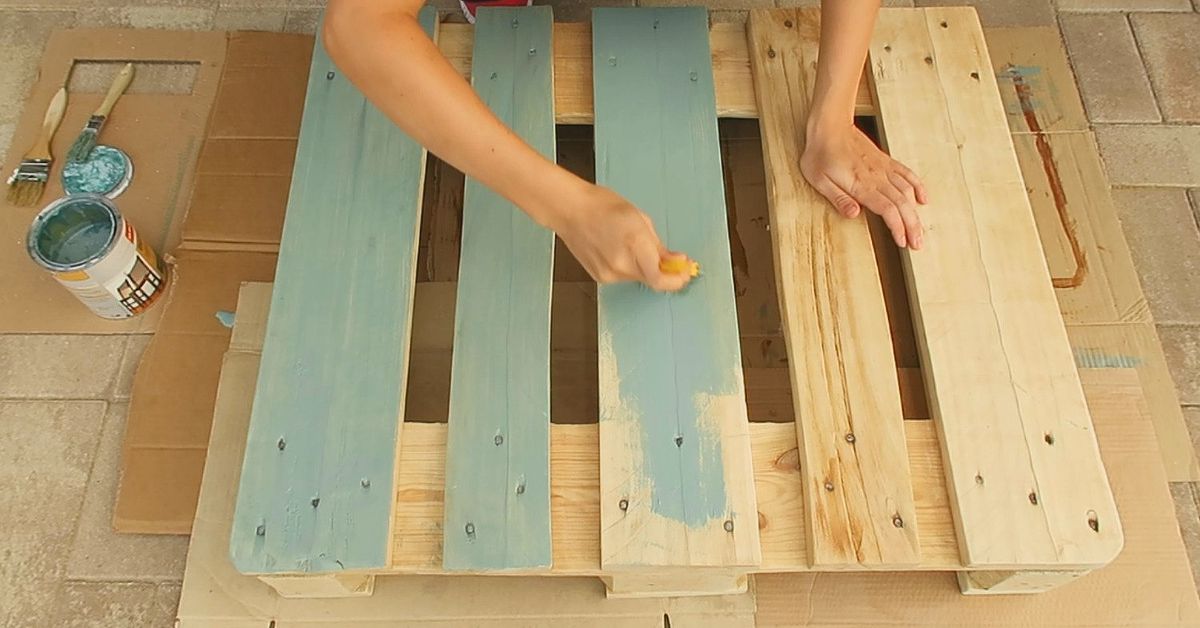
There is something wildly satisfying about turning a beat-up shipping pallet into a coffee table that looks like it once belonged in an old factory loft, a cozy farmhouse, or the home of someone who definitely owns a leather-bound book collection. A vintage style coffee table from pallet wood has that magic mix DIY fans love: it is affordable, full of character, and just rough around the edges in a charming way instead of a “this table may give me a splinter and a life lesson” kind of way.
If you are publishing this project with a video, even better. A build like this is made for video because viewers love seeing ordinary wood transform from grimy and awkward into stylish and useful. The visual journey matters almost as much as the final result. One minute it is a pallet. The next minute it is a conversation piece holding coffee mugs, remote controls, art books, and at least one candle no one is actually allowed to light.
This guide walks through how to plan, build, and finish a pallet coffee table with a vintage look that feels intentional rather than accidental. We will cover choosing the right pallet, shaping the design, creating an aged finish, and avoiding the common mistakes that turn “rustic” into “why is this wobbling like a shopping cart?” Along the way, we will also look at practical styling ideas, smart dimension tips, and the real experience of making one of these tables from scratch.
Why a Vintage Style Coffee Table From Pallet Wood Works So Well
Pallet wood furniture has stayed popular for a reason. It delivers texture, history, and that worn-in, lived-with feeling that mass-produced furniture often tries very hard to fake. When you build a vintage coffee table from pallet boards, you get natural imperfections like knots, grain variation, nail marks, and color changes that help the piece feel authentic.
That vintage look also pairs well with a lot of decorating styles. In an industrial room, the table can lean into metal hardware, dark stain, and casters. In a farmhouse space, it can go lighter with a weathered finish and soft distressing. In a modern room, the rough wood can add much-needed warmth so the space does not feel like a showroom where nobody is allowed to sit down.
Another major advantage is budget. A pallet project can cost significantly less than buying a solid wood coffee table, especially if you already have basic tools. Even when you add stain, screws, sandpaper, and a protective finish, the total is often still friendlier than retail furniture prices. Your wallet gets a break, and your living room gets personality. Everybody wins.
Start Smart: Not Every Pallet Deserves a Second Life
Before you start dreaming about distressed finishes and vintage hardware, pause for one very important reality check: not every pallet is suitable for indoor furniture. Some pallets are safe for reuse, and some are better left living their best life somewhere far away from your sofa.
What to Look For
Choose a pallet that is dry, solid, and relatively clean. Look for boards without major cracks, rot, mold, or suspicious stains. If the pallet smells like chemicals, oil, or regret, move on. Indoor furniture should begin with wood that looks and feels trustworthy.
You should also check the pallet markings. For a coffee table that will live inside your home, heat-treated wood is generally the safer choice than anything chemically fumigated. Clean markings, good structural condition, and dry boards are your friends here. Random mystery pallets from questionable corners of the world are not your friends.
What to Avoid
Avoid pallets with obvious spills, strong odors, visible mold, or painted surfaces you cannot identify. If the wood looks contaminated, it is not “character.” It is a warning label in disguise. Also skip pallets that are heavily split or warped unless you are only salvaging a few usable boards from them.
In short, be picky. Vintage style should come from design choices and natural aging, not from hazardous grime and structural chaos.
Designing the Table Before You Cut Anything
A good pallet coffee table starts with proportion. A lot of DIY builds go wrong because the maker gets excited and starts cutting first, then measuring second, then wondering why the table looks like it belongs in a dollhouse or a warehouse.
As a rule of thumb, a coffee table should usually sit around the same height as your sofa seat or slightly lower. For many living rooms, that lands in the neighborhood of standard coffee table height. Length matters too. A table that is roughly two-thirds the length of the sofa often feels balanced, and leaving enough walking room around it keeps the layout comfortable.
For a typical rectangular build, a size around 40 to 48 inches long and 20 to 24 inches wide works well in many spaces. If your room is smaller, keep the footprint tighter. If you want more presence, add a lower shelf for storage instead of just making the top oversized. Bigger is not always better. Sometimes bigger is just a shin bruise waiting to happen.
Popular Vintage-Inspired Styles
You have several strong design directions to choose from:
Factory cart look: Thick wood top, dark stain, black hardware, and metal casters.
Farmhouse vintage: Soft brown or weathered gray finish with chunky legs and a lower shelf.
Mixed rustic-industrial: Reclaimed top with simple square frame and matte metal accents.
Painted antique style: Muted paint with distressed edges revealing wood underneath.
The best option depends on your room, but the key is consistency. Decide on the vibe before you build so every choice, from leg style to stain color, supports the same story.
Tools and Materials You Will Probably Need
The exact list depends on your design, but most pallet coffee table projects use some version of the following:
Pallet wood, pry bar or reciprocating saw for disassembly, drill, screws, wood glue, sander or sanding block, sandpaper in several grits, measuring tape, clamps, stain or paint, clear protective finish, and optional casters or metal brackets.
If your table will hold drinks, books, trays, or the occasional pair of feet someone swears they will remove in “just a second,” do not skip the protective finish. Vintage style is great. A ring of permanent water damage that looks like a ghost mug visited your living room is less great.
How to Build a Vintage Style Coffee Table From Pallet Wood
1. Break Down the Pallet Carefully
This is the least glamorous part of the project and the one that tests your patience. Remove boards as cleanly as possible. If prying them off starts splitting everything in sight, cutting nails with a reciprocating saw can save the wood and your mood. The goal is to preserve usable boards, not win a wrestling match against shipping lumber.
2. Clean and Dry the Boards
Brush off debris, scrub dirt if necessary, and let the wood dry fully before assembly. Moisture trapped inside pallet boards can lead to warping later, and nothing ruins a vintage coffee table faster than realizing it now has the geometry of a potato chip.
3. Plan the Tabletop Layout
Lay the boards side by side and arrange them by color and grain. This is where the project starts looking real. Mix lighter and darker pieces, vary the widths if you want a more reclaimed appearance, and keep the best-looking boards for the most visible positions. Tiny layout changes make a huge visual difference.
4. Build the Tabletop
Attach support boards underneath or build a frame that holds the top together securely. Wood glue helps, but mechanical fastening matters too. If gaps between boards are part of your look, keep them even. If you want a smoother tabletop, add filler strips or plane the edges more precisely before fastening.
5. Build the Base
You can keep this simple with a box frame, add four legs, or use another pallet section as the base. For a more finished vintage look, a rectangular apron with sturdy legs tends to feel more furniture-like and less “I stacked things and hoped for the best.” Make sure the base is square, level, and solid before attaching the top.
6. Add a Lower Shelf or Casters
A shelf gives the table more presence and makes it more useful for baskets, books, or folded throws. Casters create a factory-cart vibe and make the table easy to move, especially in flexible living spaces. If you add wheels, choose sturdy ones and make sure the table still feels stable rather than overly tall.
7. Sand Until It Feels Intentional
This is where raw pallet wood stops feeling like salvage and starts feeling like furniture. Begin with a coarser grit if the boards are especially rough, then work your way up through smoother grits. Sand enough to remove splinters, sharp corners, and surface grime, but do not erase every sign of the wood’s past life. Vintage style needs some texture.
Pay extra attention to the tabletop because that is the surface people touch the most. You want character, not punishment. There is a meaningful difference.
8. Create the Vintage Finish
This is the fun part. For a classic vintage look, use stain to deepen the grain, then lightly distress the edges after drying. Dark walnut, weathered oak, and layered brown-gray tones all work beautifully. If you prefer painted vintage furniture, apply a muted paint color, let it cure, then sand lightly at corners and edges so the wood peeks through.
Another good trick is contrast. A dark base with a slightly lighter top feels old-world and collected over time. Wax, glaze, or a matte protective coat can soften the finish and keep it from looking too shiny. Vintage pieces rarely scream for attention. They raise an eyebrow and let the grain do the talking.
9. Seal the Surface
Once the stain or paint is dry, apply a clear finish suited to indoor furniture. Matte or satin sheens are usually best for a vintage appearance. They protect the wood without making it look like it has been dipped in candy coating. Light sanding between coats can help improve smoothness and adhesion.
How to Make the Table Look Vintage Instead of Just Old
This is the line every good DIY project has to walk. Old wood is not automatically stylish. To create a true vintage aesthetic, the finish and form need to feel deliberate.
Start with shape. Chunkier silhouettes, visible hardware, and simple lines tend to feel more timeless than overly ornate details. Then focus on finish. Vintage-inspired color palettes include tobacco brown, medium walnut, driftwood gray, blackened wood, soft whitewash, and muted painted tones like sage, charcoal, or dusty blue.
Texture also matters. Keep a few saw marks or knots visible, round over the sharpest edges, and avoid making every surface perfectly uniform. Real vintage furniture usually shows wear in natural places: corners, edges, and high-touch areas. That means distressing should be subtle and believable. If every inch is aggressively sanded, the table stops looking antique and starts looking like it lost a fight with a belt sander.
Common Mistakes That Can Ruin the Project
Choosing Unsafe or Low-Quality Pallets
The cheapest wood is not a bargain if it is dirty, unstable, or questionable for indoor use. Select better material from the start and you will save time later.
Skipping the Dry Fit
Always assemble the parts loosely before permanent fastening. This helps you catch spacing, wobble, and proportion issues before they become personality traits.
Underestimating Sanding
Rustic does not mean rough. If the surface snags a sweater, it is not done.
Using Too Much Finish
A vintage table should look rich and protected, not glossy enough to reflect your ceiling fan like a mirror ball.
Forgetting Everyday Function
Make sure the table fits your room and your habits. If you need storage, add a shelf. If you frequently move furniture, use casters. If you live with kids, pets, or enthusiastic snackers, choose a finish that can handle real life.
Styling Ideas for a Finished Pallet Coffee Table
Once the build is complete, styling helps the table settle into the room. A vintage coffee table looks best when it is not overcrowded. Try a simple tray, a stack of art or design books, a candle, and one organic element like greenery or dried stems. That is enough to make it look thoughtful without making guests nervous about touching anything.
If your table includes a lower shelf, use it well. Woven baskets, folded throws, or a few larger books can add texture and keep clutter under control. Pallet furniture naturally has visual weight, so balance it with accessories that are useful and restrained.
Is a Pallet Coffee Table Actually Worth Building?
Yes, if you value character, customization, and a hands-on project that leaves you with something genuinely useful. A vintage style coffee table from pallet wood is one of those rare DIY builds that can look high-end without demanding a high-end budget. It also allows you to tailor the size, finish, and details to your exact room.
The trade-off is time. Pallet projects are cheap in money, but they can be expensive in effort. Disassembly, cleaning, sanding, and finishing take patience. Still, that effort is part of the appeal. You are not just buying furniture. You are creating a piece with a story.
Experience: What Building This Kind of Table Feels Like in Real Life
One of the most interesting things about making a vintage style coffee table from pallet wood is that the experience rarely goes the way you expect. At the beginning, it feels simple. You look at a pallet and think, “This will be quick.” That is an adorable thought. Then the nails fight back, one board splits, sawdust gets absolutely everywhere, and you realize that upcycling has a strong relationship with humility.
But that is also what makes the project memorable. Unlike buying a coffee table from a store, building one from pallet wood creates a connection to the finished piece. You remember which board almost got tossed out but became the best-looking plank on the top. You remember the moment stain hit the sanded wood and suddenly all that rough grain came alive. You remember stepping back after attaching the legs or casters and realizing, with mild shock, that it actually looked like real furniture.
There is also a strange satisfaction in the imperfections. A tiny knot, a slightly darker board, a softened edge that shows more wear than the others; these details become the reason the table feels charming instead of generic. In a world full of flat-pack sameness, a handmade pallet coffee table has quirks. And oddly enough, those quirks are what make people notice it.
The vintage finish stage tends to be the emotional turning point. Before that, the project still feels like construction. After that, it starts feeling like style. Once the wood is stained, distressed, and sealed, the whole table becomes warmer, richer, and more intentional. It stops being “something made from a pallet” and starts being “that cool coffee table.” That is a huge psychological upgrade.
Another real-life bonus is how customizable the project feels. Some makers prefer a darker, moodier industrial look with black hardware and aged wheels. Others want a softer farmhouse table with a weathered finish and shelf storage. The same basic pallet concept can go in several design directions, which means the project can reflect the room instead of forcing the room to adapt to the furniture.
Of course, the project also teaches practical lessons. You learn that sanding matters more than you thought. You learn that measurements on paper can feel wildly different once the table is sitting in front of a sofa. You learn that “rustic” should never be used to excuse a wobble. And you definitely learn that a proper topcoat is worth every minute because people will absolutely put drinks on your new masterpiece no matter how lovingly you stare at it.
By the time the project is done, the table tends to carry more value than its materials suggest. It is not just wood and screws. It is effort, trial and error, and a little creative stubbornness. It becomes the piece people ask about. And when they do, you get to say the magic sentence every DIYer enjoys: “It used to be a pallet.”
Final Thoughts
A vintage style coffee table from pallet wood is a smart DIY project because it blends affordability, function, and personality in one build. With the right pallet, thoughtful sizing, careful sanding, and a finish that leans into warmth and age, you can create a piece that looks far more expensive than it is.
If you are pairing the article with a video, lean into the transformation. Show the rough pallet at the start, the layout process, the sanding, the stain reveal, and the finished table styled in a real room. That visual contrast is what sells the idea. It proves that good design does not always start in a showroom. Sometimes it starts in a stack of old boards that just needed someone to see the potential.













