
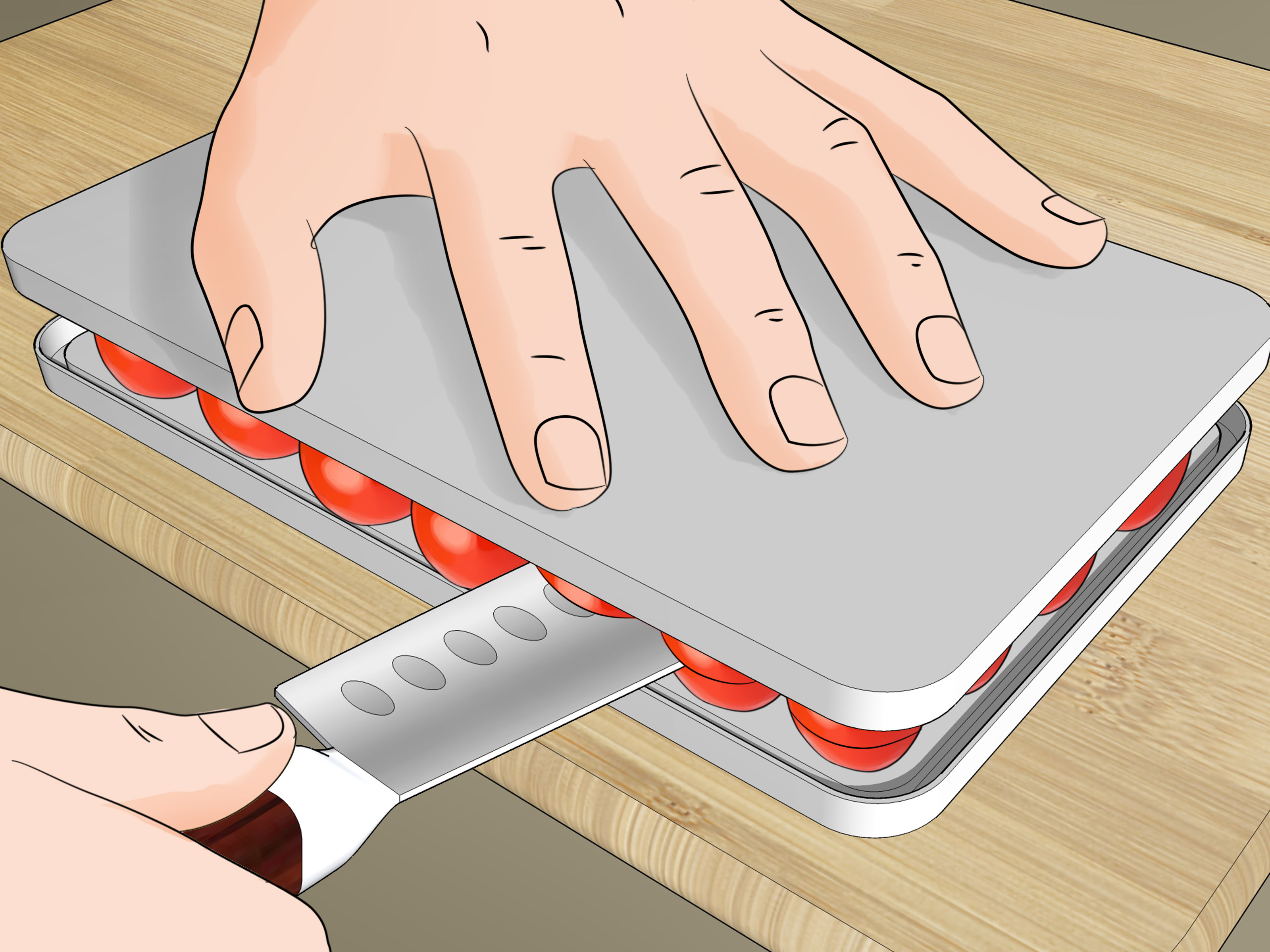
Tomatoes are the drama queens of the produce aisle. They look simple, cheerful, and harmless, but the moment you try to cut one with the wrong technique, they collapse into a juicy puddle and make your cutting board look like a tiny marinara crime scene. The good news? Learning how to cut tomatoes properly is easy once you match the cutting style to the recipe.
Whether you are building a BLT, making pico de gallo, tossing a summer salad, or prepping cherry tomatoes for pasta, the right tomato cut can improve texture, flavor, presentation, and even how evenly your dish cooks. A thick tomato slice belongs on a sandwich. Small dice belong in salsa. Wedges shine in salads. Halved cherry tomatoes are perfect when you want quick bursts of sweetness without tomato juice running across the plate like it has somewhere urgent to be.
This guide covers four practical ways to cut tomatoes: slices, wedges, dice, and halves. Along the way, you will learn how to choose ripe tomatoes, reduce mess, keep food safety in mind, and avoid turning a beautiful tomato into accidental soup.
Before You Start: Choose the Right Tomato
A clean cut begins before the tomato ever reaches the cutting board. For fresh slicing, look for tomatoes that feel heavy for their size, smell slightly sweet near the stem end, and have smooth skin without deep bruises, mold, or soft spots. Ripe tomatoes should feel firm but not rock-hard. If they feel like water balloons wearing red jackets, they may be overripe and better suited for sauce.
Different tomatoes behave differently. Beefsteak tomatoes are large, juicy, and excellent for sandwiches. Roma tomatoes are meatier, with fewer seeds, making them great for dicing. Cherry and grape tomatoes are small, sweet, and easy to halve for salads, pasta, and sheet-pan recipes. Heirloom tomatoes bring color and flavor, but because many are delicate, they need gentle handling.
Food Safety Comes First
Before preparing tomatoes, rinse them under plain running water and gently rub the surface with clean hands. Do not use soap, detergent, or produce wash. Tomatoes are porous enough that harsh cleaning products are not meant for food preparation. Dry the tomatoes with a clean towel so they do not slip around while being prepared.
Use a clean cutting board and clean utensils. Keep tomatoes away from surfaces that have touched raw meat, poultry, or seafood. Once tomatoes are cut, refrigerate leftovers in a covered container within two hours. A whole tomato can sit proudly on the counter like it owns the kitchen, but a cut tomato needs the refrigerator.
Essential Prep Tips for Cleaner Tomato Cuts
Tomatoes have thin skin, soft flesh, and juicy seed pockets, which means they require a gentle approach. A sharp kitchen tool helps create clean edges instead of crushing the fruit. If you are young, new to cooking, or not comfortable handling sharp tools, ask a responsible adult for help. Kitchen confidence is great; tomato-related chaos is optional.
Place the tomato on a stable cutting board. If the board slides, put a damp towel underneath it. Remove the stem if it is still attached. For larger tomatoes, you may also remove the small tough core near the stem end, especially when making slices, wedges, or dice.
Way 1: Tomato Slices
Tomato slices are the classic choice for sandwiches, burgers, Caprese salad, toast, and layered platters. A good tomato slice should hold together, show off the seed pattern, and be thick enough to taste like tomato instead of a red suggestion.
Best Uses for Tomato Slices
Use tomato slices when the tomato is meant to be a visible layer. Think turkey clubs, grilled cheese upgrades, avocado toast, mozzarella stacks, burgers, and picnic sandwiches. Slices are also ideal when you want the tomato to deliver juicy flavor in every bite without disappearing into the dish.
How to Make Better Tomato Slices
For round slices, cut across the tomato horizontally. This creates attractive circles and keeps the seed chambers evenly distributed. For sandwiches, aim for medium-thick slices. Thin slices can become watery and fragile, while overly thick slices may slide out of the sandwich at the first bite, which is how lunch becomes a floor event.
If the tomato is extremely juicy, place slices on a paper towel for a minute before using them. You can also lightly season them with salt just before serving. Salt wakes up tomato flavor, but if added too early, it pulls out moisture and can make bread soggy.
Way 2: Tomato Wedges
Tomato wedges are the friendly, low-fuss cut for salads, roasted vegetables, tacos, grain bowls, and side dishes. They keep more structure than dice and feel heartier than slices. Wedges are also great for tomatoes that are ripe but not perfectly shaped.
Best Uses for Tomato Wedges
Use wedges in garden salads, cucumber-tomato salads, Mediterranean bowls, tomato-onion plates, roasted tomato dishes, and casual platters. Wedges hold onto dressing well because their cut sides absorb flavor while the skin side helps them stay intact.
How to Make Better Tomato Wedges
Start by removing the stem area if needed. Cut the tomato in half from top to bottom, then place each half cut-side down for stability. Divide each half into even wedge-shaped pieces. Smaller tomatoes may need only four wedges total, while larger tomatoes may need six or eight.
The secret to attractive wedges is consistency. Try to keep the pieces similar in size so they look neat and eat the same way. Uneven wedges are not a disaster, of course. They still taste like tomatoes, and tomatoes are famously forgiving unless you put them in the refrigerator for a week and forget they exist.
Way 3: Diced Tomatoes
Diced tomatoes are small, even pieces used in salsa, bruschetta, omelets, tacos, pasta salads, soups, and fresh toppings. This is the cut that makes tomatoes blend naturally into a dish instead of sitting on top like a guest who arrived early and refuses to mingle.
Best Uses for Diced Tomatoes
Use diced tomatoes when you want tomato flavor spread throughout the recipe. Pico de gallo, guacamole, chopped salads, rice bowls, scrambled eggs, and fresh pasta toppings all benefit from diced tomatoes. Roma tomatoes are especially useful because they have firm flesh and less watery seed gel.
How to Make Better Tomato Dice
For a cleaner dice, choose firm tomatoes. Very soft tomatoes are better for sauces, soups, or roasting. Remove the stem area, then cut the tomato into slices or planks. Stack or arrange the pieces carefully, cut them into strips, and then cut across the strips to form cubes.
If you are making salsa, bruschetta, or a topping where excess liquid matters, remove some of the seed gel before dicing. You do not need to scrape the tomato completely dry; the goal is simply to reduce watery puddles. A little juice is flavor. Too much juice turns your appetizer into tomato cereal.
Way 4: Halved Tomatoes
Halving is the best method for cherry tomatoes, grape tomatoes, and small cocktail tomatoes. It is quick, practical, and perfect for recipes where small tomatoes need to release just enough juice without falling apart.
Best Uses for Halved Tomatoes
Halved tomatoes work beautifully in pasta salad, green salad, roasted vegetable trays, skewers, breakfast bowls, sheet-pan dinners, and quick sauces. When roasted, halved cherry tomatoes soften, caramelize slightly, and create a sweet-tart flavor that tastes like summer did some meal prep.
How to Make Better Tomato Halves
Cut small tomatoes lengthwise for a pretty oval shape or crosswise for rounder pieces. For salads, lengthwise halves usually look cleaner and hold together better. For roasting or quick sauces, either direction works.
Because cherry tomatoes roll around easily, keep them steady and work in small batches. If you are preparing many, arrange them carefully and focus on control rather than speed. The fastest method is not always the best method, especially when tiny tomatoes are trying to escape like they have a group chat.
How to Match Tomato Cuts to Recipes
Choosing the right cut is not about being fancy. It is about making the tomato behave in the dish. Slices give structure. Wedges give bite. Dice distribute flavor. Halves keep small tomatoes attractive and juicy.
For Sandwiches and Burgers
Use medium slices from large tomatoes. Beefsteak and heirloom tomatoes are excellent choices. Pat slices dry if the bread is soft, and season lightly just before assembling.
For Salsa and Bruschetta
Use diced Roma or firm round tomatoes. Remove some seeds if the tomatoes are very juicy. A small, even dice gives every scoop a balanced mix of tomato, onion, herbs, and seasoning.
For Salads
Use wedges for large tomatoes and halves for cherry tomatoes. These shapes hold up well with dressing and make the salad look abundant instead of chopped into mystery confetti.
For Cooking and Roasting
Use wedges, chunks, or halves depending on tomato size. Smaller pieces cook faster and release more juice. Larger pieces hold their shape longer and create a more rustic texture.
Common Mistakes When Cutting Tomatoes
Using Overripe Tomatoes for Precise Cuts
Soft, overripe tomatoes are delicious, but they are not ideal for neat slices or dice. Use them for sauce, soup, stew, or roasted tomato spread instead.
Skipping the Wash
Even if tomatoes look clean, rinse them before cutting. Dirt and bacteria on the surface can transfer inside once the tomato is opened.
Cutting Too Early
Tomatoes taste best when cut close to serving time. Once sliced or diced, they release juice and lose some texture. Prep them shortly before eating whenever possible.
Ignoring the Recipe
A tomato cut should match the dish. Huge wedges in salsa are awkward. Tiny dice on a burger will stage a breakout. Let the recipe tell the tomato what job it has today.
Extra Experience: What I Learned from Cutting Tomatoes in Real Kitchens
After preparing tomatoes for countless sandwiches, salads, sauces, and last-minute “what can I make with what is in the fridge?” dinners, one lesson stands out: tomatoes reward patience. They are not difficult, but they do not like being rushed. A firm tomato can become beautiful slices in seconds, while a very ripe tomato needs a softer touch and a realistic plan. Sometimes the best decision is not to force perfect cubes from a tender tomato. Sometimes the tomato is clearly saying, “Friend, I am sauce now.”
One practical experience is that tomato texture matters more than tomato size. A large firm tomato can be easier to cut than a small overripe one. When making sandwiches, I like using tomatoes that feel ripe but still structured. The slices stay in place, the bread does not get soaked immediately, and every bite tastes fresh. For extra juicy tomatoes, resting the slices briefly on a towel makes a noticeable difference. It is a tiny step, but it can save a sandwich from becoming a soggy napkin workout.
For salsa, I have learned that removing some seed gel is worth the effort. Not all of it, because tomato juice has flavor, but enough to prevent the bowl from turning watery after ten minutes. Roma tomatoes are especially helpful here. They dice neatly, hold their shape, and mix well with onion, cilantro, lime juice, and jalapeño. The final salsa tastes brighter because the ingredients stay distinct instead of swimming around like they missed the soup audition.
For salads, wedges are underrated. Many people automatically chop tomatoes into random chunks, but wedges feel more intentional. They hold dressing nicely and give the salad a juicy bite. In a simple tomato-cucumber salad, wedges make the dish look rustic and generous. Add olive oil, vinegar, salt, pepper, and herbs, and suddenly you have something that looks like it came from a sunny patio, even if you are eating it next to your laptop.
Cherry tomatoes taught me another lesson: small ingredients can create big messes if they are not controlled. They roll, bounce, and occasionally launch themselves off the board with Olympic ambition. Working slowly in small batches is better than trying to prep them all at once. Halved cherry tomatoes are worth it because they absorb dressing better than whole ones and release just enough juice to flavor pasta, salads, or roasted dishes.
Finally, tomato cutting is one of those kitchen skills that improves with repetition. The first few times may be uneven. That is fine. Cooking is not a museum exhibit. A slightly crooked tomato wedge still tastes excellent. The real goal is to choose the right cut for the dish, keep the workspace clean, and handle the tomato gently enough to preserve its shape and flavor. Once you understand slices, wedges, dice, and halves, tomatoes become much easier to use creatively. They stop being slippery little chaos fruits and start becoming one of the most useful ingredients in the kitchen.
Conclusion
Learning the four basic ways to cut tomatoes makes everyday cooking easier, cleaner, and more delicious. Slices are best for sandwiches and layered dishes. Wedges bring structure to salads and platters. Diced tomatoes blend beautifully into salsa, bruschetta, tacos, and toppings. Halved cherry tomatoes are quick, pretty, and perfect for salads, roasting, and pasta.
The best method depends on your recipe, the tomato variety, and how ripe the tomato is. Start with clean produce, use a stable cutting surface, refrigerate leftovers promptly, and choose the cut that fits the dish. Once you master these simple tomato cuts, you will waste less juice, improve presentation, and make your meals taste fresher. Not bad for a fruit that still gets invited to vegetable parties.
Note: This article is written for general home-cooking education. Young or inexperienced cooks should get help from a responsible adult when sharp kitchen tools are involved.














