
In professional sports, talent can make an athlete rich, but reputation often makes them marketable. A championship ring, an Olympic medal, or a signature shoe can turn a star into a walking billboard. Then one bad decision, scandal, legal case, failed drug test, or tone-deaf public comment can make brands sprint for the exit faster than a wide receiver on a go route.
Athlete endorsements are not just about performance. They are about trust. Companies pay famous players because fans associate those athletes with excellence, discipline, confidence, family values, toughness, style, or comeback stories. When the public image breaks, the brand deal can break with it. Sometimes the athlete returns stronger. Sometimes the endorsement money disappears for good. Either way, the business lesson is clear: sponsors do not like surprises, especially the kind that appear on the evening news.
Below are 18 high-profile athletes who lost endorsements, along with what happened, which companies backed away, and what their cases reveal about the fragile relationship between sports fame and corporate marketing.
Why Athlete Endorsements Can Vanish Overnight
Most major endorsement contracts include a morals clause. That clause allows a company to suspend or terminate a deal if an athlete damages the brand’s image. The wording can vary, but the idea is simple: if a sponsor pays you to represent its values, it can walk away when your actions become a public relations thunderstorm.
For athletes, losing endorsements can be more painful than losing salary. A league contract pays for performance. An endorsement pays for identity. When brands leave, they are not just saying, “You made a mistake.” They are saying, “We no longer want our customers to think of you when they think of us.” That is a much colder handshake.
18 High-Profile Athletes Who Lost Endorsements
1. Tiger Woods
Tiger Woods was once the gold standard of athlete marketing. He was calm, dominant, polished, and globally recognizable. Then his 2009 personal scandal exploded into a media circus, and several sponsors reconsidered their association with him.
Accenture, AT&T, Gatorade, Gillette, and other partners either ended deals, reduced campaigns, or moved away from using him in advertising. Nike famously stayed with him, which later looked like a long-game decision after Woods rebuilt parts of his public image and won the 2019 Masters. Still, the scandal became one of the clearest examples of how quickly a carefully built sports brand can lose commercial shine.
2. Lance Armstrong
Few endorsement collapses were as dramatic as Lance Armstrong’s. For years, Armstrong was marketed as the ultimate survivor: cancer fighter, Tour de France champion, and founder of the Livestrong movement. His yellow bracelet became a cultural symbol.
When the doping evidence became overwhelming and his Tour de France titles were stripped, sponsors abandoned ship. Nike, Trek, Anheuser-Busch, Oakley, 24 Hour Fitness, and others cut ties or ended relationships. Armstrong’s case is especially powerful because his endorsement appeal was built on integrity, endurance, and inspiration. Once the doping scandal cracked that story, the sponsorship foundation crumbled with it.
3. Michael Vick
Michael Vick was one of the NFL’s most electrifying players, a quarterback with video-game speed before video games could properly handle him. But his involvement in a dogfighting operation led to legal consequences, prison time, and major commercial fallout.
Nike dropped him, and brands including Reebok and Rawlings distanced themselves from Vick-related products. His case was unusual because he later rebuilt his career and eventually returned to the NFL, even regaining some commercial opportunities. Still, the original endorsement losses showed that public outrage over animal cruelty could make brands move decisively.
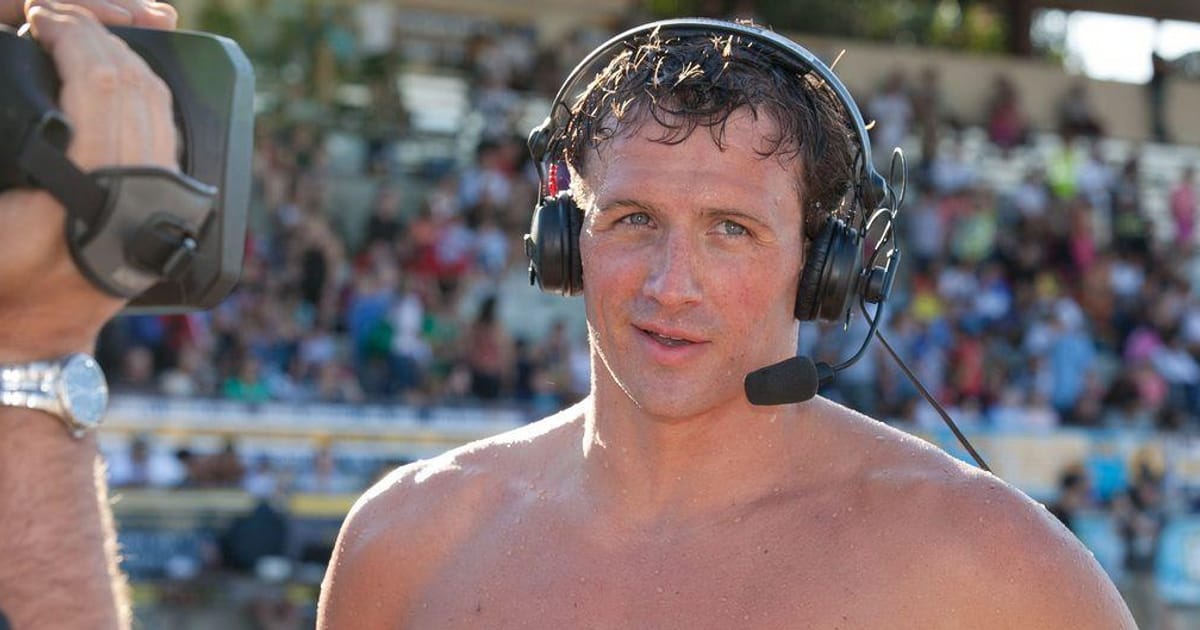
4. Ryan Lochte
Ryan Lochte was a decorated Olympic swimmer with medals, charisma, and enough confidence to fill a pool. But after the 2016 Rio Olympics, his false or exaggerated account of being robbed at gunpoint turned into a global embarrassment.
Speedo, Ralph Lauren, Airweave, and Syneron-Candela all ended or declined to renew deals with him. Lochte’s story is a classic reminder that sponsors do not only judge athletic performance. They judge judgment. A gold medal may sparkle, but a bad explanation under international media pressure can tarnish it quickly.
5. Michael Phelps
Michael Phelps is the most decorated Olympian in history, but even legends can run into endorsement trouble. In 2009, after a photo surfaced showing him with a marijuana pipe, Kellogg chose not to renew its sponsorship relationship with him.
The loss did not destroy Phelps’s career. In fact, he continued to build one of the greatest legacies in sports. But the Kellogg decision showed how family-oriented consumer brands may react differently from performance or sportswear companies. For a cereal brand sitting at breakfast tables, public image matters as much as medal count.
6. Maria Sharapova
Maria Sharapova had the rare combination every sponsor loves: Grand Slam trophies, global fame, business savvy, and a polished luxury image. That image took a major hit in 2016 when she announced she had tested positive for meldonium, a substance newly banned by anti-doping authorities.
Nike and TAG Heuer moved quickly to suspend or cut ties, while Porsche paused promotional activity. Sharapova later returned to competition, but the scandal showed how doping cases can disrupt even the most elegant athlete-brand partnerships. Luxury sponsors sell aspiration. Drug-test headlines do not exactly pair well with that packaging.
7. Manny Pacquiao
Manny Pacquiao is a boxing icon, an eight-division world champion, and a political figure in the Philippines. But in 2016, Nike terminated its relationship with him after he made derogatory comments about same-sex couples.
The Pacquiao case highlighted how modern endorsements are tied not only to athletic excellence but also to social values. Brands increasingly consider whether an athlete’s public statements align with their diversity and inclusion commitments. In this case, Nike decided the comments were incompatible with its brand position.
8. Ray Rice
Ray Rice’s NFL career and endorsement market collapsed after video surfaced showing him striking his then-fiancée in an elevator. The Baltimore Ravens released him, the NFL suspended him, and sponsors cut ties.
Nike terminated its endorsement relationship with Rice, and his image was removed from retail and gaming spaces. This case became a defining moment in the NFL’s public conversation around domestic violence. For sponsors, the video evidence made the decision swift. The lesson was painfully clear: some scandals create immediate commercial no-go zones.
9. Oscar Pistorius
Oscar Pistorius had been an inspirational figure in global sports: a double-amputee sprinter who competed at the highest level. His story attracted major sponsors, including Nike and Oakley. Then he was charged in the shooting death of Reeva Steenkamp.
Brands suspended campaigns, distanced themselves, or ended relationships as the case unfolded. Nike eventually terminated its contract. Pistorius’s fall was one of the starkest examples of how a heroic marketing narrative can become commercially unusable when attached to a criminal case.
10. Adrian Peterson
Adrian Peterson was one of the NFL’s most powerful running backs and a former league MVP. In 2014, he faced charges related to disciplining his young son with a switch. The case led to team and league consequences, along with endorsement fallout.
Nike suspended and later ended its contract with Peterson. Castrol and EpiPen also moved away from sponsorship activity. Peterson’s case landed during a period of intense scrutiny over player conduct in the NFL, and sponsors were especially sensitive to domestic violence and child abuse concerns.
11. Kyrie Irving
Kyrie Irving had one of basketball’s most successful signature shoe lines with Nike. His sneakers were popular with players and fans, and his creativity on the court made him an ideal footwear ambassador. Then controversy erupted in 2022 after he shared a link to a film widely criticized as antisemitic.
Nike first suspended the relationship and canceled the launch of the Kyrie 8. The company later ended the partnership altogether. Irving eventually signed with another footwear company, but the Nike split was a major moment in modern sports marketing because it involved not just a spokesperson, but a full signature product business.
12. Cam Newton
Cam Newton’s personality made him a marketing favorite: bold fashion, big smile, MVP talent, and a Superman celebration that looked tailor-made for commercials. But in 2017, Dannon dropped him from its Oikos yogurt campaigns after he made a sexist remark to a female reporter during a press conference.
Newton apologized, but the sponsor had already decided the comment did not align with its values. This case showed how quickly a single sentence can become a brand issue. In the social media era, “I was just joking” is not a very strong public relations umbrella.
13. Aaron Hernandez
Aaron Hernandez was a rising NFL tight end with a promising future before his arrest and legal troubles destroyed his career. Sponsors quickly began cutting ties as the investigation into the death of Odin Lloyd unfolded.
CytoSport, the maker of Muscle Milk, ended its endorsement contract with Hernandez. Puma also ended its relationship with him. Hernandez’s case was extreme, and sponsors had little incentive to wait once the legal situation became a national story.
14. Jon Jones
Jon Jones is one of the most talented fighters in mixed martial arts history, but his career has been repeatedly complicated by controversy. In 2014, after an on-stage brawl with Daniel Cormier during a promotional event, Jones said he lost his Nike endorsement.
The case was unusual because later reporting and Jones’s own comments created some confusion over whether the brawl alone ended the deal or whether the split was more complicated. Either way, Jones’s Nike relationship ended during a turbulent period. For sponsors, combat sports already carry intensity; extra chaos outside the cage is not always a bonus feature.
15. Kobe Bryant
Kobe Bryant was already an NBA superstar when he faced a sexual assault allegation in 2003. The criminal case was later dismissed, and Bryant settled a related civil case, but the controversy affected his endorsement portfolio at the time.
McDonald’s did not renew its deal, and Nutella also moved away from its relationship with him. Bryant later rebuilt his endorsement power, especially through Nike, and became one of basketball’s most influential signature-shoe athletes. His case shows that endorsement losses do not always end a career, but they can create a long and difficult reputational rebuild.
16. Antonio Brown
Antonio Brown was one of the NFL’s best wide receivers, but his off-field controversies eventually overwhelmed his commercial appeal. In 2019, amid sexual misconduct allegations and other public drama, Nike confirmed he was no longer a Nike athlete.
Brown also lost a helmet endorsement deal around the same period. His case demonstrates another risk for sponsors: unpredictability. Brands want attention, but not the kind that forces executives to refresh their crisis-response inbox before coffee.
17. Deshaun Watson
Deshaun Watson was one of the NFL’s most talented young quarterbacks when multiple civil lawsuits accused him of sexual misconduct. Watson denied wrongdoing, and the legal situation evolved over time, including settlements and no criminal charges from grand juries. Still, the allegations created immediate endorsement consequences.
Nike suspended its sponsorship, Beats by Dre ended its relationship, and other local commercial partners backed away. Watson’s case shows that sponsors may act before a final legal outcome when the reputational risk becomes too large.
18. Rashard Mendenhall
Rashard Mendenhall was a productive NFL running back for the Pittsburgh Steelers, but in 2011, his tweets about Osama bin Laden’s death and the September 11 attacks sparked backlash. Champion ended a recently signed endorsement deal with him.
Mendenhall later sued over the termination, arguing breach of contract. The case is a useful early example of how social media changed endorsement risk. Before athletes had direct publishing tools in their pockets, controversial thoughts had to pass through reporters or interviews. Now one post can reach millions before a sponsor has finished reading it.
Common Reasons Athletes Lose Sponsorship Deals
Legal Trouble
Legal cases create immediate uncertainty for sponsors. Even when an athlete denies wrongdoing or a case has not concluded, brands may suspend campaigns to avoid appearing indifferent to serious allegations. Deshaun Watson, Aaron Hernandez, Michael Vick, and Oscar Pistorius all demonstrate how legal issues can push companies to protect themselves quickly.
Doping and Performance-Enhancing Drugs
Doping scandals are particularly damaging because they challenge the fairness of the athlete’s success. Lance Armstrong and Maria Sharapova both lost commercial support after drug-related controversies. In these cases, the issue is not just the rule violation. It is the possibility that the athlete’s entire brand story was built on an uneven playing field.
Domestic Violence and Abuse Cases
Brands are increasingly unwilling to stay quiet in cases involving domestic violence, child abuse, or harmful behavior toward partners and family members. Ray Rice and Adrian Peterson became major examples of how sponsors respond when public concern is intense and the reputational cost of inaction is high.
Offensive Public Comments
Not every endorsement loss begins with a courtroom or a failed test. Sometimes it begins with a microphone, a tweet, or a careless remark. Manny Pacquiao, Cam Newton, Kyrie Irving, and Rashard Mendenhall all faced sponsorship consequences tied to public statements or shared content. In today’s marketing climate, values are part of the contract whether they are printed in bold or not.
Experience-Based Lessons From These Endorsement Fallout Stories
From a publishing, branding, and sports-marketing perspective, these stories offer more than celebrity drama. They reveal how reputation behaves like a second scoreboard. The first scoreboard tracks points, goals, knockouts, medals, and titles. The second tracks trust. Athletes can dominate the first and still lose badly on the second.
The first experience-based lesson is that endorsement value is emotional. Fans do not buy a sneaker only because the cushioning technology sounds impressive. They buy it because the athlete wearing it represents something: swagger, discipline, toughness, creativity, elegance, resilience, or coolness. When a scandal damages that emotional association, the product can suddenly feel awkward. Nobody wants a breakfast cereal box, yogurt campaign, or family car commercial to become a punchline.
The second lesson is that timing matters. Sponsors rarely enjoy waiting around while a controversy expands. In earlier decades, brands sometimes had more time to assess public opinion. Today, backlash builds in hours. A company that stays silent may be accused of supporting the behavior. A company that acts too quickly may be accused of abandoning due process. That is why many sponsors start with “suspension” language. It gives them room to pause the relationship while watching legal, social, and media developments.
The third lesson is that recovery is possible, but uneven. Michael Vick returned to the NFL and later regained some endorsement opportunities. Tiger Woods rebuilt a meaningful portion of his commercial image. Kobe Bryant became a major Nike icon after earlier sponsor losses. But not every athlete gets a second marketing chapter. The difference often depends on accountability, time, legal outcomes, public apology, consistent behavior, and whether the athlete still performs at an elite level. Winning does not erase everything, but losing certainly does not help.
The fourth lesson is that modern athletes are media companies. Their social feeds, interviews, podcasts, livestreams, and press conferences are all brand channels. That creates opportunity, but it also creates risk. A careless comment that once might have disappeared after a locker-room conversation can now become a global headline. For athletes, media training is not cosmetic. It is financial armor.
The fifth lesson is that sponsors are not charities, courts, or fan clubs. Their job is to protect the brand, employees, shareholders, and customers. That can make their decisions seem cold, especially when an athlete has not been legally convicted of anything. But endorsement deals are commercial relationships. When the athlete’s image stops helping the company sell, inspire, or connect, the contract becomes vulnerable.
Finally, these cases remind us that fame multiplies both opportunity and consequence. The same spotlight that turns a player into a multimillion-dollar spokesperson can also illuminate mistakes in brutal detail. For young athletes, the message is simple: guard your reputation as carefully as your body. Muscles heal. Bad headlines last longer. And sponsors, unlike loyal fans, may not stick around for the comeback montage.
Conclusion
The history of athletes losing endorsements is not just a list of scandals. It is a map of how sports, business, values, and public opinion intersect. Tiger Woods, Lance Armstrong, Michael Vick, Ryan Lochte, Maria Sharapova, Kyrie Irving, and many others learned that endorsement deals are built on more than talent. They are built on trust.
For fans, these stories are reminders that superstar athletes are human, complicated, and sometimes deeply flawed. For brands, they are case studies in risk management. For athletes, they are caution signs with neon lights: what you do away from the scoreboard can affect what you earn from it.
In the end, sponsorships reward more than victory. They reward credibility. And in the endorsement game, credibility can be harder to win back than a championship.














