
Note: This article is written for web publishing and is based on current manufacturer information, specialty cutlery retailers, and reputable kitchen-gear editorial sources. No source links are embedded in the article body.
Some kitchen tools arrive with fanfare: copper pans, gleaming stand mixers, espresso machines that look like they could launch a satellite. Then there is the serrated knife, quietly sitting in the drawer, waiting for the moment someone tries to cut a crusty loaf with a chef’s knife and creates what can only be described as bread confetti. The Windmuehlenmesser serrated knife, also known by its proper German name Windmühlenmesser, is the kind of tool that proves humble does not mean ordinary.
Made by Robert Herder in Solingen, Germany, Windmuehlenmesser knives have earned a loyal following among cooks who appreciate thin blades, traditional grinding, wooden handles, and a cutting feel that is more “effortless glide” than “sawing through a tree branch.” Whether you are slicing sourdough, tomatoes, rolls, peaches, cake layers, or that dangerously crusty baguette that looks innocent until it fights back, a good serrated knife can make the job cleaner, safer, and much more enjoyable.
What Is a Windmuehlenmesser Serrated Knife?
A Windmuehlenmesser serrated knife is a toothed-edge kitchen knife made for foods that are firm on the outside and soft on the inside. Think bread with a crackly crust, ripe tomatoes with delicate flesh, citrus fruit, sandwiches, pastries, and soft rolls. The serrations grip the surface first, then move through the interior without crushing it.
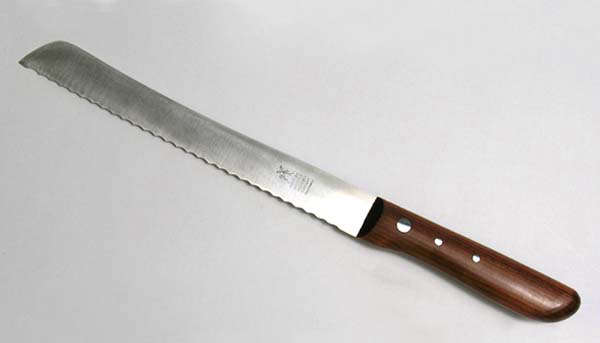
Windmuehlenmesser offers several serrated models, including bread knives, small serrated utility knives, tomato knives, table knives, and specialty designs. The best-known version for many home cooks is the Windmuehlenmesser bread knife, often seen with a stainless steel blade and a cherry, beech, walnut, or plum wood handle. Some models are short and nimble, while others are longer and better suited to large loaves.
The brand’s personality is not about flashy marketing. It is about old-school craftsmanship: thin blades, careful hand finishing, classic Solingen grinding techniques, and handles that feel warm and natural rather than plastic and anonymous. In a kitchen drawer full of loud personalities, this knife is the quiet professional wearing sensible shoes.
Why Solingen Matters
Solingen is one of the world’s most respected cutlery centers, often associated with knives, scissors, blades, and metalworking traditions. Windmuehlenmesser’s connection to Solingen is central to its identity. Robert Herder’s history reaches deep into German knife-making culture, and the company is known for preserving traditional techniques that many mass-production brands have left behind.
The Windmuehlenmesser name means “windmill knife,” and the windmill logo is more than decoration. It represents a heritage of thin grinding, practical design, and handwork. The company’s knives are frequently praised for feeling unusually light and sharp compared with heavier, thicker modern kitchen knives. That matters because a serrated knife should not have to bully bread into submission. It should guide itself through the crust and crumb with control.
Design Features That Make It Special
Thin Blade Geometry
One of the biggest differences between a Windmuehlenmesser serrated knife and a basic grocery-store bread knife is blade geometry. Many inexpensive serrated knives are thick, stiff, and aggressive. They may cut, but they often tear soft bread, shred tomatoes, and leave a trail of crumbs that looks like a tiny bakery explosion.
Windmuehlenmesser knives are known for thin, finely ground blades. This helps reduce drag, allowing the knife to pass through food more smoothly. When the blade is thin, the serrations do not need to be wildly deep or overly aggressive. The result is a cut that feels controlled rather than chaotic.
Medium Serrations
A good serrated edge is not simply a row of sharp teeth. Tooth shape, depth, spacing, and polish all affect performance. Windmuehlenmesser bread knives often use medium-depth serrations designed to bite into crust while remaining gentle enough for tender interiors. That balance is important. Too shallow, and the knife skates across crust. Too aggressive, and it chews up sandwich bread like a raccoon with a grudge.
Wooden Handles
Windmuehlenmesser handles are part of the charm. Depending on the model, you may see cherry wood, copper beech, walnut, plum, or other wood choices. These handles are typically shaped for a comfortable grip and have a warm, traditional feel. They also remind you that this is not a dishwasher-safe throwaway tool. It is a knife you wash by hand, dry promptly, and treat with a little respect.
Stainless and Carbon Steel Options
Many Windmuehlenmesser serrated bread knives use stainless steel, which is practical for acidic foods and daily kitchen use. Stainless steel resists corrosion better than carbon steel, making it easier for busy cooks who do not want a knife-care routine that feels like adopting a second pet.
Some Windmuehlenmesser models and related knives are available in carbon steel. Carbon steel can take a very keen edge and is often loved by knife enthusiasts, but it requires more care. It can darken, develop a patina, and rust if left wet. For most people buying a serrated bread knife, stainless steel is the easier everyday choice.
Best Uses for a Windmuehlenmesser Serrated Knife
Crusty Bread
This is the headline job. A Windmuehlenmesser serrated bread knife is built to cut through sourdough, baguettes, country loaves, rye bread, and sandwich bread without smashing the crumb. The serrations grip the crust while the thin blade moves through the soft interior. Clean slices mean better toast, prettier sandwiches, and fewer crumbs hiding in the cutting board groove for future archaeologists.
Tomatoes and Soft Fruits
A sharp chef’s knife can slice tomatoes beautifully, but once it dulls even slightly, tomato skin becomes a tiny red trampoline. A serrated knife solves that problem by gripping the skin first. Windmuehlenmesser’s smaller serrated utility knives are especially useful for tomatoes, peaches, plums, citrus, and other foods with delicate interiors.
Pastries, Cakes, and Rolls
Serrated knives are excellent for foods that crumble, compress, or tear under pressure. A light touch with a Windmuehlenmesser serrated knife can help slice cakes, cinnamon rolls, brioche, croissants, and delicate pastries without flattening them. The trick is to let the teeth work rather than pushing down hard.
Sandwiches
A tall deli sandwich can become a structural engineering project. A serrated knife helps cut through bread, lettuce, tomatoes, cheese, and fillings in a controlled motion. Instead of squeezing the sandwich until everything exits the back like a condiment landslide, use long, gentle strokes.
How It Compares With Regular Bread Knives
The average bread knife is designed to do one job well enough: cut bread. The Windmuehlenmesser serrated knife aims for a more refined experience. It is usually lighter, thinner, and more precise than many bulky serrated knives. That makes it especially appealing to cooks who value control.
However, it may not be the best choice for every kitchen. If you regularly cut huge, dense, extra-crusty loaves, you may prefer a longer blade, around 9 to 10 inches. If you mostly slice rolls, tomatoes, fruit, and smaller loaves, a shorter Windmuehlenmesser model can feel more agile. The right choice depends on your cooking habits, not just the prettiest handle.
Buying Tips: Which Windmuehlenmesser Serrated Knife Should You Choose?
Choose an 8- to 10-Inch Bread Knife for Everyday Bread
For most home kitchens, an 8.5-inch Windmuehlenmesser bread knife is a practical sweet spot. It is long enough for sandwich loaves and many sourdough boules, but not so long that it feels clumsy. If you bake or buy large country loaves, consider a longer version.
Choose a Small Serrated Utility Knife for Tomatoes and Fruit
If your main goal is slicing tomatoes, citrus, peaches, or small rolls, a compact serrated utility knife may be more useful than a full bread knife. It gives you control in tight spaces and feels less dramatic when you are simply cutting a tomato for lunch. Not every tomato needs a sword.
Look at Handle Material
Cherry and beech handles offer a classic look. Walnut and plum can feel more premium. Wood choice is partly personal taste, but handle comfort matters. If possible, choose a knife that feels balanced in your hand. A beautiful knife that feels awkward will eventually become drawer decoration.
Think About Maintenance
Wood-handled knives should be hand washed and dried right away. Avoid the dishwasher. Heat, detergent, moisture, and rattling against other utensils can damage the handle and dull the edge. A Windmuehlenmesser serrated knife is not high-maintenance, but it does expect basic manners.
How to Use a Windmuehlenmesser Serrated Knife Correctly
The biggest mistake people make with serrated knives is pressing too hard. A good serrated knife is designed to cut with motion, not brute force. Use long, even strokes and let the teeth grip the surface. Keep your non-cutting hand safely positioned and avoid forcing the blade through the food.
For bread, start with the tip or front third of the blade and establish a shallow groove. Then continue with smooth back-and-forth strokes. For tomatoes, use minimal pressure and let the serrations open the skin. For cakes, wipe the blade between slices if frosting begins to build up.
Care and Sharpening
To keep a Windmuehlenmesser serrated knife performing well, wash it by hand with mild soap, dry it immediately, and store it safely. A blade guard, knife roll, magnetic strip, or dedicated drawer insert can protect the edge from banging into other utensils.
Use wood or soft synthetic cutting boards. Avoid glass, stone, ceramic plates, and hard bamboo boards. Hard surfaces can shorten edge life and make the serrations less effective. Also avoid twisting the blade while cutting; serrated edges are strong, but they are not crowbars wearing tiny teeth.
Serrated knives do not need sharpening as often as straight-edge knives, but they can be sharpened. The process is more specialized because each serration must be addressed carefully, often with a round file or professional sharpening service. For many home cooks, professional sharpening is the safest route, especially with a quality knife worth preserving.
Who Should Buy a Windmuehlenmesser Serrated Knife?
This knife is ideal for home cooks, bakers, sandwich lovers, design-minded kitchen owners, and anyone who appreciates traditional craftsmanship. It is especially appealing if you want a serrated knife that feels light, sharp, and elegant instead of heavy and industrial.
It may not be the best fit if you want a fully dishwasher-safe, low-cost knife you can ignore for ten years. It is also not the tool for bones, frozen foods, hard squash, or prying apart anything stubborn. Use it for bread, tomatoes, fruit, pastries, and gentle slicing tasks, and it will reward you with clean cuts and very few kitchen tantrums.
Common Mistakes to Avoid
Using It on the Wrong Foods
A serrated knife is not a universal knife. Do not use it on bones, frozen meat, hard cheese rinds, or dense foods that require a heavier blade. If you cannot reasonably bite through it, your serrated knife probably should not be forced through it either.
Putting It in the Dishwasher
Dishwashers are rough on knives, especially knives with wooden handles. They can dull edges, dry out wood, encourage corrosion, and cause the blade to knock against other items. Hand washing takes less than a minute. Your knife will remember your kindness.
Pressing Instead of Sawing Gently
A serrated knife works best with a light sawing motion. Pressing straight down crushes bread, bruises fruit, and makes the knife feel less sharp than it is. Smooth strokes are the secret.
Real Kitchen Experience: Living With a Windmuehlenmesser Serrated Knife
The first thing many people notice about a Windmuehlenmesser serrated knife is how light it feels. If you are used to a thick, heavy bread knife, the difference can be surprising. It does not feel flimsy; it feels quick. The handle sits naturally in the hand, and the blade starts cutting before you have time to perform the usual “please behave, bread” negotiation.
On a crusty sourdough loaf, the knife’s personality becomes clear. The teeth catch the crust without bouncing away, and the thin blade avoids wedging. Instead of crushing the loaf into an oval pancake, it travels through the bread with a quiet, controlled rhythm. You still need proper technique, especially with wide boules, but the knife makes good technique easier. Thin breakfast slices, thick soup-dipping slabs, and neat sandwich pieces all feel achievable.
Tomatoes are another satisfying test. A dull straight-edge knife can drag, tear, and squeeze juice across the cutting board. A Windmuehlenmesser serrated utility or bread knife grips the skin and opens it cleanly. The result is less pressure, fewer crushed slices, and a better-looking plate. This is especially useful in summer, when tomatoes are juicy enough to require both admiration and supervision.
For pastries, the knife rewards patience. Use light strokes and it can cut through brioche, coffee cake, and soft rolls without flattening them. It is not a magic wand; if you attack a croissant like you are chopping firewood, crumbs will happen. But with a gentle hand, the knife keeps layers more intact than many heavier serrated blades.
The wooden handle also changes the experience. It feels warmer than synthetic handles and adds a sense of tradition to daily cooking. That said, it also encourages better habits. You naturally want to wash it, dry it, and put it away properly. This small ritual makes the knife feel less like a disposable gadget and more like a kitchen companion.
Over time, the main lesson is that the Windmuehlenmesser serrated knife is not about aggression. It is about finesse. It cuts best when you stop trying to dominate the food and simply guide the blade. That sounds dramatic for a bread knife, but anyone who has destroyed a beautiful loaf five minutes before dinner understands the emotional stakes. Clean bread slices are not a luxury; they are civilization.
Conclusion
The Windmuehlenmesser serrated knife is a beautiful example of how traditional craftsmanship can make everyday kitchen work feel easier. Its thin blade, practical serrations, comfortable wooden handle, and Solingen heritage separate it from ordinary bread knives. It is not the cheapest serrated knife, nor is it meant to be abused in the dishwasher or dragged across a glass plate. But for cooks who want clean bread slices, better tomato cuts, and a tool with genuine character, it is a worthy upgrade.
If your current bread knife crushes loaves, shreds tomatoes, or feels like it belongs in a camping kit rather than a kitchen, Windmuehlenmesser deserves a serious look. It is simple, elegant, sharp, and useful in the most satisfying way: it quietly makes food look better.














