
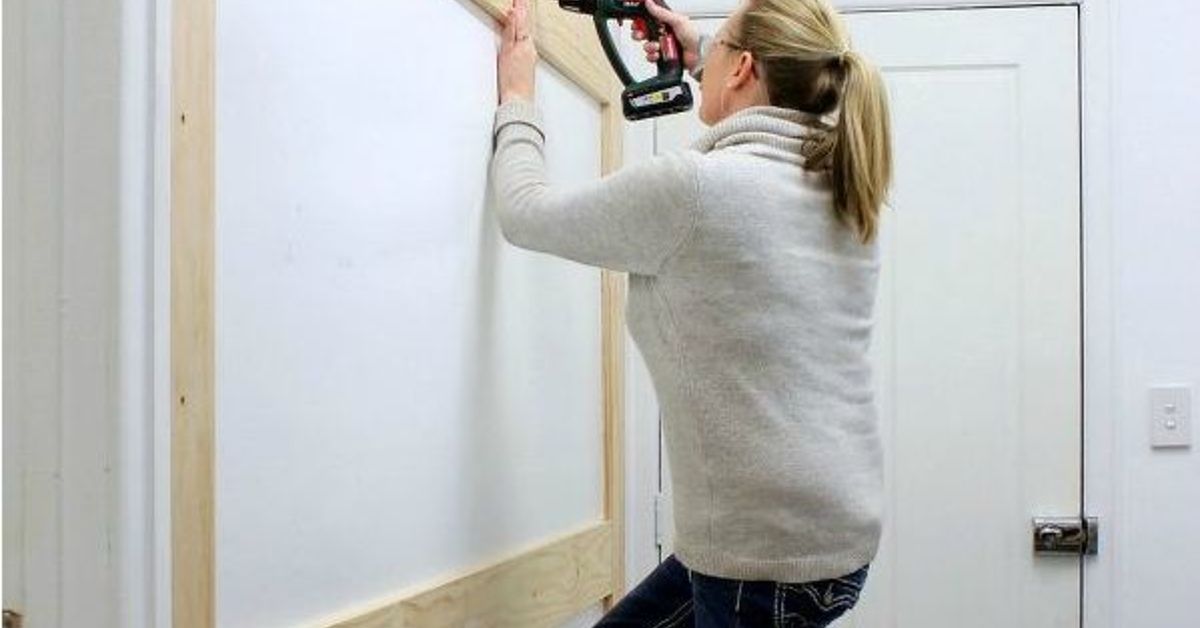
Board and batten walls have a funny way of making a room look like it suddenly hired an interior designer, learned good posture, and started drinking sparkling water from a fancy glass. One day you have a flat, forgettable wall. The next day, with a few strips of trim, paint, caulk, and determination, that same wall looks custom, architectural, and just a little smug about it.
The best part? Board and batten is one of the most approachable wall treatments for homeowners who want big visual impact without remodeling the entire room. Whether you love modern farmhouse style, coastal cottage charm, classic wainscoting, or bold contemporary accent walls, this trim treatment can adapt beautifully. It can make a narrow hallway feel intentional, give a bedroom a boutique-hotel moment, turn a mudroom into a functional drop zone, or add texture to a living room without shouting, “Look at me, I bought dramatic wallpaper at midnight.”
Below, you’ll find doable board and batten wall ideas, practical planning tips, room-by-room inspiration, and honest experience-based advice to help you create a wall that looks polishednot like a weekend project that fought back and won.
What Is a Board and Batten Wall?
A board and batten wall is a decorative wall treatment made with wider boards or wall panels and narrower trim strips called battens. Traditionally, battens covered the seams between vertical boards, especially on exterior siding. Indoors, the look has evolved into a stylish way to add depth, rhythm, and character to plain drywall.
In modern interiors, many DIY versions are “faux” board and batten. Instead of covering the whole wall with wood panels, homeowners attach MDF or wood strips directly to smooth drywall, then paint the wall and trim the same color. The result gives the impression of custom paneling without the cost, weight, or complexity of full wood cladding.
Why Board and Batten Walls Are Still So Popular
Board and batten has staying power because it solves several design problems at once. It adds texture to boring walls, creates architectural interest in builder-basic homes, and works with almost every design style. It can be rustic, refined, traditional, playful, moody, or minimalist depending on the layout and paint color.
It is also forgiving. A clean vertical batten pattern can make ceilings appear taller. A half-wall installation can protect high-traffic areas from scuffs. A full-wall grid can replace artwork behind a bed or sofa. And if you choose the right materials, it can be budget-friendly enough that your wallet does not need to lie down with a cold towel.
Brilliant Board and Batten Wall Ideas You Can Actually Do
1. The Classic Half-Wall Board and Batten
If you are new to DIY trim work, start with a classic half-wall board and batten design. This style usually runs about one-third to one-half of the way up the wall and is finished with a top rail or ledge. It works beautifully in dining rooms, powder rooms, hallways, stairways, and entryways.
Paint it crisp white for a timeless look, soft greige for warmth, or deep navy for a more dramatic traditional feel. The half-wall approach gives you character without overwhelming the room, and it leaves the upper wall free for paint, wallpaper, art, mirrors, or family photos where everyone is pretending they were ready for the picture.
2. Full-Wall Board and Batten for a Statement Bedroom
A full board and batten accent wall behind the bed can act like an oversized headboard. This is one of the best places to use the treatment because the bed naturally anchors the wall, making the trim feel intentional. A simple vertical layout is elegant and calming, while a square grid feels more tailored and architectural.
For a modern bedroom, paint the wall and battens a single rich color such as charcoal, forest green, muted blue, clay, or warm taupe. Matching the trim and wall color creates a seamless, high-end effect. Add linen bedding, warm lamps, and simple nightstands, and suddenly your bedroom looks like it understands the concept of “weekend retreat.”
3. Mudroom Board and Batten With Hooks
Board and batten is not just pretty. It can also work hard. In an entryway or mudroom, a board and batten wall with hooks turns dead wall space into a practical landing zone for coats, backpacks, hats, dog leashes, tote bags, and all the mysterious objects people bring into the house and abandon near the door.
Use a taller half-wall design, add a sturdy top rail, and install hooks directly into the horizontal board or into wall studs where possible. Pair the wall with a bench, baskets, shoe trays, or cubbies. This idea is especially smart for narrow homes where a full mudroom is not available but daily clutter still insists on having a career.
4. Board and Batten in a Powder Room
Powder rooms are small, which makes them ideal for design experiments. A board and batten wall can make a tiny bathroom feel finished and charming. Because the square footage is limited, you can often complete the project with fewer materials and less time than a larger room.
Try half-wall board and batten with wallpaper above it for a classic designer look. Botanical prints, small-scale geometrics, stripes, or moody florals all pair well with simple trim. If wallpaper feels too bold, paint the upper wall a contrasting color. In bathrooms, choose durable paint with a washable finish and seal gaps carefully with paintable caulk.
5. Tall Vertical Battens for a Modern Look
For a cleaner, more contemporary style, skip the square grid and install tall vertical battens from baseboard to ceiling or from baseboard to a high horizontal rail. This layout draws the eye upward and can make a room feel taller. It is especially effective in living rooms, stairwells, home offices, and bedrooms with simple furniture.
Keep the spacing consistent, and avoid making the battens too narrow or too close together unless you want a busy striped effect. Wider spacing often feels more modern and relaxed. A soft white vertical board and batten wall can look coastal, while black or deep green can feel dramatic and sophisticated.
6. Grid Board and Batten for a Custom Built-In Feel
A grid pattern uses both vertical and horizontal trim to create squares or rectangles. It is a favorite for bedrooms, dining rooms, and formal living areas because it looks custom and substantial. A grid can also help fill a large blank wall without relying on oversized artwork.
The key is careful math. Measure the wall, decide how many boxes you want, subtract the width of your battens, and calculate even spacing. This is the part of the project where a calculator becomes your best friend and your tape measure becomes your slightly bossy supervisor.
For best results, plan around outlets, windows, vents, and furniture. You may need to adjust spacing slightly so battens do not collide awkwardly with electrical plates. A little planning on paper saves a lot of “Why did I do this to myself?” later.
7. Board and Batten With a Picture Ledge
A top ledge adds function and charm to a board and batten wall. In a hallway or dining room, it can hold framed art, small plants, pottery, candles, or seasonal decor. In a kid’s room, it can display books and lightweight decorations.
The ledge also gives the wall a finished cap, making the installation feel more like built-in millwork. Choose a ledge depth that fits the room. A narrow cap looks refined; a deeper shelf is more useful but can feel bulky in tight spaces.
Best Rooms for Board and Batten Walls
Entryways and Hallways
Hallways often get ignored because they are transitional spaces, but they are perfect for board and batten. Vertical battens add rhythm to a long corridor, while half-wall paneling protects lower walls from bags, shoes, and everyday bumps. Add hooks or framed art, and the hallway becomes a feature instead of a pass-through.
Dining Rooms
Board and batten instantly gives dining rooms a more finished feel. A half-wall design with a chair rail or cap molding creates a classic backdrop for a table and chairs. Paint it white for formal elegance, black for drama, or earthy green for a cozy, updated look.
Bedrooms
In bedrooms, board and batten works best behind the bed or across all walls as low wainscoting. A single accent wall keeps the project manageable, while wrapping the entire room creates a cozy, custom feel. Soft neutrals are calming, but deep colors can make the room feel intimate and stylish.
Bathrooms
Bathrooms benefit from board and batten because the trim adds charm without taking up floor space. For moisture-prone rooms, choose appropriate materials, use quality primer and paint, and caulk seams well. Avoid raw wood in areas that receive direct water exposure unless it is properly sealed.
Home Offices
A board and batten wall behind a desk or video-call background adds instant polish. It creates visual structure without clutter, which is ideal for a workspace. Try a muted color like slate blue, olive, warm gray, or creamy white for a professional yet comfortable look.
Board and Batten Materials: What Should You Use?
The most common materials for interior board and batten are MDF, pine, poplar, plywood panels, and pre-primed trim boards. MDF is popular because it is smooth, affordable, and easy to paint. Pine is lightweight and widely available, but it may have knots or slight warping. Poplar is more stable and paints beautifully, though it usually costs more.
If your drywall is smooth, you may not need backing panels at all. You can attach battens directly to the wall, then paint everything the same color. If your walls have heavy orange-peel texture, plaster irregularities, or visible damage, thin hardboard or plywood panels can create a smoother base before adding battens.
For bathrooms, laundry rooms, and entryways, use moisture-resistant materials where appropriate and always finish with durable paint. Semi-gloss and satin finishes are easier to wipe clean than flat paint, which is helpful in homes where walls somehow attract fingerprints like magnets.
How to Plan Board and Batten Spacing
Good spacing is what separates a polished board and batten wall from a wall that looks like it lost a geometry contest. Start by measuring the full width of the wall. Decide how many vertical battens you want and how wide each batten will be. Then subtract the total width of the battens from the wall width and divide the remaining space by the number of gaps.
For many accent walls, spacing between battens often falls somewhere around 10 to 18 inches, depending on wall size and style. Smaller spaces can handle tighter spacing; larger walls often look better with wider gaps. The goal is not to obey one universal number. The goal is balance.
Before cutting anything, use painter’s tape to mock up the layout on the wall. Step back. Take a photo. Look at it from the doorway. If something feels off, adjust the tape. Painter’s tape is cheaper than recutting trim, and it will not judge your first attempt.
Installation Tips for a Cleaner Finish
Start With a Level Line
Walls, floors, and ceilings are not always perfectly straight. In fact, many homes seem to have been built with a charming commitment to “close enough.” Use a level for your top rail and vertical battens rather than trusting the floor or ceiling.
Find the Studs
Whenever possible, nail horizontal boards into studs for strength. For vertical battens that do not land on studs, construction adhesive can help, but use it carefully. Adhesive makes removal harder later, so avoid overdoing it if you are renting or likely to change your mind.
Caulk Is the Secret Sauce
Caulk fills the tiny gaps between trim and wall, making everything look built-in after painting. Use paintable caulk, smooth it neatly, and let it dry before painting. Skipping caulk is like wearing a great outfit and forgetting shoes. Technically possible, visually distracting.
Do Not Rush the Prep Work
Fill nail holes, sand rough spots, wipe away dust, and prime raw wood or MDF edges before painting. The painting stage reveals every shortcut, so take your time before opening the paint can.
Paint Colors That Work Beautifully With Board and Batten
White remains popular because it highlights the trim and works with nearly every room. Warm white feels softer than stark white and pairs well with wood floors, woven textures, and traditional furniture.
For modern drama, try black, charcoal, deep navy, hunter green, or burgundy. These shades make the wall feel intentional and luxurious. For relaxed spaces, consider sage green, dusty blue, mushroom, beige, taupe, or clay. These colors add personality while staying livable.
One of the easiest designer tricks is painting the wall, battens, baseboards, and trim all the same color. This creates a seamless architectural effect and keeps the texture from feeling busy.
Common Mistakes to Avoid
The first mistake is ignoring outlets and switches. Plan your battens around electrical plates so you do not end up with a trim strip running directly into a switch cover. The second mistake is choosing boards that are too thick for existing baseboards. If the battens stick out farther than the baseboard, the bottom edge can look awkward unless you replace or build out the baseboard.
Another common mistake is underestimating finishing time. Cutting and nailing the boards is only part of the project. Caulking, filling, sanding, priming, and painting can take just as long, especially if you want a smooth, professional result.
Finally, do not assume every wall needs a complicated pattern. Sometimes the simplest vertical board and batten design is the one that looks the most expensive.
Budget-Friendly Board and Batten Ideas
If you want the look without overspending, choose one accent wall instead of wrapping the entire room. Use pre-primed MDF strips, keep the layout simple, and paint the existing wall rather than adding backing panels. A half-wall treatment also costs less than a floor-to-ceiling design because it uses fewer materials.
You can also save money by using board and batten only where it has the most visual impact: behind a bed, in an entry nook, around a dining room, or along a staircase. Strategic placement often looks more thoughtful than covering every wall just because you bought extra trim and felt ambitious.
Real-Life Experience: What Board and Batten Teaches You After the First Wall
After working through board and batten projects, one lesson becomes clear very quickly: the wall is never as simple as it looks from across the room. At first, it seems like a friendly rectangle. Then you get closer and discover outlets, uneven baseboards, slightly bowed drywall, mysterious bumps under old paint, and corners that apparently have their own opinions.
The best experience-based advice is to slow down during planning. A board and batten wall rewards patience. Before buying materials, measure the wall more than once and write everything down. Sketch the layout. Mark where the studs, outlets, vents, windows, and furniture will be. Then use painter’s tape on the wall to preview the design. This one step can prevent a surprising number of regrets.
Another real-world lesson: buy a little more trim than the math says you need. Boards split. Cuts go wrong. Sometimes you measure perfectly and still cut a piece short because your brain briefly leaves the job site to think about lunch. Having an extra board or two saves a mid-project store run, which is important because no one looks elegant walking through a home center covered in sawdust and emotional fatigue.
Paint quality matters more than people expect. Board and batten adds edges, shadows, and surfaces that catch light differently. Cheap paint can look streaky on trim, especially in darker colors. A good primer and a durable interior paint create a smoother finish and make the wall easier to clean. If using MDF, pay special attention to cut edges because they can absorb paint differently than the factory-primed face.
Caulking is where the project starts to look professional. Before caulk, the wall may look a little rough, with tiny gaps and seams everywhere. After caulk and paint, the whole thing suddenly comes together. That transformation is satisfying enough to make you briefly consider adding board and batten to every room in the house. Resist until you finish cleaning up the first project.
One practical experience is that simple designs age better. A dramatic geometric wall may look amazing, but it can also lock the room into a specific style. Straight vertical battens, classic half-wall wainscoting, or a balanced grid are easier to decorate around over time. If you like changing bedding, artwork, rugs, or seasonal decor, a cleaner board and batten layout gives you more flexibility.
Also, think about furniture height. A horizontal rail that disappears behind a headboard or sofa can look awkward if only little pieces show. Either place the rail clearly above the furniture or design the wall so the furniture feels integrated. In dining rooms, consider chair backs. In entryways, plan hook height for real people, not imaginary giants from a catalog.
The most rewarding thing about board and batten is that it makes a home feel more personal. It is not just decoration; it changes the architecture of the room. Even a modest hallway can feel special. A plain bedroom can feel calm and finished. A chaotic mudroom can become organized enough to give everyone false hope that the shoes will stay in pairs.
For beginners, the best first project is a small, low-risk wall: a powder room, short hallway, laundry nook, or bedroom accent wall. Choose a simple layout, use pre-primed boards, and give yourself time for finishing. The project is absolutely doable, but it is not magic. It is measuring, leveling, cutting, nailing, caulking, sanding, painting, and occasionally staring at the wall like it owes you an apology.
In the end, board and batten is popular because the payoff is huge. It gives depth to flat drywall, character to plain rooms, and a custom look without requiring a full renovation. With careful planning and a bit of patience, this is one of those DIY upgrades that can make guests ask, “Who did your wall?” And you get to smile politely while deciding whether to admit it was you, three tubes of caulk, and a playlist that got increasingly dramatic.
Conclusion
Board and batten walls are brilliant because they combine beauty, function, and realistic DIY potential. They can be classic or modern, subtle or bold, decorative or practical. Whether you install a half-wall in a hallway, a full accent wall behind your bed, or a hook-filled mudroom panel, the right board and batten design can make your home feel more finished and intentional.
The secret is planning before cutting, choosing materials that suit the room, keeping spacing balanced, and respecting the power of caulk and paint. Start small, keep the layout clean, and let the wall’s texture do the talking. Your room does not need a massive renovation to feel new. Sometimes it just needs a few battens, a good color, and a homeowner brave enough to make the first cut.
Note: This article is written for web publication and synthesizes real-world board and batten design, material, planning, and installation guidance from established U.S. home improvement and interior design resources.













