
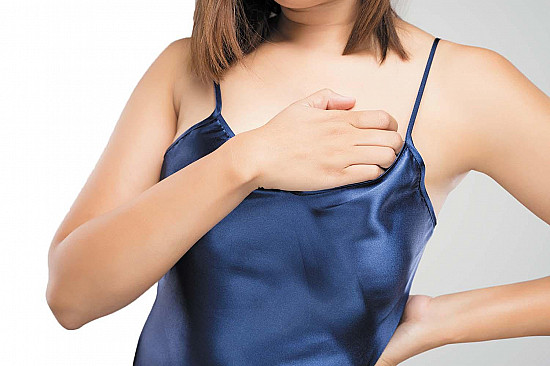
Few body complaints are as oddly specific, annoyingly persistent, and quietly panic-inducing as itchy nipples and breasts. It starts small. Maybe your bra suddenly feels like it was designed by sandpaper enthusiasts. Maybe the skin around one nipple gets flaky. Maybe the underside of your breasts decides to host its own tiny tropical climate. Before long, you are doing the discreet public scratch, wondering whether this is dry skin, a laundry detergent betrayal, or something that deserves a much more serious conversation with a doctor.
The good news is that itchy breasts and nipples are often caused by everyday problems, not dramatic medical plot twists. Dry skin, eczema, irritation from soaps or fabrics, sweat trapped under a bra, and hormone-related changes are common culprits. Pregnancy, breastfeeding, and certain infections can also trigger symptoms. Still, breast skin is not the place to ignore symptoms forever. When itching sticks around, happens mostly on one side, or comes with redness, discharge, thickening, crusting, swelling, or pain, it deserves attention.
This guide walks through the most likely causes, what usually helps, and when the itch stops being “probably annoying” and starts becoming “please get this checked out.”
Why itchy nipples and breasts happen in the first place
Breast skin is just skin, but it lives in a high-friction neighborhood. It deals with heat, sweat, compression, elastic, seams, body lotion, perfume, detergent residue, hormones, and in some cases a hungry baby. In other words, it has plenty of reasons to complain.
1. Dry skin: the boring answer that is often the right one
Dry skin is one of the most common explanations for breast itching. Skin loses moisture more easily in cold weather, low-humidity rooms, and after long hot showers. The result can be tightness, flaking, mild redness, and that distracting itch that seems to get louder the more you try to ignore it.
This kind of itch often affects both breasts rather than just one. The skin may look dull, ashy, or slightly rough. The nipple area can also become dry, especially if you use strong body washes, exfoliants, or fragranced lotions nearby. When the skin barrier gets irritated, even normal clothing can feel offensive.
2. Eczema and contact dermatitis: when skin gets dramatic
Eczema and dermatitis are frequent troublemakers on the breast and nipple. They can cause redness, scaling, flaking, bumps, crusting, and a maddening urge to scratch. Some people already know they are eczema-prone. Others discover it for the first time when the areola suddenly becomes itchy and inflamed.
Contact dermatitis happens when your skin reacts to something it does not like. Common triggers include fragrance in body products, “unscented” products that still contain masking fragrance, harsh soaps, laundry detergent, fabric softener, dryer sheets, adhesives, certain bra fabrics, and even metal hardware. Yes, your skin can absolutely decide that a perfectly innocent sports bra is now the enemy.
If the rash flares after switching detergent, trying a new lotion, wearing a tight synthetic bra, or sweating heavily during workouts, dermatitis moves higher on the suspect list.
3. Friction, sweat, and trapped moisture
Skin under and between the breasts is especially vulnerable to rubbing and moisture buildup. Heat rash, chafing, and yeast-friendly dampness can all trigger itching. This is more common in hot weather, after exercise, or anytime sweat gets trapped under a snug bra for too long. In larger breasts, the fold underneath the breast can become particularly irritated.
When moisture lingers, skin may become red, tender, shiny, or patchy. Sometimes it stings as much as it itches. If the area starts to look beefy red, develops small surrounding bumps, or feels raw, a fungal rash or other skin infection may be in the mix.
4. Hormones can stir the pot
Breasts are highly responsive to hormonal changes, which is why they sometimes seem to have their own emotional calendar. Menstrual shifts, menopause, pregnancy, and postpartum changes can all affect the skin and the nipple area. During pregnancy, breast tissue expands, skin stretches, and hormone levels rise and fall. That combination can lead to dryness, tenderness, swelling, and itching.
Some people notice itchy nipples before a period. Others notice it during menopause when skin becomes drier overall. During pregnancy, the itch can feel more noticeable simply because the skin is under more tension. It is not glamorous, but it is common.
5. Breastfeeding can bring its own set of skin complaints
Breastfeeding is amazing, exhausting, and occasionally rude to the nipples. Milk residue, saliva, friction from pumping, latch issues, and repeated moisture exposure can all irritate delicate skin. Many people assume any itchy nipple during breastfeeding must be a yeast infection, but that is not always the case. Dermatitis, milk blebs, and vasospasm can also be behind nipple pain, rash, or itching.
If the skin is cracked, scaly, or inflamed, it is wise to get a clinical opinion instead of guessing. Treating the wrong thing can keep the cycle going much longer than necessary.
6. Infection is possible, especially if the area is warm, red, or painful
Itching can happen with breast infections, but infection usually does not travel alone. More typical clues include warmth, redness, swelling, tenderness, fever, flu-like symptoms, or discharge. Mastitis is most often associated with breastfeeding, but other infections can affect the breast skin and underlying tissue too.
If you feel sick, notice one breast becoming hot or swollen, or see redness spreading, do not put this in the “I’ll monitor it forever” category. That is “call a clinician” territory.
When itchy breasts might mean something more serious
Most itching is not cancer. That said, some breast cancers can cause skin changes, and that is why persistent symptoms deserve respect rather than panic or neglect.
Paget disease of the breast: rare, but important not to miss
Paget disease of the breast is a rare form of breast cancer that affects the nipple and often the areola. It can look a lot like eczema at first, which is one reason it can be overlooked. Symptoms may include itching, burning, crusting, scaling, thickened skin, a flattened or turned-in nipple, or yellowish or bloody discharge.
A major clue is that Paget disease often affects one nipple, not both. Another clue is persistence. If what looks like nipple eczema does not improve, keeps coming back, or is paired with discharge or nipple changes, it needs medical evaluation. Rare does not mean never.
Inflammatory breast cancer: fast-moving and easy to mistake for a rash
Inflammatory breast cancer is also rare, but it tends to move quickly and may not cause a lump. Instead, symptoms can include itching, sudden swelling, warmth, thickened skin, discoloration, tenderness, and skin that looks like an orange peel. The breast may change size over days or weeks, and the nipple may flatten or retract.
This is not meant to send you into a doom spiral every time your bra line feels itchy. It is simply a reminder that rapidly changing breast skin deserves prompt attention, especially when it is only on one side and clearly getting worse.
How doctors usually sort out the cause
The workup depends on what the skin looks like and what other symptoms are present. A clinician will usually ask when the itching started, whether it is one-sided or bilateral, whether there is discharge, pain, swelling, fever, or a new product involved, and whether you are pregnant, postpartum, or breastfeeding.
In straightforward cases, the pattern may clearly suggest eczema, contact dermatitis, fungal irritation, or simple dryness. In other cases, testing may be needed. That can include breast imaging, lab work for infection, or sometimes a biopsy if the nipple or skin changes are suspicious or persistent. The goal is not to overreact. The goal is to stop guessing.
What you can do at home for mild, likely benign itching
If the symptoms seem mild, symmetrical, and tied to obvious irritation, these steps often help:
- Switch to fragrance-free soap, moisturizer, and laundry products.
- Use a thick, bland moisturizer or ointment after bathing while the skin is still slightly damp.
- Wear breathable, well-fitting bras and change out of sweaty clothes quickly.
- Choose soft cotton fabrics when possible.
- Avoid scratching, which damages the skin barrier and can invite infection.
- Try a cool compress if the itch is intense.
- Keep the skin under the breasts clean and dry, especially in warm weather.
What you should not do is aggressively exfoliate the area, keep trying heavily fragranced “soothing” products, or self-diagnose every rash as yeast and start random treatment. The breast is not the place for experimental chemistry.
When it is time to call a healthcare professional
Reach out sooner rather than later if:
- the itch lasts more than a couple of weeks despite basic skin care,
- only one nipple or one breast is affected,
- there is crusting, thickening, oozing, or scaling that does not improve,
- you notice yellow, bloody, or spontaneous nipple discharge,
- the breast becomes red, hot, swollen, or painful,
- you have fever or feel ill,
- the nipple turns inward and that change is new,
- the skin dimples or develops an orange-peel appearance, or
- you feel a lump or notice a clear change in breast size or shape.
In health matters, “I’m sure it’s nothing” is comforting, but “I had it checked” is better.
The emotional side of breast itching that people do not talk about enough
Itchy breasts are not just a skin issue. They can be awkward, distracting, and surprisingly stressful. Anything involving the breasts tends to trigger a special category of health anxiety because the internet rarely whispers. It either shrugs or screams.
That emotional roller coaster is understandable. Breasts are connected to identity, body image, sexuality, parenthood, and cancer awareness campaigns, so even a minor symptom can feel loaded. The trick is to avoid two extremes: brushing it off forever or assuming the worst by page two of a search result spiral. Sensible self-care first, medical evaluation when red flags appear, and no shame about asking questions is the healthiest middle ground.
Real-life experiences people often describe with itchy nipples and breasts
Many people say the first thing that makes breast itching so frustrating is how ordinary it seems at the start. Someone may notice a mild itch after a workout and assume it is sweat. A few days later, the skin under the breasts feels raw, the bra band rubs like a cheese grater, and suddenly getting dressed becomes an event. What looked like a tiny irritation turns into a practical problem that affects sleep, exercise, and concentration at work.
Others describe nipple itching as more emotionally unsettling than physically severe. Even when the discomfort is mild, it can create a steady stream of worry. People often think, “It’s probably just dry skin,” followed immediately by, “But what if it isn’t?” That mental ping-pong is common, especially when symptoms involve only one side. Some people spend days switching bras, changing detergents, and inspecting the mirror in different lighting like amateur detectives in a skincare mystery.
During pregnancy, the experience can feel even stranger. Breasts grow, nipples become more sensitive, and the skin stretches quickly. Many pregnant people say the itching feels different from ordinary dryness. It can come with heaviness, tenderness, and a sense that the skin is too tight for the body it is trying to cover. The practical fixes sound simple, like moisturizer and softer bras, but when hormones are already making everything feel dramatic, even a minor itch can feel like one irritation too many.
Breastfeeding adds another layer. Parents often talk about the confusion of trying to tell normal nipple irritation from a problem that needs treatment. One day it seems like mild friction from nursing or pumping. The next day the skin is flaky, sore, or intensely itchy, and every feeding makes them brace for impact. Many describe a frustrating cycle: the skin gets irritated, feeding continues because real life does not pause, the irritation worsens, and then they are left trying to figure out whether the cause is latch, moisture, dermatitis, infection, or simple exhaustion plus bad luck.
People with eczema or sensitive skin often say breast symptoms are especially annoying because the area is hard to “leave alone.” Shirts rub. Bras rub. Sweat happens. Heat builds. Even when they know exactly what eczema feels like on their hands or elbows, the breast area can react differently and feel more alarming. Some say that once they switched to fragrance-free products and simplified everything, the improvement was dramatic. Others discovered the real villain was a new detergent, a lace bra, or a heavily scented body wash marketed as “gentle,” which is skincare’s version of a bad joke.
Then there are the experiences that push people to seek care. Some notice that one nipple stays flaky no matter what cream they use. Some see redness spreading instead of settling down. Others realize the breast feels warm, swollen, or suddenly different in shape. A common thread in these stories is hindsight: many say they are glad they stopped guessing. Sometimes the answer is reassuringly mundane, like dermatitis or irritation. Sometimes it needs treatment. Either way, most people feel better once uncertainty is replaced with an actual explanation.
The lived experience of itchy breasts is often a mix of inconvenience, embarrassment, and low-level worry. That is why the smartest response is not panic and not denial. It is paying attention. Skin has a way of telling the truth when something is off. Usually it is telling a small story. Occasionally it is telling a bigger one. Listening early is what makes all the difference.
Conclusion
Itchy nipples and breasts are common enough to be annoying and confusing, but not so common that they should be ignored forever. In many cases, the cause is simple: dryness, eczema, friction, sweat, hormonal changes, or skin irritation from products or clothing. But persistent symptoms, especially when they affect one side or come with discharge, crusting, swelling, warmth, or visible skin changes, deserve a proper medical look.
The takeaway is refreshingly practical. Start with gentle skin care, less friction, and fewer irritating products. Monitor the pattern. If the symptoms do not improve or they look unusual, get checked. Sometimes the answer is moisturizer and a better bra. Sometimes it is treatment. Peace of mind is a pretty good outcome either way.














