
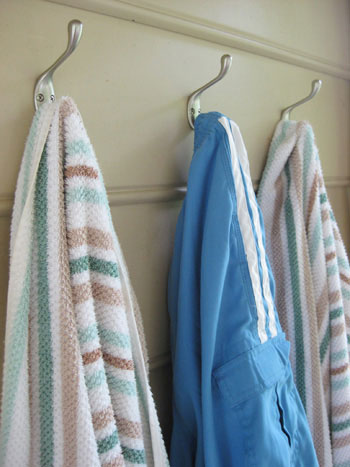
Every home has one tiny zone where order goes to take a nap: the entryway. Jackets slide off chairs, backpacks mysteriously multiply, shoes form a tiny mountain range, and someone is always asking, “Where are my keys?” Adding hooks for hanging jackets and shoe storage may sound like a small project, but it can completely change how your home functions.
The good news? You do not need a giant mudroom, a custom carpenter, or a budget that requires a dramatic family meeting. With a few well-placed wall hooks, a smart shoe rack, a bench, cubbies, baskets, or a compact hall tree, you can turn a chaotic drop zone into a clean, useful, and welcoming space. Even a narrow hallway or apartment entry can work harder with vertical storage and a little planning.
This guide covers how to choose hooks, where to place them, how to install them securely, and how to pair them with practical shoe storage. Whether you are organizing a family mudroom, a rental apartment, a garage entry, or a front hallway, the goal is simple: fewer piles, smoother mornings, and no more jacket avalanche when guests walk in.
Why Hooks and Shoe Storage Make Such a Big Difference
Hooks and shoe storage solve two of the most common entryway problems: hanging items and floor clutter. A closet is helpful, but it is not always realistic for daily-use jackets, kids’ backpacks, dog leashes, umbrellas, hats, and reusable grocery bags. Hooks keep these items visible, accessible, and off the floor.
Shoe storage works the same way. A pair or two by the door is normal. Twelve pairs, three muddy boots, and one lonely flip-flop in December? That is when your entryway starts auditioning for a home organization rescue show. A designated shoe rack, cabinet, cubby, or bench gives footwear a proper home and makes the entire space feel cleaner.
The “Drop Zone” Concept
A drop zone is the place where everyday items land when people enter the house. The best drop zones are simple. They include a place to hang jackets, a place to sit or pause, a place for shoes, and a small area for essentials like keys, wallets, sunglasses, and mail. When every item has a destination, clutter has fewer opportunities to stage a comeback.
Start With a Quick Entryway Audit
Before buying hooks or shoe storage, spend a few minutes studying how your household actually uses the space. This step saves money and prevents the classic mistake of buying a beautiful organizer that stores exactly three things when your family owns 47 jackets.
Ask These Questions
How many people use this entrance every day? How many jackets need to hang here? Do kids need lower hooks? Are shoes usually wet, muddy, or dry? Do you need storage for backpacks, sports bags, hats, scarves, or pet supplies? Is this a guest-facing front entry or a hardworking side door?
For a busy family entrance, function should come first. For a front entry, you may want a cleaner look with closed shoe cabinets, decorative hooks, and baskets that hide the visual evidence of real life. For a rental, removable or minimal-damage solutions may matter most.
Choosing the Right Hooks for Hanging Jackets
Hooks come in more styles than most people expect. There are single hooks, double hooks, hook rails, peg rails, folding hooks, decorative wall hooks, over-the-door hooks, and built-in cubby hooks. The best choice depends on your wall space, the weight of the items, and how tidy you want everything to look.
Single Hooks
Single hooks are flexible because you can space them exactly where you need them. They work well for tight corners, awkward walls, and custom layouts. If you have a narrow entryway, a vertical row of hooks can hold bags, scarves, or light jackets without taking up much width.
Hook Rails
A hook rail is a board or metal strip with multiple hooks attached. It is one of the easiest ways to add jacket storage quickly. A rail also helps distribute weight across the wall, especially when attached to wall studs. Choose a rail with enough hooks for each household member, plus one or two extras for guests.
Peg Rails
Peg rails offer a warm, classic look and work beautifully in farmhouse, cottage, Scandinavian, and traditional interiors. They are great for jackets, hats, totes, and baskets. For a more polished setup, install a shelf above the peg rail for seasonal accessories or small labeled bins.
Folding Hooks
Folding hooks are ideal for small entryways because they sit flatter against the wall when not in use. They also look cleaner, which is helpful if your entryway opens directly into the living room. Think of them as hooks with manners.
How High Should You Install Jacket Hooks?
For adults, jacket hooks are often comfortable around shoulder height, usually somewhere between 60 and 70 inches from the floor. However, the best height depends on the people using them and the length of the items being hung. Long coats need more clearance, while children need hooks they can actually reach.
In family spaces, consider two rows of hooks. Install the upper row for adults and the lower row for children. This encourages kids to hang their own jackets and backpacks, which is a tiny miracle worth celebrating. Lower hooks also help keep heavy bags from being dragged across the wall.
Spacing Between Hooks
Leave enough room between hooks so jackets do not bunch into one giant fabric blob. For light items, 4 to 6 inches may work. For bulky coats or backpacks, 8 to 12 inches is usually more practical. If you live somewhere cold, plan for winter coats, not just summer hoodies.
Install Hooks Securely: Studs, Anchors, and Common Sense
Good design matters, but secure installation matters more. A hook that rips out of drywall after one backpack is not “rustic charm.” It is a repair project wearing a tiny disguise.
Mount Into Studs When Possible
Wall studs provide the strongest support for jacket hooks, coat racks, and storage rails. Use a stud finder to locate studs, mark the positions lightly with pencil, and attach the hook rail or board with appropriate screws. If your hook locations do not line up perfectly with studs, consider mounting hooks to a wood board first, then securing the board to studs.
Use Drywall Anchors Correctly
If you cannot hit a stud, use anchors rated for the weight you expect. Read the package carefully because anchors vary widely. A lightweight plastic anchor may be fine for a hat, but a heavy backpack needs something stronger. Drill pilot holes when required, insert anchors properly, and avoid guessing on weight limits.
Think About What Will Hang There
A jacket is one thing. A wet winter coat plus a backpack full of books is another. If hooks will hold heavy bags, install them with extra care. For maximum strength, a solid wood backer board secured to studs is often the best solution.
Best Shoe Storage Options for Entryways
Once jackets are under control, it is time to deal with the shoe situation. The best shoe storage depends on available space, number of shoes, and how much you want to see. Open racks are convenient. Closed cabinets look cleaner. Baskets are casual and flexible. Benches add seating and storage in one move.
Open Shoe Racks
Open shoe racks are affordable, easy to use, and great for everyday footwear. They work especially well in mudrooms, garage entries, laundry rooms, and casual family spaces. Choose a rack with enough vertical clearance for boots if needed. Stackable racks are useful when your shoe collection grows, which it probably will because shoes are sneaky like that.
Shoe Cabinets
Shoe cabinets are ideal for front entries because they hide clutter behind doors or tilt-out compartments. They create a cleaner look and can make a small space feel more polished. Slim shoe cabinets are especially helpful in narrow hallways because they use vertical space instead of spreading across the floor.
Storage Benches
A storage bench gives people a place to sit while putting on shoes, which is surprisingly luxurious at 7:30 in the morning. Benches with cubbies, shelves, drawers, or lift-up seats can store shoes, bags, hats, and seasonal items. If your entryway has enough room, a bench plus hooks above it creates a complete mini mudroom.
Cubbies and Baskets
Cubbies are excellent for families because each person can have a designated section. Add baskets to hide smaller accessories and reduce visual clutter. Labeling baskets may sound overly ambitious, but it works. Even a simple label like “Dad,” “Kids,” or “Dog Stuff” can prevent the mysterious migration of mittens.
Designing a Small Entryway With Hooks and Shoe Storage
Small entryways need vertical thinking. Instead of adding bulky furniture, use wall-mounted hooks, narrow shelves, slim shoe cabinets, floating ledges, and compact benches. Keep the floor as clear as possible so people can move through the space without performing a sideways shuffle.
Use Wall Space First
Walls are valuable storage real estate. Install hooks above a shoe bench, add a shelf above the hooks, or use a pegboard for flexible storage. A mirror with a small shelf can also help the entryway feel brighter while giving keys or sunglasses a home.
Limit What Lives by the Door
One of the biggest entryway mistakes is storing too much there. Keep only daily-use jackets and shoes near the door. Move out-of-season coats, rarely worn shoes, extra bags, and random items to closets or storage areas. Your entryway should support daily life, not become a museum of forgotten errands.
Try a One-Pair Rule
For small households, try keeping one or two pairs of shoes per person at the entry. Everything else goes to a closet. This simple habit prevents the shoe rack from becoming a shoe city with its own local government.
Creating a Family-Friendly Mudroom
A family mudroom needs durability, clear zones, and storage that children can use without adult assistance. Hooks should be low enough for kids. Shoe cubbies should be easy to access. Baskets should be sturdy. Surfaces should be wipeable because mud, rain, and mystery crumbs will happen.
Give Everyone a Personal Zone
Create a hook and shoe space for each family member. This can be as simple as one hook and one basket per person, or as elaborate as built-in lockers with benches and overhead cabinets. Personal zones reduce arguments because everyone knows where their things belong. Whether they use the zones is a separate adventure, but at least the system is clear.
Add Storage for Accessories
Jackets and shoes are only part of the entryway puzzle. Add small bins for gloves, scarves, sunglasses, umbrellas, pet leashes, sunscreen, and reusable bags. If items are used on the way out the door, store them near the door. That is the magic of practical organizing: put things where people naturally need them.
Style Tips: Make It Functional and Attractive
Hooks and shoe storage do not have to look boring. In fact, they can become a design feature. Choose finishes that match your home’s style. Matte black hooks look modern and clean. Brass feels warm and classic. Wood peg rails add texture. White hook boards blend into cottage or coastal spaces.
Coordinate Materials
For a pulled-together look, repeat materials already used nearby. If your door hardware is black, black hooks may look intentional. If your home has warm wood floors, a wood bench or peg rail can create a natural connection. Matching every single thing is not required, but a little coordination keeps the entryway from looking like a storage aisle had a meeting.
Use Baskets for Texture
Woven baskets soften the look of an entryway and hide clutter beautifully. They work well under benches, on shelves, or inside cubbies. For muddy shoes, choose washable bins, metal trays, or plastic boot trays instead. Pretty is nice. Easy to clean is nicer when someone walks in with wet sneakers.
Add a Rug or Boot Tray
A durable rug or boot tray protects floors and defines the entry zone. Choose a low-profile rug that will not catch on the door. For wet climates, a rubber boot tray is a practical hero. It keeps puddles contained and saves you from discovering damp socks the hard way.
DIY Ideas for Adding Hooks and Shoe Storage
You can create a useful entryway storage system in a weekend, sometimes in an afternoon. Start with your wall measurements, decide how many hooks you need, and choose a shoe storage piece that fits the footprint. Then combine the elements into one organized station.
Simple Hook Board Project
Cut or buy a finished wood board, paint or stain it, attach hooks evenly across the board, and mount the board into studs. This approach is stronger than attaching individual hooks only to drywall, and it gives the entryway a finished look. Use painter’s tape to preview the height before drilling.
Bench Plus Hooks
Place a storage bench against the wall and install hooks above it. Leave enough space between the bench and hooks so jackets can hang naturally. Add baskets under the bench for shoes, hats, or accessories. This is one of the easiest ways to create a mini mudroom without built-ins.
Closet Conversion
If you have an entry closet that does not work well, consider removing the door or reorganizing the interior. Add hooks on the back wall, shoe shelves below, and baskets above. A closet can become a hidden mudroom with the right layout.
Common Mistakes to Avoid
The first mistake is installing too few hooks. If four people use the entryway, three hooks will not create order; they will create competition. The second mistake is choosing a shoe rack that is too small. Measure your actual shoes, including boots, athletic shoes, and guest footwear.
Another common mistake is ignoring wall strength. Decorative hooks are not always designed for heavy loads. Check hardware, install into studs when possible, and use proper anchors. Finally, avoid overloading the entryway with items that belong elsewhere. A tidy entryway depends as much on editing as it does on storage.
Maintenance: How to Keep the System Working
Even the best hooks and shoe storage need occasional maintenance. Once a week, remove shoes that do not belong near the door. Return extra jackets to closets. Empty baskets. Shake out rugs. Wipe boot trays. This quick reset keeps the system from slowly turning back into a pile.
Seasonal changes are also important. In spring, store heavy winter coats and boots elsewhere. In fall, bring back jackets, umbrellas, and cold-weather accessories. Your entryway should change with your household’s real needs, not hold every item all year long.
Real-Life Experience: What Actually Works When Adding Hooks and Shoe Storage
After working with different entryway setups, one lesson becomes obvious: the best system is the one people will actually use. A gorgeous cabinet with tiny compartments may look amazing in photos, but if family members have to open three doors and slide out a tray just to put away sneakers, the shoes will end up on the floor. Convenience wins every time.
Hooks are especially successful because they remove friction. Hanging a jacket on a hook is faster than opening a closet, finding a hanger, and sliding the coat into place. That tiny difference matters during busy mornings or rainy evenings. For kids, hooks are even more useful. A low hook gives them an easy target, and suddenly “hang up your coat” becomes a realistic request instead of a daily comedy routine.
One practical experience is to install more hooks than you think you need. At first, two hooks per person may seem excessive. Then winter arrives. Jackets, hoodies, backpacks, scarves, and tote bags all appear at once. Extra hooks prevent overcrowding and help items dry better. Crowded hooks can make coats wrinkle and bags difficult to grab.
Shoe storage works best when it matches shoe habits. If people remove shoes the second they enter, an open rack or cubby near the door is ideal. If the entryway is visible from the living room, a closed cabinet may be better. For families, individual baskets are often easier than perfect rows of shoes. Not every household is going to line up sneakers like a boutique display, and that is perfectly fine.
A bench is another upgrade that pays off quickly. It gives people a place to sit, but it also creates a natural boundary for the storage zone. Shoes go under the bench. Hooks go above the bench. Bags can rest on the bench temporarily. The space starts to make visual sense. Without a bench, shoes often spread outward because there is no clear limit.
Height matters more than people expect. Hooks installed too high become inconvenient. Hooks installed too low can make long coats drag against shoes or the floor. The best approach is to test placement with painter’s tape before drilling. Hang a jacket from the proposed height and see how it looks. If children use the space, create a lower row rather than expecting them to stretch like tiny circus performers.
Another experience-based tip is to separate wet and dry items. Wet boots, umbrellas, and raincoats need airflow and water protection. A boot tray, washable mat, or metal rack can handle moisture better than a wood cabinet. If wet shoes are placed in closed storage too soon, odor can build up. Give damp items a place to dry first, then move them later if needed.
Finally, the entryway should be reviewed every few months. Life changes. Kids grow. Seasons shift. New hobbies appear. A hook system that worked during summer may need more storage during winter. A shoe rack that worked for two people may struggle when guests visit often. The goal is not perfection; it is a flexible system that keeps daily clutter under control without making everyone feel like they live inside an organizing manual.
Conclusion
Adding hooks for hanging jackets and shoe storage is one of the simplest ways to make an entryway more organized, attractive, and useful. By using wall space, choosing secure hardware, giving shoes a proper home, and designing around real household habits, you can create a smoother daily routine with less clutter and fewer missing items.
Whether you install a simple hook rail, build a bench-and-cubby station, add a slim shoe cabinet, or create a full mudroom wall, the best solution is practical, sturdy, and easy to maintain. Your entryway does not need to be huge. It just needs to be smart. And if it can stop the shoe pile from becoming a permanent landmark, that is a home improvement victory worth hanging your jacket on.














