
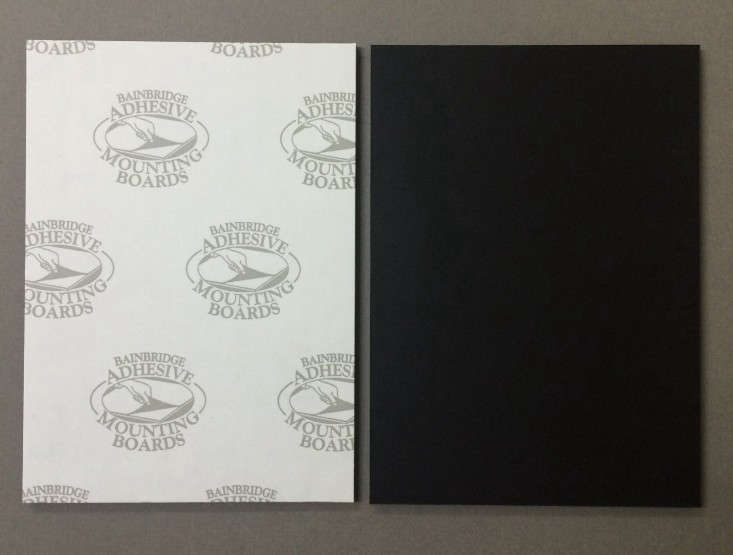
Note: This article is written for general product education and buying guidance. Always check the manufacturer’s current specifications before using black self adhesive foam core backings for professional framing, archival storage, signage, or high-value artwork.
What Are Black Self Adhesive Foam Core Backings?
Black self adhesive foam core backings are lightweight mounting boards made with a rigid foam center, black paper or clay-coated facers, and an adhesive layer protected by a peel-away release liner. In plain English, they are the neat-freak cousin of spray glue: less mess, less panic, fewer sticky fingerprints on your favorite photo, and no mysterious cloud of adhesive floating through the room like a crafting ghost.
The main keyword here is simple: black self adhesive foam core backings. But the product goes by several related names, including black self adhesive foam board, black foam core backing board, peel and stick foam board, adhesive mounting board, pressure-sensitive foam board, and black foamcore. These boards are commonly used for mounting photographs, posters, prints, retail signs, school presentations, trade show graphics, frame backing, craft projects, and display panels.
The “black” part matters more than many people expect. A black face and black core create a polished, gallery-ready edge that looks cleaner than white board, especially when the mounted print does not cover every millimeter of the backing. It can make a simple poster feel more premium, a photography print look more dramatic, and a retail display appear intentionally designed instead of “assembled at midnight with one hand and a tired prayer.”
How Black Self Adhesive Foam Core Backings Are Made
Most foam core boards are built like a sandwich. The center is usually extruded polystyrene foam, which provides thickness and stiffness without adding much weight. On the outside are paper facers, which give the board a smooth surface for mounting, cutting, printing, or framing. With self adhesive versions, one side includes a pressure-sensitive adhesive layer covered by a release liner. When you peel back the liner, the adhesive is exposed and ready to grip the print, poster, photo, or graphic.
Common thicknesses include 3/16 inch, also described as 5 mm, and 1/2 inch for heavier-duty displays. The 3/16-inch option is widely used because it balances rigidity, easy cutting, affordability, and frame compatibility. For small photos, tabletop signs, and presentation boards, 3/16 inch is often enough. For larger freestanding graphics, oversized retail signage, or displays that need extra strength, a thicker board may be smarter.
Many black adhesive foam boards use a pressure-sensitive adhesive. That means pressure activates and strengthens the bond. Some products are low tack or repositionable at first, while others are high tack and bond aggressively on contact. This difference is important. A low-tack board gives you a little grace period. A high-tack board behaves like it has made a lifelong commitment the second your print touches it.
Why Choose Black Instead of White Foam Core?
White foam core is the classic choice for school projects, quick signs, and budget-friendly mounting. But black foam core backings have a more refined visual effect. The black edge can frame the image naturally, hide minor trimming imperfections, and reduce the visual distraction that sometimes happens when a white edge appears around a dark photograph or graphic.
Black Foam Core Looks More Professional
For photography, event signage, gallery displays, and portfolio presentations, black foam board often feels more finished. It creates contrast and gives the display a subtle border, even without a separate mat. If you are mounting black-and-white photography, concert posters, architectural renderings, luxury product graphics, or minimalist art prints, black self adhesive foam core backings can make the final piece look intentional and sharp.
Black Edges Hide Better
When a mounted print is viewed from the side, white foam can draw attention. Black foam core blends more naturally with dark frames, shadow boxes, exhibit panels, and modern interiors. It is especially useful when the backing may be visible, such as in open displays, easel-mounted signs, or frameless presentations.
It Adds Drama Without Trying Too Hard
Black backing gives artwork a little visual confidence. It says, “Yes, I belong in this room,” without shouting. That is helpful for designers, photographers, students, retailers, and anyone who has ever tried to make a poster board look less like a poster board.
Best Uses for Black Self Adhesive Foam Core Backings
Black self adhesive foam core backings are versatile, but they shine brightest in projects that need a clean look, fast mounting, and lightweight structure.
Photo Mounting
Photographers often use adhesive foam board to mount prints for portfolios, studio samples, client presentations, event displays, and temporary gallery shows. The adhesive layer helps the photo lay flat, while the foam core adds stiffness. For everyday prints and reproductions, it is a practical solution. For rare, historical, or valuable photographs, however, permanent adhesive mounting is usually not the best preservation choice. Use archival materials and non-invasive mounting methods for items that must last for generations.
Poster and Print Backing
Posters can curl, wrinkle, sag, or generally behave like they have strong opinions about gravity. Mounting them on black self adhesive foam board gives them structure. Movie posters, art prints, educational charts, motivational office posters, and event graphics all benefit from a smooth, rigid backing.
Retail Displays and Point-of-Purchase Signs
Retailers use foam core backing boards for seasonal signs, product promotions, menu boards, shelf displays, and point-of-purchase graphics. Black backing adds a premium feel, especially for cosmetics, electronics, fashion, photography, craft products, and boutique merchandise.
Trade Shows and Exhibits
At trade shows, displays need to be lightweight, portable, and good-looking from several feet away. Black adhesive foam core can be used for booth signs, product information panels, directional signage, pricing displays, and sample boards. It is easier to carry than many rigid plastics and simpler to cut than heavy substrates.
Picture Framing and Shadow Boxes
Foam core is frequently used as frame backing because it provides support without much weight. Black self adhesive foam core can be useful for mounting decorative prints, posters, certificates, and replaceable display pieces. For conservation framing, choose acid-free or archival products and avoid sticking irreplaceable originals directly to adhesive surfaces.
School, Office, and Craft Projects
Students, teachers, designers, and hobbyists use black foam core for presentations, display boards, mockups, models, signs, photo walls, and DIY decor. It cuts easily with a sharp craft knife, accepts many printed materials, and looks cleaner than cardboard. It is also forgiving enough for quick projects, although not so forgiving that you should cut it with dull scissors while balancing a coffee cup nearby.
Key Benefits of Black Self Adhesive Foam Core Backings
Clean Peel-and-Stick Mounting
The biggest benefit is convenience. Instead of spraying adhesive, brushing glue, or applying separate transfer adhesive, you peel back the liner and mount the print directly. This saves time and reduces mess. It also avoids overspray, which is especially helpful in small studios, classrooms, offices, and home workspaces.
Lightweight but Rigid
Foam core is known for its strength-to-weight ratio. It can support prints and signs while remaining easy to transport, hang, store, and cut. That makes black self adhesive foam core backings ideal for temporary displays, event signage, portfolio boards, and projects that need to look sturdy without feeling like a gym workout.
Smooth Presentation Surface
The paper facers create a flat surface for mounting. When applied carefully, the finished result can look crisp and professional. The key phrase is “applied carefully.” A self adhesive board will not magically fix a wrinkled print, dusty table, or rushed installation. It is useful, not magical. Sadly, no foam board has yet been trained to correct human impatience.
No Separate Glue Required
Because the adhesive is already applied to the board, you do not need spray glue, liquid adhesive, glue sticks, or mounting film. This can reduce supply costs and simplify production, especially when making multiple signs or photo displays.
Easy Cutting and Custom Sizing
Most foam core can be cut with a sharp utility knife, craft knife, mat cutter, or specialized board cutter. For best results, use a metal ruler, a self-healing cutting mat, and multiple light passes instead of one heroic slice. Heroic slices are how edges get ragged and fingers get nervous.
Potential Drawbacks to Know Before Buying
Black self adhesive foam core backings are excellent for many projects, but they are not perfect for every situation.
Permanent Adhesive Can Be Unforgiving
Some adhesive foam boards bond quickly and permanently. If the print lands crooked, repositioning may damage the artwork or leave wrinkles. Before mounting, align the print carefully, use a hinge method, and expose the adhesive gradually rather than peeling the entire liner off at once.
Not Always Archival
Standard foam board may not be acid-free. If you are mounting valuable artwork, collectible prints, family heirloom photographs, historical documents, or limited-edition pieces, look for acid-free, lignin-free, buffered, or conservation-grade materials. Even then, avoid permanent adhesive on irreplaceable originals unless a professional framer or conservator recommends it.
Moisture and Heat Can Cause Problems
Foam core is generally intended for indoor use. Humidity, water exposure, direct sunlight, high heat, and rapid temperature changes can cause warping, adhesive failure, bubbling, or surface damage. For outdoor signs, long-term displays, or humid environments, consider more durable materials such as PVC board, aluminum composite panel, acrylic, or corrugated plastic.
Edges Can Dent
Foam core is lightweight, which is wonderful until someone drops it, crushes a corner, or stores it under a stack of mystery office supplies. Handle the edges carefully and store boards flat when possible.
How to Choose the Right Black Self Adhesive Foam Core Backing
Check the Thickness
For most prints, posters, and frame backings, 3/16 inch is a practical standard. Choose thicker boards when you need extra rigidity or a more dimensional look. For small framed photos or lightweight projects, thinner options may work, but they may not feel as sturdy.
Consider the Adhesive Type
Look for terms such as pressure-sensitive, high tack, low tack, repositionable, permanent, cold mounting, or peel-and-stick. High-tack adhesive is best when you need a strong bond and are confident in your placement. Repositionable adhesive is better for beginners, classrooms, or projects where alignment matters.
Look for Acid-Free Options When Needed
If the project is decorative, temporary, or replaceable, standard black adhesive foam board may be fine. If the item has sentimental, historical, artistic, or resale value, use acid-free materials and avoid direct adhesive contact when possible.
Match the Board Size to the Project
Common sizes include 8 x 10, 11 x 14, 16 x 20, 18 x 24, 20 x 30, 24 x 36, 32 x 40, and larger sheets such as 48 x 96 inches. Buying pre-cut sizes saves time. Buying large sheets may save money if you have the tools and patience to cut them cleanly.
Inspect the Surface
The board should be flat, clean, and free of dents, dust, bubbles, crushed corners, and adhesive defects. A tiny surface bump can become very noticeable after mounting a glossy photo or smooth poster.
Step-by-Step: How to Mount a Print on Black Self Adhesive Foam Core
1. Prepare a Clean Workspace
Dust is the enemy. Crumbs are worse. Cat hair is basically a tiny villain in this process. Wipe your table, wash your hands, and place the board on a clean, flat surface.
2. Trim the Print First
Cut the print to the final size before mounting, unless you plan to mount first and trim everything together. For beginners, trimming the print first often gives better control.
3. Dry Fit Everything
Place the print on the board without removing the liner. Check alignment, borders, orientation, and size. Make sure the top is actually the top. This sounds obvious until you mount a landscape image upside down and call it “abstract.”
4. Use the Hinge Method
Position the print exactly where you want it. Tape one edge lightly with removable painter’s tape to create a hinge. Lift the print, peel back a small strip of the release liner, and press the print onto the exposed adhesive.
5. Peel Gradually and Smooth Slowly
Pull the liner back a few inches at a time while smoothing the print with a brayer, squeegee, soft cloth, or clean hand. Work from the center outward to reduce bubbles and wrinkles.
6. Burnish for a Strong Bond
Once the print is fully placed, cover it with clean release paper or a protective sheet and burnish gently. Pressure helps the adhesive bond evenly. Do not overdo it with delicate prints, textured papers, or soft photo surfaces.
7. Trim the Edges
If needed, trim the mounted piece with a sharp blade and metal ruler. Use multiple light passes. Replace dull blades often because foam core punishes dull blades by producing fuzzy edges.
Black Self Adhesive Foam Core vs. Other Backing Materials
Black Foam Core vs. White Foam Core
Black foam core looks sleeker and hides edges better. White foam core is usually more common and may be less expensive. Choose black for modern displays, photography, premium presentations, and dark frames. Choose white for general craft work, school projects, or displays where the backing will not show.
Foam Core vs. Gator Board
Gator board is typically stronger, denser, and more dent-resistant than standard foam core. It is better for demanding displays and longer-term use. Foam core is lighter, easier to cut, and usually more budget-friendly.
Foam Core vs. PVC Board
PVC board is more durable and better suited for moisture-resistant applications. Foam core is easier to handle and often better for indoor, short-term graphics. For outdoor use, PVC usually wins.
Foam Core vs. Mat Board
Mat board is thinner and often used in fine framing, especially for window mats and conservation mounting. Foam core provides more thickness and rigidity. For valuable artwork, conservation-grade mat board or archival foam board is the safer choice.
Care, Storage, and Handling Tips
Store black self adhesive foam core backings flat in a clean, dry place. Keep them away from moisture, direct sunlight, heat vents, and heavy objects. If boards must be stored upright, support them evenly so they do not bow. Leave the release liner in place until you are ready to mount your material.
When transporting finished pieces, protect the corners with cardboard or foam edge guards. For glossy prints, place a clean sheet of paper or protective film over the surface to avoid scratches. Do not stack freshly mounted boards under heavy weight unless the surface is protected and the adhesive has had time to settle.
Common Mistakes to Avoid
Peeling the Entire Liner at Once
This is the classic rookie move. It turns a simple mounting job into a sticky wrestling match. Peel gradually and smooth as you go.
Using Valuable Originals
Do not permanently mount rare photos, signed prints, historical documents, or valuable artwork unless you fully understand the preservation risks. Use copies for display and store originals safely.
Cutting With a Dull Blade
A dull blade crushes foam, tears paper, and creates rough edges. Sharp blades are cheaper than ruined boards.
Ignoring Room Conditions
Mounting in a humid, dusty, or very cold room can affect results. Work in a stable indoor environment for the best bond and cleanest finish.
Buying Tips for Better Results
Before buying black self adhesive foam core backings, decide whether the project is temporary, decorative, professional, or archival. For temporary signs, standard adhesive foam board is usually enough. For client photography, choose a higher-quality board with a smooth surface and reliable adhesive. For conservation framing, choose acid-free materials and avoid direct adhesive contact with important originals.
Also consider whether you need custom cutting. If you are producing many pieces in the same size, pre-cut packs save time and reduce waste. If you frequently mount unusual sizes, larger sheets may be more flexible. Just remember that large foam core sheets require space, a long straightedge, and the emotional maturity to measure twice before cutting once.
Real-World Experiences With Black Self Adhesive Foam Core Backings
Working with black self adhesive foam core backings is a little like learning to park perfectly between two lines: easy in theory, slightly dramatic the first few times, and surprisingly satisfying once you get the hang of it. The first experience many people have is mounting a photo or poster and discovering that the board does exactly what it promises. It gives a floppy print a spine. Suddenly, a paper graphic that looked temporary feels like a finished display piece.
One useful experience is with photography prints. A black foam core backing can make an image feel more dramatic, especially if the photo has deep shadows, night scenes, product shots, or black-and-white contrast. The black edge does not distract from the image. Instead, it quietly supports it. For a photo wall, portfolio review, or pop-up art booth, that small detail can make the difference between “nice print” and “this looks professionally prepared.”
Another practical experience comes from event signage. Imagine making welcome signs, table numbers, directional arrows, or sponsor boards for a conference, wedding, school event, or retail promotion. Black self adhesive foam core is light enough to move around quickly, but rigid enough to stand on an easel or attach to a wall. It also photographs better than many shiny plastic signs because the matte black edge feels clean and controlled. When the event is over, you can pack it up without needing a forklift or a heroic volunteer named Brad.
For DIY users, the biggest lesson is patience. The adhesive is convenient, but convenience does not mean rushing. The best results come from aligning the print carefully, peeling the liner slowly, and smoothing the surface in stages. People who peel the whole liner at once often learn a memorable lesson involving bubbles, wrinkles, and vocabulary words not suitable for a family craft blog. A brayer or soft squeegee helps a lot. So does practicing on a small piece before mounting a large print.
In framing projects, black adhesive foam core works well for replaceable decorative pieces, posters, certificates, menus, and display prints. It can help keep the artwork flat inside the frame and prevent sagging. However, experience also teaches an important boundary: not every item should be stuck down permanently. Family heirlooms, original drawings, vintage photographs, signed posters, and collectible prints deserve more careful treatment. For those, a reversible mounting method or professional framing advice is worth the extra effort.
In retail environments, black backing often feels more upscale than white backing. A product display mounted on black foam core can make colors appear bolder and edges cleaner. This is especially useful for jewelry, cosmetics, tech accessories, handmade goods, luxury food packaging, and boutique signage. The board itself does not steal attention. It lets the graphic do the talking, which is exactly what good backing should do.
Teachers and students also appreciate black self adhesive foam core because it makes presentations look more polished without requiring advanced tools. Science fair graphics, art class displays, photography projects, and history timelines all benefit from the clean contrast. The board is easy to carry, easy to cut, and less chaotic than glue bottles. That said, classrooms should still supervise cutting, because foam core plus a sharp utility knife is a serious tool, not a confetti machine.
The final experience-based tip is simple: buy a little more than you think you need. Mistakes happen. Corners dent. Measurements go sideways. Someone may place a coffee cup on the good board because apparently flat surfaces are irresistible. Having one extra sheet can save a project from a last-minute emergency run to the art store.
Conclusion
Black self adhesive foam core backings are one of the most useful materials for clean, lightweight, professional-looking mounting. They combine a rigid foam center, sleek black surface, and peel-and-stick adhesive layer to simplify photo mounting, poster backing, retail signage, event displays, school projects, and frame preparation. Their biggest strengths are convenience, appearance, easy cutting, and low weight. Their main limitations are sensitivity to moisture, the unforgiving nature of permanent adhesive, and the fact that not all boards are archival.
For everyday prints, temporary signs, presentation boards, and decorative displays, black self adhesive foam board is a smart and stylish choice. For valuable artwork or irreplaceable photographs, choose conservation-grade materials and avoid permanent adhesive unless a professional recommends it. Used correctly, black foam core backings can turn ordinary graphics into crisp, confident displayswithout spray glue, sagging posters, or the emotional roller coaster of trying to smooth wrinkles after it is already too late.













