
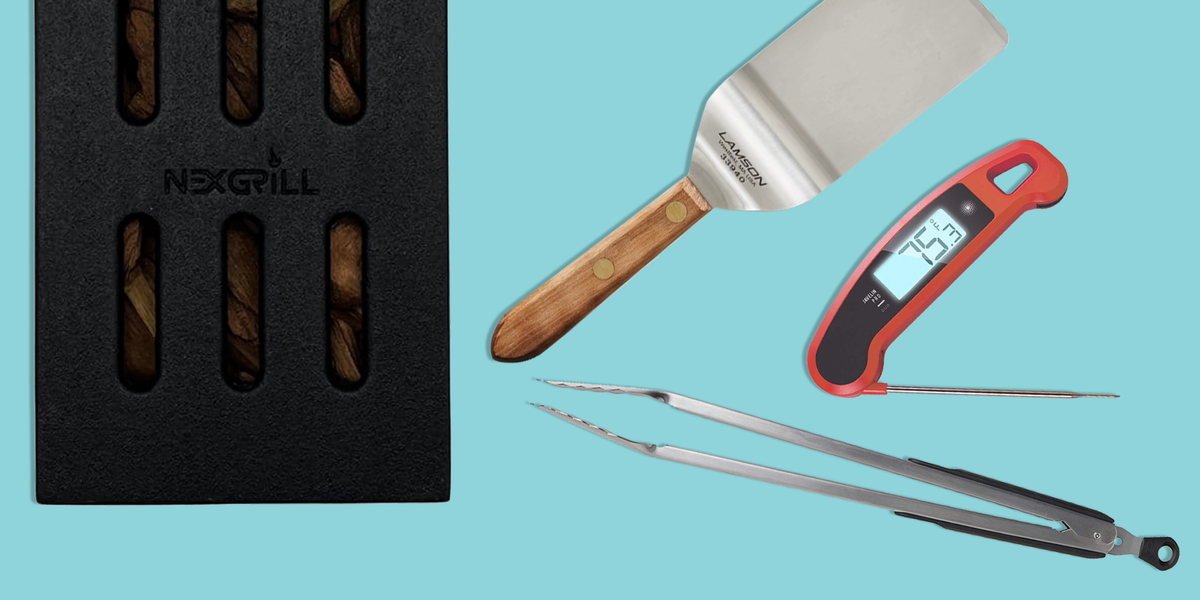
Great grilling is not just about the grill. It is also about the gear you keep within arm’s reach while smoke curls into the air and someone nearby asks, “Are the burgers done yet?” The right grilling accessories and tools make outdoor cooking safer, easier, faster, and a whole lot more fun. They help you flip, sear, monitor temperature, manage flare-ups, clean up properly, and avoid the classic backyard mistakes that turn a cookout into a charcoal-scented stress test.
If you have ever tried to rescue asparagus with a flimsy spatula, guessed your way through a thick chicken breast, or lit charcoal like you were auditioning for a disaster movie, this list is for you. The best grilling tools are not random gadgets that end up rattling around in a drawer. They are the smart, hardworking essentials that earn their place every single cookout. Some are pure necessities. Some are quality-of-life upgrades. A few will make you wonder why you waited so long to buy them.
Below are the 14 best grilling accessories and tools worth owning, plus practical advice on what each one does, who really needs it, and how to build a grilling setup that feels less chaotic and more pitmaster-adjacent.
Why Good Grilling Tools Matter
Grilling looks casual, but it rewards precision. Heat is uneven. Food cooks quickly. Raw and cooked items often share a small workspace. That means your tools need to do three jobs at once: keep you safe, help you cook accurately, and save you from unnecessary hassle.
A solid pair of tongs gives you control. A fast thermometer saves dinner. A chimney starter turns charcoal from a stubborn idea into a roaring reality. A grill basket keeps delicate vegetables from disappearing into the grates like they have personal beef with you. In other words, good accessories are not fancy extras. They are what separate “I hope this works” from “I’ve got this.”
14 Best Grilling Accessories and Tools
1. Stainless-Steel Grill Tongs
If you buy only one grilling tool, make it a sturdy pair of stainless-steel tongs. Tongs are the true workhorse of the grill. They flip burgers, rotate sausages, move chicken thighs out of flare-up zones, rearrange vegetables, and even help you reposition charcoal when needed. A good pair should feel balanced, lock shut easily, and offer enough length to keep your hands away from direct heat without making you feel like you are grilling from the next zip code.
The best tongs also give you grip without crushing food. That matters more than people think. Nobody dreams of serving a burger that looks like it lost a fight. Bonus points if you keep two pairs: one for raw proteins and one for cooked food. It is a small habit that makes your cookout much smarter.
2. A Thin, Strong Grill Spatula
A grill spatula sounds basic until you use a bad one. Then it becomes a lesson in regret. The best spatulas slide cleanly under burgers, fish, and chopped vegetables without mangling them. Thin edges matter. Strength matters too. You want something firm enough to lift a loaded burger but nimble enough to sneak under food that has developed a proper sear.
For many grillers, a fish spatula-style turner is the secret hero. It is flexible, low-profile, and surprisingly versatile. It handles smash burgers, fillets, and even sliced zucchini without that awkward scraping-and-praying move that sends half your dinner sideways.
3. An Instant-Read Meat Thermometer
This is the tool that upgrades you from guessing to knowing. An instant-read thermometer takes the mystery out of grilling and helps you cook meat the way you actually want it. It also helps you stay safe. USDA guidance is clear: steaks, chops, and roasts should reach 145°F with a rest time; ground meats should hit 160°F; poultry should reach 165°F; and fish should hit 145°F.
A fast thermometer is especially useful when you are juggling different proteins at once. Chicken can go from juicy to dry in minutes, and burgers can look done on the outside while still falling short inside. A quick temperature check is faster than cutting into meat, and it does not let all the juices escape in the process. That is a win for food safety and for flavor.
4. A Leave-In or Wireless Probe Thermometer
Instant-read thermometers are fantastic for spot checks. Probe thermometers are what you want for long cooks, thick cuts, and low-and-slow barbecue. A leave-in or wireless thermometer lets you track temperature over time without constantly lifting the lid and losing heat.
This is especially handy for pork shoulder, brisket, bone-in chicken, turkey breast, or anything else that requires patience and steady heat. Good models also monitor ambient grill temperature, which is useful because grill lid thermometers are not always telling the full truth. If your idea of fun includes smoking ribs for hours while pretending you are “just keeping an eye on things,” this tool is for you.
5. A Charcoal Chimney Starter
For charcoal grillers, a chimney starter is close to non-negotiable. It lights coals quickly and evenly without relying on lighter fluid, which can leave behind unwanted odors and flavors. A chimney also makes the startup process more consistent, which means fewer frustrating evenings spent poking half-lit briquettes and wondering why dinner now has a midnight ETA.
Once you use one, it becomes hard to imagine going back. It is faster, cleaner, and more reliable. If you love the flavor of charcoal but hate the ritual of trying to coax fire out of what feels like a bucket of stubborn rocks, a chimney starter is your peace treaty.
6. A Grill Brush or Safer Grill-Cleaning Tool
A clean grill cooks better. Food releases more easily, flavors stay cleaner, and you reduce the chance of yesterday’s sauce becoming today’s unwanted seasoning. But grill cleaning deserves a little thought. Wire-bristle brushes have faced increased safety scrutiny, and many grillers now prefer bristle-free, steam-cleaning, or nylon options designed for the correct grill temperature.
The real goal is not to wage war on your grates. It is to remove debris effectively without creating a new problem. Choose a cleaner suited to your grill surface, replace it when worn, and wipe the grates before cooking. Your food deserves a cleaner launch than “seasoned with mystery specks.”
7. Heat-Resistant Grill Gloves
Good grill gloves do not make you invincible, but they do make hot tasks far less dramatic. They help when moving cast-iron pans, lifting grates, adjusting vents, handling a chimney starter, or transferring large cuts of meat. Look for gloves with strong grip, decent flexibility, and cuffs that protect your wrists and lower forearms.
They are especially useful if you cook over charcoal, use a smoker, or work with heavy cookware outdoors. The best pairs let you feel confident without making your hands feel like they are wrapped in sofa cushions.
8. A Grill Basket
Some foods are simply too small, delicate, or rebellious for open grates. That is where a grill basket earns its paycheck. It keeps mushrooms, shrimp, sliced peppers, chopped onions, and cubed potatoes safely contained while still allowing heat and smoke to do their thing.
A well-designed basket gives you better browning than a foil packet and more control than balancing each tiny ingredient individually. It is also one of the easiest ways to expand your grilling menu beyond burgers and steaks. Suddenly, grilled green beans, charred corn, lemony shrimp, and sesame mushrooms are all fair game instead of risky experiments with a high chance of grill-loss.
9. A Grill Light
Daytime grilling is easy. Nighttime grilling is where overconfidence goes to die. A grill light sounds like a niche accessory until you find yourself squinting into the dark, trying to determine whether that chicken is perfectly caramelized or one minute away from becoming charcoal-themed.
A good light attaches securely, resists weather, and actually illuminates the cooking surface instead of just making your grill handle look theatrical. If you often cook after work, entertain at night, or simply lose track of time while “just checking the heat,” a grill light is a practical upgrade that feels much more luxurious than it costs.
10. Metal or Flat Skewers
Skewers are one of the simplest ways to diversify your grilling game. Kebabs, satay, shrimp skewers, fruit skewers, and even grilled bread cubes become much easier to manage when you can turn several small pieces at once. Flat metal skewers are particularly helpful because they keep food from spinning when you rotate them.
They also encourage smart portioning and fast cooking. Skewers are perfect for weeknight grilling because everything cooks quickly and looks impressive with minimal effort. Put another way: they are the rare tool that makes you seem organized even when your prep station says otherwise.
11. A Basting Brush or Squeeze Bottles
Sauce management is a real skill. A good basting brush helps you glaze ribs, chicken, and vegetables evenly, while squeeze bottles give you clean, controlled application for marinades, oil, hot sauce, and finishing sauces. These tools help prevent the classic “one corner is drenched, the other is spiritually seasoned” problem.
They are also useful for keeping raw and cooked sauces separate. That matters for both flavor and food safety. Whether you are brushing on barbecue sauce in the final minutes or adding butter to corn, these simple accessories make your grilling feel more intentional and less like condiment improvisation.
12. A Grill Topper or Griddle Insert
If you want your grill to do more than standard grate cooking, a grill topper or griddle insert is one of the smartest upgrades you can buy. It opens the door to smash burgers, fajita vegetables, breakfast hash, sliced onions, delicate fish, scallops, and foods that would otherwise fall through the grates.
This tool is especially useful for gas grill owners who want more versatility without buying a second outdoor cooker. It turns your grill into a more flexible cooking station and gives you that restaurant-style sear on smaller or flatter foods. It is the kind of accessory that quietly multiplies your options.
13. A Reliable Prep Tray or Sheet Pan
Not every great grilling tool sits on the grate. A sturdy tray or quarter sheet pan is invaluable for transporting seasoned food, separating raw and cooked items, holding tools, catching juices, and generally keeping your outdoor setup from looking like a culinary crime scene.
This may not be the most glamorous accessory on the list, but it is one of the most practical. Good grilling is about workflow as much as fire. When everything has a place, you move faster, stay cleaner, and make fewer mistakes. That means less scrambling and more actual cooking.
14. A Weather-Resistant Grill Cover
A grill cover is not exciting, but neither is rust. A durable cover protects your grill from rain, sun, debris, and whatever airborne nonsense your backyard specializes in. It helps extend the life of the grill, keeps the cooking surface cleaner between uses, and saves you from opening the lid to a surprise layer of leaves, dust, or suspicious pollen confetti.
If you invested real money in your grill, protecting it is just common sense. Think of a cover as the grown-up choice that future-you will appreciate on a random Tuesday when the weather has been unkind and your grill still looks ready for action.
How to Choose the Right Grilling Accessories
The smartest way to shop is not to buy everything at once. Start with the core essentials: tongs, a spatula, an instant-read thermometer, a safe cleaning tool, and gloves. If you grill with charcoal, add a chimney starter immediately. If you cook delicate foods or lots of vegetables, add a basket or griddle topper. If you do long cooks, invest in a leave-in probe thermometer. If you host often at night, grab a light.
Material matters too. Stainless steel is durable, easy to clean, and a great choice for most tools. Handles should feel secure, not slippery. Long tools are useful, but not absurdly long. There is a difference between safe distance and accidentally fencing with your burgers.
Also, do not underestimate ease of cleaning. Outdoor cooking is fun. Scrubbing every accessory like it owes you money is not. Tools that are dishwasher-safe or simple to wipe down tend to get used more often and last longer in real life.
Common Grilling Mistakes the Right Tools Help Prevent
The best grilling accessories are valuable because they solve real problems. Thermometers prevent overcooking and undercooking. Tongs reduce tearing and loss of juices. Gloves save fingertips from bad decisions. A basket stops small food from vanishing. A prep tray prevents cross-contamination. A grill brush or safer cleaning tool helps you start with cleaner grates. A chimney starter avoids uneven fire and chemical-tasting shortcuts.
That is the bigger point: the right gear does not just make grilling easier. It helps you make better food with less stress. Outdoor cooking should feel relaxed, not like an obstacle course with smoke.
Real-World Grilling Experience: What Actually Makes a Difference
People often imagine that better grilling comes from bigger grills, more expensive fuel, or dramatic chef-like confidence. In practice, the biggest improvements usually come from smaller, smarter choices. A weekend griller with a decent thermometer, proper tongs, a clean cooking surface, and a simple prep setup will often cook better food than someone with an enormous grill and a drawer full of gimmicks.
One of the most common real-world experiences with grilling is learning that timing is slippery outdoors. Wind changes heat. Food comes straight from the fridge at different temperatures. One side of the grill runs hotter. Guests arrive late. Somebody asks for “just one more minute” on their burger while somebody else wants theirs rescued from medium-well territory. This is exactly why tools matter so much. The best ones reduce guesswork when the cookout gets busy.
Take tongs, for example. They do not sound exciting, but they are the tool most people reach for constantly. A weak pair will flex, slip, or fail to grip anything smaller than a bratwurst. A strong pair becomes an extension of your hand. You stop fumbling. You move with more confidence. You get food on and off the grill faster, which means better control and less overcooking.
Thermometers create the same kind of shift. Many grillers have a story about serving dry chicken because they were trying to “play it safe,” or serving an underdone burger because the outside looked perfect. The moment you start checking internal temperature instead of guessing by appearance alone, your results become much more consistent. Suddenly chicken is juicy, pork is tender, and thick steaks land closer to your target doneness. It feels less like luck and more like skill, because honestly, it is.
Then there is the issue of space. Grilling always seems spacious in theory and hilariously cramped in reality. You have raw meat on one plate, cooked meat on another, sauce nearby, tools heating up, vegetables waiting, and nowhere to put anything without making a mess. That is why humble items like sheet pans, trays, and squeeze bottles end up being so useful. They streamline the process. They keep the area organized. They reduce the frantic “where do I put this?” moment that tends to happen exactly when flames get lively.
Another real lesson from outdoor cooking is that cleanup affects how often you grill. If the cleanup feels annoying, people grill less. That is why a good cleaning tool, gloves, and a cover matter more than they first appear. When your grill is easy to maintain and ready to use, a weeknight cookout feels doable. When it is dirty, uncovered, and full of old residue, grilling starts to feel like a weekend-only project that requires emotional preparation.
And perhaps the biggest experience-based truth of all: the best grilling accessories are the ones that remove friction. They do not show off. They do not try to become the star of the barbecue. They simply make the whole experience smoother, safer, and more enjoyable. When that happens, you cook more often, experiment more confidently, and stop treating grilling like a special event that requires perfect conditions. It becomes what it should be: a fun, flavorful way to cook outside without unnecessary drama.
Conclusion
The best grilling accessories and tools are not about collecting gadgets for the sake of it. They are about building a setup that helps you cook with confidence. Start with the basics: tongs, a spatula, a thermometer, a safe grill-cleaning tool, and gloves. Add a chimney starter if you cook with charcoal. Bring in a basket, griddle topper, or probe thermometer based on how you actually grill. Protect the whole investment with a good cover, and suddenly your outdoor cooking setup feels less like a random pile of stuff and more like a system that works.
That is the sweet spot. Better control, better food, better cleanup, and fewer backyard blunders. And if one of these tools happens to save a tray of shrimp, prevent a dry chicken breast, or spare you from grilling by flashlight with your phone clenched between your teeth, that is not just convenience. That is progress.













