
Some wildlife photos make you gasp. Others make you whisper, “Wow, nature is majestic.” And then there are the rare, glorious images that make you snort-laugh like you just got caught drinking soda during a serious meeting. That is exactly where the 2020 Comedy Wildlife Photography Awards winners live: in the sweet, ridiculous space between breathtaking nature photography and perfect comic timing.
The 2020 competition delivered the kind of funny animal photos people did not know they desperately needed until they saw them. One second you are admiring a photographer’s patience, skill, and framing. The next second, you are staring at a turtle that appears to be flipping the bird, a raccoon that looks like it overslept by three seasons, or a tiny creature striking a pose like it has already hired a publicist.
That is the genius of the Comedy Wildlife Photography Awards. The contest is not just a collection of goofy animal images. It is a celebration of timing, observation, and the accidental humor that happens when wild animals behave in ways that feel suspiciously human. Better yet, the laughs serve a bigger purpose. The awards were created to promote wildlife conservation through humor, proving that the path to caring about nature does not always have to begin with doom, gloom, and a lecture voice.
So yes, the winners of the 2020 Comedy Wildlife Photography Awards are hilarious. But they are also clever reminders that the natural world is full of personality, unpredictability, and scenes so well-timed they look scripted by a comedy writer with excellent binoculars.
Why the 2020 Comedy Wildlife Photography Awards Hit So Hard
The 2020 edition of the Comedy Wildlife Photography Awards landed at exactly the right cultural moment. People were stressed, stuck indoors, overloaded with grim headlines, and more than ready for something lighter. Into that atmosphere came a lineup of award-winning wildlife photos that managed to feel silly, skillful, and weirdly comforting all at once.
That is one reason the 2020 Comedy Wildlife Photography Awards winners spread so widely online. These were not fake images, staged memes, or digital jokes cooked up in a lab. They were real wildlife moments, captured by photographers with sharp instincts and even sharper timing. The humor came from the animals themselves, or more accurately, from the split-second expressions and poses humans cannot help but interpret through our own wonderfully dramatic lens.
And that human connection matters. A seal that looks like it is cackling. A squirrel that appears to be singing opera. A baby otter giving off the energy of a kindergartener who does not want to go to school. These moments make wildlife feel familiar without making it less wild. They invite people in. They make viewers pause, laugh, and then stay long enough to remember that every one of these creatures belongs to ecosystems worth protecting.
The Big Winner: Terry the Turtle Steals the Show
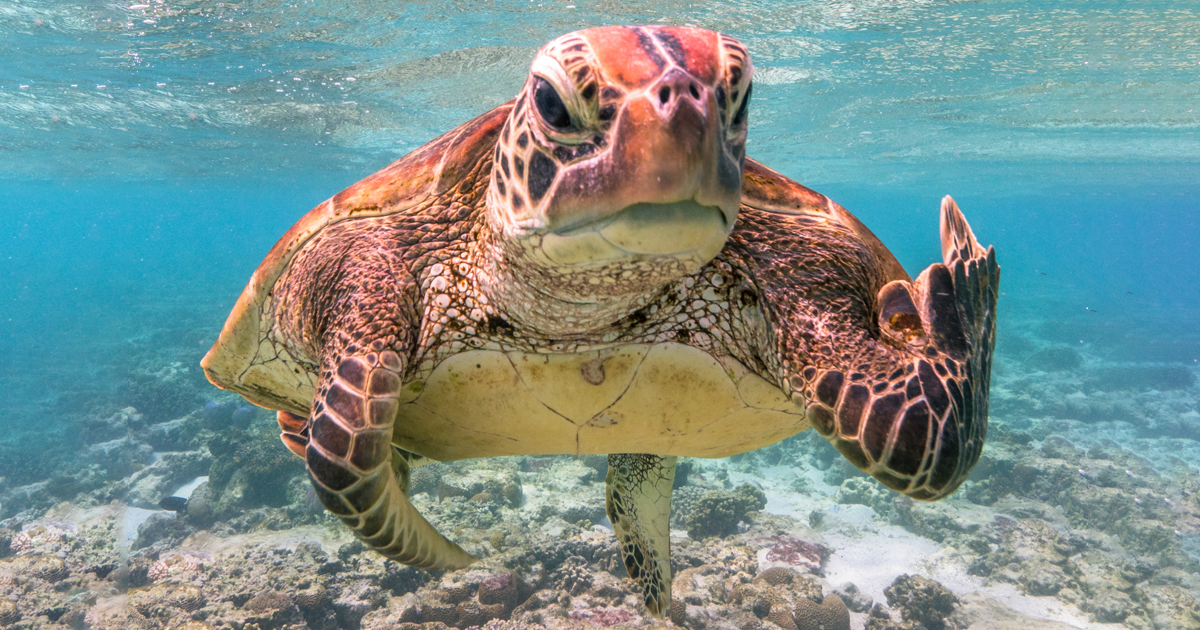
Let us begin with the star of the hour: Mark Fitzpatrick’s Terry the Turtle Flipping the Bird, the overall winner of the 2020 Comedy Wildlife Photography Awards. This image became the face of the contest for good reason. It is one of those photos that lands instantly. There is no warm-up period. No explanation needed. You see it, and your brain immediately goes, “Well, that turtle has opinions.”
Captured near Lady Elliot Island in Queensland, Australia, the shot freezes a turtle in a position that makes one raised flipper look suspiciously rude. Of course, Terry was not actually being offensive. He was simply moving through the water as turtles do. But photography is all about the exact fraction of a second, and Fitzpatrick happened to catch the marine equivalent of a perfectly timed comeback.
What makes the image more than a one-joke wonder is its technical quality. This is not just a funny turtle picture. It is a strong wildlife photograph with clean composition, engaging subject placement, and underwater clarity that pulls the viewer in. The comedy lands because the photography works. If the frame were messy or the timing off by half a beat, the magic would disappear. Instead, the photo feels effortless, which usually means it absolutely was not.
That is why Terry the Turtle Flipping the Bird became such a fitting overall winner. It captures the spirit of the Comedy Wildlife Photography Awards in one frame: natural beauty, comic illusion, perfect timing, and just enough attitude to make viewers laugh out loud before forwarding it to everyone they know.
Meet the Other 2020 Category Winners
The overall champion may have taken the loudest bow, but the rest of the 2020 Comedy Wildlife Photography Awards winners deserve their own standing ovation too. The contest’s strength is variety. The humor does not come from one kind of animal or one kind of visual gag. It comes from a whole buffet of accidental performance art.
Charlie Davidson’s Almost Time to Get Up
This land-category winner features a raccoon in a pose that looks painfully familiar to anyone who has ever hit snooze too many times. The animal seems to be emerging from a tree hollow with the energy of someone realizing they were supposed to be awake an hour ago. It is sleepy, awkward, and deeply relatable. In other words, it is excellent comedy.
Tim Hearn’s Hide and Seek
The air-category winner proves that insects can be comedians too. Hearn’s image of an azure damselfly peeking from behind a stem has the shy theatricality of a stage performer checking whether the crowd is ready. The composition is elegant, the color is crisp, and the joke sneaks up on you. Tiny creature, big laugh.
Olin Rogers’ I’ve Got You This Time!
The junior-category winner is a lion cub image with all the energy of a playground ambush. It is playful, expressive, and packed with motion. Part of what makes it so charming is that it does not rely on exaggeration. Anyone who has ever watched young animals roughhouse knows that nature often comes preloaded with slapstick.
Daisy Gilardini’s Deadly Fart
Yes, that title is doing some heavy lifting, and yes, it absolutely earns it. Gilardini’s winning portfolio of playful brown bear images leans into a type of humor so ancient and universal that it needs no translation. Still, what keeps it from becoming gimmicky is the quality of the storytelling across the series. The portfolio format lets the joke unfold like a mini silent film, and the result is unforgettable.
Roland Kranitz’s O Sole Mio
The people’s choice winner looks like a tiny ground squirrel decided to belt out an opera solo for an invisible audience. That title alone deserves a wink, but the image itself seals the deal. The posture, the expression, the theatrical flair: it all comes together like wildlife wandered onto a concert stage and nailed the encore.
What Makes These Funny Animal Photos So Effective?
The best comedy wildlife photos work because they balance two truths at the same time. First, animals are not performing for us. Second, humans cannot resist reading emotion, drama, and narrative into what they do. When those two realities collide, you get images that feel like visual one-liners.
But the humor is only half the story. Great wildlife photographers spend hours, days, and sometimes much longer waiting for meaningful moments. They study behavior, light, habitat, and movement. They need patience, skill, and luck in unhealthy quantities. So when viewers laugh at the 2020 Comedy Wildlife Photography Awards winners, they are also responding to craft, even if they do not realize it immediately.
That is why the strongest photos in this contest are not just “funny because animals are weird.” They are funny because the photographers knew when to press the shutter. A late click and the joke is gone. An early click and the punch line never lands. The winning images feel spontaneous, but behind that spontaneity is serious photographic discipline.
The Conservation Message Behind the Giggles
One of the smartest things about the Comedy Wildlife Photography Awards is that the contest refuses to separate joy from purpose. Many wildlife campaigns understandably focus on threat, loss, and urgency. Those messages matter. But constant catastrophe can exhaust people. Humor opens a different door.
By making viewers laugh first, the awards make them more receptive to caring second. A person who shares a funny turtle photo may also read the caption, learn about the contest’s conservation mission, and think a little longer about the habitats these animals depend on. Laughter becomes an entry point rather than a distraction.
That strategy feels especially effective in a contest like the 2020 Comedy Wildlife Photography Awards. The images humanize animals without turning them into cartoons. They remind us that wildlife is not just important in an abstract environmental sense. It is also vivid, expressive, and worth protecting because it enriches the world in ways both profound and delightfully ridiculous.
In a media environment where attention disappears in seconds, that matters. Funny wildlife photography does not just entertain. It sticks. And once a photo sticks in your mind, the conservation message attached to it has a better chance of staying there too.
Standout Finalists That Deserved Their Own Laugh Track
The winners grabbed the headlines, but the finalists from the 2020 Comedy Wildlife Photography Awards also helped make the competition feel so rich. There was a clumsy elephant calf in Faceplant, a puffin scene that practically screamed “office snack drama,” and a seal in Having a Laugh that looked like it had just heard the best joke in the North Atlantic.
Other finalists leaned into pure timing. Seriously, would you share some turned bird body language into a full sitcom subplot. Spreading the Wildlife Gossip transformed lions into neighborhood rumor professionals. I Could Puke gave penguin discomfort a theatrical flair most actors would envy. And Just Chillin’, featuring a raccoon in Ohio, looked like the furry embodiment of not paying rent but somehow still thriving.
That finalist group is part of why the contest had so much replay value. You do not look at these images once and move on. You keep scanning the frame, noticing new details, and constructing absurd mini-stories around them. The comedy grows with each glance. That is a sign of strong visual storytelling, not just a lucky animal face.
Why the 2020 Winners Still Hold Up
Some viral images burn bright and vanish fast. The 2020 Comedy Wildlife Photography Awards winners have had more staying power than that because they deliver more than a quick chuckle. They are memorable, genuinely well photographed, and rooted in something timeless: the human tendency to see ourselves in the natural world.
A turtle looks annoyed. A squirrel looks operatic. A raccoon looks like every exhausted adult on a Monday morning. None of that is literally true, of course, but the emotional translation happens instantly. That is what makes these images so shareable and so durable. They feel like inside jokes between humans and nature.
And honestly, in a world where the internet often feels like a demolition derby of bad takes and louder bad takes, a funny wildlife photo is a small miracle. It asks very little of the viewer. Just look. Just laugh. Maybe care a bit more afterward.
What It Feels Like to Experience the 2020 Comedy Wildlife Winners
Scrolling through the 2020 Comedy Wildlife Photography Awards winners is a very specific kind of experience. It starts as casual curiosity. You think you are about to glance at a few funny animal photos and move on with your day. Then, ten minutes later, you are still there, grinning at a turtle with attitude, a raccoon that looks emotionally unprepared for the morning, and a squirrel that seems ready to sign with a talent agency.
Part of the experience is surprise. Wildlife photography often comes wrapped in a certain seriousness. People expect dramatic predator stares, sweeping migration scenes, or rare moments of survival. Then the Comedy Wildlife Photography Awards arrive and cheerfully remind everyone that nature also contains slapstick, awkwardness, confusion, and what can only be described as accidental stand-up comedy. That shift is refreshing. It feels like someone opened a window in a room that had gotten too solemn.
There is also something oddly therapeutic about these images. They do not ask you to solve anything. They do not demand a complicated opinion. They simply give your brain permission to enjoy a moment. In the case of the 2020 winners, that mattered even more. People were tired. Many were anxious. A funny wildlife image was not going to fix the world, but it could interrupt the emotional static for a minute. Sometimes that minute is worth a lot.
Another layer of the experience is recognition. Not recognition of the exact animals, of course, but of the moods. That is why these photos land so well. The expressions and poses feel familiar. The lion cub looks like a kid plotting nonsense. The damselfly looks shy. The raccoon looks under-caffeinated. The bear portfolio has the kind of escalating comic chaos that belongs in a sitcom montage. Viewers are not just laughing at animals. They are laughing at the tiny mirror those animals accidentally hold up to human behavior.
Then comes appreciation. After the first laugh, many people realize these shots are genuinely difficult to capture. Wildlife does not take direction. Turtles do not repeat the bit for a second take. Raccoons do not hold their pose because the lighting is better from the left. The experience of looking at these winning photos gradually shifts from “That is hilarious” to “Wait, that photographer must have incredible patience.” The humor opens the door, but the craftsmanship keeps people inside.
There is also joy in the variety. One image feels like physical comedy. Another feels like a character sketch. Another has the energy of a perfectly timed reaction shot from a sitcom. The 2020 Comedy Wildlife Photography Awards winners prove that the natural world contains every kind of comic mood, from dry wit to full chaos. It is hard not to feel delighted by that range.
Most of all, the experience leaves behind warmth. Not the fake, forced kind of internet positivity that vanishes on contact, but real warmth. The kind that comes from being reminded that wild animals are not distant symbols in a documentary voice-over. They are living creatures moving through their own worlds, and sometimes, purely by chance, they create moments that make humans laugh out loud. That shared laugh becomes a bridge. It makes wildlife feel closer. And when something feels closer, people are often more willing to protect it.
That may be the quiet brilliance of the 2020 winners. They are funny, yes. They are wildly shareable, absolutely. But they also create a brief emotional connection between viewers and the natural world. You come for the joke. You stay for the wonder. And somewhere between the two, conservation suddenly feels less like homework and more like common sense.
Final Thoughts
The winners of the 2020 Comedy Wildlife Photography Awards did more than make the internet laugh. They showcased how brilliant wildlife photography can be when technical skill, comic timing, and conservation purpose all share the same frame. From Mark Fitzpatrick’s unforgettable turtle to the raccoon, damselfly, lion cub, singing squirrel, and delightfully immature bear portfolio, the year’s winners proved that nature does not need a script to be hilarious.
That is the lasting appeal of the Comedy Wildlife Photography Awards. They celebrate the wild as something beautiful, surprising, and yes, deeply funny. In a world that often takes itself too seriously, these photos are a reminder that laughter can be one of the most powerful ways to get people to look closer. And when people look closer, they are more likely to care.













