
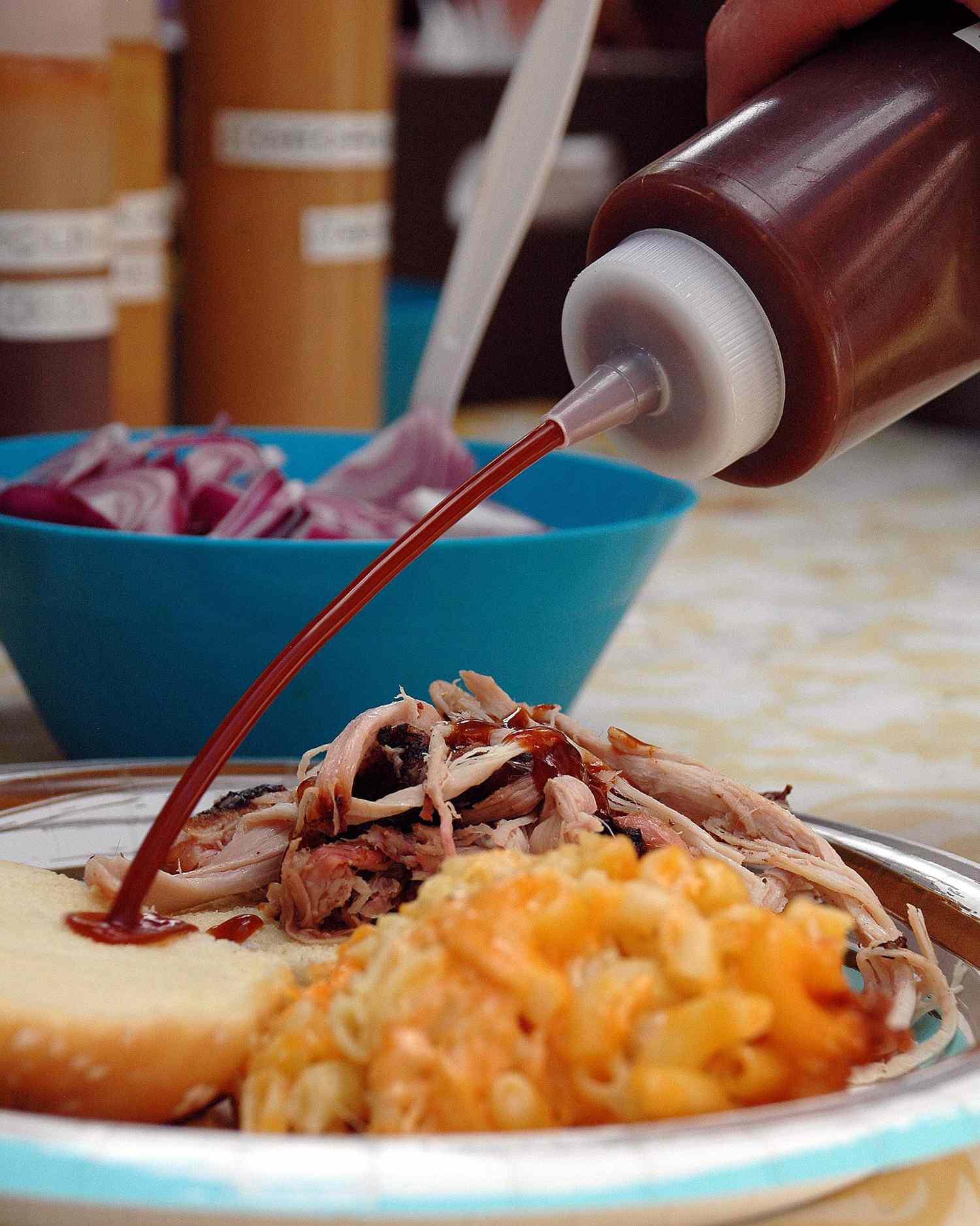
Some recipes whisper. This one walks into the backyard like it owns the smoker.
A good pulled pork finishing sauce recipe is one of those barbecue secrets that sounds tiny but changes everything. You can smoke or roast a beautiful pork shoulder, pull it into juicy strands, pile it high on buns, and still feel like something is missing. Then along comes finishing sauce: tangy, savory, lightly sweet, a little peppery, and just bold enough to wake up every bite without turning your pork into a sticky candy bar in a sandwich bun.
That is the whole point. A finishing sauce is not the same thing as a heavy barbecue sauce. It is thinner, brighter, and designed to slip into the meat instead of sitting on top like a winter coat. It adds moisture, balances richness, and helps pulled pork taste lively instead of sleepy. If your last batch of pork tasted a little flat the next day, this sauce is your comeback story.
In this guide, you will get a homemade sauce recipe, step-by-step instructions, variations, serving ideas, and the kind of practical tips that save dinner from becoming “pretty good” when it could have been unforgettable.
What Is a Pulled Pork Finishing Sauce?
A finishing sauce for pulled pork is a thin sauce added after the pork is cooked and shredded. Unlike thick barbecue sauce, which is usually brushed on or served on the side, finishing sauce is mixed directly into the meat in small amounts. It is there to season, brighten, and moisten the pork without drowning the smoky flavor you worked so hard to build.
The best versions usually lean on apple cider vinegar, a little sweetness, salt, black pepper, and a touch of heat. Some recipes include ketchup for body and color. Others skip tomato completely and stay close to a classic Carolina-style vinegar sauce. Neither path is wrong. The real goal is balance: enough acidity to cut through rich pork shoulder, enough seasoning to make the meat taste awake, and enough restraint to let the pork still taste like pork.
Why Finishing Sauce Works So Well
Pulled pork is delicious because pork shoulder is rich, marbled, and forgiving. That same richness can become heavy if the meat is served plain or coated only in sweet sauce. A good vinegar sauce for pulled pork solves that problem in one ladle.
First, the acid cuts through fat and makes each bite feel lighter. Second, the sauce adds moisture back into the shredded meat, which is especially helpful if your pork rested a little too long or sat under foil while the side dishes staged a minor rebellion. Third, it spreads seasoning more evenly through the pork. Salt and pepper on the bark are wonderful, but the inside strands deserve a little love too.
This is why great barbecue joints often serve pork that tastes seasoned all the way through, not just on the crust. The meat gets help after the pull.
Pulled Pork Finishing Sauce Recipe
Ingredients
- 1 1/2 cups apple cider vinegar
- 1/3 cup ketchup
- 1/4 cup packed brown sugar
- 2 tablespoons Worcestershire sauce
- 1 tablespoon hot sauce
- 1 teaspoon kosher salt
- 1 teaspoon coarsely ground black pepper
- 1 teaspoon red pepper flakes
- 1/2 teaspoon garlic powder
- 1/2 teaspoon onion powder
- 2 tablespoons reserved pork drippings, optional but excellent
Instructions
- Add all ingredients to a small saucepan.
- Warm over medium heat, whisking until the sugar dissolves and the sauce is fully blended, about 3 to 5 minutes.
- Do not boil it aggressively. This is a finishing sauce, not a syrup audition.
- Remove from heat and let it cool slightly.
- Taste and adjust. Add more brown sugar if you want it sweeter, more vinegar if you want it brighter, or a little more hot sauce if your crowd likes a friendly kick.
- Toss with warm pulled pork a little at a time until the meat is glossy, juicy, and seasoned, but not swimming.
This recipe makes enough sauce for a large pork shoulder, usually about 6 to 8 pounds before cooking. If you are serving sauce on the side too, consider doubling the batch. People become strangely emotional when the good sauce runs out.
How Much Finishing Sauce to Use
The safest move is to start with about 1/4 cup of finishing sauce per pound of pulled pork, then add more as needed. Stir, taste, and stop once the pork looks moist and tastes balanced. You want the meat to feel juicy, not soupy. If liquid pools in the bottom of the bowl like a tiny barbecue pond, you have gone too far.
A smart trick is to mix some sauce into the pork for flavor, then keep a little extra on the side for sandwiches. That way, guests who want more tang can add it themselves, and guests who think black pepper is “wild” can proceed cautiously.
What This Sauce Tastes Like
This homemade pulled pork sauce is bright and tangy from the apple cider vinegar, gently sweet from brown sugar, savory from Worcestershire, and slightly spicy from pepper and hot sauce. The ketchup does not make it thick or overly tomato-heavy. Instead, it rounds out the edges and gives the sauce a deeper color and a little body.
The result is a sauce that makes pork taste more porky, not less. That may sound silly, but it matters. The sauce should support the smoked meat, not cover it up like bad karaoke over a great song.
Best Times to Add Finishing Sauce
Right After Pulling
This is the ideal moment. The pork is hot, the strands are open, and the sauce can coat everything evenly. Toss gently and taste as you go.
Before Serving a Crowd
If the pork has been resting in a pan, finishing sauce can bring it back to life just before dinner. Warm the sauce slightly first so the meat stays hot.
When Reheating Leftovers
Leftover pulled pork often loses some sparkle in the refrigerator. A splash of finishing sauce during reheating revives moisture and flavor fast. It is the culinary version of a power nap and a decent espresso.
Easy Variations to Try
Carolina-Style Finishing Sauce
Skip or reduce the ketchup. Increase the vinegar slightly and let black pepper and red pepper flakes do more of the work. This version is sharper, lighter, and especially good with smoked pork shoulder.
Sweeter Finishing Sauce
Add 1 to 2 extra tablespoons of brown sugar or a little honey. This version works well if your rub is spicy or your guests like a gentler, more familiar barbecue flavor.
Mustard Twist
Whisk in 1 tablespoon yellow mustard for a subtle South Carolina-inspired vibe. It adds tang, color, and a little extra backbone.
Smoky Version
Add a small pinch of smoked paprika. Go easy. The pork should bring the smoke; the sauce should not smell like a campfire in a spice rack.
No-Cook Shortcut
If you are in a hurry, whisk everything together without heating. The warm version blends more smoothly, but the no-cook method still works when dinner is already giving you attitude.
Mistakes That Can Ruin a Finishing Sauce
Making It Too Thick
A finishing sauce should be pourable and light. If it turns into a glaze, it stops being a finishing sauce and starts behaving like standard barbecue sauce. Delicious, maybe. Correct for this job, not really.
Adding Too Much Sugar
Pulled pork already has natural richness, and many rubs contain sugar too. If the sauce is too sweet, the pork can lose its savory edge. A finishing sauce should lean tangy first.
Pouring It All In at Once
Always add sauce gradually. Pork can absorb more liquid than you think, but once it becomes soggy, there is no magical undo button.
Ignoring Salt
Acid and sugar get all the attention, but salt is what makes the whole thing taste complete. A sauce that is tangy but under-seasoned will feel unfinished.
Forgetting the Drippings
If you have defatted pork juices from the pan or foil wrap, add a spoonful or two to the sauce. That little move builds deeper pork flavor and makes the sauce taste like it belongs with the meat instead of arriving as a random guest.
What to Serve With Pulled Pork Finishing Sauce
This sauce is made for sandwiches, but it does not stop there. Toss it with pulled pork for sliders, tacos, baked potatoes, nachos, rice bowls, mac and cheese toppers, or barbecue plates with slaw and beans. It is also great spooned lightly over chopped pork served with pickles and white bread.
For side dishes, think contrast. Creamy coleslaw, baked beans, potato salad, cornbread, roasted sweet potatoes, and crisp pickles all play well with a tangy sauce. Acid loves richness. Crunch loves softness. Barbecue loves a crowded table.
How to Store It
Let the sauce cool, then store it in a clean jar or squeeze bottle in the refrigerator. It is best when used within about 1 to 2 weeks. Shake or stir before using, because the spices like to settle down and take a nap at the bottom.
You can also make the sauce a day ahead. In fact, it often tastes even better after a little rest because the pepper, vinegar, and sugar have time to get acquainted.
Can You Use It on Other Meats?
Absolutely, though pork is where this sauce really struts. It works on chopped chicken, smoked turkey, grilled pork chops, and even roasted vegetables if you like a tangy finish. That said, pulled pork is still the home game. The acidity was practically born for rich, shredded shoulder meat.
Final Thoughts on Making the Best Pulled Pork Finishing Sauce
The best pulled pork finishing sauce recipe is not the fanciest one. It is the one that makes your pork taste juicier, brighter, and more balanced without stealing the spotlight. A good finishing sauce respects the bark, lifts the interior meat, and makes every bite feel intentional.
If you have never used one before, start with the recipe here and adjust it to your style. Like it sharper? Add more vinegar. Prefer a sweeter edge? Nudge up the brown sugar. Want more heat? Bring on the pepper flakes. Once you find your version, you will start wondering how you ever served pulled pork without it.
And that is how barbecue habits begin. First it is one batch of sauce. Next thing you know, you are discussing vinegar ratios with suspicious confidence and guarding pork drippings like they are family treasure.
Experience: What I Learned From Making Pulled Pork Finishing Sauce Again and Again
The first time I made a finishing sauce, I expected fireworks. Not literal fireworks, which is good because my grill area has enough drama already. I thought I would pour it over pulled pork and instantly unlock some secret barbecue level reserved for apron-wearing legends. What actually happened was more useful: I learned that little adjustments matter more than flashy ingredients.
My earliest batch was too sweet. I had fallen into the common trap of thinking barbecue sauce had to taste like a candy-apple county fair. The pork was tender, but every sandwich felt heavy after two bites. The next time, I backed off the sugar, pushed up the vinegar, and suddenly the meat tasted brighter and more alive. That was the moment I understood what finishing sauce is supposed to do. It should not bury the pork. It should introduce the pork to its better self.
Another lesson came from leftovers. Day-one pulled pork is usually the star of the show, but day-two pulled pork can go in a few different directions. Sometimes it is glorious. Sometimes it tastes a little tired, like it stayed up too late answering emails. I started reheating leftovers with a spoonful of finishing sauce, and the difference was huge. The pork loosened up, the flavors sharpened, and the whole batch stopped tasting like “refrigerator pork” and started tasting like dinner on purpose.
I also learned that people react very differently to sauce at the table. Some want every strand dressed and glistening. Others want just enough to keep things moist. That is why I now mix a moderate amount into the pork and serve extra sauce on the side. This keeps peace in the household and prevents the barbecue equivalent of a family policy debate.
One of my favorite experiences with finishing sauce happened during a casual weekend cookout. I made a full pork shoulder, set out buns, slaw, pickles, and the usual supporting cast, then quietly added finishing sauce to only half the pork. I did not announce it. I just watched. The sauced pork disappeared first. People described it as juicier, more savory, and somehow “more barbecue,” even though the flavor was actually lighter than the thick bottled sauce on the table. That told me something important: balance tastes bigger than sugar.
Now I treat finishing sauce like a final seasoning, the same way a cook might finish soup with lemon or pasta with cheese and pepper. It is not a gimmick. It is the last thoughtful move before serving. Once I started seeing it that way, my pulled pork became more consistent, more flexible, and a lot more popular. It turns out barbecue does not always need a dramatic reinvention. Sometimes it just needs a splash of vinegar, a little black pepper, and the good sense not to overdo it.














