
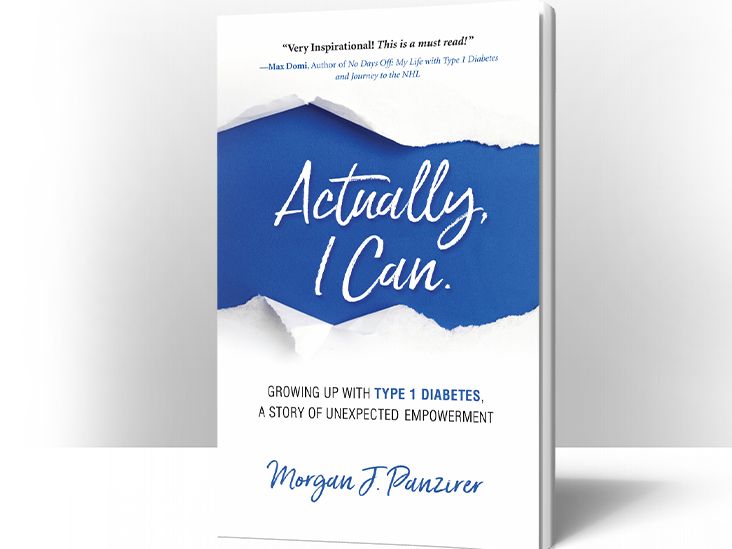
Every so often, a diabetes book arrives that does not feel like homework wearing a cardigan. Actually, I Can: Growing Up with Type 1 Diabetes, A Story of Unexpected Empowerment by Morgan J. Panzirer is one of those books. It is part memoir, part encouragement letter, part practical reality check, and part “please stop assuming people with type 1 diabetes cannot do things” manifesto.
Published in 2020, the book follows Panzirer’s life after being diagnosed with type 1 diabetes as a child. Instead of presenting diabetes as the villain in a dramatic movie trailer, she tells the story of a young person learning how to live fully while managing blood sugar checks, insulin, school, friendships, advocacy, technology, frustration, and the occasional emotional plot twist. The result is a diabetes memoir that feels personal without becoming self-pitying, educational without sounding like a medical pamphlet, and hopeful without pretending that chronic illness is secretly a fun summer camp.
What Is “Actually, I Can” About?
Actually, I Can is a coming-of-age memoir centered on growing up with type 1 diabetes. The title works because it flips a familiar assumption. People with diabetes often hear some version of, “Can you do that?” Can you play sports? Can you travel? Can you go to college? Can you eat that? Can you live normally? Panzirer’s answer is right there on the cover: actually, yes.
The book’s strength is that it does not reduce type 1 diabetes to a list of symptoms and supplies. It shows the condition as something that follows a person into classrooms, family routines, friendships, social events, medical appointments, and big dreams. Readers get a sense of what it means to grow up with a body that requires constant attention but still belongs to a whole person with goals, humor, ambition, and a life larger than a glucose reading.
Who Is Morgan J. Panzirer?
Morgan J. Panzirer was diagnosed with type 1 diabetes at age six. By the time her book was released, she had already become involved in diabetes advocacy and education. Her story is especially interesting because she writes from the perspective of someone close enough to childhood diagnosis to remember the confusion and fear, but mature enough to reflect on what those experiences taught her.
That perspective matters. Many diabetes books are written by clinicians, parents, researchers, or adults looking back after decades. Those voices are valuable, but Panzirer’s memoir adds something different: the voice of a young person explaining what it feels like to grow up with type 1 diabetes while still building identity, confidence, independence, and a sense of possibility.
Why This Diabetes Book Stands Out
1. It Makes Type 1 Diabetes Feel Human
Type 1 diabetes is an autoimmune condition in which the body does not produce enough insulin, a hormone needed to move glucose from the bloodstream into cells for energy. Management usually involves insulin, monitoring glucose levels, planning around meals and activity, and staying alert for high and low blood sugar. That is the medical summary. The human summary is simpler: it is a lot.
Panzirer’s book succeeds because it does not treat diabetes management as a tidy checklist. It acknowledges the emotional and social side of the condition. A reader can understand that diabetes is not just “take insulin and move on.” It is remembering supplies, explaining devices, dealing with interruptions, answering awkward questions, and learning how to be independent without acting like help is forbidden.
2. It Avoids the “Inspirational Poster” Trap
Some books about chronic illness lean so hard into inspiration that you can practically hear a violin warming up in the background. Actually, I Can is more grounded than that. Yes, it is encouraging. Yes, it is optimistic. But the optimism comes from resilience, not denial. The book does not suggest that type 1 diabetes is easy. It suggests that difficulty does not get the final vote.
That distinction is important for readers who live with diabetes. Nobody wants to be told that their exhaustion is simply a “mindset problem.” At the same time, nobody wants a book that turns diagnosis into a locked door. Panzirer walks between those extremes with a message that feels practical: diabetes changes things, but it does not cancel the person.
3. It Speaks to Families, Not Just Patients
One of the most useful audiences for this book may be parents and caregivers of children newly diagnosed with type 1 diabetes. A new diagnosis can make families feel as if they have been handed a medical device, a carb-counting worksheet, and a tiny panic button all at once. Reading a young adult’s story can help families imagine a future beyond the first overwhelming weeks.
The book gives families something they badly need: perspective. A child with type 1 diabetes can still go to school, make friends, take trips, pursue activities, and grow into an independent adult. That does not mean parents should relax into complete chaos and let the insulin pump fend for itself like a houseplant. It means support can be paired with confidence.
Book Review: The Main Themes
Empowerment Without Sugarcoating
The biggest theme of Actually, I Can is empowerment. But the book’s version of empowerment is not loud or unrealistic. It is not “diabetes made everything better,” because that would be a strange sentence and possibly grounds for a group eye-roll. Instead, the book shows how living with type 1 diabetes can build skills: preparation, self-advocacy, patience, communication, and persistence.
For young readers, that message can be powerful. Type 1 diabetes often demands adult-level responsibility from children and teens. They may need to recognize symptoms of hypoglycemia, explain their needs to teachers, carry supplies, manage technology, and make decisions while everyone else is simply wondering what is for lunch. Panzirer’s story validates that responsibility without making it sound like a superhero origin story.
Advocacy and Education
Another major theme is advocacy. The book encourages readers to learn, speak up, and correct misunderstandings. This is especially relevant because type 1 diabetes is still widely confused with type 2 diabetes. Both are serious conditions, but they are not the same. Type 1 is autoimmune and requires insulin for survival; it is not caused by eating too much sugar. That myth deserves to be retired permanently, preferably in a locked drawer labeled “Things People Should Stop Saying.”
Panzirer’s personal story helps make education less intimidating. Instead of delivering a lecture, she shows why clear communication matters. A student may need a 504 Plan at school. A teen may need permission to treat a low blood sugar during class. A young adult may need to explain diabetes technology to friends or roommates. These moments are not side notes; they are part of real life with type 1 diabetes.
Independence and Growing Up
Growing up already comes with enough moving parts: identity, school pressure, friendships, family expectations, future plans, and the deeply unfair discovery that laundry does not wash itself. Add type 1 diabetes, and independence becomes more complicated. Panzirer’s memoir captures that transition from relying heavily on adults to learning how to manage more responsibilities personally.
This is one of the most relatable parts of the book. Diabetes management is not just medical; it is developmental. A child gradually becomes a teen who wants freedom, then a young adult who needs to manage health in new environments. The book recognizes that independence is not a single moment. It is built through practice, mistakes, support, and the courage to say, “I know what I need.”
What Readers Will Learn from the Book
Readers who are new to type 1 diabetes will come away with a better understanding of the daily rhythm of the condition. They will see why insulin matters, why monitoring blood sugar can be constant, why technology such as continuous glucose monitors and insulin pumps can be helpful, and why emotional support is not optional decoration.
Readers already familiar with diabetes may appreciate the book for a different reason: recognition. Sometimes the most comforting thing a book can say is not “Here is brand-new information,” but “Yes, this experience is real.” The small interruptions, the planning, the awkward questions, the pride after handling a hard day, the frustration when numbers refuse to behave like polite gueststhose details matter.
Strengths of “Actually, I Can”
It Is Accessible
The book is easy to approach, which makes it useful for teens, parents, siblings, teachers, and friends. It does not require a medical degree, a research background, or the ability to pronounce “endocrinologist” confidently on the first try. The writing is personal and direct, which helps readers stay connected to the story.
It Offers Representation
Representation matters in chronic illness literature. Young people with type 1 diabetes benefit from seeing someone like them living, learning, struggling, and moving forward. For readers without diabetes, the book builds empathy. It turns diabetes from an abstract condition into a lived experience with alarms, decisions, emotions, and ordinary teenage moments.
It Encourages Self-Advocacy
One of the book’s most valuable lessons is that self-advocacy is a skill. People with diabetes often need to explain their needs calmly and clearly, whether at school, during activities, in social settings, or in medical care. Panzirer’s story models that confidence in a way that feels encouraging rather than preachy.
Possible Weaknesses
Readers looking for a highly technical diabetes management guide may want to pair this book with medical resources from a diabetes care team. Actually, I Can is primarily a memoir and empowerment story, not a clinical textbook. It can help readers feel understood and motivated, but it should not replace professional guidance on insulin dosing, device settings, nutrition, or treatment plans.
Another limitation is that every diabetes experience is different. Access to technology, insurance coverage, family support, school resources, and healthcare teams can vary widely. Panzirer’s story is valuable, but no single memoir can represent every person living with type 1 diabetes. The best way to read it is as one honest story with lessons that many readers can adapt to their own lives.
Who Should Read This Book?
Actually, I Can is a strong choice for teens with type 1 diabetes, parents of newly diagnosed children, caregivers, teachers, school nurses, siblings, and friends who want to understand more than the basics. It may also appeal to readers interested in patient advocacy, youth memoirs, and stories about resilience.
For a newly diagnosed family, the book can offer reassurance. For a teen, it can offer recognition. For a teacher, it can offer perspective. For a friend, it can answer questions they may feel awkward asking. And for anyone who still thinks diabetes is simply about “not eating cupcakes,” it can provide a much-needed educational tune-up.
Experiences Related to “Actually, I Can” and Life with Type 1 Diabetes
Reading a book like Actually, I Can can feel different depending on where someone is in the diabetes journey. For a newly diagnosed child or teen, the title alone may feel like a lifeline. After diagnosis, life can suddenly become crowded with new vocabulary: basal insulin, bolus insulin, glucose meter, CGM, ketones, correction factor, carb ratio, endocrinology appointment. It is a lot of words for a person who may still be trying to remember where they left their backpack.
One common experience among families is the first return to school after diagnosis. A parent may worry about lunch, recess, sports practice, field trips, and whether the adults at school understand what to do. A student may worry about looking different, being interrupted by alarms, or having to explain diabetes to classmates. In that setting, the message of Actually, I Can becomes practical. It reminds families that diabetes planning is not about limiting a child’s life; it is about building the support that allows the child to participate safely.
Another familiar experience is the emotional roller coaster of numbers. A blood sugar reading can feel unfairly personal, even when it is affected by food, insulin timing, stress, hormones, sleep, illness, activity, and approximately one thousand other variables that apparently enjoy surprises. A teen may do everything “right” and still see a number that makes no sense. Books like this help by showing that frustration is part of the experience, not a character flaw.
Social situations can also be tricky. Someone with type 1 diabetes might need to check a device during a movie, treat a low during a test, count carbohydrates at a party, or explain why they carry snacks everywhere like a tiny emergency grocery store. The outside world may see only the action. The person living it feels the decision-making behind the action. Panzirer’s story helps readers understand that confidence often grows through these everyday moments.
The most meaningful experience connected to this book may be the shift from “Can I?” to “How can I?” That shift is powerful. Instead of asking whether diabetes automatically blocks an activity, the question becomes how to plan for it. How can I travel with supplies? How can I play sports safely? How can I talk to my teacher? How can I explain my CGM to a friend? How can I ask for help without feeling embarrassed? That is where empowerment becomes real.
Actually, I Can does not promise a perfect life with type 1 diabetes. Instead, it offers something better: a believable life. A life with alarms and achievements, hard days and proud days, medical routines and normal dreams. That is the kind of representation that can make a reader sit up and think, “Maybe I can handle this, too.”
Final Verdict: Is “Actually, I Can” Worth Reading?
Yes. Actually, I Can is worth reading because it gives type 1 diabetes a human voice. It is not the most technical diabetes book on the shelf, and it is not trying to be. Its value lies in storytelling, perspective, and encouragement. Morgan J. Panzirer turns a personal diagnosis into a broader message about resilience, self-advocacy, and refusing to let other people’s assumptions set the boundaries of your life.
For readers searching for a new diabetes book review, the key takeaway is simple: Actually, I Can is a thoughtful, accessible, and empowering memoir that can help teens, families, and supporters better understand life with type 1 diabetes. It respects the difficulty of the condition while still making room for humor, ambition, and hope. In other words, it does exactly what the title promises.
Editorial note: This review is for educational and informational purposes only. It is not medical advice. People living with diabetes should work with qualified healthcare professionals for personal treatment decisions.













