
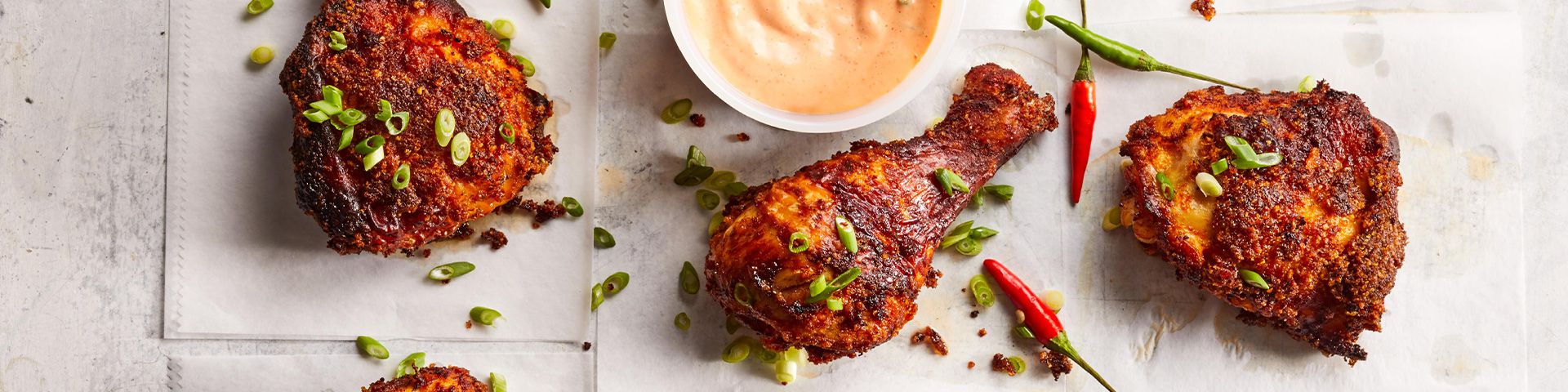
Chicken recipes have one job: save dinner without making your kitchen look like a cooking show finale. Thankfully, chicken is up for the challenge. It can be roasted, grilled, braised, fried, shredded, simmered into soup, tucked into casseroles, or crisped in a skillet until the edges practically sing. It works on busy Tuesdays, lazy Sundays, and those strange evenings when everyone wants “something good” but nobody wants to explain what that means.
The real magic of chicken recipes is range. A pack of chicken thighs can become a lemony sheet-pan dinner, a sticky barbecue sandwich filling, or a cozy braise with onions and garlic. Chicken breasts can go from plain and forgettable to juicy and golden with better timing and a solid pan sauce. A whole bird can feel company-worthy without requiring chef-level drama. And leftover or rotisserie chicken? That is dinner’s version of finding cash in an old coat pocket.
This guide breaks down the best kinds of chicken recipes, how to choose the right cut, what techniques make chicken taste better, and how to avoid the dry, bland fate that has haunted many a boneless breast. Along the way, you’ll get practical ideas, flavor combinations, and real-life kitchen wisdom you can actually use.
Why Chicken Recipes Never Leave the Weekly Rotation
Chicken stays popular because it is one of the most adaptable proteins in an American kitchen. It can take on smoky, spicy, creamy, herby, citrusy, garlicky, sweet-savory, or deeply comforting flavors without complaint. It cooks relatively quickly compared with larger cuts of meat, and it plays well with almost every pantry staple: rice, pasta, potatoes, beans, broth, cream, tomatoes, lemons, mustard, soy sauce, and plenty more.
It also comes in forms that fit different moods. Chicken thighs are juicy, forgiving, and rich enough to stand up to high heat or bold sauces. Chicken breasts are leaner and faster cooking, which makes them ideal for quick skillet meals, cutlets, salads, and sandwiches. Wings are built for game day glory. Drumsticks are budget-friendly and fun to eat. A whole chicken delivers crispy skin, tender meat, and usually tomorrow’s lunch too.
Then there is the convenience factor. One-pan and one-skillet chicken recipes cut cleanup. Slow-roasted chicken brings big flavor with little hands-on effort. Rotisserie chicken shortcuts soup, casseroles, tacos, sliders, and pasta bakes. In other words, chicken is not just dinner. It is a survival strategy.
How to Choose the Right Chicken for the Right Recipe
Chicken Breasts
Best for fast dinners, cutlets, sandwiches, salads, and skillet meals. Chicken breasts cook quickly, but they can dry out if they stay over heat too long. They benefit from pounding to even thickness, marinating, quick searing, or gentle oven finishing. Think lemon butter chicken, chicken Parmesan, creamy skillet chicken, or grilled chicken sliced over greens.
Chicken Thighs
Best for sheet-pan dinners, roasting, braising, grilling, and bold sauces. Thighs are the dependable overachievers of chicken recipes. They stay juicy, handle stronger seasoning well, and crisp beautifully with the skin on. If chicken breasts are the neat students in the front row, thighs are the cool kids who still ace the test.
Whole Chicken
Best for Sunday roasts, meal prep, and feeding a group. A whole roast chicken looks impressive, smells incredible, and gives you multiple textures in one meal: crisp skin, juicy breast meat, rich dark meat, and bones for broth later. Pair it with potatoes, carrots, shallots, onions, or lemon halves, and dinner practically introduces itself.
Shredded or Rotisserie Chicken
Best for soups, casseroles, enchiladas, chicken salad, sliders, rice bowls, and leftover makeovers. This is the answer for nights when cooking from scratch sounds noble but unrealistic.
The Best Types of Chicken Recipes to Master
1. Sheet-Pan Chicken Recipes
Sheet-pan chicken recipes are weeknight royalty. You season the chicken, add vegetables that roast in roughly the same time window, slide the pan into the oven, and let heat do the heavy lifting. Good combinations include chicken thighs with broccoli and carrots, lemon-garlic chicken with potatoes, or honey-mustard chicken with Brussels sprouts. The pan drippings mingle with the vegetables, and suddenly your side dish has a personality.
The biggest advantage here is balance. Protein, vegetables, and often your starch all cook together. Cleanup stays reasonable, and the flavor-to-effort ratio is excellent.
2. Skillet Chicken Recipes
A good skillet chicken recipe feels like a secret weapon. Start with a hot pan, get a golden crust, then build a sauce from what is left behind. That sauce might include butter, garlic, lemon juice, broth, cream, mustard, white wine, tomatoes, or herbs. Serve it over rice, pasta, toast, mashed potatoes, or straight from the pan while pretending you are “just tasting.”
Skillet chicken is especially good for breasts and thighs. It rewards attention, but it does not demand an entire evening.
3. Roast Chicken Recipes
Roast chicken recipes are timeless because they make simple ingredients feel bigger than they are. Salt, pepper, fat, and heat can transform a plain bird into something deeply satisfying. Add lemon, garlic, rosemary, thyme, paprika, honey, mustard, or onion, and you have endless variations without reinventing dinner from scratch.
For a classic approach, pat the chicken dry, season well, and roast until the skin is bronzed and the meat is cooked through. Surround it with root vegetables for a one-pan meal, or keep the sides separate and let the chicken take center stage.
4. Grilled Chicken Recipes
Grilled chicken recipes shine when you want smoky flavor and a little char. Marinades with oil, acid, aromatics, and herbs work especially well here. Think garlic-lime chicken, barbecue chicken thighs, yogurt-marinated spiced chicken, or rosemary vinegar grilled breasts. Grilling adds flavor fast, but timing matters. Pulling chicken too late turns “summer dinner” into “why is this so chewy?” territory.
5. Braised and Saucy Chicken Recipes
When the weather cools down or comfort is non-negotiable, braised chicken is the answer. Chicken cooks gently in liquid until tender, soaking up flavor the whole time. Tomato-based braises, soy-ginger sauces, creamy mustard sauces, onion-rich gravies, and barbecue-style braises all belong here. Bone-in thighs and drumsticks are especially good candidates because they stay moist and become deeply flavorful.
6. Chicken Soup and Stew Recipes
Chicken soup is not just food. It is emotional infrastructure. A good chicken soup can be brothy and light with noodles, rice, and vegetables, or thick and hearty with beans, dumplings, or potatoes. Stews go even deeper, delivering slow-cooked flavor and serious comfort. These recipes are also flexible, which makes them ideal for using up leftover cooked chicken or vegetables hiding in the crisper drawer.
7. Chicken Casserole Recipes
Casseroles are the cozy sweaters of chicken recipes. They are warm, reliable, and not concerned with trends. Chicken casseroles often combine shredded chicken with pasta, rice, tortillas, cheese, vegetables, and a creamy or savory binder. They are ideal for feeding a family, making ahead, or turning leftovers into something that feels fresh instead of reheated.
8. Leftover Chicken Recipes
Some of the smartest chicken recipes start after the first meal is over. Leftover chicken can become chicken salad with celery and herbs, Buffalo chicken dip, barbecue sliders, quesadillas, noodle soup, fried rice, grain bowls, pot pie filling, or creamy pasta. The trick is not to treat leftovers like a sad sequel. Give them crunch, acid, fresh herbs, or a new sauce, and they become a new dinner altogether.
How to Make Chicken Taste Better Every Time
Season More Confidently
Chicken needs help, and that is not an insult. Salt matters. Pepper matters. Garlic, onion powder, smoked paprika, cumin, oregano, thyme, rosemary, chili flakes, lemon zest, and mustard all matter too. Underseasoned chicken tastes like a missed opportunity.
Match the Method to the Cut
Breasts do well with fast, controlled cooking. Thighs handle higher heat and longer cooking more gracefully. Whole chickens benefit from dry skin and well-distributed seasoning. Using the right method for the cut is half the battle.
Build in Contrast
The best chicken recipes balance richness with brightness. If you have creamy sauce, add lemon or herbs. If you have sweet glaze, add vinegar or spice. If you roast chicken with potatoes, pair it with a crunchy salad. Contrast is what keeps a chicken dinner from feeling flat.
Respect the Rest
Let chicken rest a few minutes before slicing so the juices can redistribute. Cutting into it the second it leaves the oven is tempting, but patience pays off. That five-minute pause often makes the difference between juicy and disappointing.
Cook It Safely, Not Fearfully
Chicken should be cooked thoroughly, but not to the point of becoming edible cardboard. Use a thermometer and aim for the proper doneness. Safe chicken is good. Safe chicken that is still juicy is better.
Easy Chicken Recipe Ideas to Put on Repeat
Lemon-Garlic Roast Chicken: Roast bone-in chicken pieces with garlic cloves, lemon wedges, olive oil, and thyme. Serve with potatoes or crusty bread to catch the juices.
Honey-Mustard Chicken Thighs: Brush thighs with a mixture of Dijon mustard, honey, garlic, and black pepper, then roast until sticky at the edges.
Creamy Skillet Chicken: Sear chicken breasts, then finish them in a sauce of shallots, broth, cream, Parmesan, and spinach.
Barbecue Shredded Chicken: Slow-cook or oven-braise shredded chicken with onions and barbecue sauce for sandwiches, tacos, or baked potatoes.
Chicken and Rice Soup: Simmer chicken with carrots, celery, onion, broth, and rice for a classic dinner that somehow feels like a hug.
Sheet-Pan Chicken and Vegetables: Roast chicken thighs with broccoli, carrots, red onion, and a punchy seasoning blend for an easy all-in-one meal.
Grilled Herb Chicken: Marinate chicken in olive oil, vinegar, garlic, rosemary, and thyme, then grill and serve with corn or salad.
Chicken Casserole with a Crunchy Topping: Mix shredded chicken with vegetables, a creamy base, and noodles or rice, then top with crackers or breadcrumbs for texture.
Common Chicken Recipe Mistakes to Avoid
Cooking cold chicken straight from the refrigerator: Give it a few minutes to lose the chill so it cooks more evenly.
Skipping the drying step: Moisture on the surface fights browning. Pat the chicken dry if you want crisp skin or a good sear.
Using a crowded pan: If the chicken is packed too tightly, it steams instead of browning.
Ignoring carryover cooking: Chicken keeps cooking a bit after leaving the heat, so factor that into timing.
Repeating the same flavor profile forever: Chicken is versatile. Let it travel. One week go lemon-herb, next week barbecue, then soy-ginger, then creamy Tuscan, then spicy roasted. Your taste buds deserve some variety.
of Real-Life Experience With Chicken Recipes
Most people do not fall in love with chicken recipes because they are glamorous. They fall in love with them because chicken shows up. It shows up when the budget needs a break, when the family is hungry now, when guests are coming in an hour, when the weather says soup, and when the grill says summer. That reliability builds a certain kind of kitchen confidence.
One of the first real cooking lessons many home cooks learn comes from chicken breasts. At first, they seem simple. Then you overcook them once, maybe twice, maybe several times in a deeply committed streak, and suddenly you understand the value of timing, thickness, and resting meat. Chicken teaches technique in a very practical way. It gives immediate feedback. Dry and stringy? Too long. Pale and sad? Not enough heat. Perfectly juicy with a browned edge? Congratulations, dinner likes you back.
Chicken thighs create a different experience. They are the cut that convinces nervous cooks to relax. They forgive small mistakes. They taste rich without demanding much. Many people discover, after years of chasing “healthy” boneless breasts, that a well-roasted thigh with crisp skin and a tray of vegetables is more satisfying and often easier to cook well. It feels like upgrading your dinner without upgrading your stress level.
Then there is roast chicken, the dish that makes an ordinary evening feel important. A whole chicken in the oven changes the mood of a house. The smell alone suggests that someone in the kitchen has their life together, even if the sink is full and the grocery list was written on the back of an old receipt. Roast chicken has a way of turning basic ingredients into a real meal moment. Carve it at the table, and suddenly everyone appears on time.
Chicken soup creates another kind of memory. It is rarely flashy, but it is often personal. People remember who made it when they were sick, which version had noodles versus rice, whether it was bright with dill or heavy on black pepper, and whether someone always sneaked extra carrots into the pot. Chicken soup is often where recipe writing turns into family history.
Leftover chicken might be the most honest kitchen experience of all. It reflects how people really cook. A roast becomes sandwiches. Extra grilled chicken lands on salad. Rotisserie chicken turns into tacos, then soup, then maybe a casserole if the week really got away from everyone. These are not backup plans. They are part of what makes chicken recipes valuable. They stretch time, money, and effort.
Over time, chicken recipes become less about strict instructions and more about instincts. You learn what your family likes, which spice blends wake up dinner, how much lemon is too much lemon, and which pan actually browns instead of pretending. That is the beauty of cooking chicken regularly. The recipes may start on paper, but eventually they live in your hands.
Conclusion
The best chicken recipes are not just delicious. They are flexible, practical, and endlessly adaptable. They can be quick or slow, light or cozy, crispy or saucy, simple or dinner-party worthy. Once you understand the strengths of each cut and a few reliable cooking methods, chicken stops being the “default” dinner and starts becoming a genuinely exciting one.
So whether you are roasting a whole bird, crisping thighs on a sheet pan, simmering soup, or turning leftovers into a second meal that feels smarter than it has any right to, chicken recipes remain some of the most useful and satisfying dishes you can keep in your back pocket. And unlike that mystery jar in the back of your fridge, they actually earn the space.













