
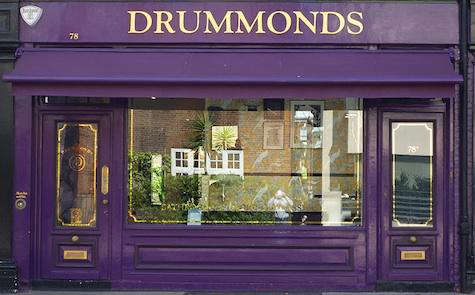
Some showrooms whisper. Some shout. The Drummonds showroom in London does something far more dangerous for anyone who has ever said, “I’m just browsing.” It makes a bathroom feel like the most emotionally important room in the house. Suddenly, a tap is not just a tap. A bathtub is not simply a place to wash off the day. A vanity basin becomes a small architectural event, and yes, you may briefly wonder whether your current bathroom has been phoning it in for years.
Located on King’s Road in Chelsea, the Drummonds London showroom has long been a destination for designers, homeowners, renovators, and design-curious shoppers who appreciate traditional British craftsmanship with a polished, modern eye. The brand is known for luxury bathroom fittings, cast iron baths, brassware, marble-topped vanities, high-level cisterns, showers, mirrors, towel rails, and the kind of details that make a bathroom feel less like a utility space and more like a private club for warm water and good taste.
This shopper’s diary explores what makes the Drummonds showroom in London worth visiting, how its design language connects to classic English bathrooms, and what practical ideas shoppers can borrow even if they are not currently installing a hand-finished cast iron tub in a Georgian townhouse. We can dream. Dreaming is free. Plumbing, tragically, is not.
Why Drummonds Matters in Luxury Bathroom Design
Drummonds did not build its reputation by chasing disposable trends. The company’s story is rooted in architectural salvage, restoration, and the revival of traditional bathroom manufacturing. Before the brand became known for reproducing and manufacturing its own classic designs, it began with the kind of antique bathroom pieces that make designers stop mid-sentence: roll-top baths, old basins, brass fittings, and the solid fixtures that once gave Victorian and Edwardian bathrooms their unmistakable presence.
That origin story still matters because it explains the brand’s visual DNA. Drummonds bathrooms rarely feel thin, temporary, or overly polished in a showroom-only way. Their pieces have weight, proportion, and a sense of permanence. A cast iron bath feels sculptural. A brass shower control feels like something designed to survive both daily use and changing taste. A marble vanity basin does not need to beg for attention; it simply stands there looking expensive and calm, like it has never once panicked over a group text.
In an era when many bathroom products lean sleek, minimal, and sometimes a little anonymous, Drummonds occupies a more characterful lane. The look is classic but not dusty, refined but not stiff, luxurious but not cartoonish. Think polished nickel, unlacquered brass, deep enamel, crisp china, veined marble, and forms borrowed from historic British interiors, updated for contemporary homes.
First Impressions of the Drummonds London Showroom
A good showroom does more than display products. It builds a mood. The Drummonds showroom in London is successful because it allows visitors to see bathroom fixtures in context rather than floating helplessly on shelves. Baths, basins, showers, mirrors, lighting, and fittings are arranged as finished scenes, which makes the visit feel closer to walking through a series of beautifully edited rooms than browsing a plumbing catalog.
This is especially helpful for shoppers because bathroom design can be surprisingly difficult to visualize. A faucet that looks charming on its own may feel too delicate beside a large marble basin. A dramatic tub may need more breathing room than a compact bathroom can provide. A finish that sparkles under showroom lights may behave differently beside natural stone, painted paneling, or patterned tile. Drummonds helps solve that problem by showing scale, finish, spacing, and atmosphere together.
The showroom’s appeal is not just about luxury. It is about confidence. Visitors can compare how polished nickel differs from chrome, how brass warms up a cool marble surface, how a freestanding bath changes the rhythm of a room, and how traditional details can work in a modern bathroom without turning the space into a museum exhibit labeled “Please Do Not Touch the Fancy Toilet.”
The Sophie Conran Connection
The original “Shopper’s Diary: Drummonds Showroom in London” gained attention partly because of Sophie Conran’s design involvement with the showroom. Conran’s approach brought a layered, domestic quality to the displays, helping the products feel less like isolated luxury objects and more like pieces that could live inside a real home. Her showroom design included distinct bathroom settings, ranging in mood from elegant historic references to lighter, more playful spaces.
That variety is important. A luxury bathroom does not have to mean one single look. Some shoppers are drawn to grand 18th-century-inspired symmetry, with marble, polished fittings, and a stately bath placed like the centerpiece of a painting. Others prefer a smaller, softer, more personal bathroom with color, decorative detail, and a bit of charm. Drummonds’ strongest showroom lesson is that classic fixtures are flexible. The same basin or bath can read formal, romantic, country-house, urban, or quietly modern depending on the surrounding materials.
For web readers planning a renovation, this is the useful takeaway: do not choose bathroom products in isolation. Choose them as part of a story. If the story is “serene London townhouse,” the supporting cast might include muted paint, nickel fittings, pale stone, and framed mirrors. If the story is “bold guest powder room with personality,” the same quality of fitting might be paired with patterned wallpaper, dark paint, or antique brass.
What to Look For When Visiting the Showroom
1. Cast Iron Baths With Real Presence
Drummonds is especially associated with cast iron baths, and for good reason. A freestanding cast iron bathtub has visual authority. It anchors a bathroom in the same way a fireplace anchors a living room. Unlike lighter materials that can look purely functional, cast iron has depth, weight, and a traditional enamel finish that feels both practical and indulgent.
When viewing a cast iron bath in the showroom, pay attention to more than shape. Notice the rim profile, feet, exterior finish, interior depth, and how the tub filler is positioned. A roll-top bath with claw feet delivers a very different feeling from a more restrained plinth-style bath. One says “historic townhouse with a silver tray of bath oils.” The other says “tailored luxury with better posture.” Both can be beautiful, but they belong to different rooms.
2. Brassware That Behaves Like Jewelry
In a high-end bathroom, brassware is the jewelry. It catches the light, adds rhythm to the room, and tells the eye where to pause. Drummonds’ taps, shower controls, exposed pipework, and bath fillers are worth studying closely because their proportions are part of the appeal. Handles, spouts, valves, and finishes all influence whether a bathroom feels crisp, nostalgic, masculine, feminine, or hotel-like.
Polished nickel has a softer glow than chrome. Unlacquered brass develops character over time. Antique finishes can make a new bathroom feel settled from day one. A showroom visit makes these differences easier to understand than a product photo ever could. Photos are useful; touching a handle and seeing how it reflects light is better.
3. Vanity Basins and Marble Details
A Drummonds vanity basin can change the entire tone of a bathroom. Marble-topped washstands, china basins, and metal-framed vanities bridge the gap between furniture and function. They are practical pieces, yes, but they also bring structure to the room. In smaller bathrooms, a well-chosen vanity can create elegance without overwhelming the footprint. In larger bathrooms, a double vanity can add symmetry and hotel-level convenience.
The key is proportion. A narrow powder room needs a basin with grace but not bulk. A primary bathroom can handle a more substantial vanity, especially if the room has high ceilings, paneling, or a generous window. The showroom is useful because it shows how a basin relates to mirrors, sconces, towel rails, and the wall behind it.
Bathroom Design Lessons From Drummonds
Classic Does Not Mean Old-Fashioned
The best classic bathrooms feel timeless because they are built from good materials and balanced proportions, not because they are trapped in the past. Drummonds demonstrates that a traditional bath, basin, or shower can sit comfortably inside a contemporary home when the surrounding choices are edited. Pair a classic bath with plain walls, modern art, or simple stone flooring, and it suddenly looks fresh rather than fussy.
Materials Should Earn Their Keep
Luxury bathroom design is not about adding expensive materials at random. It is about choosing materials that age well, clean well, and support the room’s atmosphere. Cast iron, brass, vitreous china, marble, and enamel all have a tactile quality. They feel substantial. They also photograph beautifully, which matters in the age of design inspiration boards, but they are not merely decorative. These are working materials with long histories in bathrooms.
Small Bathrooms Can Still Feel Special
One of the most useful lessons from the Drummonds universe is that small bathrooms deserve good design too. A compact shower room can still include a beautiful basin, a dramatic mirror, a wall-mounted towel rail, or an elegant shower rose. Not every room needs a freestanding tub. In fact, forcing a large tub into a small bathroom is one of those renovation decisions that sounds glamorous until you are brushing your teeth sideways.
Instead, the smarter approach is to identify one or two hero elements. In a powder room, that might be a marble basin and striking wall color. In a narrow shower room, it might be exposed shower fittings and handsome tile. In a family bathroom, it might be a durable vanity with classic taps and excellent lighting.
How Drummonds Fits Current Bathroom Trends
Current bathroom trends lean heavily toward wellness, comfort, personalization, natural materials, and spa-like experiences. That makes Drummonds feel surprisingly relevant even though the brand’s inspiration reaches back to historic British bathrooms. Homeowners want spaces that feel restorative, not just efficient. They want better lighting, warmer finishes, generous showers, sculptural tubs, and materials that offer personality without chaos.
Drummonds fits this movement because its products already treat the bathroom as a room worth designing. A freestanding bath becomes a wellness feature. A well-made shower becomes a daily ritual rather than a morning inconvenience. A marble basin adds natural texture. Brass fittings introduce warmth. Even a high-level cistern can become a design choice rather than a purely practical decision.
The showroom also offers a counterpoint to overly clinical modern bathrooms. Sleek spaces can be beautiful, but they sometimes risk feeling like a luxury airport lounge where nobody is allowed to own a shampoo bottle. Drummonds brings back the idea of the bathroom as a lived-in, layered room, one where craft, comfort, and character can coexist.
Practical Shopping Tips Before You Visit
Measure Before You Fall in Love
Before visiting the Drummonds showroom, measure your bathroom carefully. Include wall lengths, ceiling height, window positions, door swings, radiator locations, and existing plumbing points. Bring photos and, if possible, a rough floor plan. This will help showroom staff guide you toward pieces that suit your actual space, not the fantasy bathroom currently living rent-free in your imagination.
Think About Floor Strength and Installation
Cast iron baths are beautiful, but they are heavy. Before purchasing one, homeowners should consider structural support, access routes, staircases, and installation logistics. A tub may look graceful in the showroom, but it still needs to reach your bathroom without becoming the main character in a renovation horror story called “We Had to Remove a Window.”
Choose Finishes With the Whole Home in Mind
Bathroom finishes should relate to the broader interior. If your home uses warm metals, antique furniture, and soft colors, brass or antique finishes may feel natural. If your style is crisp and tailored, polished nickel or chrome may be the better fit. Consistency does not mean everything must match perfectly, but the finishes should feel like they are having a pleasant conversation rather than arguing across the room.
Ask About Lead Times and Custom Options
Luxury bathroom pieces often involve longer planning windows than standard off-the-shelf products. Ask about lead times, special finishes, delivery requirements, and maintenance. If you are working with an interior designer, contractor, or architect, coordinate specifications early. The most beautiful tap in the world is less charming if the plumber sees it for the first time at 7:30 a.m. on installation day.
Who Should Visit Drummonds London?
The showroom is ideal for several types of visitors. Homeowners planning a serious bathroom renovation will find it useful for comparing products, finishes, and layouts in person. Interior designers can use it as a resource for clients who want traditional quality without sacrificing sophistication. Architects may appreciate the clarity of the product range and the way classic pieces can be adapted to contemporary projects.
It is also worth visiting if you simply love interiors. Not every showroom visit has to end in a purchase order. Sometimes seeing beautifully made objects in person sharpens your eye. You begin to notice why one basin looks elegant and another looks awkward, why finish matters, why scale changes everything, and why bathroom lighting deserves more respect than it usually gets.
What Shoppers Can Borrow From the Drummonds Look
Even if a full Drummonds bathroom is not on your immediate shopping list, the showroom offers ideas that can be adapted at different budgets. Start with the concept of one strong focal point. That might be a freestanding tub, a vintage-style mirror, a marble backsplash, a pair of wall sconces, or a beautiful faucet. Next, simplify the surrounding elements so the focal point can breathe.
Another lesson is to warm up hard surfaces. Bathrooms contain tile, glass, stone, metal, and porcelain, which can easily feel cold. Drummonds-style rooms often balance those materials with paint color, paneling, warm metal finishes, wood seats, framed artwork, or decorative mirrors. The result feels more human and less like a place where a robot goes to exfoliate.
Finally, focus on durability. Bathrooms work hard. They deal with steam, water, cleaning products, and daily routines. A beautiful bathroom that cannot handle real life is just a stage set with toothpaste. Choose pieces that can age gracefully, be maintained properly, and still look good after trends have moved on to whatever finish the internet declares “the new brass” next week.
Shopper’s Experience: A Personal Diary From a Drummonds-Inspired Visit
A visit to the Drummonds showroom in London is best approached slowly. This is not the kind of place where you sprint through, nod at three taps, and leave with a firm opinion. The pleasure is in noticing. The first thing that tends to register is the weight of the displays. Not literal weight, although with cast iron involved, there is plenty of that. It is the visual weight: the sense that these objects have been made with intention.
I would begin with the baths because they set the emotional temperature. A freestanding tub has a way of making even practical people irrational. You may arrive thinking, “We need a sensible shower solution,” and five minutes later you are mentally rearranging walls for a deep soaking tub with elegant feet. This is why measurements matter. The heart says roll-top bath. The floor plan says please calm down.
Next, I would study the brassware. This is where the showroom becomes especially useful. Online, many finishes look similar. In person, they tell different stories. Chrome feels bright and familiar. Nickel feels softer and more old-world. Brass adds warmth and confidence. Antique finishes bring instant patina, like the room has already lived a little. I would turn the handles, look at the profiles, and compare how each finish behaves beside white china and veined marble.
The vanity areas are where practical planning begins to return. A beautiful basin is not just about looks; it is about how you use the bathroom every morning. Is there enough counter space? Will the mirror height work? Can a towel rail sit nearby? Does the basin suit the room, or is it trying too hard? The best displays help answer those questions without killing the romance.
I would also pay close attention to color. Drummonds-style bathrooms often prove that white fixtures do not require white rooms. Painted paneling, muted greens, soft blues, warm neutrals, deep charcoal, or even a playful powder-room shade can make classic sanitaryware feel personal. This is a helpful lesson for anyone renovating on a smaller scale. You may not replace every fixture, but a better wall color, improved lighting, and one handsome metal finish can dramatically change the room.
The final experience is not just shopping; it is editing. A showroom like Drummonds can tempt visitors into wanting everything: the tub, the marble, the high-level cistern, the towel rail, the grand mirror, the shower fittings, the wall lights, possibly a small palace to put them in. The smarter move is to identify what truly suits your home. Choose the pieces that support your architecture, your habits, and your budget. Luxury works best when it feels inevitable, not when it looks as though the bathroom swallowed a catalog.
Leaving the showroom, the most lasting impression is likely to be this: a bathroom can be deeply practical and still have soul. It can handle wet towels, rushed mornings, and real life while still offering beauty at the beginning and end of the day. That is the charm of Drummonds. It reminds shoppers that the bathroom is not an afterthought. It is a room, and a room deserves character.
Conclusion
The Drummonds showroom in London is more than a place to choose a bath or specify a tap. It is a lesson in craftsmanship, proportion, and the enduring appeal of classic bathroom design. From cast iron tubs and brass fittings to marble vanities and carefully staged room settings, the showroom helps shoppers understand how luxury bathroom pieces work in real spaces.
For homeowners planning a renovation, the biggest takeaway is not simply to buy the most beautiful fixture. It is to create a bathroom with balance: strong materials, thoughtful finishes, appropriate scale, and details that make daily rituals feel a little more graceful. Drummonds succeeds because it treats the bathroom as a proper interior, not a tiled closet with plumbing ambitions. And frankly, more bathrooms could use that kind of encouragement.













