
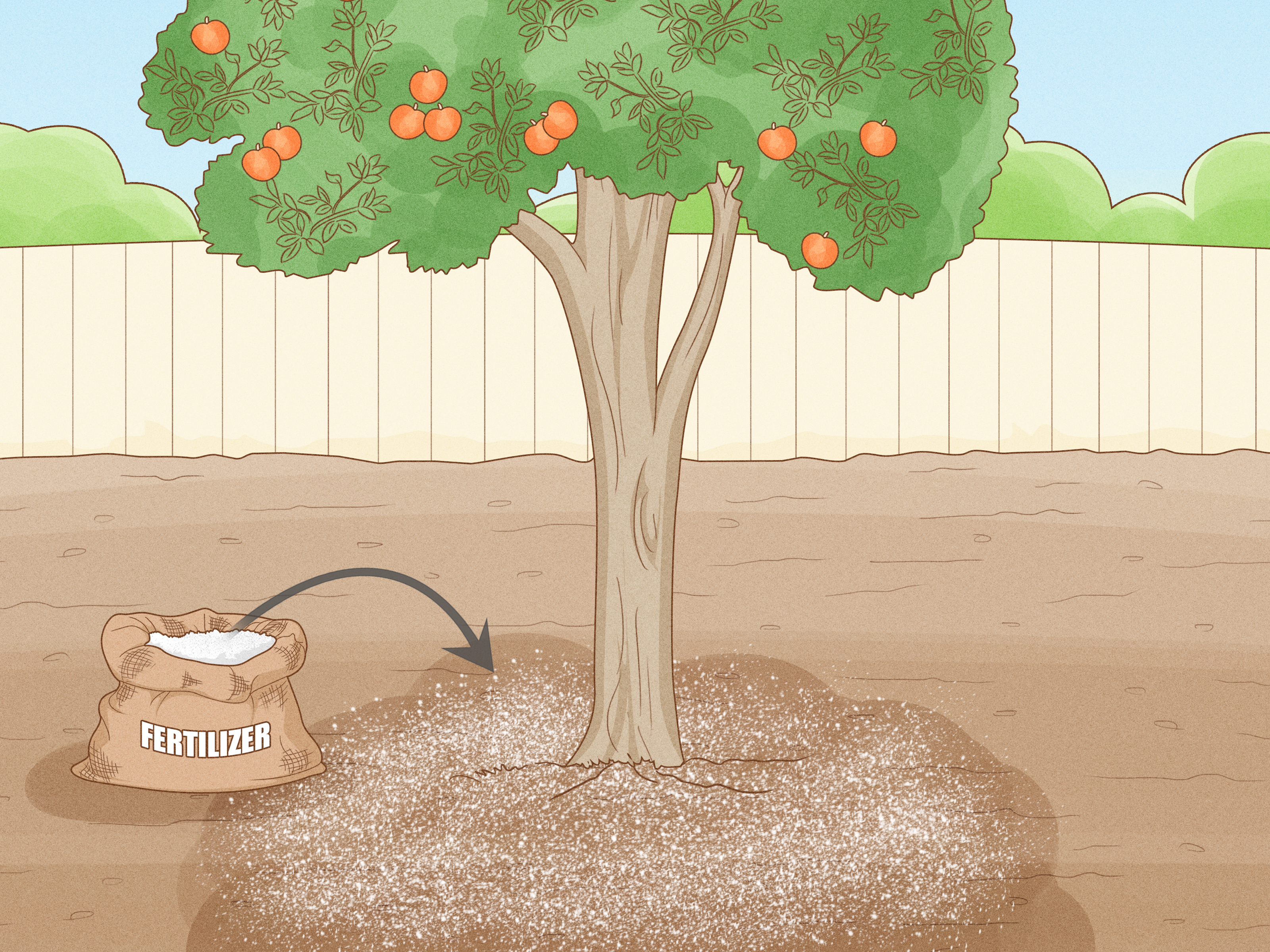
Fertilizing a citrus tree sounds simple until you stand in the garden center staring at bags labeled 6-4-6, 10-10-10, 13-13-13, citrus food, palm food, organic fruit tree blend, slow-release granules, and something that looks suspiciously like it was designed for a golf course. Your orange tree, meanwhile, is outside waiting patiently, probably judging your choices.
The good news is that citrus trees are not mysterious divas. Lemons, limes, oranges, mandarins, grapefruit, kumquats, and tangelos all want the same basic things: steady nitrogen during the growing season, enough potassium to support fruit quality, micronutrients such as iron, manganese, and zinc, and no late-season fertilizer party that pushes tender growth right before cold weather. Get the month, amount, and ratio right, and your tree can reward you with glossy leaves, better blooms, and fruit that does not taste like disappointment in a peel.
This guide explains when to fertilize citrus trees, how much fertilizer to apply, which N-P-K ratios work best, and how to adjust for young trees, mature trees, container citrus, and different climates. Think of it as a citrus feeding calendar with fewer headaches and more lemonade.
Why Citrus Trees Need Fertilizer
Citrus trees are evergreen fruiting plants, which means they do not fully “clock out” like deciduous fruit trees. They hold leaves year-round, bloom heavily, develop fruit for months, and often push multiple flushes of new growth. That is a demanding lifestyle. If your tree is producing flowers, fruit, leaves, and roots all in the same year, it needs a regular supply of nutrients.
Nitrogen is the star of the show. It supports leafy growth, deep green color, and overall tree vigor. A nitrogen-starved citrus tree often looks pale, thin, and tired, like it has been surviving on black coffee and vague optimism. Potassium helps with fruit size, flavor, rind strength, and stress tolerance. Phosphorus is important too, but many established landscape soils already contain enough, so adding lots of extra phosphorus is not always helpful.
Citrus also has a famous appetite for micronutrients. Iron, zinc, and manganese deficiencies often show up as yellowing leaves with green veins. These symptoms can be caused by actual nutrient shortages, but they can also happen when soil pH is too high or roots are stressed by poor drainage. That is why fertilizer is helpful, but it is not magic dust. If the tree is sitting in soggy soil, planted too deeply, or suffering from root damage, more fertilizer may simply create a more expensive problem.
What Month Should You Fertilize a Citrus Tree?
The best months to fertilize a citrus tree depend on your climate, citrus type, and whether the tree is planted in the ground or grown in a container. However, the basic rule is simple: feed citrus during active growth, beginning in late winter or early spring, and avoid pushing tender new growth too late in the season.
General Citrus Fertilizer Calendar
For many in-ground citrus trees, a practical schedule is:
- First feeding: January or February, just before spring bloom or new growth.
- Second feeding: March, April, or May, as the tree is actively growing.
- Third feeding: May or June for oranges, mandarins, and grapefruit in many regions.
- Possible late feeding: August or September for lemons and limes in warm climates where late growth is not a freeze risk.
In cooler or freeze-prone regions, stop fertilizing earlier, often by the end of June or early summer. Late nitrogen can encourage soft, tender growth that is easily damaged by cold. It can also delay fruit coloring and maturity. In other words, do not give your citrus tree a late-night energy drink right before winter.
Warm Climate Schedule
In warm citrus regions with mild winters, such as parts of California, Arizona, Florida, Louisiana, and the Gulf Coast, many gardeners split fertilizer into two or three applications. The first feeding usually happens before bloom in late winter. The second comes in spring. The third is applied in early summer. Lemons and limes, which may bloom and fruit over a longer season, often benefit from a later split application than oranges or grapefruit, especially where frost is not a serious concern.
Cold-Prone Climate Schedule
If winter freezes are a realistic threat, finish nitrogen fertilization by late spring or early summer. This gives new growth time to harden before cold weather arrives. Fertilizer applied too late can produce lush shoots that look beautiful for about five minutes and then collapse when temperatures drop. That is not a feeding program; that is botanical heartbreak.
Container Citrus Schedule
Container citrus follows a slightly different rhythm because nutrients wash out of pots more quickly. Fertilize when the plant is actively growing, usually from spring through late summer. Do not fertilize heavily in winter, especially if the tree is indoors, receiving less light, and growing slowly. A slow-release citrus fertilizer applied according to the label is often the easiest option. Liquid fertilizer can also work, but it should be diluted and used consistently rather than dumped on the plant once in a panic.
How Much Fertilizer Does a Citrus Tree Need?
The amount of citrus fertilizer depends on tree age, size, soil fertility, product strength, and whether the fertilizer is synthetic, organic, granular, liquid, or slow-release. The most accurate method is to calculate the amount of actual nitrogen your tree needs, then convert that into pounds or cups of fertilizer product.
Understanding “Actual Nitrogen”
Fertilizer labels show three numbers: nitrogen, phosphorus, and potassium. A 10-10-10 fertilizer contains 10% nitrogen, 10% phosphate, and 10% potash. A 13-13-13 fertilizer contains 13% of each. A 12-4-6 fertilizer contains 12% nitrogen, 4% phosphate, and 6% potash.
To calculate actual nitrogen, use this formula:
Pounds of fertilizer × nitrogen percentage = pounds of actual nitrogen
For example, 5 pounds of 10-10-10 fertilizer contains 0.5 pound of actual nitrogen because 5 × 0.10 = 0.5. If a tree needs 1 pound of actual nitrogen per year, it would need 10 pounds of 10-10-10 fertilizer for the whole year, divided into two or three applications.
Young Citrus Trees
New citrus trees should not be fertilized at planting. Let them settle in first. Once you see new growth, apply a small amount of fertilizer and keep it away from the trunk. A first-year tree needs far less fertilizer than a mature tree because its root system is still developing.
A simple approach for young in-ground citrus is to start with small, split applications during the growing season. For a newly planted tree, a light feeding after new growth appears is usually enough. In the second and third years, gradually increase the amount as the canopy expands. The goal is steady growth, not a leafy monster that outgrows its roots.
Mature Citrus Trees
Mature citrus trees need more nitrogen because they support a larger canopy and fruit crop. Many home-garden recommendations range from about 1 to 1.5 pounds of actual nitrogen per year for a mature tree, although some regional recommendations allow higher amounts for large, heavily bearing trees in sandy soils. Always adjust downward if your soil is fertile, your tree is already growing vigorously, or lawn fertilizer is also reaching the root zone.
A practical home-garden rule is to use about one-half pound of 10-10-10 fertilizer per year of tree age until the tree reaches a mature maximum. For example, a 6-year-old tree might receive about 3 pounds of 10-10-10 per year, split across the feeding season. A 10-year-old tree might receive around 5 pounds per year. In some Gulf Coast guidance, established trees may receive 1 to 1.5 pounds of balanced fertilizer per year of age, up to a mature maximum. The difference is why local guidance and soil type matter.
Example: Fertilizing a 5-Year-Old Orange Tree
Suppose you have a healthy 5-year-old orange tree planted in the ground and you are using 10-10-10 fertilizer. If your target is 0.5 pound of actual nitrogen for the year, you need 5 pounds of 10-10-10 total. Split that into three feedings: about 1.7 pounds in late winter, 1.7 pounds in spring, and 1.6 pounds in early summer. Water well after applying.
Example: Fertilizing a Large Lemon Tree
Lemons often grow and fruit over a longer season than oranges. A large lemon tree may need a slightly stronger annual feeding plan than a similar-sized orange, especially in a warm climate. If using a citrus fertilizer with 14% nitrogen and the yearly target is 1 pound of actual nitrogen, divide 1 by 0.14. The result is about 7.1 pounds of fertilizer for the year. Split that into three feedings instead of applying it all at once.
Best Fertilizer Ratios for Citrus Trees
The best citrus fertilizer ratio depends on whether the tree is in the ground or in a pot, but citrus generally likes a fertilizer with more nitrogen than phosphorus and enough potassium to support fruiting. A good citrus fertilizer also includes micronutrients, especially iron, manganese, zinc, magnesium, and sometimes copper or boron in tiny amounts.
Best Ratios for In-Ground Citrus
For in-ground citrus, many gardeners successfully use balanced fertilizers such as 8-8-8, 10-10-10, or 13-13-13, especially in sandy soils where nutrients leach quickly. These are easy to find and simple to calculate. However, mature citrus often needs more nitrogen and potassium than phosphorus, so ratios such as 2-1-1, 3-1-1, 5-1-3, or 6-4-6 can also be useful when they are formulated for citrus.
The “best” ratio is not always the fanciest bag. If your soil test shows plenty of phosphorus, a high-phosphorus fertilizer is unnecessary. If your tree has pale leaves and weak growth, nitrogen may be the priority. If fruit quality is poor and potassium is low, a fertilizer with more potassium can help. Let the tree and soil tell you the story before you start throwing nutrients like confetti.
Best Ratios for Container Citrus
Container citrus often performs well with fertilizers in the 2-1-1 or 3-1-1 N-P-K ratio range. Products such as 12-6-6 or 12-4-6 are common slow-release options. Because pots are watered frequently, nutrients leach out faster than they do in garden soil. That is why container citrus benefits from steady, modest feeding rather than one heroic fertilizer dump.
Choose a product labeled for citrus or fruiting trees if possible. Look for micronutrients on the label. If your container citrus has yellow leaves with green veins, do not assume it only needs nitrogen. Iron, manganese, zinc, poor drainage, cold roots, or high pH could be involved.
Organic Citrus Fertilizer Options
Organic fertilizers can work beautifully for citrus, but they release nutrients more slowly. Common options include composted manure, blood meal, feather meal, fish emulsion, alfalfa meal, kelp meal, and citrus-specific organic blends. Organic products are especially useful for improving soil life and texture over time. However, they still contain nutrients, and overusing them can create problems.
If using compost, remember that compost is usually a soil conditioner more than a complete fertilizer. It can support long-term fertility, but it may not supply enough nitrogen for a hungry citrus tree on its own. For best results, combine compost or mulch with a measured fertilizer plan.
How to Apply Citrus Fertilizer Correctly
Where you apply fertilizer matters almost as much as how much you apply. Citrus feeder roots are not all cuddled up next to the trunk. They spread outward under and beyond the canopy. Applying fertilizer directly against the trunk can burn roots, damage bark, and waste nutrients.
Apply Around the Drip Line
Broadcast granular fertilizer evenly under the outer canopy and slightly beyond the drip line. On large trees, this may mean spreading fertilizer several feet beyond the leaf edge. Keep fertilizer at least several inches away from the trunk on young trees and farther away on larger trees.
A useful trick is to imagine the tree canopy as an umbrella. The most active feeder roots are often near the umbrella’s edge and just beyond it. That is where fertilizer is most likely to be used efficiently.
Water After Fertilizing
After applying granular fertilizer, water the area thoroughly. Water moves nutrients into the root zone and reduces the risk of fertilizer burn. Never apply dry fertilizer to drought-stressed citrus and then walk away. That is like handing someone a sandwich but locking it in a safe.
Do Not Fertilize a Stressed Tree Aggressively
If your citrus tree is wilting, losing leaves, sitting in soggy soil, or recovering from freeze damage, go easy. Fertilizer is not medicine for every problem. Correct watering, drainage, mulch, pest pressure, and planting depth first. Once the tree is actively growing again, resume light feeding.
Signs Your Citrus Tree Needs Fertilizer
A citrus tree that needs nutrients may show several clues. Leaves may become pale green or yellow. New growth may be weak. Fruit may be small. Flowering may decline. The canopy may look thin even when watering is adequate.
Nitrogen deficiency often appears as general yellowing, especially on older leaves. Iron deficiency usually shows up as yellowing between green veins on newer leaves. Magnesium deficiency may cause yellow blotches on older leaves. Zinc or manganese deficiencies can create mottled yellow patterns and smaller leaves.
Because deficiency symptoms can overlap, do not diagnose by vibes alone. A soil test is one of the smartest investments you can make, especially for in-ground trees. In commercial settings, leaf tissue analysis is also used. For home gardeners, soil testing plus careful observation usually gives enough direction.
Common Citrus Fertilizer Mistakes
Fertilizing Too Late
Late-season nitrogen can delay fruit maturity, reduce cold hardiness, and promote tender growth. In areas with winter cold, this is one of the biggest citrus fertilizer mistakes. When in doubt, finish earlier rather than later.
Using Too Much Fertilizer
More fertilizer does not mean more fruit. Excess nitrogen can produce big, soft, leafy growth at the expense of fruit quality. It may also increase pest problems and make the tree more vulnerable to cold injury. A citrus tree should look healthy and vigorous, not like it is training for a bodybuilding competition.
Ignoring Micronutrients
Citrus trees commonly need micronutrients, particularly in containers or alkaline soils. A fertilizer without iron, manganese, zinc, or magnesium may not fully solve yellowing leaf problems. Choose a citrus fertilizer with micronutrients when possible.
Fertilizing Against the Trunk
Fertilizer belongs in the root zone, not piled around the trunk. Keep the trunk area clear and spread fertilizer outward where feeder roots are active.
Skipping Water
Fertilizer needs moisture to move into the soil. Water after feeding, but do not overwater. Citrus likes moisture and drainage, not swamp life.
Practical Citrus Fertilizer Plan by Tree Type
Orange, Mandarin, Tangerine, and Tangelo Trees
Feed in late winter, spring, and early summer. A January or February feeding supports bloom and early growth. A second feeding in March, April, or May supports fruit set and canopy development. A final feeding in May or June helps maintain growth without pushing too late into the season.
Lemon and Lime Trees
Lemons and limes may need a slightly extended feeding schedule in warm climates because they bloom and fruit over a longer window. Feed in late winter and spring, then consider a later summer application only if your climate is warm and freeze risk is low. In cold-prone areas, stop earlier.
Grapefruit and Pummelo Trees
Grapefruit can require less fertilizer than oranges of similar size in some regional guides. Avoid overfeeding, especially if the tree is already growing strongly. Too much nitrogen may increase vegetative growth without improving fruit quality.
Dwarf and Patio Citrus
Dwarf citrus in pots needs smaller, more frequent nutrient support. Use slow-release citrus fertilizer or a diluted liquid feed during active growth. Because potting mix contains limited nutrients and frequent watering leaches fertilizer, consistency is more important than intensity.
Experience Notes: What Actually Works in the Garden
After working with citrus trees in real garden conditions, one lesson stands out: the best fertilizer plan is the one you can repeat calmly. Citrus does not need drama. It needs timing, moderation, and a gardener who does not panic every time one leaf turns yellow.
For a young tree, I like to think in “snacks,” not “meals.” A small citrus tree with a small root system cannot use a huge pile of fertilizer. When gardeners overfeed a new tree, the result is often leaf burn, weak growth, or a tree that grows too fast above ground while the roots lag behind. A light feeding after new growth appears, followed by steady watering and mulch, usually works better than trying to force instant fruit production.
For mature trees, splitting fertilizer into two or three applications makes a visible difference. One large feeding may seem efficient, but it is not how citrus roots prefer to eat. A late-winter feeding wakes up the tree for bloom and spring growth. A spring feeding supports the canopy and developing fruit. An early-summer feeding helps carry the crop forward. This rhythm feels natural once you do it for a season or two.
Another practical tip is to watch the leaves, but do not let them boss you around completely. Citrus leaves naturally age and drop. A few yellow leaves inside the canopy are normal. Widespread yellowing, however, deserves attention. If the newest leaves are yellow with green veins, I look at micronutrients and pH before adding more nitrogen. If older leaves are pale all over and growth is weak, nitrogen may be low. If leaves are curling, dropping, or browning at the edges, I check watering before fertilizer. Many “fertilizer problems” are actually water problems wearing a fake mustache.
Container citrus teaches patience quickly. Pots dry faster, warm faster, cool faster, and leach nutrients faster. A potted Meyer lemon on a sunny patio may need regular feeding during active growth, but that same tree indoors in winter may need almost none. Feeding heavily indoors, when light is low, often leads to salt buildup and stressed roots. I prefer slow-release fertilizer in spring, then gentle liquid feeding only when the tree is clearly growing.
Mulch also helps, but it should be used correctly. A layer of organic mulch over the root zone conserves moisture and improves soil over time. Keep it a few inches away from the trunk. The dreaded mulch volcano may look tidy for about a day, but citrus trunks do not appreciate being buried like treasure.
Finally, measure your fertilizer at least once. Do not rely on “a handful,” because one person’s handful is another person’s citrus catastrophe. Use a kitchen scale, measuring cup, or dedicated garden scoop. Once you know what one pound of your fertilizer looks like, future applications become much easier. Citrus trees are generous plants, but they appreciate gardeners who can do a little math.
Conclusion
Fertilizing a citrus tree is all about matching the feeding schedule to the tree’s growth cycle. Start in late winter or early spring, split applications through the active growing season, and avoid late nitrogen where cold weather can damage tender growth. Use the right amount based on tree age, size, and fertilizer strength. Choose a citrus-friendly ratio with enough nitrogen, adequate potassium, and essential micronutrients. Apply fertilizer around the drip line, water it in, and adjust based on soil conditions and tree response.
When you feed citrus thoughtfully, you are not just chasing greener leaves. You are supporting stronger roots, better bloom, improved fruit quality, and a healthier tree for the long run. The tree gets what it needs, you get better fruit, and everyone avoids the awkward garden-center meltdown in front of the fertilizer aisle.














