
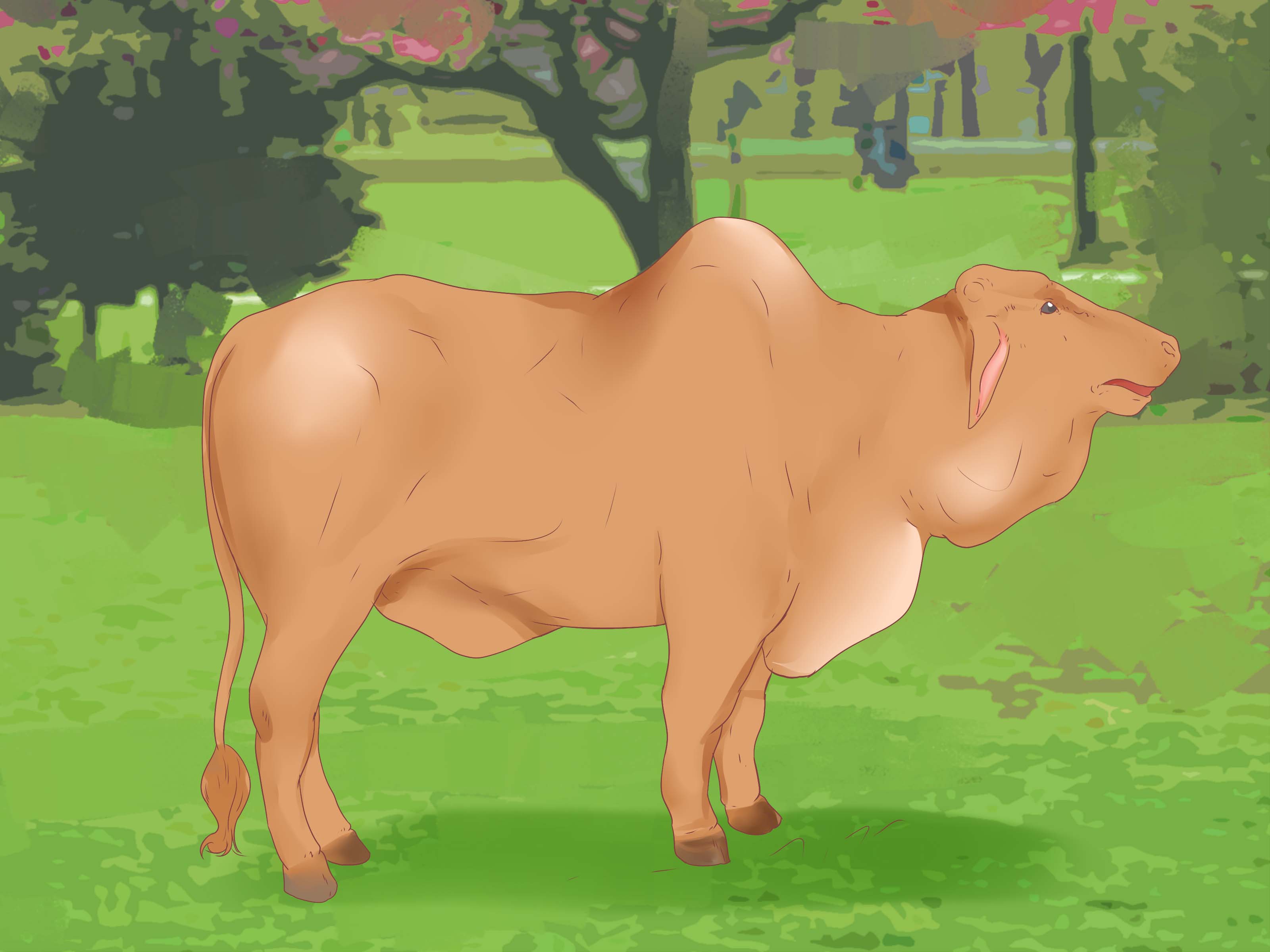
Knowing when a heifer or cow is ready to be bred is part science, part observation, and part “please stop guessing from the pickup window.” Good breeding decisions affect calving success, pregnancy rates, herd profitability, and the long-term health of your females. Breed too early, and you may face poor conception, stunted growth, difficult calving, or a young cow that struggles to rebreed. Wait too long without a plan, and you lose time, feed, and production efficiency.
The good news? A ready-to-breed female usually gives you several clues. Her age, weight, body condition, reproductive development, heat behavior, health history, and postpartum recovery all matter. For heifers, readiness is not simply about being “old enough.” For cows, it is not simply about seeing a bull nearby and hoping nature handles the paperwork. The best results come from combining records, visual checks, hands-on evaluation, and, when needed, a veterinarian’s reproductive exam.
This guide explains how to know when a heifer or cow is ready to be bred in eight practical steps. Whether you raise beef cattle, dairy cattle, or a small mixed herd, these principles can help you make smarter breeding decisions without turning the barn into a guessing game with hooves.
Step 1: Confirm the Female Is the Right Age for Breeding
Age is the first checkpoint, but it should never be the only one. Most beef replacement heifers are managed so they can be bred around 14 to 15 months of age and calve around 24 months. Dairy heifers may follow a similar goal, though exact timing varies by breed, mature size, growth program, and farm management.
A heifer that reaches puberty early has an advantage, but puberty alone does not automatically mean she is ready to carry a calf safely. She still needs enough body size, frame development, pelvic capacity, and nutritional strength to support pregnancy and future lactation. A young heifer that cycles at 10 or 11 months may look “ready” behaviorally, but breeding her too soon can create problems later.
For mature cows, age matters differently. A cow that has calved before must recover from calving, resume normal estrous cycles, and return to a healthy body condition before being bred again. First-calf heifers need extra attention because they are still growing while also nursing a calf. In plain English, they are doing two jobs at once, and neither job comes with coffee breaks.
Practical example
If your herd’s mature cows average 1,300 pounds, a 12-month-old heifer weighing 625 pounds may not be ready even if she shows heat. A 14- to 15-month-old heifer weighing 780 to 845 pounds, cycling normally, healthy, and structurally sound is a much better candidate.
Step 2: Check Target Weight, Not Just Calendar Age
Weight is one of the strongest signs that a heifer has developed enough to enter the breeding group. Many beef heifer development programs use a target of about 55% to 65% of expected mature cow weight by the start of breeding. The exact target depends on breed type, nutrition, environment, and how much selection pressure you want in your replacement program.
A 65% target is often used when producers want a safer margin for puberty and growth. A 55% target may work in some well-managed systems with early-maturing cattle and strong nutritional follow-through. The key is that the target should apply to each heifer, not merely the group average. A pen can average 700 pounds while still hiding several underdeveloped heifers in the back like students hoping the teacher does not call on them.
Use scales whenever possible. Visual guessing is useful for spotting extremes, but weight tapes or livestock scales provide better management data. If heifers vary widely in size, sort them into development groups so lighter heifers can receive appropriate nutrition without overfeeding heavier ones.
Simple target weight guide
- Expected mature cow weight: 1,100 pounds; 55% target: 605 pounds; 65% target: 715 pounds.
- Expected mature cow weight: 1,200 pounds; 55% target: 660 pounds; 65% target: 780 pounds.
- Expected mature cow weight: 1,300 pounds; 55% target: 715 pounds; 65% target: 845 pounds.
- Expected mature cow weight: 1,400 pounds; 55% target: 770 pounds; 65% target: 910 pounds.
For dairy heifers, breeding weight goals vary by breed. Holsteins, Jerseys, Brown Swiss, and other breeds mature at different sizes, so use breed-specific growth charts and your herd’s mature body size rather than a one-size-fits-all number.
Step 3: Evaluate Body Condition Score
Body condition score, often shortened to BCS, estimates fat cover and energy reserves. Beef cattle are commonly scored on a 1-to-9 scale, where 1 is extremely thin and 9 is obese. A mature cow should generally be in moderate condition before breeding, often around BCS 5 to 6. Replacement heifers and first-calf heifers often perform better closer to BCS 6 because they need extra reserves for growth, pregnancy, and lactation.
A thin cow may not resume cycling quickly after calving. She may show weak or silent heat, breed late, or fail to conceive. An overfat female can also have issues, including reduced efficiency, added feed costs, and potential calving difficulty. The sweet spot is not “marathon runner” and not “sofa cushion.” It is a sound, moderate, healthy condition.
What to look for
Check the ribs, hooks, pins, tailhead, and brisket. A cow in suitable condition should not have sharply visible bones, but she should not carry excessive fat deposits either. If the short ribs are extremely prominent, she likely needs more nutrition before breeding. If her tailhead looks buried in fat, she may be overconditioned.
Condition scoring should happen well before the breeding season. Trying to fix a thin cow two days before turnout is like studying for final exams in the parking lot. It is possible to learn something, but the best window has already passed.
Step 4: Watch for Standing Heat
The most reliable external sign that a cow or heifer is ready to be bred is standing heat. This means she stands still and allows another animal to mount her. Other signs can be useful, but standing to be mounted is the clearest behavioral signal that she is in her fertile window.
Because estrus can be short and easy to miss, heat detection requires consistent observation. Many cows show stronger heat activity during cooler parts of the day, especially early morning, evening, and nighttime. Watching only at noon, when cattle are busy eating, resting, or judging your life choices from the shade, may cause you to miss the best signs.
Common signs of heat
- Standing to be mounted by other cattle.
- Trying to mount other cows or heifers.
- Restlessness, pacing, bawling, or increased activity.
- Clear mucus discharge from the vulva.
- Swollen vulva.
- Roughened hair, mud, or rub marks on the tailhead and rump.
- Sniffing, licking, chin resting, or following other cattle.
Secondary signs are helpful clues, but they are not as conclusive as standing heat. A cow with mucus and a rough tailhead may have recently been in heat or may be coming into heat. A cow that stands firmly for mounting is giving the strongest “breed me now” signal.
Step 5: Understand the Estrous Cycle and Breeding Timing
Cattle typically have an estrous cycle of about 21 days, with normal variation. Estrus, or heat, may last only several hours. Ovulation generally occurs after the standing heat period, which is why timing matters for artificial insemination and natural service.
For artificial insemination, many producers follow the practical “a.m.-p.m.” rule: cows first seen in standing heat in the morning are bred that evening, and cows first seen in standing heat in the evening are bred the next morning. Timed-AI programs may use synchronization protocols that reduce reliance on visual heat detection, but these programs still require healthy, cycling females and good management.
For natural service, the bull must be fertile, sound, and able to cover the number of females assigned to him. A ready cow plus an unfit bull equals an expensive pasture decoration. Before breeding season, bulls should receive a breeding soundness exam, and producers should observe whether bulls are actively detecting and servicing cows.
Do not ignore missed cycles
If a heifer or cow is expected to cycle but shows no heat over several weeks, investigate. She may be pregnant, too thin, not yet pubertal, postpartum anestrous, stressed, diseased, or simply expressing quiet heat that you are missing. Records, observation, and veterinary evaluation can help separate normal variation from a real problem.
Step 6: Make Sure She Is Healthy and Structurally Sound
A female should be healthy before breeding. Illness, parasites, lameness, poor feet, reproductive tract problems, and chronic stress can all reduce conception rates or create pregnancy trouble. A cow does not need to look like a county fair champion, but she should move well, eat well, maintain condition, and show no obvious signs of disease.
Check her feet and legs. A lame cow may not show heat normally, may avoid mounting activity, and may struggle during the breeding season. Check disposition too. Extremely nervous or aggressive heifers can be dangerous to handle and may pass difficult behavior into the herd. Fertility is important, but so is not needing a motivational speech before entering the pen.
Vaccination and herd health plans should be developed with a veterinarian. Reproductive diseases can cause infertility, pregnancy loss, weak calves, or herd-wide problems. Pre-breeding vaccinations, parasite control, mineral supplementation, and biosecurity all support better reproductive performance.
When to call the veterinarian
Ask for veterinary help if a heifer is old enough and heavy enough but has not cycled, if a cow does not return to heat after calving, if there is abnormal discharge, if pregnancy status is uncertain, or if you are selecting replacement heifers and want reproductive tract scoring or pelvic measurements.
Step 7: Use Reproductive Tract Scoring for Replacement Heifers
Reproductive tract scoring is a veterinary evaluation used to estimate a heifer’s reproductive maturity before breeding. It may include assessment of uterine development, ovarian structures, and sometimes pelvic area. This is especially useful when choosing which heifers to keep as replacements.
A heifer with a more mature reproductive tract is more likely to be cycling and ready for breeding. A heifer with an immature tract may need more time, better nutrition, or culling from the replacement group depending on the operation’s goals. Reproductive tract scoring is not magic, but it is much better than naming your selection program “She Looks Pretty Good.”
Pelvic measurement may also help identify heifers at greater risk of calving difficulty, especially when paired with expected progeny differences for calving ease and sensible bull selection. Remember, the goal is not just pregnancy. The goal is a live calf, a healthy dam, and a female that can stay productive in the herd.
Best timing for evaluation
Many producers evaluate replacement heifers four to six weeks before the breeding season. This gives time to sort, supplement, cull, or make final breeding plans. Waiting until turnout day gives you fewer options and more reasons to mutter under your hat.
Step 8: Confirm Postpartum Readiness in Cows
A mature cow that has recently calved needs time to recover before she is ready to breed again. Postpartum interval depends on body condition, nutrition, age, calving difficulty, milk production, suckling pressure, and overall health. Cows in good condition before and after calving generally return to cycling sooner than thin cows.
First-calf heifers are often the hardest group to rebreed because they are still growing while raising their first calf. They may need higher-quality forage, targeted supplementation, earlier attention to body condition, or, in some systems, early weaning during drought or feed shortage.
For best results, evaluate cows before breeding season. Are they maintaining weight? Are they cycling? Did they have calving difficulty? Are they nursing a vigorous calf? Are they free from lameness and illness? A cow that calved late, lost condition, and has not shown heat may not be ready, even if the calendar says breeding season has arrived.
Postpartum warning signs
- Thin body condition after calving.
- No observed heat by the expected breeding period.
- History of difficult calving.
- Retained placenta or uterine infection signs.
- Poor appetite or poor milk production.
- Lameness or obvious stress.
How to Put the 8 Steps Together
No single sign tells the whole story. A heifer may be old enough but too light. A cow may show heat but be in poor condition. A heifer may hit target weight but have an immature reproductive tract. A cow may look great but be pregnant already. Successful breeding decisions come from stacking evidence.
Use this practical checklist before adding a female to the breeding group:
- She has reached the appropriate age for your production goal.
- She has reached a suitable percentage of expected mature weight.
- Her body condition score is moderate and appropriate.
- She shows normal heat behavior or has been confirmed cycling.
- She is healthy, sound, and free from obvious reproductive problems.
- She fits your herd goals for temperament, structure, and genetics.
- For heifers, reproductive maturity has been considered.
- For cows, postpartum recovery and nutritional status have been checked.
Common Mistakes to Avoid
Breeding Heifers Too Small
Small, underdeveloped heifers are more likely to struggle with pregnancy, calving, and rebreeding. If a heifer is not ready, give her time or remove her from the replacement group. Breeding her anyway may save a month today and cost you a cow tomorrow.
Relying Only on Visual Heat Signs
Heat detection is useful, but it is not perfect. Bad footing, heat stress, overcrowding, poor observation timing, and timid behavior can reduce visible signs. Use records, heat detection aids, synchronization protocols, or veterinary checks when needed.
Ignoring Nutrition Before Breeding
Nutrition drives reproductive performance. Energy, protein, minerals, water, and forage quality all affect cycling and conception. Cattle cannot breed efficiently on wishful thinking and leftover hay.
Forgetting About Bull Fertility
Even if every cow is ready, pregnancy rates will suffer if the bull is infertile, lame, overworked, or too young for the number of females assigned. A breeding soundness exam is cheap compared with an open cow problem.
Experienced-Based Tips for Knowing When a Heifer or Cow Is Ready to Be Bred
In real herd management, readiness is often clearer when you stop looking for one dramatic sign and start noticing patterns. A good stockperson watches how females behave day after day. The ready heifer is not just the one that jumps around once on a chilly morning. She is the heifer that has grown steadily, carries herself well, cycles predictably, eats aggressively, moves soundly, and fits the breeding plan.
One practical habit is to keep a simple breeding notebook or digital record. Write down birth dates, weaning weights, yearling weights, health treatments, observed heats, body condition scores, and any notes about temperament. Records turn vague impressions into decisions. Without records, every heifer becomes “that red one with the white face,” which works fine until you have twelve red ones with white faces and a memory full of holes.
Another useful experience is to observe cattle during quiet times. Early morning and late evening checks often reveal more heat activity than midday checks. Walk calmly, avoid rushing the group, and watch from a distance before entering the pen or pasture. Cattle behave differently when they are not being pushed. If you only observe during feeding, you may mostly learn who likes grain, which is useful but not exactly a reproductive diagnosis.
For heifers, development consistency matters. A heifer that grows smoothly from weaning to breeding usually has a better chance than one that loses weight, catches up fast, then loses again. Sudden nutritional swings can interfere with puberty and cycling. The goal is steady progress, not a last-minute feed sprint. Think of heifer development like building a fence: doing it right along the way is much easier than trying to fix every crooked post at the end.
For cows, pay close attention to the period before and after calving. The cow that calves in moderate condition, receives enough feed, avoids severe stress, and maintains weight is much more likely to breed back on schedule. Thin cows after calving often need help before the breeding season, not after pregnancy checks reveal disappointment. If feed is short, prioritize young cows and first-calf heifers because they are usually the most vulnerable group.
Heat detection aids can help, especially in artificial insemination programs. Tail paint, pressure patches, activity monitors, and teaser animals may improve detection, but none replaces basic observation and sound management. A patch can tell you mounting activity happened; it cannot tell you whether the female is underfed, lame, or a poor replacement choice.
Finally, build a working relationship with a veterinarian and, when possible, your local Extension specialist. A reproductive exam, pregnancy diagnosis, bull breeding soundness exam, or ration review can prevent expensive mistakes. The best cattle producers are not the ones who never ask questions. They are the ones who ask early, keep records, and make decisions before the breeding season turns into a very expensive guessing contest.
Conclusion
Knowing when a heifer or cow is ready to be bred requires more than spotting one sign of heat. The best decision combines age, target weight, body condition, reproductive maturity, health, heat behavior, postpartum recovery, and herd goals. For heifers, focus on growth, puberty, and structural readiness before breeding. For cows, focus on recovery after calving, condition, cycling, and overall soundness.
A ready female is healthy, well-grown, cycling, in moderate body condition, and matched to a responsible breeding plan. When you use records, observation, and professional guidance, breeding becomes less of a gamble and more of a management decision. Your cows may still not appreciate your clipboard, but your pregnancy rates probably will.
Note: This article is for general cattle management education and should not replace advice from a licensed veterinarian or qualified livestock reproduction specialist.













