
If you drive a 4-cylinder car and wish it had a little more pep, welcome to one of the oldest hobbies in the automotive world: chasing horsepower with optimism, coffee, and a browser full of parts tabs. The good news is that you can increase the horsepower of a 4-cylinder car. The less-fun-but-still-useful news is that not every mod delivers movie-trailer results. Some upgrades restore lost power, some add modest gains, and some can transform the car entirelyif your budget, engine, and patience are ready for the ride.
The smartest approach is not to throw random shiny parts at the engine and hope it turns into a race car. Horsepower gains come from improving airflow, fuel delivery, and calibration in a way your engine can actually use. On a naturally aspirated 4-cylinder, gains are usually modest unless you make major changes. On a turbocharged 4-cylinder, the right tune can wake the car up in a hurry. Either way, the best results come from a plan, not a shopping spree.
Below are three realistic ways to increase horsepower in your 4-cylinder car, along with what to expect, what to avoid, and how to keep the whole project legal, reliable, and worth the money.
Before You Start: Know What Kind of 4-Cylinder You Have
Not all 4-cylinder engines respond the same way. A naturally aspirated 2.0-liter commuter engine and a turbocharged 2.0-liter sport compact live very different lives. That matters because the easiest horsepower on a turbo car often comes from tuning. On a naturally aspirated car, power usually comes in smaller steps through maintenance, airflow improvements, and more expensive advanced mods.
So before you buy anything, answer three questions. Is the engine naturally aspirated or turbocharged? Is the car your daily driver or your weekend toy? And do you want better feel, better dyno numbers, or both? Those answers shape every smart decision that follows.
Way #1: Restore the Horsepower You’ve Already Lost
This may not sound glamorous, but it is one of the most effective and most ignored ways to make a 4-cylinder feel stronger. Engines lose performance over time from worn spark plugs, clogged air filters, weak ignition components, dirty sensors, old fluids, and deferred maintenance. In other words, your car may already be down on power before you ever buy your first upgrade.
Start With a Performance Health Check
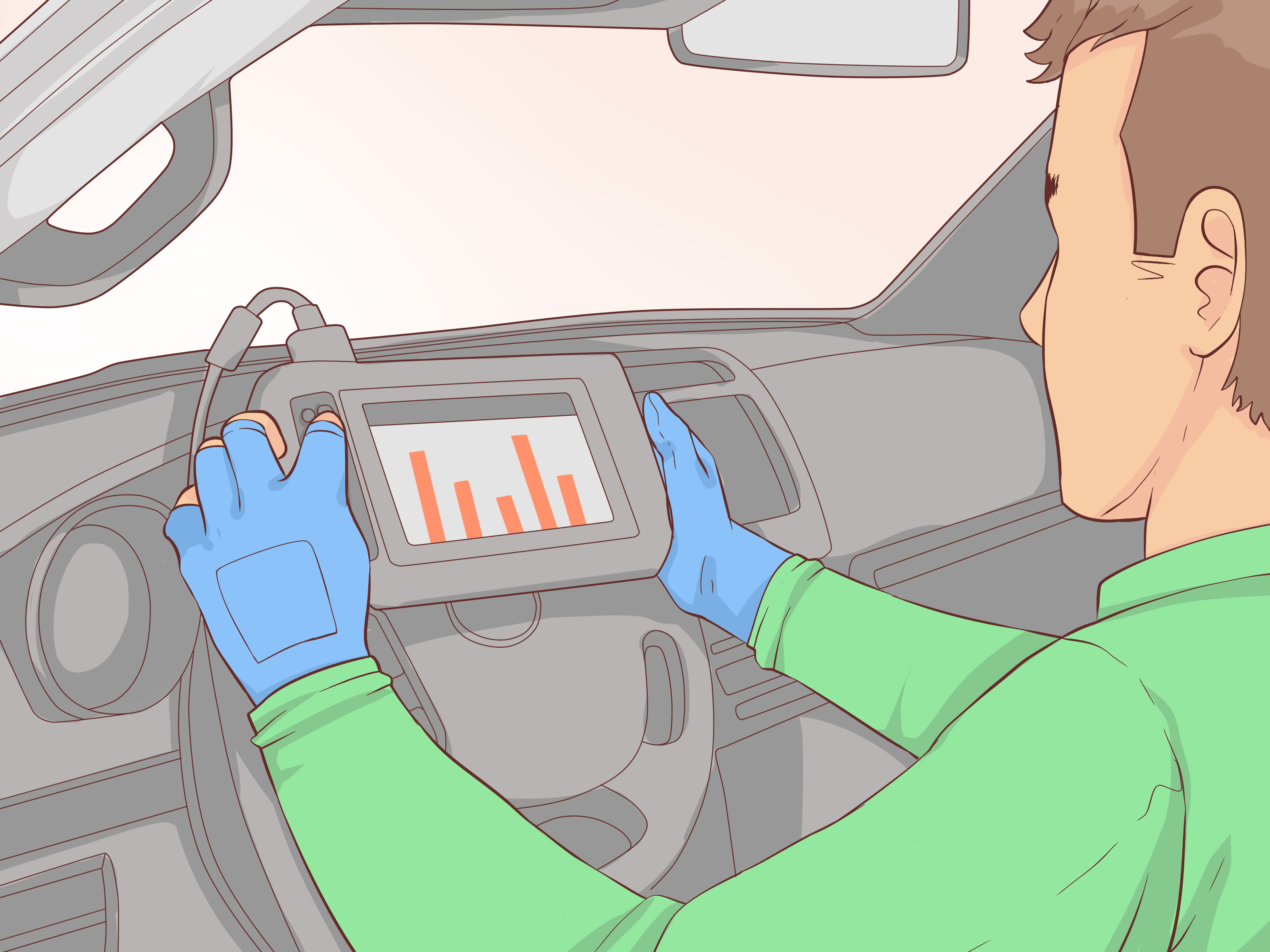
If your 4-cylinder car feels slower than it used to, rough at idle, hesitant under throttle, or strangely thirsty for fuel, fix those issues first. Replacing basic wear items can restore responsiveness and smooth out power delivery. That includes spark plugs, the engine air filter, and any overdue maintenance listed in the owner’s manual. If the check engine light is on, stop shopping for horsepower and solve that problem first. A performance part cannot out-muscle a misfire.
It is also worth checking for vacuum leaks, tired oxygen sensors, dirty mass air flow sensors where applicable, and carbon buildup on engines known for it. None of that is as exciting as a cold air intake box arriving on your porch, but it is often the difference between “This car feels alive again” and “Why did I spend money to make it louder and somehow worse?”
Why This Works
Horsepower is not just about adding new capability. It is also about recovering lost efficiency. A healthy engine burns the air-fuel mixture more effectively, responds faster to throttle input, and makes the power it was designed to make. On older or neglected 4-cylinder cars, restoring factory performance can feel like a surprisingly big upgrade, especially if the engine has been slowly losing pep for years.
Best for Daily Drivers
If your goal is a stronger, smoother daily driver, this is the smartest first step. It is usually more affordable than bolt-on mods, it improves reliability, and it gives every later upgrade a better foundation. Think of it as strength training before the fancy shoes.
Way #2: Help the Engine Breathe Better With Intake and Exhaust Upgrades
Once the engine is healthy, the next classic move is improving airflow. Internal combustion engines are basically air pumps. The easier they can pull air in and push exhaust out, the easier it is to make power. That is why intake and exhaust upgrades have been popular since long before the internet started arguing about every dyno chart ever posted.
Cold Air Intake or High-Flow Intake System
A well-designed intake system can reduce restriction and help the engine draw in cooler, denser air. On many 4-cylinder cars, especially small-displacement engines, the gain is usually noticeable but not dramatic. You may feel quicker throttle response, a sharper induction sound, and a small horsepower bump near the upper part of the rev range.
This is where expectations matter. A quality intake can be a worthwhile bolt-on, but it is not magic. If your goal is “a little more eager,” great. If your goal is “I want my sedan to challenge sports cars at red lights,” that is a different conversation and probably a more expensive one.
Cat-Back Exhaust, Headers, and Flow Improvements
On the exhaust side, reducing restriction can also help the engine move air more efficiently. A cat-back exhaust can improve sound and sometimes free up a few horsepower, especially when combined with other mods. Headers can add more performance potential than a muffler swap alone, but they also bring more cost, more installation complexity, and more legal/emissions questions depending on where you live.
The key word here is matched. Intake and exhaust upgrades tend to work best as part of a system. A better intake with a restrictive exhaust still leaves a bottleneck. A loud exhaust on an otherwise stock naturally aspirated commuter may mostly add noise, not speed. The best setups are balanced and built around the engine’s actual needs.
What Gains Should You Expect?
For most everyday 4-cylinder cars, bolt-on airflow mods tend to deliver modest gains rather than huge ones. Think of them as sharpening the engine’s manners rather than rewriting its personality. The car may pull a bit more cleanly, sound more energetic, and respond better when you step into the throttle. That is real improvement, even if the dyno sheet does not require sunglasses.
Also, stay emissions-compliant. Avoid removing or disabling catalytic converters or emissions equipment. A legal, properly engineered setup is the only kind worth recommending for a street-driven car. Fast is fun. Fines, failed inspections, and dashboard warning lights are not.
Way #3: Tune the ECUand If You Want Real Power, Consider Boost
If bolt-ons are the appetizer, engine tuning is often the main course. Modern 4-cylinder cars rely heavily on engine management software to control fuel delivery, ignition timing, boost pressure on turbo models, and throttle behavior. That means the ECU can be one of the biggest keys to unlocking horsepowerespecially on turbocharged engines.
ECU Tuning for Turbocharged 4-Cylinder Cars
If your car has a factory turbo, this is usually the biggest bang-for-the-buck path. A quality ECU tune can increase boost, sharpen throttle response, and optimize fuel and timing maps for premium fuel or specific hardware. On many turbo 4-cylinder platforms, that can create gains you can actually feel from the first pull onto the highway.
This is why turbo hot hatches and sport compacts have such loyal fan bases. A simple tune on the right platform can make the car feel lighter, stronger, and much more eager in the midrange. For drivers who want meaningful power without rebuilding the engine, it is often the most sensible upgrade path.
Tuning Naturally Aspirated 4-Cylinder Cars
Here is the honest part: naturally aspirated 4-cylinder cars usually do not gain huge horsepower from a tune alone. You may improve throttle mapping, drivability, and how the car uses supporting mods, but you typically will not unlock the same dramatic power jump seen on turbo engines. In plain English, an ECU tune on a naturally aspirated commuter is more “cleaner and crisper” than “suddenly terrifying.”
That does not mean tuning is useless. It just means expectations should match reality. If you have intake and exhaust upgrades, a tune can help them work together more effectively. It can also make the engine feel more responsive and more willing to rev, which many drivers enjoy as much as raw dyno numbers.
For the Biggest Gains: Turbocharging or Supercharging
If your naturally aspirated 4-cylinder is your project car and you want a serious jump in horsepower, forced induction is the real turning point. Adding a turbocharger or supercharger increases the amount of air entering the engine, which allows more fuel to be burned and produces much larger gains than basic bolt-ons. This is the point where your car stops “feeling a little quicker” and starts entering a whole new performance category.
But bigger power comes with bigger trade-offs. A turbo or supercharger setup usually requires supporting hardware, proper tuning, a healthy clutch or transmission, upgraded cooling in many cases, and a realistic budget. It can also affect long-term reliability if the setup is poorly planned or pushed too hard. This is not the mod to install because you got inspired at 1:00 a.m. after watching three drag-race videos and one very persuasive intake sound clip.
Mistakes to Avoid When Chasing Horsepower
The first mistake is expecting every mod to stack like video game bonuses. Real engines are more complicated. Some parts complement each other; some barely matter without supporting changes. The second mistake is buying parts based only on marketing language. “Aggressive,” “race-inspired,” and “street beast” are not dyno numbers.
The third mistake is ignoring legality and reliability. An illegal setup can cause inspection problems, warranty headaches, and emissions trouble. A bad tune can cause knock, heat, and expensive regret. And a cheap part that fits “with minor modification” often means your Saturday is about to become a character-building exercise.
Finally, do not forget the rest of the car. More power is more useful when the tires, brakes, suspension, and cooling system can keep up. Horsepower is fun. Control is what lets you enjoy it twice.
Which of These 3 Ways Is Best?
If your 4-cylinder is old, neglected, or just feels tired, start with restoring lost power through maintenance. If the engine is healthy and you want modest gains plus more character, go with intake and exhaust upgrades. If the car is turbocharged and you want the biggest payoff, prioritize ECU tuning. And if you own a naturally aspirated project car and want a major jump in output, forced induction is the heavyweight optionjust bring a heavyweight budget.
The smartest builds usually follow this order: make the engine healthy, improve airflow, then tune around the hardware. That path keeps the car balanced and helps you spend money where it actually matters.
Real-World Experiences: What These Upgrades Usually Feel Like
One of the most common experiences among 4-cylinder owners is discovering that the first “power mod” was not a power mod at all. It was maintenance. A driver buys a used compact, swears it feels sluggish, and starts dreaming about headers, tunes, and high-flow everything. Then the spark plugs come out looking ancient, the air filter looks like it has been storing dust since a previous presidential administration, and the car wakes up after a basic service. Suddenly the throttle is cleaner, the idle is steadier, and highway merges stop feeling like formal written requests. It is not glamorous, but it is deeply satisfying.
Another common experience comes from bolt-on intake and exhaust upgrades. Owners often report that the change is less about brutal acceleration and more about personality. The car sounds more eager, revs feel freer, and the engine responds faster when you dip into the throttle. On a small 4-cylinder sedan or hatchback, this can make the car feel more fun every day even if the stopwatch barely sends a thank-you card. The improvement is real, but it is usually subtle enough that expectations matter. People who expect a transformation may be disappointed. People who want a livelier car tend to be happy.
Turbo 4-cylinder owners usually have the most dramatic stories. A quality stage-one style tune often changes the whole mood of the car. The midrange gets fatter, passing power improves, and the engine suddenly feels like it remembered its purpose in life. Many drivers say the car becomes easier to drive quickly because you need less throttle to get moving. That said, tuned turbo cars also teach people about traction, heat, fuel quality, and the importance of not treating every on-ramp like a qualifying lap. Extra power arrives quickly, but responsibility has to arrive with it.
There is also the cautionary tale almost every enthusiast hears sooner or later: the owner who chased noise instead of performance. They installed the loudest exhaust they could find, skipped the tune, ignored the maintenance backlog, and ended up with a car that sounded like it was furious but was not actually any faster. It is a valuable lesson. Sound can enhance the experience, but it is not a substitute for a balanced setup.
Then there are project-car owners who go for forced induction on a naturally aspirated 4-cylinder. When done properly, the experience can be fantastic. The car feels transformed, especially in the midrange and top end, and the power gain is finally large enough to match the money and effort involved. But these builds also tend to teach humility. Supporting mods multiply, installation gets complex, tuning becomes non-negotiable, and weak parts reveal themselves with terrible timing. The result can be brilliant, but nobody reaches it by accident.
The most successful owners usually say the same thing in the end: the best horsepower upgrades were the ones that matched the car’s purpose. A daily driver benefits from smooth, reliable, legal improvements. A turbo hatch rewards a careful tune. A dedicated project car can justify big hardware. The happiest drivers are not the ones who bought the most parts. They are the ones who built a package that made sense.
Conclusion
There are plenty of ways to increase the horsepower of a 4-cylinder car, but the smartest three are also the most realistic: restore lost power through proper maintenance, improve airflow with intake and exhaust upgrades, and tune the ECUor add boost if you want a truly major jump. The exact best path depends on your engine, your budget, and whether your car is a commuter, a canyon toy, or a project that has already consumed most of your weekend vocabulary.
If you remember one thing, make it this: the best horsepower gains come from strategy, not impulse. Start with a healthy engine, choose parts that work together, keep the car emissions-compliant, and tune for the setup you actually have. Do that, and your 4-cylinder can become sharper, stronger, and a lot more entertaining without turning your driveway into a mechanical soap opera.













