
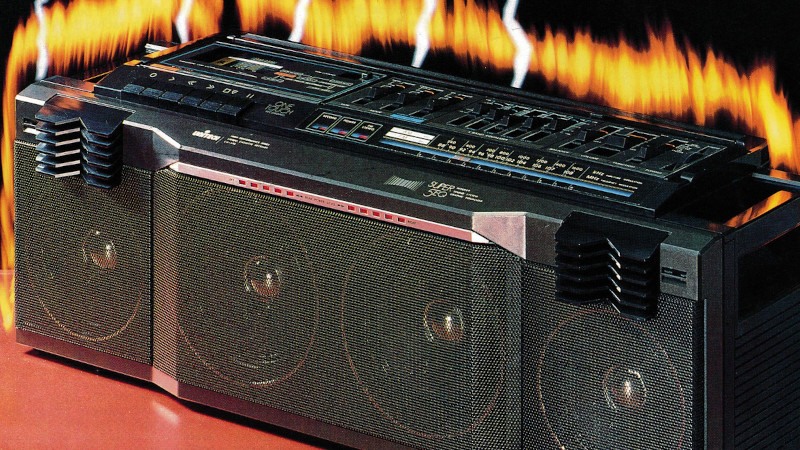
Before one-click checkout, before unboxing videos, and long before your refrigerator could text you about oat milk, there was the gadget catalog. It arrived in the mailbox with the confidence of a tiny paper spaceship, promising a future full of pocket televisions, talking clocks, universal remotes, massage chairs, bread machines, weather radios, car stereos, spy pens, and at least one item nobody could explain but everyone wanted.
The golden age of gadget catalogs was not just a retail moment. It was a cultural mood. From the 1960s through the 1990s, catalogs like Hammacher Schlemmer, The Sharper Image, Brookstone, RadioShack, DAK, Crutchfield, Computer Shopper, SkyMall, Edmund Scientific, and the Whole Earth Catalog helped Americans imagine technology as something personal, playful, and just barely within reach. These catalogs did not merely sell products; they sold curiosity. They made everyday people feel like inventors, pilots, audio engineers, secret agents, or highly prepared homeowners who definitely needed a cordless electric tie rack.
Today, gadget discovery mostly happens through search bars, social media ads, online marketplaces, and algorithmic recommendations. Convenient? Absolutely. Magical? Not always. The old gadget catalog had a different rhythm. You browsed it slowly, page by page, letting your imagination do the assembly. It was shopping, entertainment, education, and daydreaming all stapled together.
What Made Gadget Catalogs So Addictive?
The best gadget catalogs understood a simple truth: people do not buy gadgets only because they need them. They buy gadgets because gadgets whisper, “Your life could be slightly more futuristic by Thursday.”
A good catalog page did more than show a product. It created a tiny drama. Here was the problem: your coffee was lukewarm, your car stereo was weak, your office chair was plotting against your spine, your living room lacked a talking weather station, or your dog had not yet experienced the dignity of a personalized raincoat. Then came the solution, photographed like a miracle and described with the enthusiasm of a carnival barker who had recently discovered semiconductors.
They Turned Ordinary Problems Into Mini Adventures
Catalog copywriters were masters of making small inconveniences feel epic. A flashlight was not just a flashlight. It was “the powerful emergency illumination device trusted when ordinary lights fail.” A bread maker was not just a bread maker. It was a countertop revolution that allowed you to wake up to fresh bread without negotiating with yeast like a nervous medieval baker.
This style worked because technology was moving quickly. Transistors, microprocessors, home audio systems, video cameras, answering machines, personal computers, and compact electronics were changing what people expected from daily life. Gadget catalogs gave these changes a friendly face. They made the future look less like a laboratory and more like something you could order with a toll-free number.
The Early Roots: From Tools To Technological Wonder
The gadget catalog did not appear out of nowhere. Its ancestors were mail-order catalogs that brought goods to customers who could not easily reach big-city stores. Sears became famous for selling nearly everything by mail, including clothing, tools, appliances, and even kit houses. Hammacher Schlemmer, founded in the 19th century, built a reputation around specialized tools, unusual inventions, and carefully presented products. Its catalogs helped establish a model that later gadget retailers would follow: combine practical merchandise with novelty, authority, and a touch of theatrical flair.
By the mid-20th century, the catalog had become a familiar American shopping format. The postwar economy created more leisure time, more disposable income, and more appetite for home conveniences. The rise of hobby electronics, hi-fi audio, amateur radio, model building, photography, and home improvement created a perfect environment for specialized catalogs. For gadget lovers, the mailbox became a portal.
Hammacher Schlemmer: The Elegant Ancestor
Hammacher Schlemmer helped define the high-end curiosity catalog. Its pages often mixed useful tools with astonishing oddities, giving readers the sense that somewhere in the world there was a better, smarter, stranger version of everything. The catalog’s voice was refined, almost museum-like. It did not shout, “Buy this weird thing!” It calmly implied, “Naturally, the discerning person requires a self-propelled pool lounger.”
That tone mattered. It framed gadgets as intelligent luxuries rather than disposable toys. Whether the item was a home appliance, an unusual travel accessory, or an advanced personal device, Hammacher Schlemmer made discovery feel sophisticated.
The Sharper Image And The Lifestyle Of Future Cool
If Hammacher Schlemmer was the elegant elder, The Sharper Image was the confident younger cousin wearing mirrored sunglasses indoors. Founded by Richard Thalheimer in the late 1970s, The Sharper Image became one of the defining names of gadget culture. Its early success came from mail-order marketing, sleek product selection, and a strong sense of what ambitious professionals wanted to imagine about themselves.
The catalog was not only about devices. It was about identity. A Sharper Image customer was busy, modern, informed, and possibly one gadget away from becoming the most interesting person at a dinner party. The products ranged from practical to outrageous: massagers, air purifiers, electronic organizers, travel accessories, personal care devices, stereo equipment, novelty electronics, and futuristic home products. Some were useful. Some were questionable. Many were irresistible.
The Power Of “I Didn’t Know I Needed That”
The Sharper Image perfected the “I didn’t know I needed that” reaction. A reader could begin a page as a normal citizen and end it convinced that a noise-canceling sleep machine, heated towel rack, or robotic neck massager was essential to human progress.
That was the genius of the golden age of gadget catalogs. They were not limited by what shoppers searched for. They introduced desires before customers had names for them. Modern search engines are excellent when you know what you want. Gadget catalogs were excellent when you did not know what was possible.
RadioShack: The Catalog For People Who Wanted To Build The Future
No discussion of vintage gadget catalogs is complete without RadioShack. For generations of hobbyists, tinkerers, students, engineers, ham radio operators, and kids who enjoyed taking things apart with uncertain plans for reassembly, the RadioShack catalog was a sacred text.
RadioShack catalogs showcased stereos, CB radios, shortwave receivers, antennas, scanners, electronic components, batteries, calculators, computers, cables, kits, and parts with names that sounded like they belonged in a submarine control room. Unlike some catalogs that sold finished lifestyle gadgets, RadioShack also sold the raw ingredients of invention. You could buy a finished radio, or you could buy the switches, resistors, and soldering tools needed to make something blink, buzz, receive, transmit, or smoke gently before failing.
A Playground For The Technically Curious
The RadioShack catalog made electronics feel accessible. It showed that technology was not only something corporations produced; it was something ordinary people could understand, repair, modify, and build. The pages trained readers to recognize parts, compare specifications, and imagine projects. For many people who later entered engineering, computing, audio, or telecommunications, RadioShack was an early classroom disguised as a store flyer.
This was a major part of the golden age: catalogs were educational. They explained features, showed diagrams, included measurements, and encouraged comparison. They taught consumers how to think about gadgets, not just how to buy them.
DAK And The Art Of Long-Form Gadget Storytelling
DAK Industries, led by Drew Alan Kaplan, became legendary for a very specific style of gadget selling: long, conversational, highly detailed product copy. Where modern product listings often rely on bullet points and star ratings, DAK pages could read like enthusiastic letters from a friend who had stayed up all night testing a stereo equalizer and wanted you to understand every glorious knob.
DAK sold consumer electronics, audio gear, security devices, telephones, small appliances, and unusual imports. What made the catalog memorable was its personality. The copy often felt personal, opinionated, and deeply involved. Kaplan’s voice gave products a narrative. You were not just buying a gadget; you were joining him in discovering why it mattered.
Why Long Copy Worked
Long copy worked because gadget buyers wanted confidence. Before online reviews, video demonstrations, and instant price comparison, the catalog page had to do the heavy lifting. It had to explain what the product did, why it was different, how it solved a problem, and why ordering by mail was worth the leap of faith.
DAK-style copy also made shopping feel intimate. The reader could sense a human being behind the pitch. That human might have been a little too excited about a cordless phone, but the excitement was part of the charm.
Brookstone, Crutchfield, And The Hands-On Dream
Brookstone began as a catalog focused on hard-to-find tools and later became a familiar mall destination for gadgets, gifts, travel accessories, massage chairs, and clever home products. Its catalog roots remained important because the brand always carried a sense of discovery. Brookstone products often felt like solutions to problems you had tolerated for years because you did not know a collapsible, rechargeable, multi-angle, comfort-enhancing device existed.
Crutchfield offered a different kind of catalog magic. Founded in the 1970s, it became known for car audio and consumer electronics, with a strong emphasis on guidance. The Crutchfield catalog did not simply say, “Here is a stereo.” It helped shoppers understand fit, compatibility, installation, and performance. For car audio enthusiasts, that was gold. A new receiver or speaker system was not just a purchase; it was a weekend project and a personality upgrade for your dashboard.
The Catalog As Trusted Advisor
The best gadget catalogs built trust by reducing uncertainty. They anticipated questions: Will it fit? Is it compatible? How big is it? Does it require batteries? Can I install it myself? Will it make me look like a genius or a person who bought a plastic desk fountain shaped like a dolphin?
By answering those questions in advance, catalogs became advisors. They were part salesperson, part manual, part magazine, and part dream board.
SkyMall: The Weird Genius Of Shopping At 30,000 Feet
SkyMall deserves its own wing in the Museum of Things Nobody Needed Until They Were Trapped In Seat 22B. Found in airplane seatback pockets, the catalog became famous for whimsical, extravagant, and often bizarre products. Garden statues, pet ramps, travel gadgets, personalized gifts, home office tools, and novelty furniture all appeared in its glossy pages.
SkyMall worked because the environment was perfect. Air travelers were bored, mildly uncomfortable, and unable to escape. They had time to browse, imagine, and wonder whether their yard needed a seven-foot yeti statue. In-flight shopping turned idle time into fantasy retail.
SkyMall And The Joy Of Absurd Possibility
SkyMall’s charm was not only the products. It was the permission to be ridiculous. At cruising altitude, everyday judgment loosened. A person who would never search online for a life-size knight in armor might stare at one for three minutes over Nebraska and think, “Actually, the foyer has been missing something.”
That sense of absurd possibility is a major reason people remember gadget catalogs so fondly. They offered surprise. Algorithms tend to show us more of what we already like. SkyMall showed us things we could not have predicted, including many things we probably should not buy but absolutely wanted to discuss.
The Whole Earth Catalog: Tools, Ideas, And The Spirit Of Access
The Whole Earth Catalog was not a gadget catalog in the same commercial sense as The Sharper Image or Brookstone, but it belongs in this story because it shaped the cultural meaning of tools. Launched in 1968 by Stewart Brand, it gathered books, tools, educational resources, design ideas, and technologies for people interested in self-sufficiency, ecology, craft, and systems thinking.
Its famous influence on technology culture came from the way it connected access with empowerment. The message was simple and powerful: give people tools and information, and they can change how they live. Steve Jobs later described it as a kind of paperback predecessor to Google, highlighting how deeply it anticipated the search-and-discovery culture of the internet.
From Catalog Pages To Digital Culture
The Whole Earth Catalog helped bridge counterculture, personal computing, and do-it-yourself learning. It treated information as a tool and tools as extensions of personal freedom. That philosophy echoed through later digital culture, from home computing clubs to online forums, maker communities, and open-source projects.
In this sense, the gadget catalog was not only about buying objects. It was about gaining access to possibility.
Why The Golden Age Faded
The golden age of gadget catalogs faded for several reasons. Printing and mailing catalogs became expensive. Retail competition intensified. Big-box stores, cable shopping channels, and later e-commerce changed consumer expectations. The internet made product discovery faster, comparison easier, and inventory nearly infinite.
By the late 1990s and early 2000s, many catalog companies had moved online. Some survived as digital brands. Others struggled with debt, changing malls, postage costs, thin margins, and the difficulty of competing against massive online marketplaces. The Sharper Image filed for bankruptcy in 2008 after years of losses and legal trouble around its Ionic Breeze air purifiers. Brookstone also faced severe retail challenges as mall traffic declined. SkyMall’s print life ended as airline habits, digital devices, and retail economics changed.
But the spirit did not disappear. It migrated.
The Catalog Became The Feed
Today’s gadget discovery happens through Instagram ads, TikTok demonstrations, YouTube reviews, Kickstarter campaigns, Amazon recommendations, email newsletters, and niche blogs. The modern feed is, in many ways, the gadget catalog’s hyperactive grandchild. It is faster, more personalized, and more measurable. It is also less patient.
Old catalogs invited wandering. Modern shopping often demands intent. A catalog might show you a telescope, a weather station, a universal remote, and a heated foot massager in one sitting. A search engine waits for instructions. A feed predicts your behavior. A catalog surprised you on purpose.
What Modern Marketers Can Learn From Vintage Gadget Catalogs
For content creators, e-commerce brands, and SEO writers, the golden age of gadget catalogs still offers valuable lessons.
1. Sell The Story, Not Just The Specification
Specifications matter, but story creates desire. A product description should explain how a gadget fits into daily life. What problem does it solve? What moment does it improve? Why should the reader care?
2. Make Discovery Fun
Great catalogs rewarded curiosity. Modern websites can do the same with smart internal links, comparison guides, gift guides, quizzes, editorial collections, and product explainers that feel enjoyable rather than mechanical.
3. Build Trust Before Asking For The Sale
Catalogs had to overcome distance. Customers could not touch the product, so the copy had to provide clarity. Today, brands still need detailed descriptions, transparent policies, real photos, helpful FAQs, and honest guidance.
4. Create A Voice People Remember
DAK had personality. SkyMall had whimsy. Sharper Image had sleek aspiration. RadioShack had practical nerd energy. A memorable voice makes a brand feel human, and humans are still more interesting than generic product grids.
Experiences: What It Felt Like To Live Through The Golden Age Of Gadget Catalogs
To understand the golden age of gadget catalogs, you have to imagine the mailbox as an event. Not a notification. Not a banner ad. A physical event. The catalog arrived with weight, gloss, and possibility. You could hear it drop onto the table. You could flip it open while eating cereal, circle products with a pen, fold down corners, and leave it somewhere visible in the subtle hope that a birthday shopper might receive the message.
Reading a gadget catalog felt different from shopping online because there was no search box rushing you toward a decision. You started at the front and wandered. You discovered things in the order the editors wanted you to discover them. A page of audio equipment might lead to a page of digital watches, then to a page of travel alarms, then to a device that promised to remove wrinkles from clothing while looking like it belonged on a spacecraft. The experience was slow enough for imagination to catch up.
For kids and teenagers, these catalogs were especially powerful. A RadioShack catalog could make a young reader feel like the secret language of electronics was learnable. The tiny parts had names. The radios had ranges. The computers had memory measured in numbers that now seem adorable, but at the time felt like moon math. Even if you could not buy anything, you could study the pages and feel your mind expanding.
For adults, catalogs offered a different pleasure: controlled fantasy. You might not need a home weather station, but you could picture yourself as the type of person who calmly checks barometric pressure before grilling. You might not need a massage chair, but you could imagine returning from work, pressing one button, and becoming a relaxed executive instead of a tired person with mail to sort. Gadget catalogs made self-improvement look plug-in ready.
There was also a social experience around catalogs. Families shared them. Friends laughed at strange products. Co-workers passed around outrageous pages. Airplane passengers bonded over SkyMall oddities. Someone would point to a product and say, “Who buys this?” Then everyone would secretly wonder if they were, in fact, the target customer.
The ordering process added suspense. You called a number, mailed a form, or later used a basic website. Then you waited. Waiting was part of the ritual. The product did not appear in two hours. It traveled toward you like a small promise. When the box arrived, the excitement had been aging like cheese, hopefully with better results.
Not every gadget lived up to the fantasy. Some were flimsy. Some were brilliant. Some worked for three days and then retired dramatically. But even the disappointments became stories. That was the hidden value of gadget catalogs: they turned consumption into narrative. Every purchase had a beginning, middle, and occasionally a customer-service epilogue.
The golden age of gadget catalogs reminds us that technology once felt more mysterious, more tactile, and more surprising. The future did not stream past us in an endless feed. It arrived by mail, page by page, asking us to dream a little before we bought.
Conclusion
The golden age of gadget catalogs was a remarkable chapter in American consumer culture. It combined mail-order retail, technological optimism, clever copywriting, and the simple joy of discovering something unexpected. These catalogs helped people imagine new versions of their homes, cars, offices, hobbies, and identities. They taught readers about electronics, introduced unusual inventions, and made shopping feel like exploration.
While the internet has replaced the catalog as the dominant tool for product discovery, it has not fully replaced the feeling those catalogs created. The best gadget catalogs had personality, surprise, and a sense of wonder. They made technology feel approachable and fun. They invited readers to believe that the next page might contain the device that would make life easier, cooler, stranger, or at least more entertaining.
In the end, the golden age of gadget catalogs was not just about gadgets. It was about imagination delivered to your door.














