
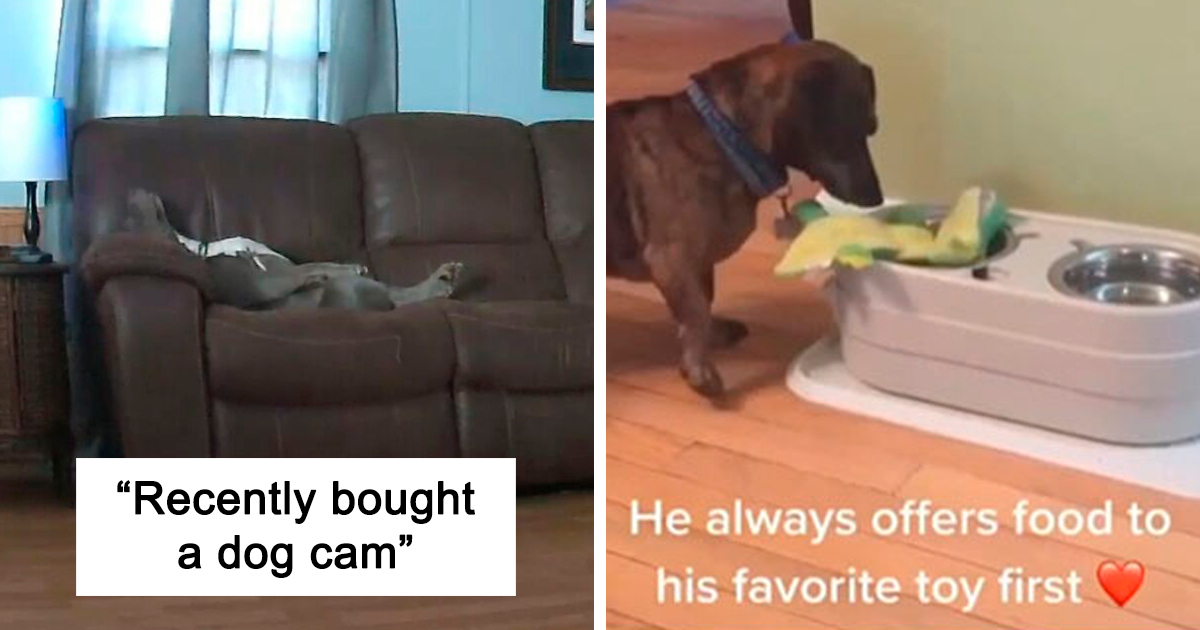
If you have ever walked into the living room and found your dog upside down, half under the couch, staring at the wall like it owes him money, congratulations: you have witnessed peak canine comedy. The internet’s love for bizarre dog pictures is not just about cute pets doing silly things. It is about that magical moment when a dog seems to forget how dog software is supposed to work.
The viral idea behind “What’s Wrong With Your Dog?” captures exactly that feeling. People share photos of dogs sitting like tired accountants, sleeping in positions that look medically impossible, making faces worthy of Renaissance paintings, squeezing into boxes, judging family dinners, or acting as if a perfectly normal household object has betrayed them personally. The result is wholesome chaos: forty new reminders that dogs are loving, loyal, deeply emotional, and occasionally powered by potato logic.
But behind every “malfunctioning dog” photo is a real animal with instincts, emotions, habits, and sometimes a message. Most of the time, a dog acting weird is just being a dog. Still, some odd behaviors can point to boredom, anxiety, pain, stress, or a need for better enrichment. So let’s laugh at the goofy side while also learning how to read the signals.
Why Weird Dog Pictures Never Get Old
Dog humor works because it is instantly recognizable. You do not need to be a professional trainer to understand the comedy of a Labrador trying to sit on a chair like a human uncle at Thanksgiving. You do not need a veterinary degree to appreciate a husky throwing a dramatic protest over bath time. Dogs make excellent internet stars because their emotions are big, visible, and gloriously unfiltered.
The best bizarre dog photos usually fall into a few lovable categories: the mysterious stare, the dramatic flop, the impossible nap, the food-focused meltdown, the furniture crime, and the “I meant to do that” face. These images feel funny because dogs are usually sincere. When a dog wedges himself into a laundry basket, he is not performing for applause. He has simply decided, with full confidence, that the basket is now a luxury studio apartment.
That honesty is what makes online dog communities so popular. The r/WhatsWrongWithYourDog community, for example, describes itself as a place for humorous images and videos of dogs being goofs, not a place for medical advice. That distinction matters. The joke is not that something is truly wrong with the dog. The joke is that dogs can turn normal life into a tiny sitcom without trying.
Is Your Dog Actually Being Weirdor Just Being a Dog?
Many behaviors that humans call strange are completely normal in the canine world. Digging, chewing, spinning before lying down, rolling in grass, sniffing everything with scientific intensity, and suddenly sprinting around the house are all part of the dog experience. Humans have spreadsheets. Dogs have floor zoomies.
Veterinary behavior experts often distinguish between normal but unwanted behaviors and abnormal behaviors that may come from an underlying disorder. In other words, a dog chewing a toy, digging in the yard, or racing after a bath may be normal. A dog repeatedly licking one spot raw, circling for long periods, freezing and staring, or chasing unseen objects may deserve professional attention.
That is why context matters. A single funny picture of a dog sleeping sideways on a staircase is usually just comedy gold. A repeated pattern of restlessness, appetite changes, pain, fear, excessive barking, or sudden personality shifts is different. Good dog ownership means enjoying the ridiculous moments while noticing when the joke might be a signal.
The Zoomies: When Your Dog Turns Into a Furry Tornado
Few dog behaviors are more entertaining than the zoomies. One second your dog is calm; the next, he is sprinting through the hallway like he heard the refrigerator insult his ancestors. These bursts are often called Frenetic Random Activity Periods, or FRAPs. They are common in puppies and younger dogs, though adult dogs can absolutely join the chaos committee too.
Zoomies often happen after baths, after being crated, at night, after a big poop, or when a dog has stored up energy that needs somewhere to go. The important part is safety. If your dog likes to launch into turbo mode, clear the floor, avoid slippery surfaces, and make sure fragile objects are not standing in the blast zone. Grandma’s vase did not sign up for canine NASCAR.
Why Dogs Sleep Like Broken Furniture
Many viral dog photos involve sleeping positions that look less like rest and more like a yoga class taught by spaghetti. Dogs sleep on their backs, with legs in the air, curled into croissants, folded over couch arms, or draped halfway off the bed. Most of the time, odd sleeping positions are normal and can reflect comfort, temperature, security, or plain personal preference.
A dog sleeping belly-up may feel safe enough to expose vulnerable areas. A curled-up dog may be conserving warmth. A “Superman” pose, with legs stretched out front and back, often appears in energetic dogs ready to pop up and play. Then there are the dogs who sleep with their heads hanging off furniture, which appears to violate common sense but somehow earns a five-star comfort rating from the dog.
However, sleep changes can matter. If a dog suddenly cannot get comfortable, pants at night, wakes repeatedly, struggles to rise, or avoids favorite resting spots, it may be time to call a veterinarian.
The Food Face: Dogs Acting Dramatic Around Snacks
Many bizarre dog pictures include food: the dog staring at a burrito like it contains the meaning of life, the dog drooling under the table, the dog wearing an expression of personal betrayal because someone ate cheese without filing the proper paperwork. Food obsession can be funny, but it also needs boundaries.
Dogs are opportunists by nature. If a behavior works once, they may try it again with the dedication of a tiny lawyer. Did begging earn a French fry in 2022? Your dog remembers. Your dog has archived the evidence. Your dog is prepared for appeal.
Not all human foods are safe for dogs, so cute begging should not override caution. Chocolate, xylitol, grapes, raisins, alcohol, onions, garlic, and very spicy or fatty foods can be dangerous. A funny photo of a dog longing for a snack is adorable. Letting the dog eat the wrong snack is not.
Chewing, Shredding, and Other Interior Design Crimes
If your dog has ever destroyed a shoe, pillow, remote control, or suspiciously expensive object, you already know that dogs can have strong opinions about home decor. Chewing is normal for dogs. It can provide stimulation, help relieve anxiety, and satisfy natural instincts. The problem is not chewing itself; the problem is when the chosen chew item is your new sneaker.
The solution is not just saying “no” louder. Dogs need appropriate outlets: durable chew toys, puzzle feeders, safe bones recommended by professionals, exercise, training, and mental stimulation. A bored dog is basically a four-legged renovation crew with no permit.
If destructive behavior appears only when the dog is alone, or comes with pacing, drooling, barking, escape attempts, or distress, separation-related anxiety may be involved. In that case, a veterinarian, certified trainer, or veterinary behaviorist can help build a plan.
Rolling in Gross Stuff: The Nose Knows, Unfortunately
One of the oldest dog mysteries is why a freshly bathed dog will immediately roll in something that smells like a swamp wrote a villain origin story. Experts have several theories. Dogs may roll in strong odors to gather scent information, mark an interesting find, communicate with the pack, or simply because the smell is delightful to them. Beauty, in this case, is in the nose of the beholder.
For humans, the reaction is horror. For dogs, it may be a proud announcement: “I found this terrible smell and brought it home for the family.” That is love, technically. Very fragrant love.
When Weird Becomes a Warning Sign
Most bizarre dog behavior is harmless, but some changes deserve attention. Sudden odd behavior should be taken more seriously than a lifelong quirk. If your dog has always slept upside down under the coffee table, that may simply be his brand. If he suddenly hides, limps, refuses food, growls when touched, circles constantly, pants without heat or exercise, or stares blankly, something may be wrong.
Signs of pain can include abnormal gait, reluctance to move, trouble jumping, decreased appetite, excessive drooling, less interest in play, changes in temperament, worried facial expressions, restlessness, abnormal sleep, or licking a specific body part. Anxiety can show up as destructive behavior, drooling, ears pulled back, excessive barking, lip licking, panting, shaking, whining, or showing the whites of the eyes.
Compulsive behaviors may include pacing, circling, fly snapping, shadow chasing, excessive licking, freezing, staring, or rhythmic barking. These behaviors do not automatically mean disaster, but they do mean the owner should observe patterns and seek professional advice when needed.
How to Tell Funny Weird From Concerning Weird
Funny Weird Usually Looks Like This
Your dog chooses a strange nap position, makes a silly face, sits awkwardly, gets the zoomies after a bath, rolls in grass, plays dramatically, or reacts to a harmless object with temporary confusion. The behavior is brief, the dog recovers quickly, appetite and energy stay normal, and there are no signs of pain or fear.
Concerning Weird May Look Like This
Your dog repeats the behavior obsessively, cannot be redirected, seems distressed, shows sudden aggression, loses appetite, hides, limps, shakes, has bathroom changes, pants excessively, vocalizes in discomfort, or acts unlike himself for more than a short period. When in doubt, call a veterinarian. The internet is great for memes, but not for diagnosing your best friend.
Why Dogs Make Such Great Comedy Partners
Dogs are funny because they live in the moment. They do not worry about looking cool. A dog can chase his tail, miss the couch, sneeze dramatically, stare at a cucumber, and then walk away with full dignity. That confidence is inspiring. Imagine spilling coffee on yourself and continuing your day with golden retriever optimism.
They are also emotionally expressive. Their eyebrows, ears, posture, tail, mouth, and eyes all help tell a story. A dog who wants a walk can look like a motivational speaker. A dog denied a bite of chicken can look like a heartbroken poet. A dog who hears the word “bath” can disappear with the stealth of a retired spy.
This emotional clarity makes dog photos instantly shareable. We do not just see a pet in a weird position. We imagine the personality behind it: the drama queen, the snack detective, the couch philosopher, the hallway sprinter, the suspicious inspector of cardboard boxes.
How to Encourage the Good Kind of Goofy
A happy, enriched dog is more likely to be silly in healthy ways. Daily walks, sniffing time, puzzle toys, training games, safe socialization, and predictable routines all help dogs burn energy and use their brains. Enrichment does not have to be fancy. A cardboard box with hidden treats, a slow feeder, a new walking route, or five minutes practicing basic cues can make a big difference.
Socialization also matters, especially for puppies. Positive exposure to people, places, surfaces, sounds, and gentle handling can help dogs feel more confident. A confident dog may still act goofy, but the goofiness comes from joy instead of fear.
The best rule is simple: laugh with your dog, not at your dog’s distress. If the behavior is harmless, capture the picture and enjoy the moment. If the dog seems scared, trapped, hurt, or overwhelmed, put the phone down and help.
Experience Section: What Living With a “Malfunctioning” Dog Teaches You
Anyone who has lived with a dog knows that bizarre behavior becomes part of the household routine. At first, you ask, “Why is the dog doing that?” After a few months, you simply step over the dog lying directly in the doorway and say, “Good morning, speed bump.” Dogs have a way of turning weirdness into tradition.
One common experience is the mysterious favorite spot. A dog may ignore three expensive beds and choose a pile of laundry, a hallway corner, or the exact square of sunlight that makes it impossible to open the pantry. You can buy the orthopedic memory foam bed with cooling gel and premium stitching. Your dog may still prefer the cardboard box it came in. This is not failure. This is canine interior design.
Another familiar moment is the dramatic reaction to ordinary words. Say “walk,” and your dog may become a pogo stick with ears. Say “vet,” and suddenly he has never heard English before. Say “bath,” and he transforms into a ghost. Dogs learn patterns quickly, especially when snacks, leashes, car rides, or towels are involved. Their reactions may look bizarre, but they often reflect sharp observation.
Then there is the midnight inspection routine. Many owners have watched their dog suddenly stare into a dark hallway, bark once, and leave everyone questioning reality. Usually, the explanation is a sound, scent, shadow, bug, or tiny environmental change humans missed. Dogs live in a sensory world far richer than ours. While we notice a room, they notice the room, the mail carrier’s shoes, yesterday’s sandwich, and the emotional history of the couch cushion.
Living with a goofy dog also teaches patience. A dog may refuse to walk past a trash can on Tuesday, then try to befriend it on Wednesday. He may bark at a statue, sleep with one paw in the water bowl, or carry the same toy everywhere like a sacred heirloom. These habits can be hilarious, but they remind us that dogs have preferences, fears, routines, and moods.
The best experience is learning to observe without instantly correcting. Not every odd behavior needs to be stopped. Sometimes a dog rolling on the carpet is celebrating. Sometimes a dog sleeping upside down is relaxed. Sometimes a dog bringing you one sock is offering treasure. When the behavior is safe, letting dogs be delightfully strange can strengthen the bond.
Of course, responsible owners also learn when to act. If the weird behavior is sudden, intense, repetitive, or paired with physical changes, it is not just “dog being dog.” A quick vet call can prevent small issues from becoming big ones. The goal is not to remove the silliness. The goal is to protect the dog behind the silliness.
In the end, “What’s wrong with your dog?” is usually the wrong question. Most of the time, nothing is wrong. Your dog is simply comfortable enough to be ridiculous in front of you. That is a compliment. A dog who can flop, snort, spin, stare, wiggle, nap like a melted pretzel, and trust you through all of it is a dog who feels at home. And honestly, that might be the sweetest punchline of all.
Conclusion
Funny dog pictures are more than quick entertainment. They show the strange, joyful, expressive side of life with dogs. From zoomies to dramatic naps, from food faces to suspicious couch behavior, our pets remind us that love does not always look elegant. Sometimes it looks like a dog sitting backward on a chair while judging your sandwich.
Enjoy the bizarre moments. Share the harmless ones. Learn from the repeated ones. And when your dog’s behavior seems painful, sudden, anxious, or compulsive, choose care over comedy. The internet can give us laughter, but attentive owners give dogs what they need most: safety, patience, and a home where being a little weird is completely allowed.
Note: This article is intended for general pet-interest publishing and is not veterinary advice. If a dog’s unusual behavior is sudden, repeated, painful, or paired with appetite changes, mobility issues, fear, aggression, or distress, consult a licensed veterinarian.













