
Note: This article is written in standard American English, optimized for SEO, and based on current U.S. kitchen design reporting, remodeling trends, and interior design commentary.
The ‘90s kitchen is officially backbut thankfully, not in the “grapevine wallpaper border, orange oak overload, and one lonely rooster judging your cereal choices” kind of way. Today’s version is softer, warmer, more thoughtful, and much easier to live with. Instead of recreating a sitcom set from 1996, designers and homeowners are borrowing the best ‘90s kitchen details and giving them a modern glow-up.
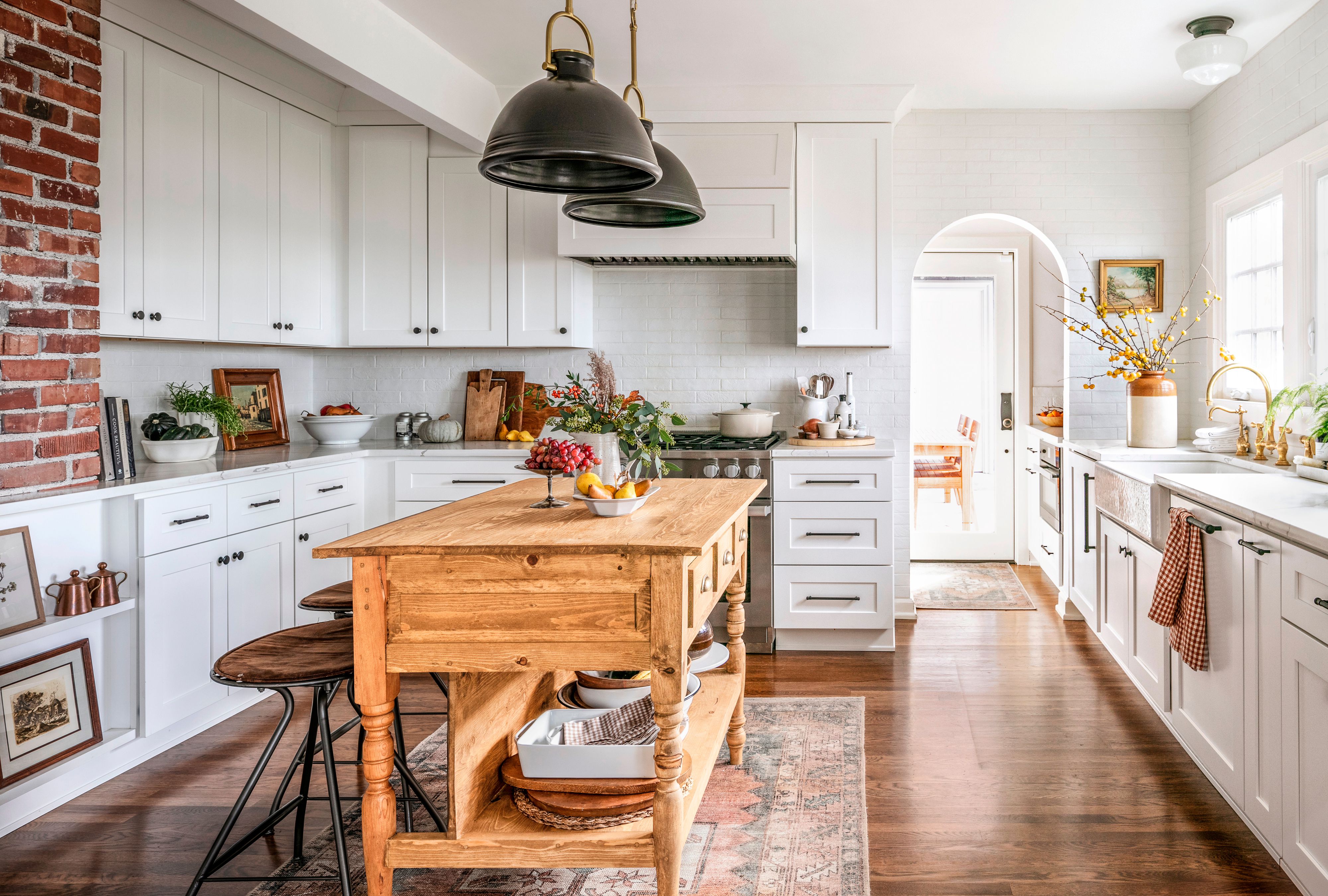
Why the comeback? After years of icy white kitchens, gray everything, and spaces that looked like they were waiting for a real estate photographer to arrive, people are craving warmth again. Kitchens are becoming more personal, layered, and homey. The design world is leaning into natural wood, cozy colors, practical storage, decorative lighting, and charming details that make a room feel lived innot staged for a minimalist robot family.
In other words, the ‘90s kitchen details that are back in style are not returning by accident. They fit perfectly with today’s love of nostalgia, comfort, craftsmanship, and approachable design. Here are the details making a stylish comebackand how to use them without making your kitchen look like it still has a landline next to the microwave.
Why ‘90s Kitchen Style Is Trending Again
The revival of ‘90s kitchen design is part nostalgia, part practicality, and part rebellion against the cold, ultra-polished kitchens that dominated the past decade. People want kitchens that feel like the heart of the home again. That means inviting materials, touchable textures, visible personality, and enough charm to make a Tuesday-night pasta dinner feel like a small domestic victory.
The best ‘90s kitchens were often hardworking spaces. They had real storage, family-friendly surfaces, a breakfast nook, warm wood cabinets, and decorative touches that made the kitchen feel connected to the rest of the house. Today, those same ideas are returningbut with cleaner lines, better lighting, smarter layouts, and less visual clutter.
Modern homeowners are not asking for an exact time capsule. They want the emotional memory of a ‘90s kitchen: cozy mornings, a bowl of cereal at the counter, cookies cooling on butcher block, and a room where everyone somehow gathered even when the living room was right there. The goal is nostalgia with editing. Think “inspired by the ‘90s,” not “trapped in a 1994 cabinet showroom.”
1. Warm Wood Cabinets
Few details say “classic ‘90s kitchen” quite like wood cabinetry. Honey oak, maple, cherry, and medium-toned woods appeared in homes across America throughout the decade. For years, many homeowners painted over them in white or gray. Now, wood cabinets are coming back because they add something painted cabinets often cannot: natural warmth.
The updated version is more refined. Instead of glossy orange oak with heavy cathedral doors, today’s wood cabinets often feature flatter profiles, satin finishes, slim hardware, and calmer undertones. White oak, walnut, maple, and lightly stained woods feel current because they work beautifully with modern stone, bronze hardware, creamy walls, and handmade tile.
How to make wood cabinets feel modern
Keep the cabinet door style simple. Choose clean Shaker, slab, or inset doors instead of ornate raised panels. Pair warm wood with soft white, mushroom, sage, deep green, or muted blue. If you already have ‘90s oak cabinets, consider updating the hardware, backsplash, lighting, and countertops before reaching for a paintbrush. Sometimes the cabinets are not the problemthe 1998 beige laminate and tulip-shaped ceiling light are simply making them look guilty by association.
2. Glass-Front Cabinets
Glass-front cabinets were a staple in many traditional ‘90s kitchens, and they are back for a good reason: they break up heavy cabinet walls and make a kitchen feel more open. They also give homeowners a place to display pretty dishes, vintage glassware, cookbooks, ceramics, or that one pitcher everyone owns but uses twice a year.
Today’s glass cabinet trend is more curated than cluttered. Instead of filling every visible shelf with mismatched mugs, designers use glass doors strategicallyperhaps on a small hutch-style cabinet, above a coffee station, or flanking a range hood. Reeded glass, seeded glass, and softly textured glass are especially popular because they hide everyday mess while still adding visual interest.
Best places to use glass-front cabinets
Use them where they can create a focal point. A pair of glass-front uppers beside a window can look airy and elegant. A built-in hutch with glass doors can bring dining-room charm into the kitchen. For a small kitchen, one or two glass-front cabinets can keep the room from feeling boxed in. Just remember: glass doors are honest. If your cabinet interior looks like a plastic container avalanche, choose reeded glass and move forward with dignity.
3. Butcher Block Countertops
Butcher block countertops are another ‘90s kitchen detail enjoying a comeback. They add warmth, texture, and a relaxed, hardworking feel. In the ‘90s, butcher block often appeared in country kitchens, family kitchens, and breakfast areas. Today, it is used in both traditional and modern spaces as a softer alternative to stone.
One reason butcher block works so well now is contrast. A wood island top can warm up painted cabinets. A butcher block prep area can soften a kitchen with quartz or natural stone counters. Even a small section of wood countertop near a coffee bar or baking station can make a kitchen feel more personal and inviting.
What to know before choosing butcher block
Butcher block needs maintenance. It should be sealed properly, protected from standing water, and treated with care around sinks. It can scratch, but that is part of its charm. Unlike some materials that look worse with wear, wood can develop character. The key is to use it where it makes sense: islands, baking zones, dry prep areas, or smaller accent sections.
4. Skirted Cabinets and Fabric Details
Skirted cabinets were common in cottage-style and country kitchens of the ‘90s, and they are sneaking back into design in the most charming way. A fabric skirt under a sink, baking counter, or open cabinet adds softness to a room full of hard surfaces. It also provides an easy way to bring in pattern without committing to wallpaper or tile.
The modern skirted cabinet looks more tailored than fussy. Think linen, ticking stripe, gingham, small floral prints, or simple cotton panels hung neatly on a slim rod. The effect is casual, pretty, and practical. It can hide cleaning supplies, pet bowls, recycling bins, or small appliances while adding a nostalgic wink.
Where skirted cabinets work best
Try a skirt below a farmhouse sink, on a pantry cabinet, or in a butler’s pantry. It works especially well in cottage, farmhouse, English country, and vintage-inspired kitchens. If your kitchen is very modern, choose a simple fabric in a solid color or subtle stripe. This keeps the look intentional rather than “I ran out of cabinet doors and panicked.”
5. Patterned Wallpaper and BordersBut Better
Wallpaper in the kitchen was huge in the ‘90s. Sometimes it was charming. Sometimes it involved fruit baskets, ivy vines, or a border marching around the room like it owned the place. Now, wallpaper is returning, but the approach is much more sophisticated.
Instead of covering every wall with a busy print, designers are using wallpaper in targeted areas: breakfast nooks, pantry interiors, backs of glass cabinets, powder rooms near the kitchen, or a single accent wall. Modern wallpapers are available in washable and performance-friendly options, making them more practical for busy homes.
Modern ways to use kitchen wallpaper
Choose patterns that feel fresh: small-scale florals, block prints, botanicals, stripes, checks, or quiet geometrics. Pair wallpaper with clean cabinetry and simple hardware so the room does not feel chaotic. If you miss the ‘90s wallpaper border, reinterpret it with a painted stripe, tile trim, or a narrow paper detail in a pantry or breakfast nook. Nostalgia is fun, but no one needs a grapevine border circling the room like a decorative security system.
6. Traditional Lighting
In the ‘90s, many kitchens featured decorative pendants, chandeliers over breakfast tables, and warm under-cabinet lighting. After years of recessed lights doing all the work, traditional kitchen lighting is back in a big way. People want fixtures that add personality, not just illumination.
Modern traditional lighting includes lantern pendants, shaded sconces, ceramic fixtures, brass chandeliers, and vintage-inspired ceiling lights. These pieces help a kitchen feel more like a room and less like a food-preparation lab. Lighting is also one of the easiest ways to make a kitchen feel updated without remodeling the entire space.
How to update kitchen lighting
Layer your lighting. Use pendants over the island, sconces near open shelving, under-cabinet lights for tasks, and a statement fixture over the breakfast table. Warm bulbs make a big difference. If your kitchen lighting makes everyone look like they are being questioned in a police station, it is time for softer color temperature.
7. Tiled Floors With Personality
Tile floors were everywhere in ‘90s kitchens, from terra-cotta squares to checkerboard patterns to neutral ceramic tile. Today, tile is back because homeowners want durable, easy-to-clean surfaces with character. The difference is in the styling. Instead of builder-basic beige tile, the current look favors thoughtful patterns, warmer tones, and natural textures.
Checkerboard floors are especially popular again because they feel nostalgic and timeless at the same time. Terra-cotta tile brings warmth and Mediterranean character. Limestone and tumbled stone add a softer, old-world look. Even porcelain tile can mimic handmade or natural materials while offering excellent durability.
Choosing a tile floor that will age well
Look for colors that connect with the rest of your kitchen palette. Cream and charcoal checkerboard feels classic. Terra-cotta pairs beautifully with wood cabinets and creamy walls. Soft gray limestone can calm a busier space. The trick is to avoid tile that looks too shiny, too cold, or too obviously mass-produced. A little imperfection makes a floor feel collected rather than installed by a time traveler from a suburban mall food court.
8. Kitchen Hutches and Freestanding Furniture
The ‘90s kitchen often included furniture-like storage: hutches, plate racks, baker’s racks, and display cabinets. That collected look is back because it makes kitchens feel less built-in and more personal. A hutch can provide storage while creating a visual break from wall-to-wall cabinetry.
Modern hutches may be built in or freestanding. They can hold dishes, linens, cookbooks, small appliances, or coffee supplies. Designers often use them to create a “kitchen within the kitchen,” such as a breakfast station, baking zone, or beverage bar.
Why hutches work in modern kitchens
A hutch adds height, charm, and function. It can introduce a different paint color or wood tone, making the kitchen feel layered. In open-concept homes, a hutch can also help the kitchen blend with nearby dining and living spaces. It says, “This is a home,” not “This is where stainless steel appliances come to pose.”
9. Plate Racks and Display Storage
Plate racks were once a common detail in country and traditional kitchens. They are returning because they offer practical storage while adding visual rhythm. A plate rack can display everyday dishes, cutting boards, trays, or serving pieces. It brings texture to the kitchen without taking up much space.
The updated plate rack is simple and architectural. It may be built into a cabinet run, tucked into a hutch, or installed as a small wall feature. Painted in the same color as the cabinetry, it feels subtle. In natural wood, it adds warmth and craftsmanship.
How to avoid cluttered display storage
Display only what you actually like looking at. Choose dishes in a consistent color family, add a few wood boards, and leave breathing room. Display storage should feel useful and edited, not like the cabinet doors quit and everything inside is now making a public statement.
10. Warm Neutral Color Schemes
Warm neutrals were a major part of ‘90s interiors. Beige, cream, tan, caramel, and soft brown appeared in kitchens across the country. For a while, these colors were dismissed as dated. Now they are back under more elegant names: mushroom, oatmeal, sand, cashmere, warm white, clay, and greige.
Warm neutrals make kitchens feel calm and welcoming. They also pair beautifully with wood, stone, brass, bronze, and natural fibers. Unlike stark white, warm neutrals do not make every crumb look like breaking news. They are forgiving, timeless, and easy to layer.
Modern warm neutral combinations
Try creamy cabinets with walnut accents, mushroom walls with white oak cabinets, or taupe lower cabinets with warm white uppers. Add texture through woven shades, handmade tile, linen curtains, and wood accessories. The result feels cozy but polishedthe design equivalent of wearing a cashmere sweater while still knowing where the recycling bags are.
11. Stainless Steel Appliances
Stainless steel appliances became a dream-kitchen symbol in the late ‘90s and early 2000s. They are still popular, but the way people use them has shifted. Instead of letting stainless steel dominate the room, designers now balance it with warm woods, colored cabinets, textured tile, and softer metals.
Stainless works because it is durable, neutral, and familiar. It can look sleek in a modern kitchen or professional in a traditional one. The key is balance. Too much stainless can feel cold, but stainless mixed with wood and warm color feels grounded and practical.
How to soften stainless steel
Pair stainless appliances with warm cabinet finishes, bronze or brass hardware, creamy walls, and natural textiles. Add a wood cutting board, ceramic crock, or woven runner. These small details keep the kitchen from feeling like a restaurant prep lineunless that is your dream, in which case please also install a tiny bell and shout “Order up!” with confidence.
12. Breakfast Nooks and Banquette Seating
The breakfast nook is one of the most beloved ‘90s kitchen details making a comeback. It is practical, cozy, and perfect for real life. A built-in banquette can turn an awkward corner into a dining area, homework zone, coffee spot, or laptop station.
Today’s breakfast nooks often include upholstered cushions, performance fabric, built-in storage, small pedestal tables, and wall sconces. They make the kitchen feel less like a passageway and more like a place to stay awhile.
Why breakfast nooks are so useful
They maximize space and create intimacy. In a large kitchen, a nook adds warmth. In a small kitchen, it can replace a formal dining area. Add drawers under the bench for storage, choose washable cushion covers, and hang art nearby. Suddenly, the corner where backpacks used to collapse becomes the most charming spot in the house.
13. Decorative Hardware With Character
The ‘90s loved decorative hardware, though sometimes it leaned a little too curly, shiny, or themed. Today, hardware with character is backbut in simpler, more elevated forms. Instead of plain bar pulls on every cabinet, homeowners are choosing knobs, latches, cup pulls, backplates, and mixed hardware styles.
Bronze, aged brass, polished nickel, and even chrome are all showing up in updated kitchens. The best choices look timeless rather than trendy. Hardware is a small detail, but it can completely change the mood of a kitchen.
Easy hardware updates
If you have older cabinets, new hardware can make them feel intentional again. Try warm bronze on oak, brass on green cabinets, polished nickel on creamy cabinets, or blackened metal on natural wood. Just measure carefully before buying. Nothing ruins a weekend faster than discovering your new pulls do not fit the old holes and now your cabinet doors look like they have tiny confused eyebrows.
How to Bring Back ‘90s Kitchen Details Without Dating Your Home
The secret to using ‘90s kitchen details today is restraint. Choose one or two nostalgic elements and balance them with clean, current finishes. For example, pair wood cabinets with a simple slab backsplash. Use wallpaper in a breakfast nook, but keep the counters uncluttered. Add a skirted sink cabinet, but choose tailored fabric and modern hardware.
A successful updated ‘90s kitchen should feel warm, layered, and personalnot heavy or overly themed. Avoid combining every comeback trend in one room. Wood cabinets, wallpaper, checkerboard floors, skirted cabinets, plate racks, and roosters all at once may be too much nostalgia for one kitchen to emotionally process.
What ‘90s Kitchen Details Should Stay in the Past?
Not every ‘90s kitchen detail deserves a revival tour. Some elements are better left to old family photos and reruns. Very glossy orange finishes, heavy Tuscan motifs, overly dark granite paired with dark cabinets, faux painting, sponge-painted walls, and overly ornate cabinet doors can make a kitchen feel dated rather than nostalgic.
The goal is not to recreate the past exactly. The goal is to borrow what worked: warmth, comfort, function, display, and personality. When updating a kitchen, ask whether a detail adds beauty or simply reminds you of the house where someone’s mom kept coupons in a ceramic chicken. Both are valid memories. Only one belongs in the remodel.
Real-Life Experience: Living With ‘90s Kitchen Details Today
There is something surprisingly comforting about a kitchen that does not try too hard to be perfect. I once lived with a kitchen that had all the classic ‘90s ingredients: honey-toned cabinets, a small built-in desk, square tile floors, a glass-front corner cabinet, and a breakfast area that somehow became the headquarters for mail, keys, snacks, and every conversation that started with “Did you remember to…?” At first glance, it was not magazine-ready. But it worked. People gathered there. Coffee tasted better there. Even leftovers seemed less tragic when eaten under a warm pendant light at the little table.
The cabinets were not trendy at the time, but they were solid. Once the old hardware was replaced with simple bronze knobs, the entire kitchen looked calmer. The glass-front cabinet became a place for white dishes and a few handmade mugs. Suddenly, what had looked dated began to look intentional. That is the magic of many ‘90s kitchen details: they often need editing, not erasing.
Another lesson from living with this kind of kitchen is that warm materials hide real life beautifully. Wood cabinets do not panic at every fingerprint. Patterned floors are more forgiving than plain white tile. A breakfast nook can absorb the chaos of daily life better than a formal dining room ever could. These details make sense for families, renters, busy professionals, and anyone who occasionally eats toast over the sink while pretending it counts as dinner.
The built-in desk, once mocked as a relic of the pre-smartphone era, also proved useful in a new way. It became a charging station, recipe spot, and tiny command center. With a better chair and a small lamp, it felt less like a forgotten office nook and more like a practical landing zone. That is another reason ‘90s kitchen design is coming back: many of its features were designed around actual routines.
The best update was not expensive. It was lighting. Swapping a dated ceiling fixture for a warmer, more classic pendant changed the entire room. Add a runner, a few wooden cutting boards, a ceramic fruit bowl, and the kitchen started to feel charming instead of outdated. It did not become sleek. It became better than sleek: it became welcoming.
That experience proves an important point. A kitchen does not need to follow every current trend to feel stylish. Sometimes the most memorable kitchens are the ones with a little history, a few quirks, and materials that invite people to relax. The ‘90s understood that better than we gave it credit for. Today’s design comeback simply gives those details better proportions, better finishes, and fewer decorative geese.
Conclusion
‘90s kitchen details are back in style because they offer what many modern homes have been missing: warmth, personality, and comfort. Wood cabinets, glass-front storage, butcher block countertops, traditional lighting, breakfast nooks, skirted cabinets, and patterned floors all bring a sense of home back to the kitchen.
The modern approach is all about balance. Keep the cozy, practical, nostalgic spirit of the ‘90s, but update the finishes, simplify the lines, and choose materials that feel timeless. Done well, a ‘90s-inspired kitchen does not look old. It looks layered, inviting, and quietly confidentlike it knows exactly where the good snacks are hidden.














