
Fall is the season of crunchy leaves, pumpkin-flavored everything, and homeowners suddenly realizing that winter has been quietly sharpening its icicles in the background. While autumn feels cozy, it is also one of the most important times to prepare your home for colder weather, heavier rain, falling branches, frozen pipes, and heating systems that have been napping since spring.
The problem? Many homeowners make the same fall home maintenance mistakes year after year. They ignore gutters until water is tap-dancing down the siding, forget to test smoke alarms, skip furnace service, leave hoses attached, and then act personally betrayed when winter behaves like winter. The good news is that most fall mistakes are easy to prevent with a little planning, a ladder used safely, and the humility to admit that leaves always win if you ignore them.
Below are 14 common mistakes homeowners make every fall, why they matter, and how to fix them before the first cold snap turns small problems into expensive character-building experiences.
1. Ignoring Gutters Until They Become Leaf Soup
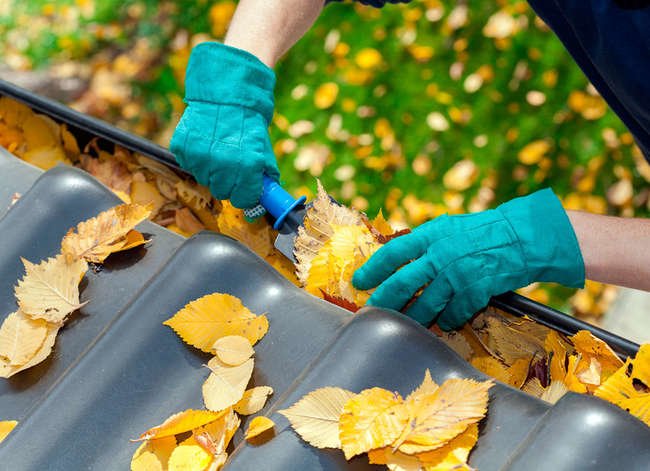
Clogged gutters are one of the classic fall maintenance mistakes. Leaves, twigs, seed pods, and mystery roof crumbs collect in gutters and block water from draining properly. When water cannot move through the downspouts, it spills over the edge, soaks the fascia, damages siding, pools near the foundation, and may contribute to basement moisture.
In colder climates, clogged gutters can also help create ice dams. Water freezes, backs up, and may sneak under shingles. That is not charming winter magic; that is a repair bill wearing a scarf.
How to avoid it
Clean gutters after most leaves have fallen, then flush downspouts with a hose to make sure water moves freely. Add gutter guards if your property has heavy tree cover, but do not assume guards mean “never clean again.” They reduce debris, not responsibility.
2. Forgetting to Check the Roof
Your roof takes a beating from sun, wind, rain, branches, and temperature swings. Fall is the perfect time to look for missing shingles, cracked flashing, moss buildup, sagging areas, and loose vents before winter storms arrive. A tiny roof leak in October can become a stained ceiling in January.
Homeowners often skip this task because the roof seems fine from the ground. Unfortunately, roofs are sneaky. They rarely send a formal invitation before leaking.
How to avoid it
Use binoculars from the ground or hire a professional roof inspector if you are not comfortable climbing. Check around chimneys, skylights, valleys, and vent pipes. Trim branches that hang over the roof, because a windy night can turn them into nature’s own demolition crew.
3. Skipping Furnace or Heating System Maintenance
Many homeowners wait until the first freezing night to turn on the heat. Then the furnace makes a noise like an angry robot, and everyone suddenly remembers that annual maintenance exists. Heating systems need regular inspection, cleaning, filter changes, and safety checks to run efficiently and safely.
A neglected furnace may waste energy, heat unevenly, or fail when HVAC companies are busiest. It can also increase indoor air quality concerns if filters are dirty or airflow is restricted.
How to avoid it
Schedule a fall HVAC tune-up before the cold season begins. Replace or clean filters according to manufacturer instructions. Make sure vents are open and not blocked by rugs, furniture, pet beds, or that one decorative basket nobody remembers buying.
4. Not Testing Smoke and Carbon Monoxide Alarms
Fall means fireplaces, furnaces, candles, space heaters, and more time indoors. That makes smoke alarms and carbon monoxide detectors especially important. Carbon monoxide is dangerous because it is odorless and invisible, which is basically the worst possible personality for a household hazard.
Many homeowners have alarms installed but forget to test them. Some alarms are too old. Others have dead batteries. A detector that does not work is just wall decor with commitment issues.
How to avoid it
Test smoke and carbon monoxide alarms every fall. Replace batteries when needed, and replace alarms according to the manufacturer’s expiration date. Smoke alarms should be placed inside bedrooms, outside sleeping areas, and on every level of the home, including the basement.
5. Leaving Outdoor Hoses Connected
One of the easiest mistakes to make is leaving garden hoses attached to outdoor faucets. When temperatures drop below freezing, water trapped in the hose or faucet can freeze and expand. That pressure may crack pipes inside the wall, creating leaks that are not always obvious right away.
This is the type of mistake that looks harmless in November and becomes a soggy surprise later. Plumbing has a dramatic flair for timing.
How to avoid it
Disconnect hoses, drain them, and store them in a garage or shed. Shut off interior valves for outdoor faucets if your home has them, then open the exterior spigot to release remaining water. Consider insulated faucet covers for extra protection.
6. Forgetting to Seal Drafts Around Windows and Doors
Drafty windows and doors make your heating system work harder and your living room feel like it has a small ghost problem. Air leaks can occur around old caulk, worn weatherstripping, gaps under doors, attic hatches, and utility penetrations.
Sealing leaks improves comfort and may reduce energy waste. It is also one of the most satisfying fall tasks because it is affordable, visible, and does not require explaining to guests why the dining room has a breeze.
How to avoid it
Use weatherstripping around doors, caulk gaps around window trim, install door sweeps, and check attic access points. On a windy day, move your hand around frames to feel for drafts. If your hand gets cold, your wallet probably will too.
7. Blocking Soffit Vents with Insulation
Adding insulation is smart, but stuffing insulation into every open space without understanding ventilation is not. Attics need proper airflow. Soffit vents help air enter the attic, while ridge or roof vents let air escape. Blocking soffit vents can trap moisture and heat, which may lead to mold, roof problems, or poor energy performance.
This is a classic example of a good intention wearing the wrong shoes.
How to avoid it
Before adding attic insulation, make sure soffit vents remain open. Use baffles or vent chutes where needed to maintain airflow. If your attic has moisture stains, musty odors, or uneven temperatures, consider having a professional evaluate ventilation.
8. Neglecting the Chimney and Fireplace
A fireplace can make a room feel cozy, elegant, and suspiciously like a holiday movie. But a dirty or damaged chimney can be dangerous. Creosote buildup, animal nests, cracked flue liners, and blocked chimneys may increase fire and carbon monoxide risks.
Homeowners sometimes assume that a fireplace is fine because it worked last year. That is not a safety inspection; that is nostalgia with sparks.
How to avoid it
Have your chimney inspected before the first fire of the season. Clean it when needed. Make sure the damper opens and closes properly, use a fireplace screen, and keep furniture, curtains, and decorations away from open flames.
9. Letting Leaves Smother the Lawn
A few leaves on the lawn look beautiful. A thick, wet blanket of leaves can block sunlight, trap moisture, encourage fungal problems, and weaken grass before winter. By spring, you may find thin patches where your lawn quietly gave up.
Leaves are not evil. They are just enthusiastic. The goal is to manage them before they become a soggy mattress for your yard.
How to avoid it
Rake, mulch, or bag leaves regularly. Mulching leaves with a mower can return organic matter to the soil if the layer is not too thick. Add shredded leaves to compost or garden beds, but avoid piling them against siding, fences, or tree trunks.
10. Pruning the Wrong Plants at the Wrong Time
Fall cleanup feels productive, but not every plant wants a dramatic haircut before winter. Some shrubs bloom on old wood, meaning they set next year’s buds before winter. Cut them back in fall, and you may accidentally remove spring flowers.
Over-pruning can also stress plants before cold weather. Your landscape does not need a military buzz cut just because you found the pruning shears.
How to avoid it
Remove dead, damaged, or diseased branches, but research each plant before major pruning. Trim branches that touch the house or roof, and cut back vegetation that blocks walkways. Save heavy pruning for the correct season based on the plant type.
11. Forgetting to Prepare Outdoor Equipment
Lawn mowers, trimmers, leaf blowers, pressure washers, patio furniture, grills, and garden tools all need attention before winter. Gas left sitting in small engines can cause starting problems later. Metal tools can rust. Cushions can mildew. Grills can become luxury condos for mice.
The future version of you will not enjoy discovering in spring that the mower refuses to start and the patio cushions smell like a swamp with opinions.
How to avoid it
Clean tools, sharpen blades, drain or stabilize fuel according to manufacturer instructions, and store equipment in a dry place. Cover or store outdoor furniture. Clean the grill and protect it with a fitted cover.
12. Ignoring Cracks in Driveways, Walkways, and Foundations
Small cracks may look harmless in fall, but water can seep in, freeze, expand, and make them worse. This freeze-thaw cycle can damage concrete, asphalt, masonry, and foundation surfaces. A tiny crack can become a trip hazard or a moisture pathway.
Cracks are like gossip: the longer you ignore them, the bigger they get.
How to avoid it
Inspect driveways, walkways, steps, patios, and visible foundation walls. Seal small cracks with the correct product for the material. Watch for widening cracks, stair-step cracks in masonry, or doors and windows that suddenly stick, because these may deserve professional evaluation.
13. Not Checking Drainage Around the House
Fall rain can reveal drainage problems quickly. If water pools near the foundation, downspouts dump water too close to the house, or soil slopes toward the basement, moisture problems may follow. Water near the foundation can contribute to leaks, mold, wood rot, and structural concerns.
Your home likes water in pipes, sinks, tubs, and coffee makers. It does not want water lounging around the foundation like it pays rent.
How to avoid it
Extend downspouts several feet away from the home, maintain positive grading away from the foundation, and clear storm drains where permitted. Check basement walls after heavy rain for damp spots. Address moisture early because mold control starts with moisture control.
14. Waiting Too Long to Make a Fall Maintenance Plan
The biggest fall mistake is not one specific task. It is waiting until everything becomes urgent. Contractors get booked. Weather turns. Leaves pile up. The furnace fails on the coldest morning because furnaces apparently enjoy drama.
A fall home maintenance checklist helps you spread tasks over several weekends instead of panic-cleaning gutters in a jacket while muttering at the sky.
How to avoid it
Create a simple seasonal schedule. Divide tasks into categories: safety, heating, roof and gutters, plumbing, yard, exterior repairs, and emergency supplies. Put reminders on your calendar, keep basic supplies ready, and hire professionals early for specialized work.
Why Fall Home Maintenance Matters More Than It Looks
Fall maintenance is not about perfection. It is about prevention. A clean gutter, working smoke alarm, sealed draft, inspected furnace, and disconnected hose may not feel exciting, but these small jobs protect your comfort, safety, and budget.
Think of fall as your home’s annual performance review. The roof, gutters, heating system, doors, windows, plumbing, yard, and safety devices all get a quick check before winter arrives with freezing temperatures and the social skills of a wet boot.
Many repairs become expensive because they are ignored when they are still small. A missing shingle becomes a leak. A clogged downspout becomes foundation moisture. A dirty filter becomes poor airflow. A dead alarm battery becomes a serious safety risk. Fall is your chance to catch problems while they are still manageable.
Extra Homeowner Experience: Lessons Learned the Hard Way
After talking with homeowners, reading seasonal maintenance advice, and observing the same household patterns year after year, one theme becomes very clear: fall problems usually do not appear out of nowhere. They send little warning signs first. The trouble is that homeowners are busy, tired, and very good at saying, “I’ll deal with that next weekend.” Unfortunately, next weekend has a way of turning into next season.
One common experience is the “gutter surprise.” A homeowner notices water spilling over during the first heavy fall rain but assumes it is just an unusually strong storm. By December, the fascia looks stained, mulch has washed away near the foundation, and the basement has a damp corner that smells like an old towel. The fix would have been a Saturday gutter cleaning. The result becomes a multi-step moisture investigation featuring fans, towels, and regret.
Another familiar story involves the furnace. Many homeowners wait to schedule service until the first cold night, only to discover that everyone else had the same brilliant idea. HVAC appointments fill quickly, filters are filthy, and the furnace starts making sounds that belong in a haunted appliance museum. The better approach is to test the heat on a mild fall day. Turn it on, listen, smell, check airflow, and schedule service before the season gets busy.
Outdoor faucets create another memorable lesson. A hose left connected through a freeze may not cause an immediate visible disaster. That is why this mistake is so sneaky. The pipe can crack inside the wall, and the leak may appear later when the faucet is used again. Homeowners often learn this one with a wet basement wall or a mysterious water stain. Disconnecting hoses takes five minutes. Repairing hidden plumbing does not.
Fall yard cleanup also teaches balance. Some homeowners remove every leaf as if the lawn must pass a white-glove inspection. Others leave a thick blanket until spring and wonder why the grass looks tired. The practical middle ground is to mulch light leaf cover and remove heavy, wet piles. Leaves can be useful in compost and garden beds, but they should not smother turf or pile against the house.
Safety checks are another area where experience matters. People often assume smoke alarms and carbon monoxide detectors are fine because they are present. But “present” and “working” are not the same thing. Testing alarms, checking dates, and replacing weak batteries should become a fall habit, especially before fireplaces, furnaces, and space heaters are used regularly.
The smartest homeowners treat fall maintenance like insurance against inconvenience. They do not try to do everything in one exhausting weekend. They spread tasks over time: gutters one week, HVAC the next, outdoor plumbing after that, and roof or chimney inspections before colder weather settles in. This approach is less stressful and much more realistic.
The real secret is not owning every tool or knowing every technical detail. It is noticing small problems early. Walk around the house after rain. Look up at the roofline. Listen when equipment sounds different. Feel for drafts. Check the basement. Test alarms. Put reminders on the calendar. A home does not need perfection; it needs attention.
Conclusion
Fall is one of the best seasons to protect your home from winter damage, high energy bills, moisture problems, and safety hazards. The 14 mistakes above are common because they are easy to overlook, not because homeowners are careless. Life gets busy. Leaves fall. Cold weather sneaks in. Suddenly, small chores become urgent repairs.
The good news is simple: a thoughtful fall maintenance checklist can save money, reduce stress, and help your home run more safely and efficiently. Clean the gutters, inspect the roof, service the heating system, test alarms, seal drafts, disconnect hoses, manage leaves, and address cracks or drainage issues before cold weather makes everything harder. Your future self will thank you, probably while sitting in a warm house with dry socks.














