
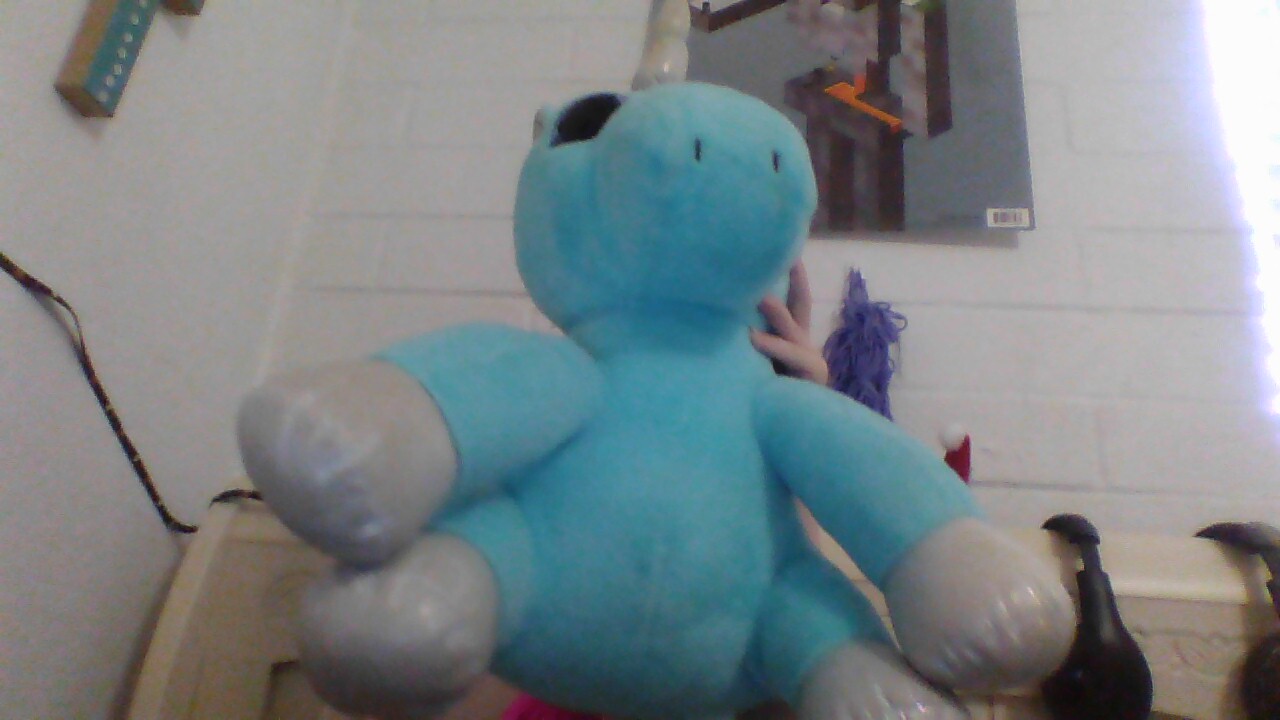
Every so often, the internet produces a creative prompt so sweet that even your overworked coffee mug pauses and says, “Okay, that’s adorable.” “Hey Pandas, Draw My Unicorn Stuffie In Your Own Style” is exactly that kind of idea: part art challenge, part cozy community moment, and part invitation to turn one small plush unicorn into dozens of wildly different masterpieces.
At first glance, the prompt sounds simple. Someone has a unicorn stuffed animal. They ask artists, doodlers, hobby sketchers, digital painters, and brave pencil warriors to draw it in their own style. That is all. No complicated rules. No expensive equipment. No requirement to be the next museum-famous genius who casually says, “I discovered oil paint at age three.” Just look at the stuffie, notice what makes it charming, and reimagine it through your own creative lens.
But that simplicity is the magic. A unicorn stuffie is already a bundle of personality: a soft body, a tiny horn, rounded hooves, maybe sleepy eyes, maybe sparkly fabric, maybe a mane that has survived one too many hugs. When different artists interpret the same plush toy, the results can become surprisingly rich. One person may draw it as a pastel storybook creature. Another may turn it into a dramatic fantasy warrior. Someone else may make it a chubby cartoon mascot with the emotional depth of a marshmallow.
That is why this kind of community drawing prompt works so well. It celebrates individuality, imagination, and the joyful truth that art does not need to look the same to be good. Sometimes the best version of a unicorn is the one with noodle legs, suspicious eyebrows, and the confidence of a tiny magical CEO.
What Does “Draw My Unicorn Stuffie In Your Own Style” Mean?
The phrase “draw my unicorn stuffie in your own style” belongs to a larger family of online art prompts often called “draw this in your style” challenges. The concept is refreshingly simple: one person shares a subject, character, object, or scene, and others recreate it using their own visual language.
In this case, the subject is a unicorn stuffed animal. The “Hey Pandas” opening gives it a community feel, like someone walking into a friendly digital room and saying, “Artists, assemblebut gently, because this plushie is emotionally fragile.”
Drawing “in your own style” does not mean copying the original perfectly. In fact, copying too closely misses the point. The goal is to interpret. A realism artist might focus on fabric texture, seams, and soft shadows. A cartoonist may exaggerate the head, simplify the body, and give the unicorn huge expressive eyes. A fantasy illustrator could add wings, glowing runes, moonlight, and a backstory involving an ancient kingdom of blanket forts.
Why a Unicorn Stuffie Is a Perfect Art Prompt
A unicorn stuffie has the right combination of recognizable features and flexible personality. The horn makes it instantly identifiable. The plush form makes it soft and approachable. The mythical identity gives artists permission to dream bigger than the reference image. You can keep it cute, make it magical, turn it into a sticker design, or draw it as if it wandered out of a children’s book and demanded snacks.
Unlike a complex cityscape or detailed portrait, a stuffed unicorn is beginner-friendly. Its shapes are usually rounded and forgiving. If the proportions are not exact, the result still reads as charming. In fact, imperfect drawings often feel more alive because they carry the artist’s hand, humor, and personal rhythm.
Why Online Art Challenges Bring People Together
Online art challenges are popular because they lower the pressure of the blank page. Instead of sitting down and wondering, “What should I draw?” artists get a starting point. The prompt becomes a tiny creative trampoline. The unicorn stuffie is the bounce; the artist’s style decides where it lands.
These challenges also create connection. When many people respond to the same subject, viewers can compare styles without ranking them like a talent show hosted by a very judgmental pencil. One drawing may be soft and dreamy. Another may be bold and graphic. Another may look like the unicorn just heard a suspicious noise in the kitchen at 2 a.m. Each version adds to the fun.
For beginners, this kind of prompt is especially encouraging. It proves that art is not one single road. A person with markers, a phone sketching app, crayons, watercolor, or plain notebook paper can join. The final image does not need to be perfect. It only needs to show how that artist sees the unicorn.
The Joy of Seeing One Plush Toy in Many Styles
One of the most delightful things about a community drawing prompt is variation. Give ten artists the same unicorn stuffie and you may receive ten completely different creatures. One might look like a tiny royal pet from a candy kingdom. Another might become a sleepy bedtime guardian. A third might appear as a mischievous comic character who definitely knocked over the glitter jar and blamed the cat.
This variety is not a problem to solve. It is the entire point. Art style includes line quality, color choices, proportions, shading, mood, and the little habits that make a drawing recognizable. Some artists love clean outlines. Others prefer sketchy texture. Some use soft pastel palettes; others go full neon rainbow as if the unicorn has been sponsored by a box of highlighters.
When people share these interpretations, the original stuffie becomes more than a toy. It becomes a creative seed. Every drawing grows from the same reference, but each bloom looks different.
How to Draw a Unicorn Stuffie in Your Own Style
You do not need a professional studio to join this kind of challenge. You need a reference, a few tools, and the willingness to let your first sketch look a little like a potato with ambition. That is normal. Many good drawings begin as confused potatoes.
1. Study the Stuffie Before You Start
Look at the unicorn stuffed animal closely. What stands out first? Is the horn tiny and shiny? Are the eyes sleepy, round, embroidered, or button-like? Is the body chubby, floppy, upright, or bean-shaped? Does the mane fall to one side? Are the hooves a different color?
These details help viewers recognize the original stuffie even after you transform it. You do not have to include every seam and stitch, but choose a few signature traits. Maybe the unicorn has a crooked smile, oversized ears, a rainbow tail, or a slightly dramatic forehead horn. Those are the details that make it “that” unicorn, not just a generic magical horse pillow.
2. Choose the Mood
Before drawing, decide what feeling you want your version to have. Cute? Funny? Elegant? Spooky? Heroic? Sleepy? Mildly confused but doing its best?
Mood guides design choices. A cozy version may use rounded shapes, soft colors, and gentle expressions. A fantasy version may use sharper silhouettes, glowing effects, and dramatic lighting. A meme-style version might exaggerate the face and posture for comedy. A kawaii-inspired version could simplify everything into big eyes, tiny hooves, and maximum squish.
3. Simplify the Shapes
Most stuffed animals can be broken down into basic forms: circles, ovals, tubes, and soft rectangles. A unicorn plush might start as a large oval body, a smaller round head, four short legs, two ears, and a cone-shaped horn. Once the basic structure works, you can add details like the mane, tail, facial features, and fabric folds.
This method helps beginners avoid getting trapped in tiny details too early. The horn does not need glitter shading before the head is even attached. That is how chaos wins.
4. Add Your Signature Style
Your style may already be developed, or it may still be wandering around wearing mismatched socks. Either way, use what feels natural. If you love thick outlines, use them. If you like delicate pencil shading, lean into it. If your art style is “I only had a blue pen and courage,” that counts too.
Try changing proportions to match your style. A cartoon version might have a huge head and tiny body. A realistic version might show soft plush fabric and subtle shadows. A fantasy version could add stars, clouds, armor, wings, flowers, or a moonlit background. The stuffie is the starting point, not a cage.
Creative Style Ideas for a Unicorn Stuffie Drawing
If you want to join the prompt but feel stuck, here are several style directions that can turn one plush toy into a full gallery of unicorn personalities.
Storybook Unicorn
Draw the stuffie as if it belongs in a bedtime story. Use soft curves, gentle colors, and a warm expression. Add a little hill, moon, blanket, or tea cup. This style works beautifully for artists who enjoy cozy illustrations and childlike wonder.
Fantasy Guardian Unicorn
Transform the plush into a magical protector. Make the horn longer, add glowing markings, and place it under a starry sky. The funny contrast is that the original subject is a soft toy, but your version can look ready to defend an enchanted forest from bad vibes and unwashed laundry.
Sticker-Style Unicorn
Create a clean, bold design that would look good as a sticker, profile icon, or enamel pin. Use simple shapes, a clear silhouette, and expressive features. Add tiny sparkles around the horn or a short phrase like “soft but unstoppable.”
Comedic Goblin Unicorn
Not every unicorn needs to be graceful. Give it chaotic eyes, tiny legs, dramatic eyebrows, or a snack obsession. A funny unicorn stuffie drawing can be more memorable than a perfect one because humor makes the character feel alive.
Soft Realism
If you enjoy detail, focus on plush texture. Show the seams, fuzzy fabric, slightly flattened areas, and the way light falls across the toy. This style can make the unicorn feel touchable and nostalgic.
Why Stuffed Animals Inspire So Much Creativity
Stuffed animals are more than decorations. For many people, they are comfort objects, childhood companions, travel buddies, shelf mascots, or sentimental reminders of a person, place, or moment. A unicorn stuffie may look simple, but it can carry a surprising amount of emotional weight.
That emotional connection makes plush toys excellent art subjects. Artists are not just drawing fabric and stuffing. They are drawing personality. A beloved stuffie may have a worn ear, faded color, or slightly lopsided face that makes it more charming, not less. Those imperfections tell a story.
Unicorns add another layer of meaning. Across history and popular culture, unicorns have been linked with wonder, purity, magic, uniqueness, and impossible beauty. In modern art and design, they often symbolize imagination and individuality. Combine that symbolism with the softness of a stuffed animal, and you get a subject that practically begs to be drawn with affection.
Tips for Making Your Unicorn Stuffie Drawing Stand Out
Even a simple drawing can feel polished when you make a few thoughtful choices. The goal is not to overwork the art. The goal is to help your idea read clearly.
Use a Recognizable Silhouette
A strong silhouette helps viewers identify the unicorn quickly. Make sure the horn is visible. Keep the ears, head, and body shape clear. If the mane or tail is important to the original stuffie, give it a readable outline.
Pick a Limited Color Palette
Unicorns invite rainbows, and rainbows invite everyone to use every color in the supply drawer. That can be fun, but a limited palette often looks stronger. Try three to five main colors, then add small accents for sparkle.
Focus on Expression
The face is where personality lives. A tiny change in eye shape or mouth position can make the unicorn look sleepy, proud, nervous, delighted, or suspiciously aware of your browser history. Decide what emotion you want before finishing the details.
Give It a Tiny Story
A drawing becomes more engaging when it hints at a story. Maybe the unicorn is guarding a pillow castle. Maybe it is floating through a dream. Maybe it is sitting in an art studio surrounded by failed sketches of itself, judging everyone politely.
What Beginners Can Learn From This Challenge
This prompt is a friendly exercise in observation, interpretation, and creative confidence. Beginners often worry that their drawing must match the reference exactly. But “in your own style” gives permission to make choices. That is a powerful lesson.
Drawing from a plush toy teaches shape simplification. It also teaches texture, proportion, and character design. Because the subject is playful, the pressure stays low. If the unicorn looks too round, it becomes cuter. If the legs look too tiny, congratulations, you have invented a highly relatable creature.
For more advanced artists, the challenge can still be useful. It is a chance to explore stylization, lighting, digital brushes, visual storytelling, or audience engagement. A skilled artist might create several versions: one in a children’s book style, one as a fantasy creature, one as a retro cartoon, and one as a plush toy design sheet.
How to Share Your Unicorn Stuffie Art Online
If you participate in a community prompt, presentation matters. Take a clear photo or export a clean digital image. Include the original prompt title so viewers understand the challenge. Mention the tools you used, such as pencil, markers, watercolor, Procreate, Photoshop, Clip Studio Paint, or whatever app did not crash during the final layer.
Keep captions friendly and concise. You might write, “I drew the unicorn stuffie as a sleepy forest guardian,” or “My version became a chaotic marshmallow pony.” Captions help viewers understand your creative direction and make the post more searchable.
Also, be kind when viewing other entries. Community challenges work best when artists encourage each other. Not every drawing needs critique. Sometimes the correct response is simply, “This unicorn has excellent vibes.”
Why This Prompt Works for SEO and Audience Engagement
From a publishing perspective, “Hey Pandas, Draw My Unicorn Stuffie In Your Own Style” has several qualities that make it naturally engaging. It is specific, visual, and emotionally warm. Readers immediately understand the concept, and artists can imagine joining in.
The title also includes several search-friendly phrases: “draw my unicorn stuffie,” “unicorn stuffie,” “own style,” “art challenge,” and “Hey Pandas.” These keywords connect with audiences interested in drawing prompts, cute art ideas, plush toy illustrations, community art, and whimsical creativity.
More importantly, the topic invites participation. Readers are not only consuming content; they can respond to it. That makes the article feel less like a static post and more like a creative doorway.
Experience Section: What It Feels Like to Draw a Unicorn Stuffie in Your Own Style
The best part of a prompt like this is that it feels personal before the pencil even touches the paper. A unicorn stuffie is not a cold, technical subject. It has softness built into it. When you sit down to draw one, you are not thinking about perfect anatomy or whether the shoulder muscles of a mythical horse are scientifically correct. You are thinking, “How do I capture this tiny plush creature’s entire personality before it emotionally manipulates me into adding sparkles?”
One common experience is the surprise of noticing details you would normally miss. At first, the stuffie may seem simple: horn, ears, mane, hooves, done. But after a few minutes of looking, the little quirks appear. Maybe one ear bends more than the other. Maybe the face is stitched slightly off-center. Maybe the body has that squashed, well-loved look that says it has been hugged, dropped, rescued, and possibly used as a pillow during a dramatic movie night.
Those details guide the drawing. Instead of creating a generic unicorn, you begin building a character. The crooked ear becomes part of its charm. The rounded belly becomes a design feature. The tiny horn becomes a magical antenna for detecting cookies. Suddenly the stuffie is not just an object. It is a cast member.
Another experience is learning how freeing stylization can be. If you draw realistically, you may start by studying fabric folds, shadows, and plush texture. If you draw cartoons, you may exaggerate the eyes and shrink the legs until the unicorn looks like it could fall over from pure cuteness. If your style is bold and graphic, you may reduce the whole toy to a few clean shapes and a cheerful color palette. None of these choices are wrong. They are different ways of saying, “This is what I noticed. This is what I loved.”
There is also a small emotional lift that comes from sharing the finished piece. Posting a drawing in response to a friendly prompt can feel less intimidating than sharing a completely original artwork. The prompt gives context, and the community gives energy. Viewers can appreciate the interpretation even if the technique is simple. Someone may notice the expression, the colors, the humor, or the way the unicorn seems to have a secret life after midnight.
For beginners, the experience can be confidence-building. The subject is forgiving, and the challenge encourages creativity over perfection. For experienced artists, it can be a refreshing break from serious projects. There is something wonderfully grounding about drawing a plush unicorn simply because it is cute and someone asked nicely. Not all art needs to wrestle with the meaning of existence. Sometimes it can wear a tiny horn and look proud of itself.
In the end, drawing a unicorn stuffie in your own style is less about producing the “best” version and more about discovering your version. That is the beauty of the challenge. One plush toy can become a sleepy baby unicorn, a magical guardian, a sticker mascot, a fantasy creature, or a comedy gremlin with hooves. The original stuffie stays the same, but every artist reveals a different kind of imagination.
Conclusion
“Hey Pandas, Draw My Unicorn Stuffie In Your Own Style” is more than a cute art prompt. It is a reminder that creativity becomes more exciting when people are invited to interpret, not imitate. A single unicorn plush can inspire cozy sketches, polished digital paintings, silly cartoons, fantasy redesigns, and heartfelt doodles from artists at every level.
The charm of the challenge lies in its openness. You do not need perfect technique, expensive tools, or a dramatic studio window with inspirational rain. You only need a subject, a style, and the willingness to see a soft toy as a tiny magical character waiting for its close-up.
Whether you are a beginner sketching with a pencil or an experienced illustrator building a full fantasy scene, this prompt offers a playful way to practice observation, stylization, and storytelling. And if your unicorn ends up looking a little weird? Excellent. Weird unicorns deserve representation too.














