
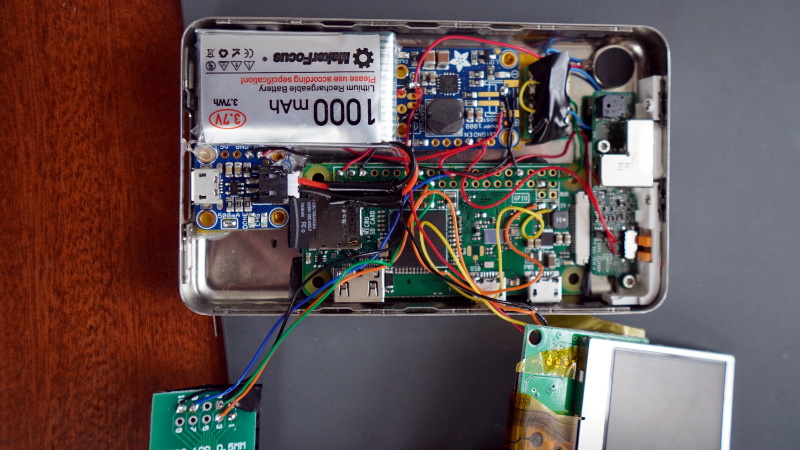
Some gadgets age gracefully. Others get shoved into a drawer with mystery charging cables, expired loyalty cards, and one earbud from 2011. The classic iPod, thankfully, belongs to the first group. It may not have Wi-Fi, apps, or the ability to recommend a podcast about mushroom finance, but it still has something modern devices often forget: personality. That is exactly why the project known as a Raspberry Pi Zero powered Spotify streaming iPod feels so satisfying. It takes the click wheel charm of Apple’s early-2000s music player and gives it a modern streaming brain.
The idea became widely known through maker Guy Dupont’s “sPot” project, a modified 4th-generation iPod from 2004 rebuilt around a Raspberry Pi Zero W. From the outside, it looks like a familiar white iPod Classic. Inside, however, the original hardware has been replaced with a tiny Linux computer capable of connecting to Wi-Fi, talking to Spotify, driving a display, reading click wheel input, and adding features the old iPod never dreamed of. It is part retro tech rescue mission, part engineering puzzle, and part love letter to the era when carrying 1,000 songs in your pocket felt like science fiction.
And yes, it still uses the click wheel. That detail matters. Without the click wheel, this would simply be a small Spotify box hiding in an iPod shell. With the click wheel, it becomes something better: a modern music player wearing vintage sneakers.
Why the Raspberry Pi Zero iPod Project Caught Everyone’s Attention
The internet has seen many clever Raspberry Pi projects. People have turned the board into retro game consoles, smart mirrors, home servers, weather stations, portable cameras, and devices whose purpose can only be described as “because I could.” But the Spotify streaming iPod stands out because it bridges two powerful forms of nostalgia: the iPod’s cultural status and the maker community’s love of reviving old hardware.
The original iPod was not just a music player. It was a design object, a status symbol, and for many people, the first device that made a digital music library feel personal. The physical click wheel gave browsing music a tactile rhythm. You did not swipe. You spun. You did not get buried under notifications. You listened.
Modern streaming services solved one problem and created another. Spotify gives users access to massive music libraries, personalized playlists, discovery tools, podcasts, and cloud-based listening. But smartphones also bring distractions. A song starts, then a notification appears, then a message arrives, then suddenly you are watching a video about raccoons stealing cat food. The modified iPod offers a refreshing alternative: streaming music without turning the listening experience into a full-screen attention battle.
What Is Inside the Spotify Streaming iPod?
At the center of the project is the Raspberry Pi Zero W, a compact single-board computer with built-in wireless connectivity. The Zero W is small enough to fit inside the iPod enclosure, yet capable enough to run a lightweight operating system and custom software. That combination makes it ideal for projects where space is tight and creativity is running on premium-grade caffeine.
The Raspberry Pi Zero W as the New Brain
The original iPod hardware was designed around local music playback. It stored songs on a tiny hard drive or flash-based storage, depending on the model, and played them through Apple’s dedicated software and audio system. A Raspberry Pi Zero W changes the entire personality of the device. Instead of relying only on local files, the rebuilt player can connect to the internet and stream music from Spotify.
The Pi runs Linux-based software and communicates with Spotify through custom code and available APIs. In practical terms, that means the device can search, browse, and play streamed music while preserving the look and feel of a classic iPod. It is not merely an iPod with a Bluetooth receiver glued inside. It is closer to a tiny custom computer disguised as a beloved music player.
The Original Click Wheel Still Matters
The click wheel is the soul of the build. Anyone can make a modern touchscreen music player. Keeping the iPod’s original control system is what makes this project special. The wheel allows scrolling through menus, selecting tracks, and navigating the interface in a way that feels authentically iPod-like.
Getting that input to work with a Raspberry Pi is not as simple as plugging in a USB mouse and calling it a day. The click wheel uses hardware signals that need to be interpreted and translated into commands the new software can understand. That is where the maker magic happens: old controls are mapped to new functions, allowing the device to behave like a streaming music player while still feeling like the iPod people remember.
A New Display and Modern Interface
The project also involves display work. The original screen was designed for Apple’s own operating environment, so a rebuilt device needs a compatible screen or a method of driving the display with the Raspberry Pi. The interface must be readable, responsive, and simple enough to match the iPod’s minimalist personality.
Good interface design is important here. The whole point of an iPod-style Spotify player is to avoid feeling like a phone. The menu should be clean. Track information should be easy to read. Navigation should be quick. A clunky interface would ruin the illusion faster than putting a giant gaming keyboard on a bicycle.
How Spotify Streaming Works on a Raspberry Pi iPod
Spotify streaming on a Raspberry Pi can be handled in different ways depending on the project design. Some builds use Spotify Connect-style playback, while others rely on custom clients, API integrations, or open-source software that allows a Raspberry Pi to act as a music streaming endpoint. In the sPot project, the goal was not only to play Spotify audio but also to create a full user experience inside the iPod body.
This is an important difference. A simple Spotify Connect receiver can be controlled from a phone. That is useful, but it does not fully recreate the iPod experience. A true streaming iPod should let the user interact directly with the device. Browsing, selecting, and controlling playback from the click wheel makes the project feel independent rather than like a speaker accessory.
Because the Raspberry Pi Zero W includes Wi-Fi, the device can connect to a network and stream music without needing the old iPod’s original storage system. That gives the player access to an enormous cloud library while keeping the compact body of a classic iPod. It is almost rude how clever that is.
Why Use a Raspberry Pi Zero Instead of a Phone?
This is the obvious question. If a smartphone already runs Spotify perfectly, why build a Spotify streaming iPod at all? The answer is not convenience. The answer is experience.
A phone is a general-purpose device. It plays music, sends messages, takes photos, opens social media, manages payments, tracks your steps, and quietly judges how many browser tabs you have open. A dedicated music player does one thing well. That single-purpose design changes how people listen. It feels intentional.
The Raspberry Pi Zero powered iPod also appeals to people who enjoy physical controls. Touchscreens are powerful, but they can feel disposable and generic. The iPod click wheel has texture, memory, and rhythm. It is the difference between turning a real volume knob and tapping a glass rectangle until something happens.
There is also the joy of preservation. Instead of letting an old iPod become electronic waste, the project gives it a second life. It keeps the design alive while replacing the parts that no longer fit modern listening habits. That is upcycling with a beat.
The Charm of Turning Old Tech Into New Tech
Retro tech projects work best when they respect the original device instead of simply using it as a plastic costume. The Spotify streaming iPod succeeds because it keeps the iPod’s emotional identity. The front face, the click wheel, the pocketable shape, and the music-first purpose remain intact.
At the same time, the project admits that the world has changed. People no longer manage music libraries the way they did in 2004. Back then, syncing an iPod meant connecting it to a computer, opening iTunes, choosing playlists, and waiting while songs transferred. Today, listeners expect instant access to nearly any album, artist, or playlist. A Raspberry Pi Zero gives the old iPod the networked intelligence it needs to participate in that modern world.
The result is not a museum piece. It is a conversation between eras. One era says, “I have a beautiful click wheel.” The other says, “I have Wi-Fi and a Spotify account.” Together, they say, “Let’s ignore your phone for a while and listen to music like civilized nerds.”
Challenges Behind the Build
Projects like this look delightfully simple once finished. A clean photo of the completed device might make it seem as if someone just opened an iPod, sprinkled in a Raspberry Pi, and whispered “Bluetooth” three times. In reality, builds like this require careful planning.
Space Is the First Enemy
The iPod case is small. It was never designed to house a Raspberry Pi, custom wiring, a battery system, display connections, audio components, and modern wireless hardware. Every millimeter matters. Components must be placed carefully to avoid pressure points, heat buildup, and loose connections.
The Raspberry Pi Zero W helps because of its compact size, but small does not mean effortless. Wires still take space. Connectors still need clearance. Boards need mounting. Batteries need safe placement. The inside of a compact gadget can become a tiny apartment where every component is fighting for closet space.
Battery Life Requires Real Thought
Original iPods were designed for efficient local playback. A Raspberry Pi, wireless streaming, and a modern display create different power demands. Battery selection and power management become major parts of the project. A good build must balance size, runtime, charging convenience, and safety.
This is one reason such projects are impressive. It is not enough to make the device turn on once for a video. A satisfying portable music player should be usable away from a desk. That means stable power delivery, reasonable battery life, and reliable charging behavior.
Audio Quality Is More Than “Does Sound Come Out?”
Audio output also matters. The Raspberry Pi Zero does not provide the same kind of built-in headphone experience as a finished consumer music player. Builders often need external audio hardware, digital-to-analog conversion, or carefully selected components to create clean sound. A project can be technically successful but still disappointing if the audio is noisy, weak, or inconsistent.
For a music-focused device, sound quality is not a bonus feature. It is the point. The best versions of this concept treat audio output with the same care as the interface and enclosure.
Why the iPod Design Still Feels Fresh
The iPod’s design has lasted because it is easy to understand. The screen shows information. The click wheel controls movement. The center button confirms choices. The shape fits in a hand. Nothing about it requires a tutorial longer than a sandwich recipe.
That simplicity is powerful in a world of overloaded interfaces. Many modern apps are designed to maximize engagement, which is a polite way of saying they would like to borrow your attention and maybe never return it. A streaming iPod flips that script. It gives modern music access through a calmer, more focused device.
The design also has cultural weight. For people who grew up with iPods, the device is tied to memories: bus rides, burned CDs, first playlists, album art, tangled earbuds, and the quiet drama of choosing the perfect song before school. Updating that object with Spotify does not erase those memories. It extends them.
What Makers Can Learn From the Spotify iPod
The Raspberry Pi Zero streaming iPod is more than a cool gadget. It is a case study in thoughtful modification. The best maker projects do not simply add modern parts to old objects. They ask what made the original object special and then preserve that quality while improving its function.
In this case, the preserved qualities are portability, physical navigation, music-first design, and visual nostalgia. The improved functions are Wi-Fi, streaming, modern software, and flexible digital playback. That balance is why the project feels clever instead of gimmicky.
It also shows how accessible modern prototyping has become. A tiny Raspberry Pi board, open-source software, community documentation, and affordable electronic components can turn an obsolete device into something unique. Not easy, exactly, but possible. That possibility is the heartbeat of maker culture.
Could This Become a Real Product?
A commercial Spotify streaming iPod-style player would be tempting. Many listeners want a distraction-free music device with modern streaming support, physical controls, and excellent battery life. The market already includes dedicated digital audio players, but few combine mainstream streaming convenience with the emotional pull of the classic iPod form.
However, turning a DIY project into a product would involve challenges. Licensing, software support, battery certification, manufacturing, durability, repairability, and user account security all matter. A one-off maker build can be experimental. A consumer product must be reliable for thousands of people who do not own soldering irons and do not consider “SSH into it” a normal troubleshooting step.
Still, the popularity of this concept proves something important: people miss dedicated music hardware. They may not want to return to manually syncing MP3 libraries, but they do want devices that make music feel personal again.
SEO-Friendly Buyer and Builder Takeaways
For readers interested in the Raspberry Pi Zero Spotify iPod idea, the main takeaway is simple: this project is possible because the Raspberry Pi Zero W combines small size, wireless networking, and enough computing power for lightweight streaming software. The iPod shell provides the design magic, while the Pi provides the modern functionality.
For builders, the most important considerations are hardware fit, click wheel integration, screen compatibility, battery planning, audio output, and software stability. For casual fans, the project is enjoyable even if you never build one yourself. It reminds us that technology does not have to become useless simply because its original ecosystem moved on.
For content creators and tech publishers, the story has strong appeal because it blends Apple nostalgia, Raspberry Pi hacking, Spotify streaming, sustainable reuse, and DIY electronics. That is a rare combination of keywords that actually reflects a genuinely interesting project rather than a bowl of SEO soup.
Personal Experiences and Reflections on the Raspberry Pi Zero Spotify iPod
Using a device like a Raspberry Pi Zero powered Spotify iPod would feel very different from opening Spotify on a smartphone. The first difference is mental. A phone invites multitasking. A dedicated iPod-style player invites listening. That sounds small, but it changes the whole experience. When music lives on a separate device, choosing an album feels more deliberate. You are not just filling silence while checking messages. You are giving music its own space.
The click wheel would probably be the biggest source of joy. There is something wonderfully physical about scrolling through menus with a circular motion. It turns navigation into a tiny ritual. Modern touchscreens are faster, but faster is not always better. Sometimes the slower action creates more attention. Spinning through artists, selecting a playlist, and pressing the center button feels like operating a real music machine, not just poking at another app.
There would also be a strong “how is this even working?” pleasure. Seeing Spotify tracks appear on an old iPod body is the kind of contradiction that makes tech fun again. The outside says 2004. The inside says Linux, Wi-Fi, API calls, and streaming authentication. It is like finding out your grandfather’s pocket watch can receive satellite radio.
From a practical standpoint, the experience would not be perfect in the same way a polished commercial device is perfect. There might be boot time. There might be battery compromises. The interface might occasionally feel homemade. But those imperfections are part of the personality. A handmade device carries evidence of its construction. It feels less like a sealed product and more like a story you can hold.
The best use case would be focused listening at home, in a workshop, on a desk, or during a quiet commute. It would be ideal for playlists, favorite albums, and intentional listening sessions. It might not replace a phone for everyone, especially for users who rely heavily on downloads, podcasts, car integration, or voice assistants. But as a dedicated music companion, it would be delightful.
There is also an emotional satisfaction in saving old hardware. Many classic iPods still have beautiful shells and controls, even if their batteries, drives, or software ecosystems feel outdated. Giving one a Raspberry Pi heart feels respectful rather than wasteful. It says the object still has value, even if its original job description expired years ago.
Most importantly, this project captures what makes DIY technology exciting. It is not only about specs. It is about imagination. Someone looked at an old iPod and did not see junk. They saw a body waiting for a new brain. They saw a way to make Spotify feel less like an app and more like an object. That is the kind of playful engineering that keeps the maker world interesting.
Conclusion: A Retro Music Player With a Streaming Soul
The Raspberry Pi Zero powered Spotify streaming iPod is a brilliant example of old design meeting new capability. It preserves the iconic feel of the classic iPod while adding the convenience of modern streaming. The project works because it understands what made the iPod special in the first place: simplicity, touchable controls, portability, and a direct relationship with music.
More than a clever mod, it is a reminder that technology can be rebuilt, reimagined, and enjoyed long after its original commercial life ends. In an age of disposable gadgets, a Spotify-enabled iPod powered by a Raspberry Pi Zero feels refreshingly personal. It is nostalgic without being stuck in the past, modern without being soulless, and nerdy in the best possible way.
If the original iPod helped define the digital music era, this Raspberry Pi version gives it a second act. And honestly, for a tiny white rectangle from 2004, that is a pretty impressive encore.
Note: This article is written as original, publication-ready SEO content based on real publicly documented Raspberry Pi Zero W, Spotify streaming, iPod modification, and maker-community information, without inserting source-link clutter into the article body.













