
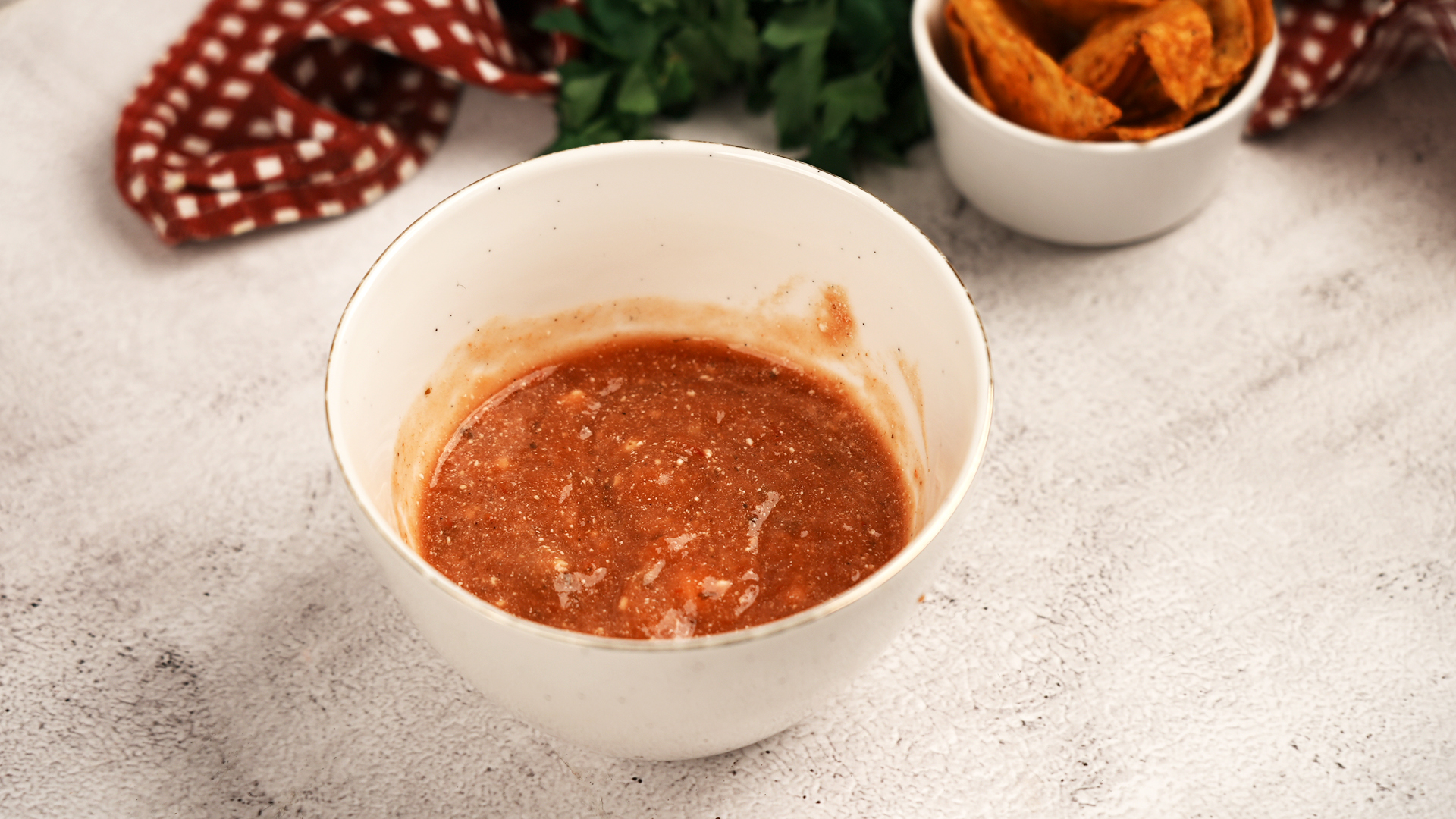
You had one job: make salsa. Somehow, the jalapeño turned into a fire-breathing dragon, the serrano invited its chaotic cousins, and now your “fresh homemade salsa” tastes like it was blended inside a volcano. Good news: you do not have to throw it away, apologize to your guests, or serve it with a legal waiver.
Learning how to fix salsa if you made it too hot is mostly about balance. You cannot pull capsaicinthe spicy compound in chile peppersback out of the bowl with tiny kitchen tweezers. But you can dilute it, soften it, redirect it, and make the whole salsa taste intentional instead of accidental. Whether your salsa is a tomato salsa, salsa verde, pico de gallo, roasted salsa, fruit salsa, or blender salsa, the rescue mission is possible.
This guide gives you 12 practical steps to tone down spicy salsa without flattening the flavor. We will cover what to add, what to avoid, how to save fresh salsa versus cooked salsa, and how to prevent the next batch from requiring a fire extinguisher next to the tortilla chips.
Why Salsa Gets Too Hot in the First Place
Before fixing the salsa, it helps to know what went wrong. Most spicy salsa disasters happen for one of five reasons: you used hotter peppers than expected, included too many seeds and membranes, blended the peppers too thoroughly, added hot sauce on top of fresh chiles, or tasted the salsa too soon and kept “adjusting” until the bowl fought back.
Chile peppers are not always predictable. One jalapeño may taste bright and gentle, while another from the same grocery bin can sneak up like a spicy ninja. Serranos, habaneros, chile de árbol, and ghost peppers are much hotter than common mild peppers. Roasting can also concentrate flavor, and blending spreads the heat evenly through every spoonful.
The goal is not simply to make salsa bland. A good salsa should still taste lively: tomato or tomatillo, onion, cilantro, lime, salt, pepper flavor, and a little kick. We are lowering the burn, not sending the salsa to a flavor retirement home.
How to Fix Salsa if You Made It Too Hot: 12 Steps
1. Add More Tomatoes or Tomatillos
The fastest and most reliable way to fix salsa that is too spicy is dilution. Add more of the main ingredient: tomatoes for red salsa or tomatillos for salsa verde. This spreads the chile heat across a larger volume, making each bite less intense.
For a fresh tomato salsa, dice one or two ripe tomatoes and stir them in. For a blended salsa, add canned fire-roasted tomatoes, fresh Roma tomatoes, or a spoonful of tomato purée and pulse briefly. For salsa verde, add roasted or boiled tomatillos. Taste after each addition. Do not dump in half your pantry at once unless you enjoy surprise soup.
2. Stir in Mild Vegetables
Mild vegetables add bulk, crunch, and freshness while reducing the overall heat level. Good options include diced cucumber, bell pepper, sweet corn, shredded cabbage, jicama, or finely chopped radish.
Bell peppers are especially useful because they give salsa a peppery flavor without adding heat. Red, orange, or yellow bell peppers also add sweetness, which helps make the spice feel less aggressive. If your salsa is already watery, choose crisp vegetables rather than juicy ones.
3. Add Avocado for Creamy Heat Control
Avocado is the salsa rescue hero wearing a green cape. It adds fat, creaminess, and a mellow flavor that softens the sharp burn of hot peppers. Dice avocado into chunky salsa or blend it into smooth salsa for a creamy dip.
This works particularly well with salsa verde, roasted tomatillo salsa, and pico de gallo. Add half an avocado at a time, then taste. Too much avocado can turn salsa into guacamole’s cousin, which is not a tragedy, but it may not be what you planned.
4. Balance the Heat with a Touch of Sweetness
Sweetness does not erase chile heat, but it can make the burn feel rounder and less harsh. Add a tiny amount of sugar, honey, agave, or finely diced fruit. Start with 1/4 teaspoon sugar per cup of salsa, stir well, and taste.
Fruit is a flavorful option. Mango, pineapple, peach, orange, or watermelon can transform a too-hot salsa into a sweet-spicy topping for grilled chicken, fish tacos, shrimp, or tortilla chips. The key is restraint. You want “balanced salsa,” not “dessert that got lost on taco night.”
5. Add Acid Carefully
Lime juice, lemon juice, or vinegar can brighten salsa and distract from excess heat. Acid makes flavors taste sharper and cleaner, which can help a fiery salsa feel more controlled. This is especially helpful when the salsa tastes both hot and dull.
Add acid in small amountsabout 1/2 teaspoon at a time for a small bowl. Too much lime juice can make salsa sour, and then you will have two problems instead of one. If your salsa already tastes tangy, use tomatoes, avocado, or mild vegetables instead.
6. Add Dairy on the Side, Not Always in the Bowl
Dairy is famous for cooling spicy food because milk proteins and fat help tame the sensation of capsaicin. But salsa is usually bright, acidic, and fresh, so adding milk or cream directly to the bowl is not always the best move.
Instead, serve the salsa with sour cream, crema, Greek yogurt, queso fresco, shredded cheese, or a creamy dip on the side. This lets people control the heat on their own plates. For taco night, drizzle crema over the salsa. For nachos, add cheese and sour cream. For burrito bowls, a spoonful of yogurt-based sauce can calm the fire without ruining the salsa texture.
7. Mix It with a Mild Salsa
If you have store-bought mild salsa or another homemade batch, combine the two. This is one of the cleanest fixes because it preserves the salsa identity while reducing heat. A hot roasted salsa can be mixed with mild tomato salsa. A fiery salsa verde can be blended with a milder tomatillo sauce.
Use a 1:1 ratio to start. If it is still too hot, add more mild salsa. If it becomes too bland, adjust with salt, lime, cilantro, or onion. This method is ideal when you need to feed a group and do not want half the guests sweating through their eyebrows.
8. Drain Some Liquid and Rebuild the Flavor
If the salsa is thin and spicy, drain off some of the liquid through a fine mesh strainer. Capsaicin can be dispersed throughout the salsa, especially in blended versions, so this will not remove all the heat. However, it can help if the liquid tastes especially sharp, salty, or pepper-heavy.
After draining, rebuild the salsa with fresh chopped tomatoes, mild peppers, corn, or avocado. Add a pinch of salt and a squeeze of lime if needed. This method is best for pico de gallo or watery fresh salsa.
9. Turn It into a Topping Instead of a Dip
Sometimes the salsa is not broken; it is just too powerful to eat by the chipful. Use it as a condiment instead. A tablespoon of spicy salsa on tacos, eggs, rice bowls, grilled meat, beans, or quesadillas may be perfect.
This is a smart save for very hot salsa made with habanero, chile de árbol, or ghost pepper. Instead of trying to make the whole bowl mild, treat it like hot sauce. Label it clearly so nobody scoops it like mild pico de gallo and starts seeing their ancestors.
10. Use It in a Cooked Dish
Too-hot salsa can become a flavor base for soups, chili, stews, casseroles, enchiladas, beans, or slow-cooked chicken. Cooking it with other ingredients spreads out the heat and gives the salsa a second life.
For example, stir 1/2 cup of fiery salsa into a pot of black beans, then add broth, tomatoes, onion, and corn. Or mix it into shredded chicken with a little tomato sauce for tacos. You can also use it in scrambled eggs, breakfast potatoes, or rice. The salsa becomes seasoning instead of the main event.
11. Chill It Before Making Final Adjustments
Fresh salsa often tastes sharper right after blending or chopping. Give it 30 minutes in the refrigerator, then taste again. The flavors may settle, and the heat may feel less jagged once the tomato, onion, lime, salt, and chile have had time to mingle.
Do not rely on chilling to magically turn habanero salsa into mild salsa. It will not perform kitchen sorcery. But it can help you make better decisions before adding more ingredients. Taste with a tortilla chip, not a spoon, because chips add salt, corn flavor, and fat that affect how spicy the salsa feels.
12. Adjust Salt, Herbs, and Texture at the End
Once the heat is under control, finish the salsa properly. Add salt if the salsa tastes flat. Add cilantro if it needs freshness. Add onion if it needs bite. Add lime if it tastes heavy. Add diced tomato if it needs body.
Texture matters too. If the salsa is too chunky, pulse it once or twice. If it is too smooth, stir in fresh diced vegetables. A salsa with balanced texture tastes more complete, even when the spice level has been reduced.
What Not to Do When Salsa Is Too Spicy
Do Not Add Plain Water
Water thins salsa without adding flavor. It can make the bowl taste weak while the heat remains noticeable. If you need liquid, use tomato juice, lime juice in tiny amounts, or a mild salsa base.
Do Not Add Too Much Sugar
Sugar can help, but too much makes salsa taste strange. Start small. You can always add more, but you cannot politely ask sugar to leave once it has moved in and unpacked.
Do Not Assume Seeds Are the Only Problem
Many cooks blame seeds for all the heat, but the white inner membranes of hot peppers carry a lot of the fire. For future batches, remove both seeds and membranes if you want a milder salsa.
Do Not Change Canning Recipes Freely
If the salsa is meant for canning, safety comes first. Tested salsa recipes depend on specific ratios of tomatoes, low-acid vegetables, and acid. If your canned salsa recipe is too hot, it is safer to adjust the heat before canning by choosing milder peppers within the recipe’s rules, or to use the salsa in smaller amounts after opening.
Best Ingredients for Cooling Down Spicy Salsa
Here are the most useful ingredients to keep nearby when fixing spicy salsa:
- Tomatoes: Best for red salsa, pico de gallo, and roasted salsa.
- Tomatillos: Best for salsa verde and tangy green salsa.
- Bell peppers: Add pepper flavor without extra heat.
- Avocado: Adds creamy texture and softens the burn.
- Corn: Adds sweetness, color, and bulk.
- Mango or pineapple: Great for fruit salsa and taco toppings.
- Sour cream or crema: Best served on the side or with the final dish.
- Mild salsa: The easiest rescue if you have it ready.
How to Prevent Salsa from Becoming Too Hot Next Time
The best salsa fix is not needing one. Next time, add hot peppers gradually. Start with half the amount called for, taste, then add more. Remove seeds and membranes from jalapeños, serranos, and hotter peppers. If using habanero or chile de árbol, treat them like powerful seasoning, not like casual vegetables.
Roast or cook your peppers separately when possible. That way, you can blend in a little at a time. Also remember that salsa often tastes different after resting. Make it slightly milder than your target at first, then adjust after chilling.
When serving guests, aim for medium heat and offer hot sauce or extra minced chiles on the side. Spice lovers can turn up the volume, while mild-salsa people can enjoy the meal without quietly calculating the distance to the nearest glass of milk.
Specific Examples: Fixes by Salsa Type
Fresh Pico de Gallo
Add diced tomatoes, cucumber, corn, or avocado. Drain excess liquid if needed. Finish with salt and lime.
Roasted Tomato Salsa
Blend in canned fire-roasted tomatoes or roasted mild peppers. Add a pinch of sugar if the salsa tastes bitter or harsh.
Salsa Verde
Add more tomatillos, avocado, cilantro, or a little crema when serving. If it tastes too sour after dilution, balance with a tiny pinch of sugar.
Fruit Salsa
Add more fruit, cucumber, or avocado. Mango and pineapple are especially good for controlling heat while keeping the salsa fun and colorful.
Restaurant-Style Blender Salsa
Add more tomatoes, pulse briefly, then chill. If it becomes thin, stir in finely diced onion or tomato for body.
Personal Kitchen Experience: What Actually Works When Salsa Goes Rogue
Every home cook eventually makes a salsa that humbles them. Mine happened with serrano peppers. I had made salsa many times before, so confidence was high. Too high. I tossed several serranos into the blender, seeds and all, because apparently I had mistaken myself for a person with professional spice tolerance. The first taste was bright, fresh, and immediately followed by regret.
The first lesson from that bowl was simple: do not panic-add random ingredients. Panic cooking is how a salsa becomes too spicy, too sweet, too salty, and somehow still too spicy. I started by adding more tomatoes, which helped immediately. Not completely, but enough to bring the salsa back from “emergency” to “enthusiastic.” Then I added diced avocado to the portion I planned to serve with tacos. That changed everything. The avocado made the salsa feel creamy and rounded, and suddenly the heat tasted exciting instead of hostile.
Another time, I made a roasted salsa with chile de árbol. Beautiful color, smoky aroma, absolutely no mercy. Instead of trying to force it into a dip, I used it as a cooking sauce. A few spoonfuls went into black beans with extra tomato, onion, and corn. The result tasted rich and bold, not painfully hot. That taught me an important trick: when salsa is too powerful for chips, it may be perfect as an ingredient.
For parties, I now make salsa in layers. I blend the tomatoes, onion, garlic, cilantro, lime, and salt first. Then I add a small amount of chile, blend, and taste with a chip. Not a spoona chip. A spoon lies. A chip tells the truth because salsa is usually eaten with something salty and crunchy. After the salsa rests in the fridge, I taste again. If it needs more heat, I add it. If it is already lively, I stop. Stopping is a cooking skill, and frankly, it deserves more applause.
I have also learned that different fixes create different personalities. Tomatoes make salsa taste more classic. Avocado makes it creamy. Corn makes it sweeter and more summery. Mango turns it into a vacation. Sour cream or crema does not always belong inside the salsa, but it works beautifully on tacos, nachos, and burrito bowls. The best fix depends on how you plan to serve the salsa.
My favorite rescue formula is this: add more base, add one mild texture ingredient, chill, then adjust salt and lime. For red salsa, that might mean more tomatoes plus bell pepper. For salsa verde, more tomatillos plus avocado. For fruit salsa, more mango plus cucumber. This method keeps the salsa from tasting watered down. It still feels like salsa, just less like a dare.
The biggest experience-based advice is to respect the pepper. Peppers look small and cute, but some of them have the emotional range of fireworks. Add them gradually. Taste often. Keep mild ingredients nearby. And remember: a too-hot salsa is not a failure. It is just a salsa with big ambitions that needs a little coaching.
Conclusion
Fixing salsa that is too hot is all about smart balance. Add more tomatoes or tomatillos, bulk it up with mild vegetables, soften it with avocado, round it out with a touch of sweetness, or serve it with dairy on the side. If the salsa is still too fiery, use it as a topping or cooking ingredient instead of a dip.
The best method depends on the salsa style, but the basic rule is always the same: dilute first, balance second, season last. With a little patience, your spicy salsa can go from “mouth alarm” to “pass the chips.”













