
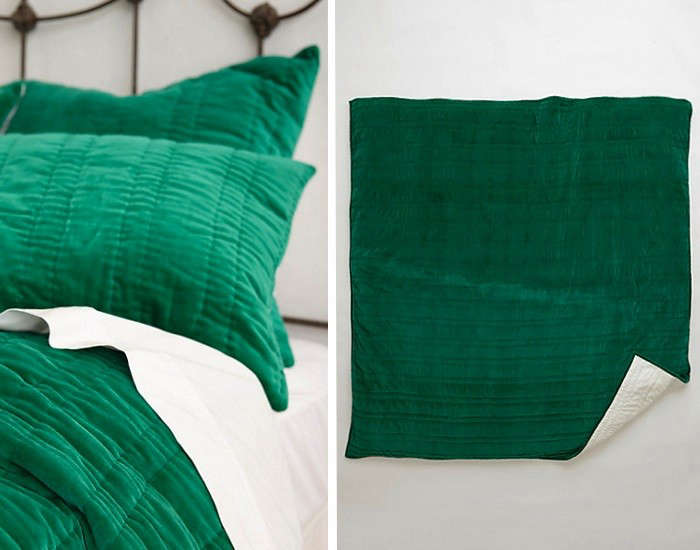
Stitched velvet bedding is what happens when comfort gets dressed for dinner. It has the soft, plush surface of velvet, the tailored structure of quilting, and enough visual drama to make a plain bedroom look like it suddenly hired an interior designer. Whether you are styling a guest room, upgrading your primary bed, or trying to make your rental bedroom feel less “temporary storage unit with pillows,” a stitched velvet quilt, coverlet, or sham set can add instant warmth, texture, and polish.
The magic is in the combination: velvet brings the glow, stitching brings the shape, and bedding brings the excuse to stay in bed five more minutes. From channel stitching and box stitching to tufted grids and hand-stitched details, stitched velvet bedding has become a favorite for people who want luxury without turning their bedroom into a museum where nobody is allowed to breathe.
This guide explores what stitched velvet bedding is, why it works so well, how to choose the right material, how to style it, and how to care for it so it keeps looking beautiful long after the first “wow, this is soft” moment.
What Is Stitched Velvet Bedding?
Stitched velvet bedding refers to bed layers made with a velvet face fabric and decorative or functional stitching. Common pieces include velvet quilts, coverlets, bedspreads, duvet covers, pillow shams, and accent pillows. The stitching may appear as straight channels, small boxes, diamond patterns, tufted points, kantha-inspired lines, or subtle tack stitches.
The purpose is not just decoration. Stitching helps stabilize the layers of a quilt or coverlet, keeps the fill from shifting, and gives the bedding a more sculptural look. Without stitching, velvet can look flat or overly formal. With stitching, it gains rhythm, depth, and that “I definitely meant to have a stylish bedroom” energy.
Why Stitched Velvet Bedding Looks So Luxurious
Velvet has a pile, meaning tiny upright fibers on the surface catch and reflect light. That is why velvet can look lighter from one angle and deeper from another. Add stitching, and the fabric develops shadows, highlights, and texture. A simple navy velvet quilt can look moody and elegant. A cream stitched velvet coverlet can feel soft, calm, and hotel-like. A golden velvet sham can make the bed look expensive even if the rest of the room contains a suspiciously wobbly nightstand.
Texture Makes the Bed Feel Finished
Many bedrooms look unfinished because every surface is smooth: flat sheets, smooth walls, plain curtains, basic furniture. Stitched velvet adds texture instantly. A channel-stitched velvet quilt can create long, clean lines. A box-stitched velvet coverlet adds a modern grid. Tufted stitching feels softer and more romantic. The result is a bed that looks layered, intentional, and inviting.
It Works Across Many Design Styles
Stitched velvet bedding is surprisingly flexible. In a modern bedroom, choose a low-profile velvet coverlet in charcoal, ivory, olive, or rust. In a traditional room, go for deeper colors like burgundy, navy, forest green, or champagne. For a cozy cottage look, pair washed cotton velvet with linen sheets and vintage-style wood furniture. For glam decor, add metallic lamps, mirrored accents, and shams with a soft sheen.
Popular Types of Stitched Velvet Bedding
1. Velvet Quilts
A velvet quilt is usually made with a velvet front, a backing fabric, and a layer of fill in between. The stitching secures those layers and gives the quilt its pattern. Cotton velvet quilts are especially popular because they combine softness with breathability. Polyester-filled velvet quilts may feel loftier and warmer, while cotton-filled versions often feel flatter, more natural, and easier to layer.
2. Velvet Coverlets
A coverlet is typically lighter than a quilt or comforter. It is ideal for layering over sheets in warmer weather or placing at the foot of the bed in cooler months. A stitched velvet coverlet gives you the look of luxury without too much bulk. It is also easier to fold, drape, and style than an oversized comforter.
3. Velvet Duvet Covers
A velvet duvet cover offers a plush top layer while allowing you to choose the insert inside. This is useful if you want seasonal flexibility. Use a lightweight insert in spring and fall, then switch to a warmer insert in winter. However, velvet duvet covers can be heavier than cotton or linen versions, so check the weight before buying.
4. Velvet Shams
Velvet shams are the secret weapon of bedroom styling. Even if you are not ready to commit to a full velvet quilt, two stitched velvet shams can add color, texture, and polish. Pair them with crisp cotton sheets, a neutral duvet, and one smaller accent pillow for a clean designer look.
5. Velvet Bedspreads
A velvet bedspread is larger and often designed to cover more of the bed, sometimes reaching closer to the floor. This option works well in formal bedrooms or guest rooms where you want a pulled-together appearance. Stitched patterns prevent a velvet bedspread from looking too heavy or plain.
Best Materials for Stitched Velvet Bedding
Cotton Velvet
Cotton velvet is soft, breathable, and often has a more relaxed matte appearance than shiny synthetic velvet. It is a great choice for people who want luxury but still prefer natural fibers. Cotton velvet bedding often looks better with time, especially when it has a washed finish. It may wrinkle or crush slightly, but that lived-in texture is part of the charm.
Polyester Velvet
Polyester velvet is durable, often easier to clean, and usually more affordable. It can have a stronger sheen and may resist crushing better than some natural velvet. For homes with kids, pets, or snack-in-bed enthusiasts, polyester velvet can be a practical option. Just check whether the backing and fill are breathable enough for your sleep style.
Cotton-Blend Velvet
Cotton-blend velvet offers a middle ground. It may combine the softness of cotton with the durability of synthetic fibers. This can be a smart choice for everyday bedding because it balances beauty, comfort, and maintenance.
Velveteen
Velveteen is often made from cotton or cotton blends and has a shorter pile than traditional velvet. It feels plush but slightly less glossy. In bedding, velveteen can create a cozy, casual look that feels inviting rather than overly fancy.
How to Choose the Right Stitched Velvet Bedding
Consider the Weight
Velvet naturally has more body than plain cotton percale or linen. Before buying, think about whether you sleep hot or cold. If you sleep hot, choose a lightweight velvet coverlet or a cotton velvet quilt with breathable backing. If you are always cold, a heavier velvet quilt with extra fill may become your new best friend, possibly replacing your actual friends from November through February.
Look at the Stitching Pattern
The stitching pattern changes the mood of the room. Channel stitching feels clean and contemporary. Box stitching looks modern and structured. Diamond stitching adds classic charm. Tufted stitching feels plush and relaxed. Irregular hand stitching gives an artisan look, especially when paired with washed colors and natural fabrics.
Check the Backing Fabric
The back of the bedding matters because it touches your sheets and affects breathability. Cotton backing feels soft and comfortable. A cotton voile backing can make a velvet quilt feel lighter. Polyester backing may be smoother and easier to maintain, but it may also feel warmer. If you are buying online, read the construction details carefully.
Think About Color
Velvet makes color look richer. A muted olive can appear earthy and elegant. Terracotta can warm up a neutral room. Ivory can feel soft and expensive. Navy creates depth. Blush adds romance without screaming “princess castle.” For long-term versatility, choose colors that already appear in your rug, curtains, wall art, or headboard.
Measure Your Bed
Always check dimensions. A queen quilt from one brand may not hang the same way as a queen quilt from another. If you have a thick mattress, pillow top, or adjustable bed base, you may need a larger size for proper coverage. For a relaxed designer look, many people size up when using a quilt as the main top layer.
How to Style Stitched Velvet Bedding
For a Hotel-Inspired Bedroom
Start with white or ivory sheets, add a stitched velvet quilt in champagne, taupe, charcoal, or navy, then finish with two matching velvet shams. Keep the pillows symmetrical and add one lumbar pillow in linen or boucle. The trick is restraint. Luxury does not mean placing twelve pillows on the bed unless you enjoy nightly pillow relocation as cardio.
For a Cozy Layered Look
Pair a cotton velvet quilt with linen sheets, a chunky knit throw, and warm wood furniture. Choose colors like rust, moss, clay, cream, or soft gray. This creates a relaxed bedroom that feels collected rather than staged. Slight wrinkles, soft folds, and natural texture make the room feel welcoming.
For a Bold Statement Bed
Use jewel-tone stitched velvet bedding in emerald, sapphire, plum, or deep teal. Keep the sheets simple and let the velvet do the talking. Add brass lighting or dark wood furniture for a dramatic look. This approach works especially well in rooms with neutral walls because the bed becomes the focal point.
For Small Bedrooms
In a small room, choose a stitched velvet coverlet rather than a thick comforter. Lighter colors like ivory, pale gray, sand, or dusty blue can keep the space from feeling crowded. A subtle channel stitch or small box stitch adds texture without overwhelming the room.
Seasonal Layering Ideas
Spring
Use stitched velvet as a folded layer at the foot of the bed. Pair it with crisp cotton sheets and a lightweight blanket. Soft greens, pale golds, and warm neutrals work beautifully in spring.
Summer
Velvet may sound too warm for summer, but a lightweight velvet coverlet can still work in air-conditioned rooms. Keep the rest of the bedding breathable and avoid heavy inserts. If you sleep hot, use velvet mainly as a decorative layer.
Fall
Fall is stitched velvet bedding’s natural habitat. Bring in rust, olive, amber, chocolate, burgundy, or deep blue. Add a textured throw and suddenly your bed looks ready for a magazine cover and a pumpkin spice latte.
Winter
Layer a velvet quilt over flannel or sateen sheets for extra warmth. Add shams and a thicker duvet if needed. Darker velvet colors look especially cozy in winter because they absorb light and create a cocoon-like feeling.
How to Care for Stitched Velvet Bedding
Care instructions vary by brand and material, so always read the label first. Some velvet bedding can be machine washed on a gentle cycle, while other pieces may require professional cleaning. As a general rule, velvet prefers gentle handling, cool water, mild detergent, and low heat or air drying.
Washing Tips
Wash velvet bedding separately or with similar soft items. Use cold water when recommended, choose the gentle cycle, and avoid harsh detergents. Do not overload the washer because bulky bedding needs room to move. Overcrowding can cause poor rinsing, wrinkles, and uneven cleaning.
Drying Tips
If the care label allows machine drying, use low heat and remove the bedding promptly. If air drying is recommended, lay the piece flat or drape it carefully so the pile does not develop deep marks. Avoid direct sunlight during drying because strong light can fade rich velvet colors.
Refreshing Between Washes
Velvet bedding does not always need a full wash. Shake it out, air it briefly, or use a soft fabric brush to lift the pile. A handheld steamer can help relax creases, but never press a hot iron directly onto velvet. That is less “care routine” and more “crime scene investigation.”
Storage Tips
Store stitched velvet bedding in a breathable cotton storage bag or on a roomy shelf. Avoid crushing it under heavy items for long periods. If you must fold it, refold it occasionally so creases do not settle permanently. Keep it away from damp spaces, direct sunlight, and plastic bags that trap moisture.
Common Mistakes to Avoid
Choosing Shine Over Comfort
Some velvet bedding looks stunning online but feels too heavy, slippery, or warm in real life. Read material details and customer feedback. If the piece is for everyday sleep, comfort matters as much as appearance.
Ignoring the Fill
The fill affects warmth and weight. Cotton fill often feels breathable and natural. Polyester fill may feel loftier and easier to care for. A very dense fill can be cozy in winter but too hot for year-round use.
Buying Too Many Matching Pieces
A full matching velvet quilt, shams, curtains, bench, and pillows can turn a bedroom into a velvet thunderstorm. Mix textures instead. Pair velvet with cotton, linen, wood, rattan, metal, or wool for balance.
Using Harsh Cleaning Methods
Bleach, high heat, rough scrubbing, and direct ironing can damage velvet. Treat stains gently and quickly. When in doubt, consult the care label or a professional cleaner.
Is Stitched Velvet Bedding Good for Everyday Use?
Yes, stitched velvet bedding can be excellent for everyday use if you choose the right construction. A cotton velvet quilt with a breathable backing can work as a daily top layer. A velvet coverlet can be practical for people who like a neat bed without too much weight. Velvet shams are easy to rotate seasonally and can refresh a bedroom without replacing all your bedding.
However, if you have pets that knead, scratch, shed heavily, or believe your bed is their personal kingdom, choose durable velvet and darker colors. Performance-style polyester velvet or washable cotton-blend velvet may be more forgiving than delicate silk velvet or dry-clean-only pieces.
Buying Checklist for Stitched Velvet Bedding
- Check the face fabric: cotton velvet, polyester velvet, cotton blend, or velveteen.
- Review the backing fabric for breathability and softness.
- Look at the fill material and overall weight.
- Choose a stitching pattern that matches your bedroom style.
- Confirm the exact dimensions, especially for thick mattresses.
- Read care instructions before buying.
- Look for textile safety certifications when available.
- Pick a color that works with your existing sheets, furniture, and lighting.
Experience Notes: Living With Stitched Velvet Bedding
The first thing most people notice about stitched velvet bedding is not the stitching. It is the touch. You run your hand across it once, then immediately do it again because apparently your hand needs confirmation. Velvet has that rare ability to feel cozy and fancy at the same time. It is soft enough for daily use but polished enough to make the whole room look more complete.
In real bedrooms, stitched velvet bedding performs best when it is treated as the star layer, not the entire cast. A velvet quilt on top of simple cotton sheets feels balanced. Add matching shams and the bed looks styled. Add five more velvet pillows, velvet curtains, and a velvet bench, and suddenly the room starts whispering, “Welcome to the theater.” A little restraint goes a long way.
One practical experience is that stitched velvet bedding changes throughout the day. Morning light can make the fabric look bright and soft. Evening light deepens the color and emphasizes the stitching. This is especially true with channel-stitched or box-stitched designs because the seams create small shadows. If you enjoy a bedroom that looks different as the light changes, velvet is a wonderful choice.
Another real-life detail: velvet shows pressure marks. Fold it, sit on it, let a cat nap on it, and the pile may shift. This is not always a flaw. In washed cotton velvet, those marks can create a relaxed, lived-in look. If you prefer a perfectly smooth bed at all times, choose a shorter-pile velvet or a more structured stitched pattern. A soft brush or gentle steaming can help revive the surface when needed.
Stitched velvet bedding is also useful for quick room upgrades. If your bedroom feels plain, changing the top layer can do more than replacing small accessories. A moss green velvet quilt can make beige walls feel intentional. A rust velvet coverlet can warm up gray flooring. A cream velvet bedspread can soften a dark headboard. It is one of the fastest ways to add depth without repainting, renovating, or having a serious conversation with your budget.
For guest rooms, stitched velvet bedding is especially effective. Guests may not notice the thread count of your sheets, but they will notice a plush quilt and well-arranged shams. It creates a sense of care. The bed says, “You are welcome here,” not “We found this blanket in the hallway closet and hoped for the best.” Choose washable materials for guest rooms so cleaning remains simple between visits.
For everyday use, the best experience usually comes from medium-weight velvet bedding. Too thin, and it may feel decorative rather than cozy. Too heavy, and making the bed becomes a morning strength-training program. A medium-weight stitched velvet quilt gives enough warmth for cool nights while still being easy to fold at the foot of the bed during warmer months.
Color choice matters more than many shoppers expect. Dark velvet is dramatic and forgiving, but it can show lint. Light velvet feels airy and elegant, but it may need more careful handling. Mid-tone shades like taupe, olive, slate blue, camel, and terracotta are often the easiest to live with because they hide minor marks while still adding personality.
The best advice from experience is simple: buy stitched velvet bedding for both beauty and behavior. Think about how you sleep, how often you wash bedding, whether pets share the bed, how much sunlight enters the room, and how warm you like to be at night. When those details match the material and construction, stitched velvet bedding becomes more than a pretty layer. It becomes the piece that makes your bed feel like the best destination in the house.
Conclusion
Stitched velvet bedding is a smart choice for anyone who wants a bedroom that feels softer, warmer, and more intentionally designed. It combines the rich texture of velvet with the structure of quilting, creating a layer that is both beautiful and functional. Whether you choose a cotton velvet quilt, a lightweight coverlet, a dramatic duvet cover, or a few stitched velvet shams, the key is to balance luxury with practicality.
Look for quality materials, thoughtful stitching, breathable backing, suitable weight, and clear care instructions. Style it with simpler fabrics so the velvet can shine without overwhelming the room. Care for it gently, store it properly, and it can remain a favorite layer for many seasons. In short, stitched velvet bedding is not just bedding. It is comfort with better lighting.













