
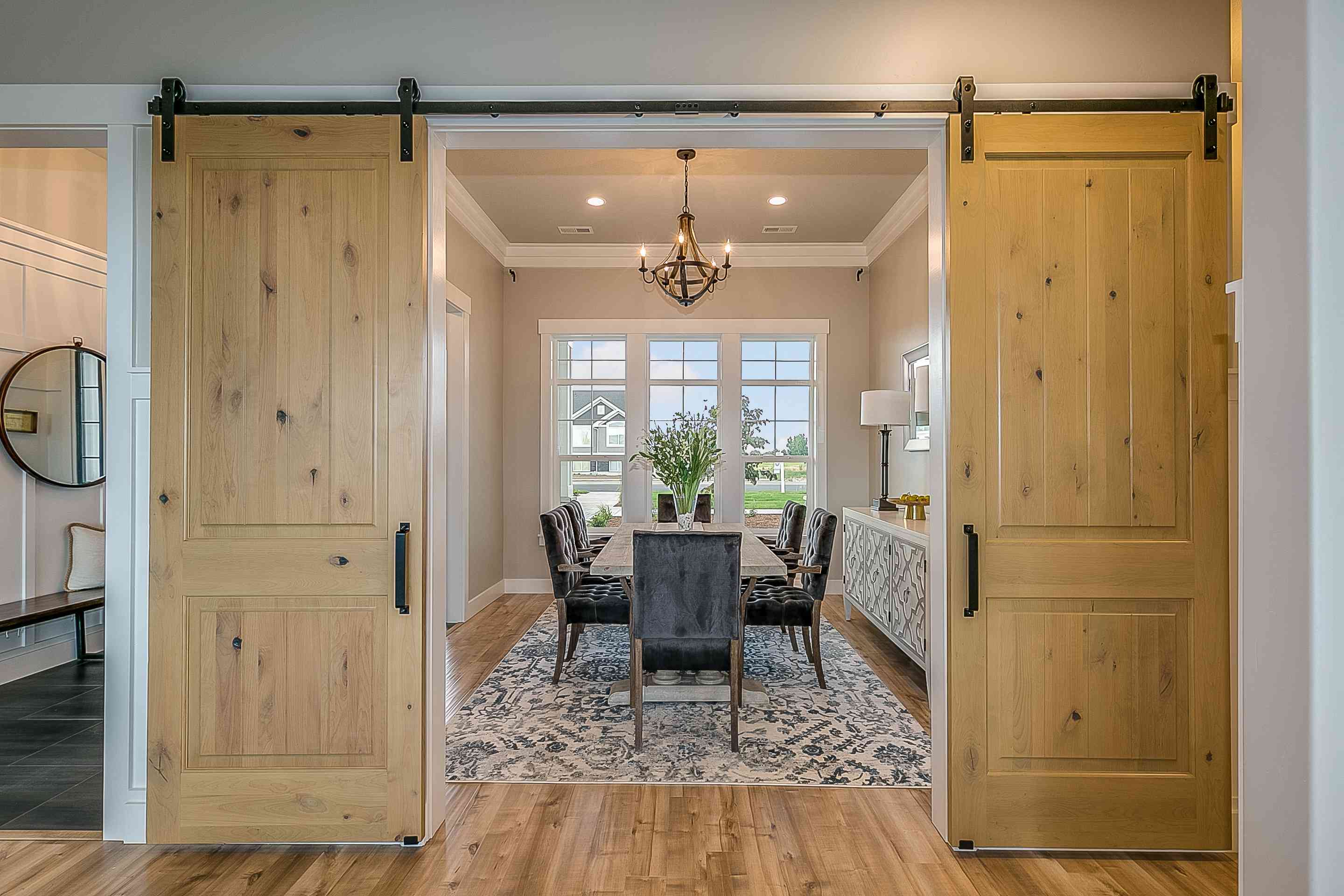
Every home has at least one decor item that quietly whispers, “I peaked in 2014.” Maybe it is a wooden sign reminding everyone to “Live, Laugh, Love.” Maybe it is a gray couch sitting under gray pillows on a gray rug in a gray room that looks like it was color-matched to a rainy parking lot. Or perhaps it is a sliding barn door bravely trying to turn a suburban hallway into a rustic dairy farm.
The good news? A dated home does not mean your entire space needs a dramatic reality-show makeover. Most rooms start to feel tired because of a few specific pieces, not because everything is wrong. Swapping out the right items can make your home feel fresher, warmer, more expensive, and more personal without requiring a full renovation or a second mortgage.
Today’s best interiors are moving away from cookie-cutter perfection and toward character, comfort, natural texture, meaningful objects, layered lighting, and pieces that look collected over time. In other words, your home should feel like a real person lives therenot like a showroom that is afraid of fingerprints.
Below are six dated home decor pieces you should consider replacing ASAP, plus smart, stylish alternatives that will bring your space into the present without making it look like you chased every trend on the internet.
1. Word Art Signs That Say the Obvious
Word art had its moment. For years, kitchens shouted “EAT,” laundry rooms announced “LAUNDRY,” and bathrooms displayed signs with jokes that were, let’s be honest, only funny the first time. These pieces were popular because they were affordable, easy to hang, and instantly filled blank wall space. But now, oversized typography signs often make a room feel mass-produced rather than personal.
The issue is not that words are forbidden in decor. A framed vintage poster, a meaningful quote in beautiful calligraphy, or a small handmade sign can still feel charming. The problem is generic word art that does not reveal anything about you, your home, or your style. If a sign could be found in thousands of houses and still say the same thing, it probably is not doing your room any favors.
What to use instead
Replace generic word art with pieces that carry visual interest. Try framed photography, original artwork from a local maker, vintage landscape prints, botanical illustrations, textile wall hangings, or a gallery wall that mixes family photos with art. In the kitchen, consider a small oil painting, a ceramic wall plate, or a framed recipe card from a loved one. These pieces still tell a story, but they do it with more style and less shouting.
A good rule: if the art needs to label the room for you, the room probably deserves something more interesting.
2. Matching Furniture Sets That Look Too Perfect
Matching furniture sets once felt like the height of adult responsibility. Sofa, loveseat, coffee table, side tables, media consoleeverything matched, and everyone could relax knowing no chair had gone rogue. Unfortunately, all-matching furniture now tends to make a space look flat, dated, and overly staged.
Modern rooms feel more inviting when they include contrast. That might mean pairing a clean-lined sofa with a vintage wood coffee table, mixing upholstered dining chairs with simple wooden ones, or placing a modern lamp on an antique dresser. The goal is not chaos. The goal is balance. A room should feel coordinated, not cloned.
Matching bedroom sets are especially guilty of aging a space. A bed frame, two nightstands, tall dresser, low dresser, and mirror all in the same finish can make a bedroom feel more like a furniture store package deal than a restful retreat.
What to use instead
Keep your favorite anchor piece and swap the supporting cast. If you love your bed, try replacing one or both nightstands with different pieces in complementary materials. A warm wood dresser can pair beautifully with painted nightstands, metal lamps, linen bedding, and a textured rug. In the living room, mix wood tones carefully rather than forcing everything to match. Repeating one elementsuch as black metal, brass, walnut, or woven texturecan keep the room feeling connected.
Think of your furniture like a dinner party. Everyone should get along, but they do not all need to wear the same outfit.
3. Cheap Faux Plants That Fool Absolutely No One
Faux plants have improved dramatically, but the bargain-bin versions still have a special talent for making a room look dusty, stiff, and strangely haunted. You know the ones: shiny plastic leaves, fake moss, visible glue, and stems that bend like drinking straws. Instead of adding freshness, they often draw attention to the fact that nothing living is happening in that corner.
Greenery is still one of the easiest ways to soften a room, add color, and create a more relaxed atmosphere. But when faux plants look obviously fake, they become visual clutter. This is especially true when they are placed in every corner, on every shelf, and above every cabinet like a tiny plastic jungle.
What to use instead
If you can care for real plants, start with low-maintenance options such as snake plants, pothos, ZZ plants, or philodendrons. They tolerate imperfect conditions and do not require you to become a full-time botanist. Place them in ceramic, terracotta, stone, or woven planters for a more elevated look.
If real plants are not realistic for your lifestyle or lighting, invest in fewer, better faux stems. Choose realistic leaf shapes, natural color variation, and matte finishes. A single high-quality faux olive tree or a vase of faux branches will look far more sophisticated than twelve tiny plastic succulents lined up like they are waiting for a bus.
Another excellent option is dried or preserved botanicals. Eucalyptus, pampas grass, dried hydrangeas, olive branches, and preserved moss can bring organic texture without requiring watering, pruning, or a guilt spiral.
4. Edison Bulbs and Overdone Industrial Lighting
Exposed Edison bulbs were once the unofficial uniform of coffee shops, loft apartments, and restaurants that served fries in tiny metal baskets. The warm glow felt vintage, urban, and cool. But after years of overuse, the look can now feel predictableespecially when paired with black pipe fixtures, cage pendants, and distressed wood.
Lighting is one of the most powerful design elements in a home. It affects mood, color, comfort, and how expensive a room feels. Dated lighting can age a space faster than almost anything else because it sits at eye level or overhead, quietly judging your design choices all day long.
The harsh reality is that many Edison bulbs are better at being decorative than useful. They can create glare, provide uneven light, and make task-heavy spaces like kitchens and bathrooms less functional.
What to use instead
Replace overly industrial fixtures with lighting that feels layered and intentional. Try milk-glass pendants, linen drum shades, sculptural table lamps, pleated sconces, ceramic bases, aged brass finishes, or simple fixtures with soft curves. These options still offer personality, but they feel more timeless and less like your dining room is applying for a job at a brewery.
Focus on having three types of lighting in a room: ambient lighting for overall brightness, task lighting for specific activities, and accent lighting for mood. A living room might include a ceiling fixture, two table lamps, and a small picture light. A bedroom might use bedside sconces, a soft overhead fixture, and a reading lamp.
Also pay attention to bulb temperature. Warm white bulbs usually make living spaces feel cozy, while overly cool bulbs can make even beautiful decor look like it is being inspected at a dentist’s office.
5. Shag Rugs, Tiny Rugs, and Rugs That Float Awkwardly
A rug can make a room feel finished, but the wrong rug can make it look confused. Shag rugs, especially high-pile synthetic versions, often feel dated and can be difficult to clean. They trap dust, crumbs, pet hair, and mysterious objects that may have gone missing during the previous decade.
Tiny rugs are another common offender. A small rug floating in the middle of a living room can make furniture look disconnected, as if the sofa and chairs are all avoiding each other after an argument. In bedrooms, a rug that barely peeks out from under the bed can make the whole layout feel undersized.
Rugs are not just decorative. They define zones, add warmth, absorb sound, and create a visual foundation. When the scale, texture, or pattern is wrong, the entire room feels off.
What to use instead
Choose rugs with lower pile, natural texture, or washable construction. Wool, jute, cotton, flatweave, and performance rugs can feel current while still being practical. Vintage-inspired patterns are also a smart choice because they hide everyday life beautifully. Spilled coffee? Dog zoomies? Snack crumbs? A patterned rug says, “I saw nothing.”
Size matters. In a living room, aim for at least the front legs of the sofa and chairs to sit on the rug. In a dining room, the rug should be large enough for chairs to remain on it when pulled out. In a bedroom, the rug should extend generously beyond the sides and foot of the bed.
If your budget is tight, go larger and simpler rather than smaller and fancier. A properly sized neutral rug almost always looks better than a tiny expensive one trying its best.
6. Sliding Barn Doors in Non-Farmhouse Homes
Sliding barn doors became wildly popular because they added instant character and saved floor space. In the right settingsuch as an actual farmhouse, rustic cabin, or converted barnthey can still look beautiful. But in many homes, especially newer builds with no rustic architecture, barn doors can feel forced and dated.
The biggest issue is that barn doors are visually loud. They demand attention. If the rest of the home does not share the same rustic language, the door can look like it wandered in from a different property. They also are not always practical. Many do not seal well, which can be a problem for bathrooms, bedrooms, offices, or any room where privacy matters. A barn door on a bathroom may look charming, but nobody wants “decorative gaps” during real life.
What to use instead
For a more updated look, consider pocket doors, French doors, paneled doors, reeded-glass doors, or simple sliding doors with cleaner hardware. If you want texture, choose a door with subtle architectural detailing rather than heavy rustic planks. If you want contrast, paint an interior door a deep green, warm black, muted blue, or rich brown.
Hardware can also make a major difference. Swapping chunky black barn-door hardware for brass, bronze, or streamlined matte black hardware can instantly make a space feel more refined. The goal is to add character that suits the house, not character that looks imported from a themed restaurant.
How to Replace Dated Decor Without Wasting Money
Before you start tossing everything into donation bags, pause and evaluate what is actually making the room feel outdated. Sometimes one swap changes the whole mood. A new rug can rescue a living room. Updated lamps can modernize a bedroom. Replacing word art with real artwork can make an entryway feel thoughtful instead of generic.
Start with the most visible pieces
Focus first on items that take up visual space: rugs, lighting, wall art, large faux plants, and statement furniture. These pieces shape the first impression of a room. Smaller accessories can wait unless they are grouped in large numbers.
Choose timeless over trendy
Timeless does not mean boring. It means the piece has good proportions, useful function, quality material, or emotional meaning. A handmade ceramic vase, a wood-framed mirror, a classic linen shade, or a vintage side table can outlast dozens of trend-driven accessories.
Layer personality slowly
A home feels stylish when it looks collected, not copied. Mix old and new. Add books you actually read. Display pottery from a trip. Frame a photo that makes you smile. Use colors you enjoy, not colors an algorithm told you were “in.” The best rooms usually have a little imperfection, because perfection can feel about as welcoming as a museum guard with a whistle.
Real-Life Experience: What Actually Happens When You Replace Dated Decor
One of the biggest surprises about updating dated home decor is that the room often improves before you buy anything new. Removing the wrong pieces can be just as powerful as adding the right ones. I have seen living rooms look instantly calmer after taking down generic signs, removing extra faux plants, and clearing out accessories that were only there because the shelf looked “empty.” Empty space is not the enemy. Sometimes it is the design equivalent of taking a deep breath.
A practical approach is to walk through your home with your phone and take photos of each room. Photos reveal things your eyes have stopped noticing. That tiny rug under the coffee table suddenly looks like a postage stamp. The matching lamps, matching tables, and matching pillows begin to feel too coordinated. The fake plant on top of the cabinet looks less like greenery and more like it has been held hostage since 2011.
Start with a simple “remove and review” method. Take out anything that feels overly themed, overly matched, or obviously artificial. Live without those items for a few days. You may discover that the room already feels fresher. Then decide what the space actually needs. Maybe the answer is a larger rug, warmer lamps, better art, or one substantial plant instead of several small accessories.
Another helpful experience is shopping your own home before shopping online. A chair from the bedroom may look better in the living room. A table lamp from the office may soften the entryway. A framed print that felt boring in one room may suddenly look perfect above a nightstand. Moving pieces around helps break up matching sets and gives your home a more collected feel without spending money.
When you do buy something new, buy slowly. Dated decor often happens when people purchase too many items from the same trend at once. One farmhouse accent can be charming. Ten farmhouse accents can make your home look like it is waiting for a rooster audition. One boucle chair can add texture. An all-cream boucle room can feel like a marshmallow with a mortgage. The secret is restraint.
Lighting is usually the update people underestimate most. Replacing an old industrial pendant or adding two warm table lamps can completely change how a room feels at night. Good lighting makes paint colors richer, fabrics softer, and furniture more expensive-looking. Bad lighting makes even beautiful rooms feel cold. If your home feels dated but you cannot figure out why, look up. The ceiling fixture may be the culprit.
Finally, remember that replacing dated decor is not about being embarrassed by your old choices. Every trend was popular for a reason. Word art felt friendly. Matching sets felt polished. Barn doors felt creative. Edison bulbs felt cool. The point is not to shame your past self; that person was doing their best with the style information available at the time. The point is to let your home evolve with you.
A refreshed home does not need to look expensive, perfect, or professionally designed. It should feel comfortable, current, and personal. Replace the pieces that no longer serve the space, keep the ones that still make you happy, and give yourself permission to mix styles. That is how a home starts looking less dated and more genuinely lived in.
Conclusion
Dated decor pieces can sneak into a home quietly, but replacing them does not have to be overwhelming. Start with the biggest style offenders: generic word art, matching furniture sets, cheap faux plants, Edison bulbs, awkward rugs, and barn doors that do not fit the architecture. Swap them for meaningful artwork, mixed furniture, realistic greenery, layered lighting, properly sized rugs, and doors or details that match your home’s character.
The best update is not always the trendiest one. It is the one that makes your home feel warmer, more personal, and easier to enjoy every day. When in doubt, choose quality over quantity, character over sameness, and comfort over perfection. Your home does not need to look like everyone else’s. In fact, that is exactly the point.










