
Your home’s curb appeal is basically its handshake with the world. Before anyone notices the quartz countertops, the smart thermostat, or the suspiciously perfect throw pillows inside, they see the lawn, the front door, the walkway, the lighting, and whether your mailbox looks like it survived a minor tornado. The good news? Improving curb appeal does not always require a giant remodel, a dramatic HGTV-style reveal, or a bank account that cries softly at night.
Whether you are preparing to sell your house, impress guests, or simply stop sighing every time you pull into the driveway, small exterior upgrades can make a big difference. Real estate professionals often emphasize that buyers form opinions quickly, and the outside of a home sets expectations before the front door even opens. A clean, welcoming, well-maintained exterior tells people, “Someone cares about this place.” A neglected one says, “Please ignore the weeds. They have unionized.”
Below are 10 practical, stylish, and budget-conscious ways to improve your home’s curb appeal, with specific examples you can actually use. No fluff. No design snobbery. Just smart improvements that help your house look loved, polished, and ready for its close-up.
1. Start With a Deep Exterior Clean
Before buying paint, plants, pavers, or decorative lanterns shaped like tiny lighthouses, start with the least glamorous curb appeal upgrade: cleaning. Dirt, mildew, cobwebs, pollen, and driveway stains can make even a beautiful home look tired. A weekend of washing can reveal that your house did not need a makeoverit needed a bath.
What to clean first
Focus on the areas people notice immediately: siding, windows, gutters, porch floors, steps, railings, garage doors, and walkways. Pressure washing can refresh concrete, brick, and stone surfaces, but use the correct pressure setting. Too much force can damage wood, older mortar, painted surfaces, or delicate trim. For windows, clean both glass and frames. Sparkling windows quietly say, “Responsible adult lives here,” even if your junk drawer suggests otherwise.
Do not forget the roofline. Overflowing gutters, stained fascia boards, and sagging downspouts can make a home look neglected. Clean gutters improve appearance and help protect the home from water damage. If your gutters have visible dents or peeling paint, consider repairs or replacement. This is not the flashiest project, but curb appeal has a practical side.
2. Paint or Refresh the Front Door
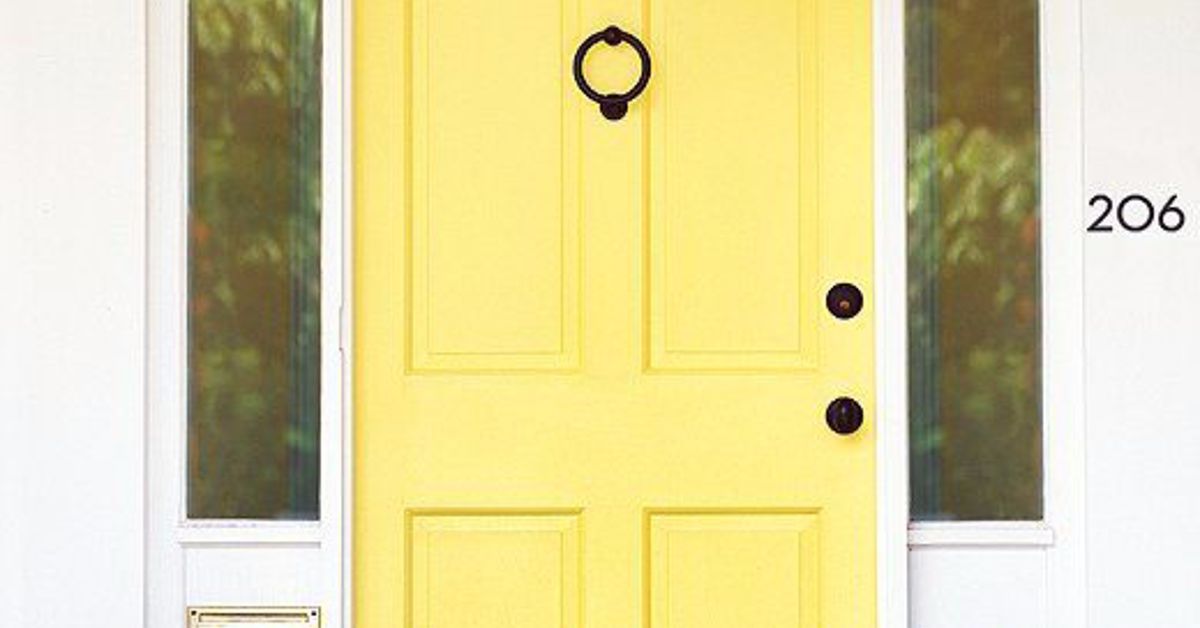
The front door is the focal point of your home’s exterior. It is also one of the easiest places to add personality. A fresh coat of paint can make the entryway feel new without requiring a major renovation. Think of it as lipstick for your house, but less likely to end up on a coffee cup.
Choose a color that works with your home
For classic homes, black, navy, deep green, burgundy, charcoal, and rich brown often look timeless. For cottage, coastal, or modern farmhouse styles, soft blue, sage, warm white, or cheerful yellow can work beautifully. If your siding is neutral, a bold front door color can create a memorable focal point. If your exterior already has strong colors, choose a door color that complements rather than competes.
Before painting, clean the door, sand rough spots, remove old flaking paint, and use a primer if needed. Replace tired hardware if the budget allows. A freshly painted door paired with new house numbers, a clean welcome mat, and updated lighting can transform your entryway from “fine” to “well hello there.”
3. Upgrade House Numbers, Mailbox, and Hardware
Small details matter more than most homeowners think. House numbers, door handles, knockers, mailboxes, porch lights, and even the doorbell all contribute to the first impression. If these elements are faded, rusty, mismatched, or barely visible, your exterior may feel older than it actually is.
Match finishes for a polished look
Choose one or two finishes and repeat them. Matte black, brushed nickel, oil-rubbed bronze, brass, and aged copper are popular options depending on the style of the home. A modern home may look sharp with large black floating numbers. A traditional home may suit bronze or brass numbers mounted on a clean plaque. The goal is not to make every detail scream for attention. The goal is to make the exterior feel coordinated.
Your mailbox deserves a moment too. If it leans like it has had a long week, replace the post or straighten it. Paint the box, add clear numbers, and plant low-maintenance flowers around the base if space allows. This tiny zone sits right at the street, which means it often forms the first first impression.
4. Improve Front Yard Landscaping
Landscaping is one of the biggest curb appeal boosters because it frames the entire home. You do not need a botanical garden. In fact, complicated landscaping can scare buyers and busy homeowners because it whispers, “I require three weekends a month and emotional commitment.” Instead, aim for clean, layered, low-maintenance landscaping that looks intentional.
Use layers and repetition
A strong front yard design usually includes a mix of heights and textures. Place taller shrubs or ornamental grasses near corners or blank walls, medium plants in front of them, and flowers or ground cover near the edge. Repeating the same plant in several places creates rhythm and makes the yard look designed rather than randomly assembled during a nursery sale panic.
Native plants are often a smart choice because they tend to adapt better to local climate conditions and can require less water once established. Drought-tolerant landscaping, mulch beds, evergreen shrubs, flowering perennials, and ornamental grasses can all provide structure and seasonal color. If you live in a dry region, xeriscaping with gravel, rocks, succulents, and native grasses can look modern and save water.
5. Add Fresh Mulch and Define Garden Edges
If landscaping is the outfit, mulch is the ironing. Fresh mulch instantly makes flower beds look cleaner, richer, and more finished. It also helps retain soil moisture, reduce weeds, and protect plant roots. That is curb appeal with a practical little bonus, which is the best kind.
Edge like you mean it
Undefined garden beds can make the yard look messy even if the plants are healthy. Create crisp edges between lawn and planting areas using a spade, metal edging, stone, brick, or pavers. Curved beds can soften the look of a home, while straight lines often feel more modern and formal.
Choose mulch that complements your exterior. Dark brown mulch works well with many homes and gives beds a rich, natural look. Pine straw may fit Southern or cottage-style landscapes. Gravel can be excellent for desert, modern, or low-water yards. Avoid piling mulch too high against tree trunks or siding. The famous “mulch volcano” may sound dramatic, but it is not doing your trees any favors.
6. Repair or Refresh the Walkway and Driveway
Your walkway guides visitors to the front door, so it should feel safe, clean, and welcoming. Cracked concrete, uneven pavers, weeds between stones, and stained driveways can drag down the entire exterior. Even if the house itself looks great, a rough approach can make the property feel neglected.
Simple fixes can go far
Start by removing weeds and pressure washing the walkway and driveway. Fill small cracks where appropriate, reset loose pavers, and repair uneven areas that could become tripping hazards. If the walkway feels too narrow or plain, consider widening it with pavers, adding a stone border, or lining it with low plants or solar lights.
For a bigger curb appeal upgrade, paver walkways, stamped concrete, natural stone paths, and brick borders can add texture and charm. The best choice depends on your home’s style. A colonial home may look great with brick. A modern home may suit large concrete slabs with gravel joints. A cottage may glow with flagstone and creeping ground cover. Your walkway should not look like it was borrowed from a different house and dropped in at midnight.
7. Upgrade Outdoor Lighting
Outdoor lighting is a curb appeal hero because it works after sunset. During the day, your home may look lovely, but at night it can disappear into darkness like a shy raccoon. Good lighting highlights architecture, improves safety, and creates a warm welcome.
Layer your lighting
Use porch lights near the entry, path lights along walkways, and accent lights to highlight trees, stonework, or architectural features. Low-voltage landscape lighting is popular because it can create a polished effect without overwhelming the yard. Solar lights are easier to install and budget-friendly, though quality varies, so choose sturdy fixtures with warm light rather than harsh blue-white glare.
Update outdated porch fixtures if they look too small or worn. A common mistake is choosing lights that are undersized for the entry. Bigger fixtures often look more balanced from the street. Just avoid going so large that your porch light appears ready to signal aircraft.
8. Refresh Paint, Trim, Shutters, and Siding
Paint is one of the most powerful curb appeal tools. A full exterior paint job can be a significant investment, but targeted updates can still make a visible impact. Trim, shutters, porch railings, columns, fences, and garage doors often show wear before the rest of the house.
Focus on contrast and condition
Clean lines and fresh trim can make architecture pop. White trim on a dark exterior, charcoal shutters on a light exterior, or warm wood accents on a neutral home can create depth. If your shutters are faded or warped, repaint or replace them. If your siding is dirty but still in good condition, washing may be enough. If paint is peeling, bubbling, or chalky, repairs should come before decorating.
When choosing exterior colors, consider roof color, stone or brick features, landscaping, and neighboring homes. You do not need to match the entire street, but your home should feel like it belongs. A neon purple exterior may express your free spirit, but it may also make the homeowners association clutch its pearls.
9. Add Porch Decor With Restraint
A porch or entryway should feel welcoming, not like a seasonal aisle exploded. The best porch decor is simple, balanced, and easy to maintain. A clean doormat, two planters, a bench, a wreath, or a small seating area can make the entry feel finished.
Create a mini outdoor room
If you have space, add chairs, a small table, or a bench with outdoor cushions. Choose weather-resistant materials and colors that coordinate with your door and exterior. For smaller porches, use vertical elements like hanging baskets, wall planters, or a tall container plant. Symmetry works especially well at entries: matching planters on either side of the door create an instant sense of order.
Seasonal decor is great, but keep it edited. A fall wreath and pumpkins? Charming. Forty-seven pumpkins, three scarecrows, and a sign that says “Gather” in a font visible from space? Possibly a tiny bit much. Let your architecture and landscaping breathe.
10. Maintain the Lawn and Trees
A healthy lawn is still one of the classic signs of curb appeal, but it does not need to be golf-course perfect. It should be neat, green for your region and season, and free from obvious bare patches. If traditional turf is difficult to maintain in your climate, consider alternatives such as clover blends, native ground covers, mulch beds, ornamental grasses, or drought-tolerant landscaping.
Do the basics consistently
Mow at the right height, edge along walkways and driveways, water wisely, and reseed thin areas when the season is appropriate. Aerating compacted soil and applying the right fertilizer can help improve lawn health. For trees and shrubs, remove dead branches, trim growth away from windows and walkways, and keep plants from swallowing the house. Your shrubs should frame the home, not look like they are slowly repossessing it.
Tree care is also important for safety and appearance. Mature trees can add beauty, shade, and character, but dead limbs or overgrown branches can look risky. If large branches hang over the roof or power lines, call a professional. This is not the moment to prove your bravery with a ladder and a questionable YouTube tutorial.
Extra Experiences and Practical Lessons From Real Curb Appeal Projects
One of the biggest lessons from improving curb appeal is that homeowners often underestimate the power of order. A front yard does not need to be expensive to look good. It needs to look intentional. I have seen homes change dramatically after nothing more than trimming shrubs below window height, cleaning the walkway, painting the front door, and adding two matching planters. The house did not become larger, newer, or fancier. It simply stopped hiding behind visual clutter.
Another common experience is discovering that the “ugly” part of the exterior is not actually ugly. It is usually dirty, faded, overgrown, or poorly lit. A gray concrete path may look dull until it is pressure washed. Old brick may look tired until the surrounding weeds are removed and the edges are sharpened. A plain porch may look forgotten until it gets a better light fixture and a pair of planters. Curb appeal is often about revealing what is already there rather than replacing everything.
Budget planning also matters. Many homeowners start with big dreamsnew siding, a stone walkway, custom landscaping, dramatic lightingand then realize the budget has packed a suitcase and left town. A smarter approach is to divide projects into three groups: free or nearly free, low-cost weekend upgrades, and bigger investments. Free projects include cleaning, pruning, weeding, rearranging porch decor, and removing clutter. Low-cost projects include mulch, paint, house numbers, planters, and solar path lights. Bigger investments include exterior painting, hardscaping, professional landscaping, new garage doors, and upgraded fencing.
The best curb appeal improvements also respect the style of the home. A sleek modern entry may not need overflowing flower baskets. A cottage exterior may not look right with ultra-minimal black steel planters. A brick ranch may benefit from warm wood accents, bold shutters, and layered foundation plants. The question should always be: “What is this house trying to be?” Once you answer that, design decisions become easier.
Color testing is another real-world lesson. Paint colors look different outside than they do on tiny swatches. Sunlight, shade, roof color, brick undertones, and landscaping can all change how a color appears. Before painting a front door or shutters, test samples and observe them at different times of day. A sophisticated navy in the store can become cartoon blue in direct sunlight. A soft sage can turn gray in shade. Paint is affordable compared with many upgrades, but repainting because the color went rogue is still annoying.
Homeowners should also think about maintenance before choosing materials and plants. A front yard full of annual flowers can look amazing, but it requires replanting. Fast-growing hedges provide privacy but need frequent trimming. Gravel beds reduce mowing but may need weed control. Wood features bring warmth but require sealing or staining. Good curb appeal should fit your lifestyle. If you hate yard work, design for low maintenance. There is no shame in admitting you want a beautiful yard that does not demand a long-term relationship.
Lighting is one of the most underrated upgrades. Many people design curb appeal only for daytime, but guests, buyers, and neighbors often see homes in the evening. Warm path lighting, a clean porch fixture, and subtle uplighting can make the property feel safer and more welcoming. The key is subtlety. Your home should glow, not look like a stadium preparing for overtime.
Finally, curb appeal works best when it creates an emotional reaction. People may not consciously notice the edged lawn, clean windows, balanced planters, or fresh mulch, but they feel the result. The home feels cared for. It feels easier to approach. It feels like a place where someone might offer lemonade instead of asking why you stepped on the crabgrass. That feeling is powerful whether you are selling, hosting, or simply coming home after a long day.
Conclusion
Improving your home’s curb appeal does not require a dramatic renovation or a designer budget. Start with cleaning, maintenance, and simple upgrades that make the exterior look fresh and intentional. Paint the front door, define garden beds, refresh mulch, repair walkways, upgrade lighting, and keep the lawn and plants under control. Then add personality through coordinated hardware, porch decor, and landscaping that suits your home’s style.
The secret is consistency. One beautiful planter cannot rescue a peeling door, and expensive lighting cannot distract from waist-high weeds. But when each detail works together, your home looks more welcoming, more valuable, and more enjoyable to live in. Curb appeal is not just about impressing other people. It is about creating that tiny moment of pride when you pull into the driveway and think, “Yep, that’s my house.”
Note: This article synthesizes practical curb appeal guidance from reputable U.S. real estate, home improvement, landscaping, and remodeling sources. It is written for general informational use and should be adapted to your climate, budget, home style, and local regulations.














