
Learning how to fly in Super Mario World sounds easy until Mario launches into the sky, immediately face-plants into a Koopa, and makes you question every button you have ever pressed. The cape is one of the most powerful tools in the entire game, but it is also one of the strangest. It is not just a “jump higher” power-up. It is a rhythm, a steering lesson, and a tiny aviation exam disguised as a yellow feather.
The good news is that flying in Super Mario World is not random. Once you understand how the Cape Feather works, how to build speed, and how to use the D-pad during flight, you can soar across levels, reach hidden areas, grab bonus coins, skip dangerous sections, and generally behave like a plumber who has ignored several laws of physics. This guide explains the full process in five clear steps, with practical tips for beginners, common mistakes to avoid, and extra experience-based advice at the end.
What You Need Before You Can Fly
Before Mario can take off, he needs the Cape Feather. This power-up transforms Mario or Luigi into Cape Mario or Cape Luigi, giving the character a yellow cape. You will first commonly encounter the Cape Feather in Donut Plains 1, which is also one of the best early places to practice flying because the level gives you open space and a special practice area.
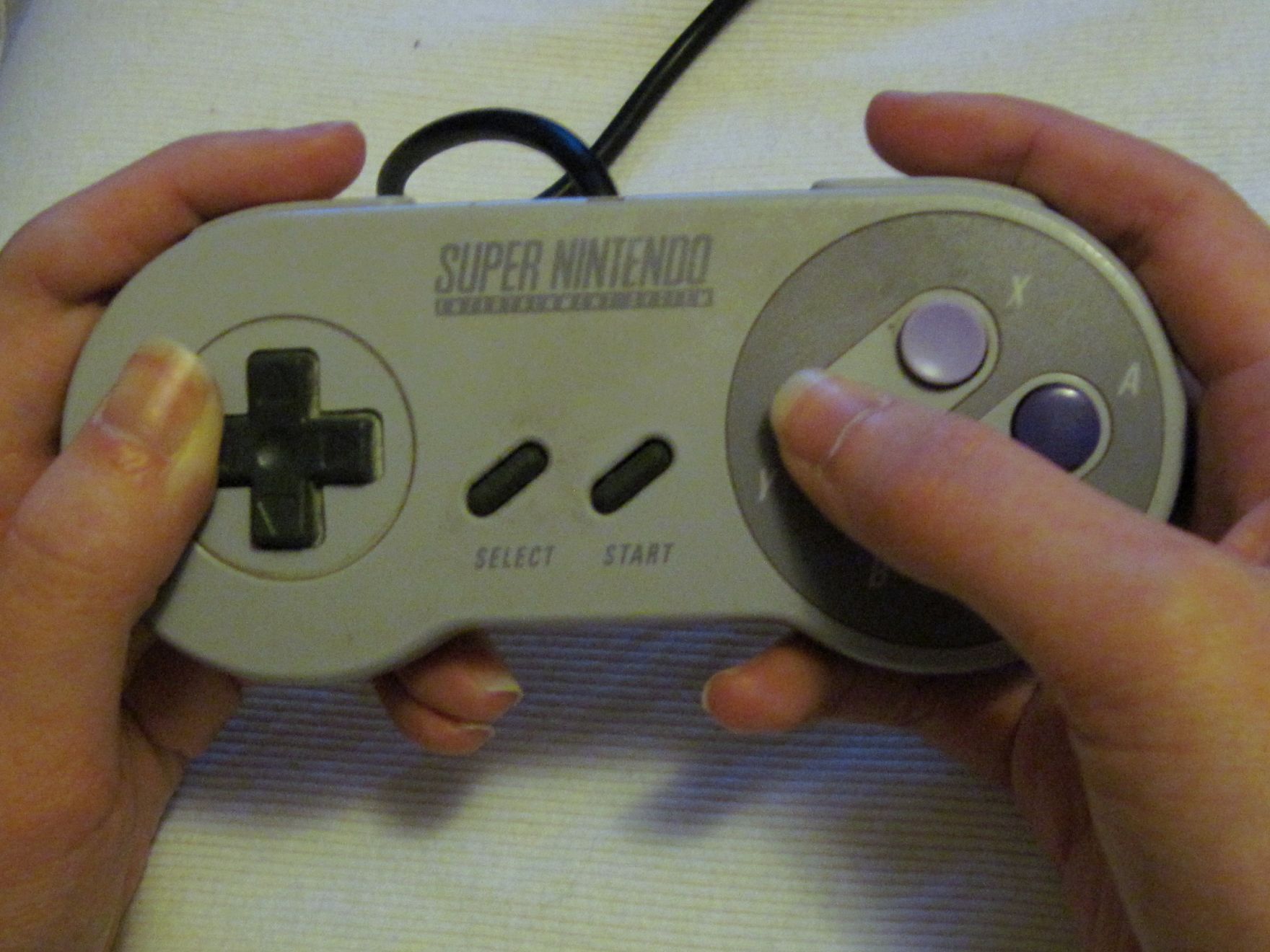
On the original Super Nintendo controller, the usual setup is simple: hold Y or X to run, press B for a normal jump, and use the D-pad to steer. On Nintendo Switch Online, an emulator, or another modern setup, the button names may be different, but the idea is the same: you need one button for running, one button for jumping, and the D-pad for direction. If your controls feel like a spaghetti dinner, check your button mapping before blaming Mario.
Step 1: Get the Cape Feather
The first step in learning how to fly in Super Mario World is getting the Cape Feather. You can find it in blocks, collect it from certain enemies, or use power-up areas once you unlock them. Donut Plains 1 is the classic training ground because it introduces the Cape Feather early and gives you room to experiment.
Where to Find a Cape Feather Early
In Donut Plains 1, watch for flying Super Koopas and item blocks. A flashing Super Koopa can drop a Cape Feather when defeated, and some blocks also contain feathers. Once you grab one, Mario’s cape appears immediately. Congratulations: you now own the most stylish flight equipment in Dinosaur Land.
If you later unlock the Top Secret Area, it becomes one of the easiest places to restock on Cape Feathers. This is especially useful when you are practicing because, let’s be honest, your first few flights may end with Mario gently gliding into a pit like he had somewhere else to be.
Step 2: Run Until Mario Reaches Full Speed
After collecting the Cape Feather, hold the run button and start moving in one direction. You need enough runway to build full speed. Keep running until Mario’s arms stretch out behind him. That animation is the game’s way of saying, “We have achieved plumber velocity.”
This is where many new players make their first mistake: they jump too early. If Mario has not reached full speed, he may simply perform a higher jump or a short glide instead of launching into proper cape flight. Give yourself space, hold the run button, and do not tap the jump button until Mario is clearly sprinting.
Practice Tip
Use flat ground whenever possible. Slopes, enemies, pipes, and awkward platforms can ruin your takeoff. Donut Plains 1 is great because it gives you several stretches where you can build speed without needing ninja reflexes. The best takeoff feels smooth: run, reach full speed, then jump.
Step 3: Jump While Still Holding Run
Once Mario is running at full speed, press the jump button while continuing to hold the run button. If you did it correctly, Mario will launch upward with much more height than a normal jump. This is the beginning of cape flight.
Do not let go of the run button during takeoff. Keeping run held helps maintain the flight state and keeps Mario moving forward. Think of the run button like the engine. You would not turn off an airplane engine immediately after takeoff unless your flight instructor was Bowser.
What Takeoff Should Look Like
A successful launch sends Mario high into the air in a long arc. He does not simply hop. He rises strongly, cape trailing behind him, and begins moving forward across the screen. If he barely leaves the ground, you probably jumped before reaching full speed. If he jumps high but then drops quickly, you may not be managing the cape controls yet. That is normal.
Step 4: Use the D-Pad to Dive and Pull Up
This is the part that separates “I jumped with a cape” from “I can actually fly in Super Mario World.” After takeoff, Mario will eventually begin to descend. To stay airborne, you need to use the D-pad to control his angle.
When Mario is flying to the right, pressing right makes him dive forward and downward. Pressing left, the opposite direction, pulls him up and opens the cape. When Mario is flying to the left, the controls reverse: pressing left dives, and pressing right pulls him up.
The secret is timing. Let Mario dive a little, then tap or hold the opposite direction to pull up. If you pull up at the right moment, Mario rises again instead of falling. Repeat the rhythm: dive, pull up, dive, pull up. Once it clicks, Mario can stay in the air for a very long distance, sometimes across most of a level.
The Simple Flight Rhythm
Here is the easiest way to remember it: run, jump, dive, pull back, repeat. If you are moving right, tap left when Mario starts diving. If you are moving left, tap right when Mario starts diving. You are not mashing every button like the controller owes you money. You are guiding Mario’s momentum in waves.
Step 5: Practice Landing, Gliding, and Advanced Cape Control
Once you can stay airborne, the next step is learning how to land safely. Mario can glide down gently with the cape open, or he can dive sharply and slam into the ground. A strong cape dive can create a shockwave effect that defeats many enemies on screen, which is both useful and deeply satisfying. It is basically Mario’s way of saying, “I have arrived, and so has gravity.”
To land safely, stop forcing steep dives and use the opposite direction to slow Mario down. Let him glide toward the ground. If you need to drop faster, press the direction Mario is traveling to dive. If you want more control, practice alternating between short dives and gentle pull-ups.
Bonus: Cape Spin
The cape is not only for flying. You can also spin it to attack enemies and hit blocks. On the original controls, pressing the run/cape button can make Mario swing the cape. This is useful when enemies are too close, when you want to hit blocks beside you, or when you need to clear space before taking off.
Common Mistakes When Flying in Super Mario World
One of the most common problems is trying to fly without enough speed. If Mario’s arms are not stretched out, he probably is not ready for takeoff. Another common mistake is holding the wrong direction in the air. New players often keep holding forward because that feels natural, but in cape flight, holding forward usually makes Mario dive. To climb again, you need to press the opposite direction.
Another issue is panic mashing. The cape rewards rhythm, not chaos. If you press left, right, jump, run, and spin all at once, Mario may technically be receiving your emotional message, but he will not fly well. Keep the run button held, use the D-pad deliberately, and learn the timing.
Finally, do not practice in cramped levels at first. Flying is much harder when the ceiling is low, enemies are everywhere, or the level is filled with awkward terrain. Start in Donut Plains 1, then try other open stages once you are more comfortable.
Best Places to Practice Cape Flying
Donut Plains 1 is the classic choice because it introduces the Cape Feather and includes a flight-friendly layout. The level also has a secret area where you can practice collecting coins in the air. It feels like the game is quietly saying, “Here, learn this now, because later I will not be so polite.”
Top Secret Area, once unlocked, is useful because it gives you easy access to power-ups. It is not a flying course by itself, but it helps you quickly regain the Cape Feather after mistakes. Less time hunting feathers means more time practicing takeoffs and landings.
Open outdoor levels are generally better than caves, castles, and ghost houses. High ceilings and long stretches of ground make it easier to build speed and recover from awkward flight angles.
How Flying Helps You Find Secrets
Flying is more than a flashy trick. In Super Mario World, the cape can help you reach secret exits, hidden platforms, bonus rooms, Dragon Coins, and alternate routes. Some levels are designed with vertical space that is easy to miss if you only play from the ground. Once you master Cape Mario, the game opens up in a new way.
The cape also changes how you think about danger. A pit is less scary when you can glide. A row of enemies is less annoying when you can fly over them. A high platform is less mysterious when you can launch yourself upward like Mario has been drinking rocket fuel with breakfast.
Quick Control Summary
To fly in Super Mario World, collect a Cape Feather, hold run, build full speed, jump, and keep holding run. While airborne, press the direction Mario is moving to dive and press the opposite direction to pull up. Repeat the dive-and-pull-up rhythm to stay in the air. Practice until the motion feels natural.
For rightward flight: run right, jump, press right to dive, then press left to pull up. For leftward flight: run left, jump, press left to dive, then press right to pull up. That one sentence solves about 80 percent of cape confusion.
Extra Experience: What Flying in Super Mario World Feels Like After Practice
The first time you try to fly in Super Mario World, it may feel like the game forgot to include the instruction manual and replaced it with jazz. Mario jumps high, starts falling, and suddenly you are pressing every button as if the SNES controller has a secret “please help” function. That awkward stage is completely normal. Cape flight is one of those mechanics that feels strange until your hands understand it better than your brain does.
After a while, you begin to notice the rhythm. You can feel when Mario has enough speed. You can see the exact moment his dive becomes useful instead of dangerous. You stop thinking, “Which button do I press?” and start thinking, “I need one more pull-up before landing.” That is when the cape becomes magical. The level design changes from a straight path into a playground with layers.
Donut Plains 1 is especially memorable because it teaches you that Super Mario World is not just about running from left to right. The first time you fly into the sky and discover coins or a new route, the game feels bigger. You realize that the space above the screen is not just decoration. It is an invitation. Nintendo’s level design often rewards curiosity, and the cape is one of the best tools for curious players.
One useful experience-based trick is to practice without caring about finishing the level. Enter a stage with a Cape Feather and treat it like a training room. Run, launch, fly, fall, repeat. Do not worry about the timer unless it gets low. Do not worry about looking graceful. Mario has been hit by turtles, swallowed by pipes, and chased by dinosaurs; he can survive a few embarrassing landings.
Another helpful habit is listening to the feel of the dive. Cape flight has a kind of visual and timing pattern. If you pull back too early, Mario may slow down without gaining much height. If you pull back too late, he may crash or lose control. The sweet spot is usually after he has committed to the downward motion but before he becomes a mustached lawn dart.
Players using keyboards or unusual controllers may struggle more because holding run, direction, and jump together can be uncomfortable. If your input setup makes it hard to press three buttons at once, remap your controls. The best layout is one where holding run and pressing jump feels natural. Cape flying is hard enough without your fingers forming a pretzel.
Once you master flying, try using it creatively instead of simply skipping everything. Fly to collect Dragon Coins, explore high ledges, avoid enemy clusters, or set up safer landings. The cape can make the game easier, but it also makes the game richer. It gives skilled players more options, and that is why it remains one of the most beloved power-ups in Mario history.
Note: This guide focuses on normal gameplay mechanics for Super Mario World. Button labels may vary depending on whether you play on original SNES hardware, Nintendo Switch Online, a mini console, or another controller setup, so always identify your run, jump, and direction controls before practicing.
Conclusion
Flying in Super Mario World takes patience, but the process is simple once you understand the rhythm. Get the Cape Feather, build full running speed, jump while holding run, dive with your forward direction, and pull up with the opposite direction. Practice in open levels like Donut Plains 1, and soon the cape will feel less like a confusing accessory and more like Mario’s personal shortcut to the sky.
Mastering Cape Mario does more than help you move faster. It helps you discover secrets, avoid hazards, control landings, and experience the game from a new angle. At first, you may crash. Then you will glide. Then you will soar across Dinosaur Land like you were born wearing a yellow cape. Which, for Mario, honestly would not be the strangest thing.













