
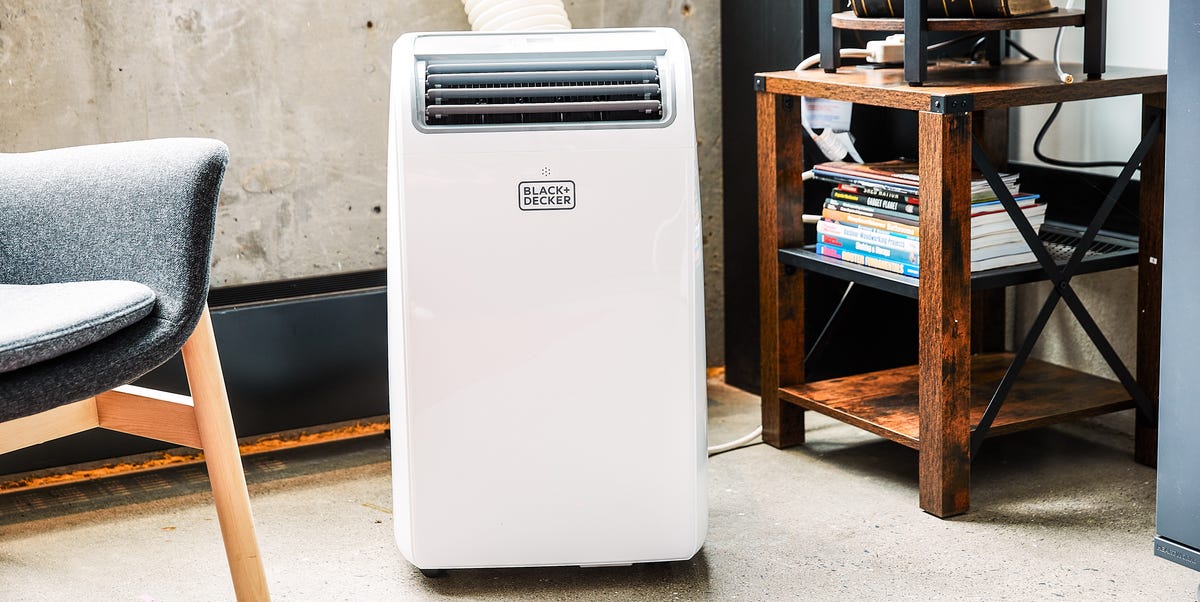
Air conditioners are like quiet summer superheroes: they fight humidity, rescue sweaty households, and ask only for clean filters, proper sizing, and the occasional professional checkup in return. But even the best air conditioner does not last forever. Whether you own a central AC system, a window unit, a portable air conditioner, or a ductless mini-split, the big question is the same: how long do air conditioners last?
The honest answer is: usually 5 to 20 years, depending on the type of system, installation quality, climate, usage, maintenance, and whether the unit was correctly sized in the first place. A neglected portable AC may limp through five summers. A well-maintained central air conditioner can cool a home for 15 to 20 years. A ductless mini-split can also reach the upper end of that range when installed correctly and cleaned regularly.
This guide explains air conditioner lifespan by type, when to repair or replace your AC, how to choose the best air conditioners in 2025, and the practical maintenance habits that keep cool air flowing without turning your electricity bill into a horror novel.
How Long Do Air Conditioners Last?
Most homeowners can use the following lifespan ranges as a realistic starting point:
| Air Conditioner Type | Typical Lifespan | Best For |
|---|---|---|
| Portable air conditioner | 5-10 years | Renters, temporary cooling, rooms without suitable windows |
| Window air conditioner | 8-12 years | Bedrooms, apartments, small offices, single-room cooling |
| Through-the-wall AC | 10-15 years | Permanent single-room installations |
| Central air conditioner | 12-20 years | Whole-home cooling with ductwork |
| Ductless mini-split | 10-20 years | Additions, garages, older homes, zone cooling |
| Geothermal heat pump system | 15-25+ years for indoor equipment | High-efficiency whole-home heating and cooling |
These numbers are not magic. They are averages. A cheap window unit left installed through snowy winters may age faster than a well-protected model that is cleaned and stored properly. Likewise, a central AC installed with leaky ducts, poor refrigerant charge, or bad airflow can feel “old” long before its birthday cake has 15 candles.
Why Some Air Conditioners Last Longer Than Others
1. Maintenance Makes or Breaks Lifespan
Dirty filters, dusty coils, clogged drain lines, and blocked outdoor units are the usual suspects behind early AC failure. A filter packed with dust forces the system to work harder, like asking someone to jog while breathing through a pillow. The result is reduced airflow, higher energy use, more strain on the blower motor, and weaker cooling performance.
For central systems, filters should usually be checked every month or two during cooling season, especially in homes with pets, allergies, dust, or heavy daily use. Window and portable units also need washable filters cleaned regularly. Maintenance is not glamorous, but neither is paying for a compressor replacement in July.
2. Climate and Usage Matter
An air conditioner in Maine may enjoy a relaxed seasonal life. An AC in Arizona, Texas, Florida, or Southern California works much harder. Hotter climates, longer cooling seasons, salty coastal air, and high humidity can shorten the lifespan of air conditioners. Outdoor condenser coils exposed to debris, corrosion, or extreme heat need more attention.
3. Correct Sizing Is Critical
Bigger is not always better. An oversized air conditioner may cool the room quickly but shut off before removing enough humidity. That creates a clammy, cave-like feeling. An undersized unit runs constantly, struggles to reach the set temperature, and wears itself down faster. The best air conditioner is the one properly matched to the space.
For room air conditioners, BTU capacity should match square footage, ceiling height, sun exposure, insulation, and occupancy. For central AC systems, a professional load calculation is far better than guessing based on square footage alone.
4. Installation Quality Is Everything
A premium AC installed badly can perform worse than a mid-range unit installed beautifully. Central air systems need correct refrigerant charge, sealed ducts, proper airflow, level placement, clean electrical connections, and adequate return air. Mini-splits need careful line-set installation and drainage. Window units need a secure, sealed fit so hot air does not sneak back inside like it pays rent.
Signs Your Air Conditioner Is Near the End
Your AC does not usually retire politely. It drops hints first. Watch for these warning signs:
- Frequent repairs: One repair may be normal. Three repairs in two summers is a pattern.
- Rising energy bills: Older units often lose efficiency and run longer to do the same job.
- Weak airflow: This may point to blower issues, clogged coils, duct problems, or an aging system.
- Uneven cooling: Some rooms freeze while others feel like soup.
- Strange noises: Grinding, buzzing, rattling, or screeching should never be ignored.
- Humidity problems: If your AC cools but does not dehumidify, sizing or performance may be off.
- Old refrigerant: Older systems using phased-out refrigerants can become expensive to service.
Repair or Replace: The Smart 2025 Decision
The repair-or-replace decision usually depends on age, repair cost, efficiency, and comfort. A simple capacitor or thermostat fix on an eight-year-old central AC may be worth it. A major compressor repair on a 16-year-old system is another story.
A common homeowner shortcut is the “repair cost versus replacement value” test. If a repair is expensive and the system is already past the midpoint of its expected lifespan, replacement often makes more financial sense. In 2025, that calculation also includes energy efficiency. A newer high-efficiency unit with better SEER2 or CEER ratings may reduce operating costs while improving comfort.
Best Air Conditioners 2025: What to Look For
The best air conditioners in 2025 are not simply the coldest machines on the shelf. They are efficient, correctly sized, reasonably quiet, reliable, easy to maintain, and suited to the room or home they serve. Here is how to shop wisely.
For Central Air Conditioners
Look for a central AC system with strong SEER2 and EER2 ratings, professional installation, a reputable warranty, and compatibility with your ductwork and thermostat. ENERGY STAR-qualified central air conditioners are designed to meet higher efficiency standards than baseline models. For many homeowners, a high-efficiency central AC or heat pump can be a better long-term investment than the cheapest available unit.
Good 2025 central AC features include variable-speed or two-stage compressors, quiet operation, smart thermostat compatibility, humidity control, and service-friendly design. Premium models cost more upfront, but they can deliver smoother temperature control and lower operating costs over time.
For Window Air Conditioners
Window ACs remain one of the best values for cooling a single room. In 2025, the strongest models usually combine inverter technology, high CEER ratings, quiet operation, Wi-Fi controls, washable filters, and better installation kits that reduce air leaks.
Popular categories include compact 5,000-6,000 BTU units for small bedrooms, 8,000 BTU models for medium rooms, and 10,000-12,000 BTU models for larger spaces. The best window air conditioner for most people is not always the largest one. It is the one that fits the window, matches the room, cools evenly, and does not sound like a tiny motorcycle trying to escape.
For Portable Air Conditioners
Portable ACs are convenient, but they are usually less efficient than good window units because they must vent hot air through a hose. Dual-hose portable air conditioners are generally better than single-hose models because they reduce negative pressure and cool more effectively. Look for a solid window venting kit, manageable noise level, easy drainage, and enough BTU capacity for the room.
For Ductless Mini-Splits
Ductless mini-splits are excellent for homes without ductwork, garages, additions, sunrooms, and individual zones. They are efficient, quiet, and flexible. The downside is installation cost. A properly installed mini-split can last many years, but cleaning the indoor head, checking drainage, and maintaining the outdoor unit are essential.
Top Air Conditioner Features Worth Paying For in 2025
Inverter Technology
Traditional compressors turn on and off. Inverter compressors can adjust output more smoothly, which often means quieter operation, steadier temperatures, and better efficiency. For bedrooms and home offices, inverter window units and mini-splits can feel dramatically more comfortable.
High Efficiency Ratings
For central systems, pay attention to SEER2 and EER2. For room air conditioners, check CEER. Higher numbers generally mean better energy efficiency. The highest-rated model is not always the best value, but choosing an efficient unit can reduce long-term cooling costs.
Smart Controls
Wi-Fi controls, scheduling, app access, and voice assistant compatibility can be genuinely useful. Smart features let you cool a room before arriving home, avoid running the AC all day, and monitor usage. Just remember: smart controls cannot fix poor sizing or bad installation.
Quiet Performance
Noise matters, especially in bedrooms. Look for low decibel ratings, inverter operation, quality fan design, and reviews that mention real-world sound. A cool room is nice. A cool room where you can still hear your own thoughts is better.
Easy Cleaning
The best air conditioner designs make filter access simple. Removable, washable filters and accessible front panels encourage regular cleaning. If maintenance feels like solving a puzzle box, most people will avoid it until the unit starts coughing dust bunnies.
Important 2025 Safety Note: Check Recalls Before Buying Used
Before buying a used air conditioner, especially a popular U-shaped window model, check current recall information. In 2025, Midea recalled many U and U+ window air conditioners because pooled water could fail to drain quickly enough, creating a mold risk. This does not mean every similar-looking AC is unsafe, but it does mean shoppers should verify model numbers, purchase dates, and repair or refund eligibility before buying secondhand.
Used AC units can be a bargain, but only if they are clean, safe, properly drained, and not part of an unresolved recall. A cheap unit with hidden mold or drainage problems is not a deal. It is a future sneeze machine with a power cord.
How to Make Your Air Conditioner Last Longer
- Clean or replace filters regularly. This is the easiest and most important habit.
- Keep outdoor condensers clear. Remove leaves, grass clippings, and debris around the unit.
- Clean coils carefully. Dirty coils reduce heat transfer and strain the compressor.
- Seal window units properly. Gaps around the unit waste energy and reduce comfort.
- Use a programmable or smart thermostat. Avoid unnecessary runtime.
- Schedule professional maintenance. Central AC systems benefit from annual inspection.
- Do not block vents. Furniture, curtains, and rugs can disrupt airflow.
- Store portable units correctly. Drain moisture and store in a dry place when not in use.
Best Air Conditioner Choices by Situation
Best for a Small Bedroom
A 5,000-6,000 BTU window AC or small inverter model is usually enough for a compact bedroom. Prioritize quiet operation, sleep mode, and simple controls.
Best for a Medium Living Room
An 8,000-10,000 BTU inverter window unit is often a strong choice. Look for high CEER, good airflow direction, and a reliable installation kit.
Best for Renters
Window units are usually the best balance of cost and performance, but portable ACs work when window installation is not allowed. Choose dual-hose portable models when possible.
Best for Whole-Home Cooling
A properly sized central AC or heat pump system is best for whole-home comfort. In 2025, efficient heat pumps are especially attractive in many regions because they provide both cooling and heating.
Best for Older Homes Without Ducts
Ductless mini-splits are often the best solution. They avoid the cost and disruption of adding ductwork while allowing room-by-room temperature control.
Real-World Experiences: What Living With an AC Teaches You
After years of dealing with air conditioners in bedrooms, apartments, offices, and family homes, one lesson becomes very clear: the “best” air conditioner is not always the fanciest one. It is the one that fits your lifestyle. A quiet 8,000 BTU window unit that cools one bedroom perfectly may be more valuable than an oversized machine that rattles the glass and turns the room into a refrigerator by midnight.
One common experience is buying too much cooling power. Many people assume a larger AC will cool better. Technically, yes, it may cool faster. But comfort is not just temperature. Humidity matters. An oversized air conditioner can short-cycle, shutting off before it removes enough moisture from the air. The room may hit 72 degrees but still feel sticky. That is when people start lowering the thermostat, wearing socks indoors in July, and wondering why the electric bill looks personally offended.
Another real-life lesson is that cleaning the filter actually works. It sounds too simple, almost suspiciously simple, like advice from someone who also says “drink more water” for every problem. But a clean filter can noticeably improve airflow and cooling. With window units, the difference between a dusty filter and a clean one can feel like the difference between a tired sigh and a fresh breeze. With central AC, regular filter changes can reduce strain and help the system last longer.
Portable ACs teach a different lesson: convenience has trade-offs. They are easy to move and helpful when window units are not allowed, but they need proper venting and drainage. A poorly sealed exhaust hose can leak heat back into the room, making the unit work harder. In small apartments, a portable AC can be a lifesaver. In larger rooms, a single-hose model may struggle. The best experience usually comes from matching expectations to the machine.
Central air conditioners teach patience and planning. When a central AC reaches 12 to 15 years old, it is smart to start budgeting before it fails. Nobody wants to comparison-shop HVAC systems during a heat wave while the family dog is lying dramatically on the tile floor. Planning ahead gives you time to compare SEER2 ratings, warranties, installation quotes, and contractor reputations.
The final experience is simple: comfort comes from the whole setup, not just the box. Curtains, insulation, ceiling fans, sealed gaps, clean coils, and smart thermostat habits all help. An air conditioner does not work alone. It is part of a cooling team. Treat it well, size it correctly, clean it regularly, and it will usually return the favor with many summers of reliable service.
Conclusion
So, how long do air conditioners last? Portable units usually last 5-10 years, window air conditioners often last around 8-12 years, central AC systems commonly last 12-20 years, and ductless mini-splits can also reach 10-20 years with proper care. The biggest lifespan boosters are regular maintenance, correct sizing, quality installation, clean filters, and smart usage habits.
For the best air conditioners in 2025, shoppers should focus on efficiency ratings, inverter technology, quiet performance, room size, installation quality, and long-term reliability. Do not buy only by price or BTU number. Buy for the space, the climate, the noise level, the maintenance routine, and the total cost of ownership.
A good air conditioner should not just blast cold air. It should make your home feel calm, dry, comfortable, and livable when summer decides to act like it owns the place.













