
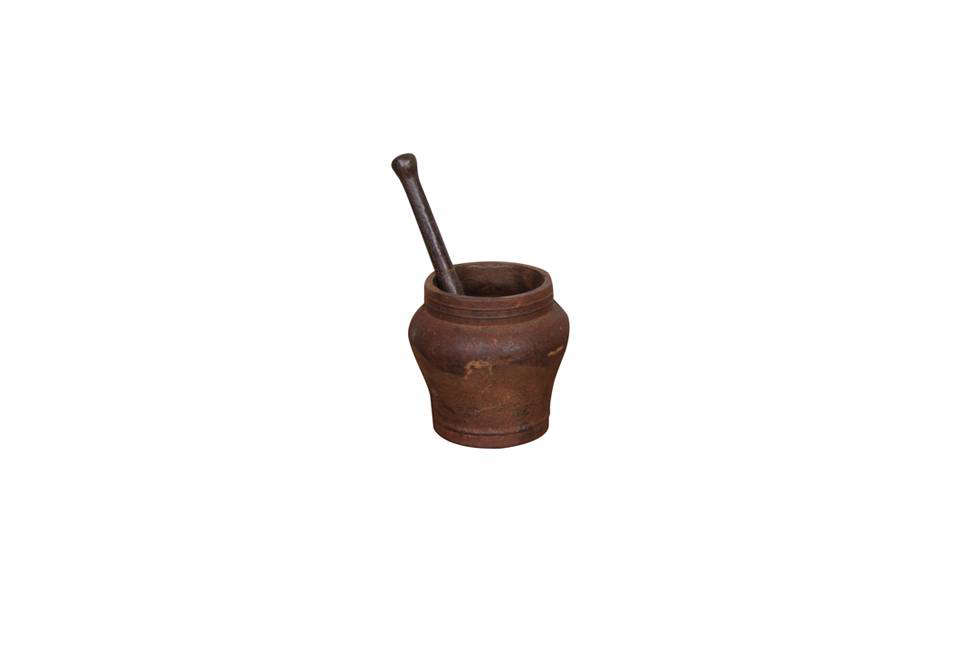
A Sarreid Vintage Mortar & Pestle is the kind of object that walks into a room quietly and still somehow manages to steal the show. It does not flash neon lights. It does not beep, sync to an app, or ask whether you want to enable notifications. It simply sits there with old-world confidence, looking like it knows three secret spice blends, two antique dealers, and one very dramatic family recipe.
For collectors, decorators, and anyone who believes a kitchen should have more personality than a refrigerator manual, a vintage mortar and pestle connected with the Sarreid design world offers an appealing mix of function, history, and decorative charm. Sarreid Ltd. is known for globally inspired furniture and accessories with European influence, artisan roots, brass accents, distinctive materials, and an “I have traveled more than your luggage” aesthetic. A vintage mortar and pestle fits naturally into that story.
This guide explores what makes a Sarreid vintage mortar and pestle desirable, how to identify quality, how to style it, whether you should actually use it in the kitchen, and what to consider before buying one. We will also cover care tips, collector value, design ideas, and real-world experiences with owning and displaying this handsome little workhorse.
What Is a Sarreid Vintage Mortar & Pestle?
A mortar and pestle is one of the oldest kitchen and apothecary tools in human history. The mortar is the bowl; the pestle is the hand-held grinder. Together, they crush, grind, bruise, and blend ingredients. Before food processors began screaming on countertops, this was how people released the aroma of herbs, spices, seeds, roots, and medicinal preparations.
A Sarreid vintage mortar and pestle generally refers to a collectible or decorative mortar-and-pestle set associated with Sarreid Ltd., Sarreid-style home accents, or the broader vintage market where Sarreid accessories, brass pieces, carved objects, and old-world decorative items are bought and sold. Because many vintage Sarreid pieces were imported or artisan-made, exact dating can vary by object. Some pieces may be clearly marked; others may be attributed through provenance, seller history, design style, or materials.
The Sarreid Design Personality
Sarreid Ltd. built its reputation around furniture and accessories that feel collected rather than manufactured. The brand’s story is tied to European travel, handcrafted traditions, imported accents, and later expansion into design categories that include brass-clad furniture, case goods, tables, cabinets, and decorative objects. In plain English: Sarreid pieces often look like they belong in a room with leather-bound books, warm lighting, and someone who says “patina” without apologizing.
That makes a mortar and pestle a logical fit. Whether brass, bronze, stone, marble, or another substantial material, the piece has the visual language Sarreid fans appreciate: weight, texture, age, craft, and a little mystery.
Why Collectors Love Sarreid Vintage Pieces
Collectors are drawn to Sarreid because the brand blends luxury with adventure. Many vintage Sarreid items do not feel like generic decor. They feel found. That is a major reason Sarreid brass chests, campaign-style furnishings, leather pieces, carved items, and decorative accessories continue to appear on curated resale platforms and in vintage furniture shops.
A vintage mortar and pestle has a similar appeal. It is small enough to fit almost anywhere, but strong enough visually to anchor a shelf, kitchen island, console table, or apothecary-style display. It also has a purpose, and purposeful decor usually ages better than trendy decor. A mortar and pestle does not look confused when styles change. It has survived centuries of changing kitchens; it can survive your next cabinet paint color.
It Has History Without Being Fussy
Some antiques make people nervous. You look at them and think, “Am I allowed to breathe near this?” A mortar and pestle feels different. It may be collectible, but it is still a tool. That practicality gives it a relaxed charm. It can be admired, handled, photographed, and styled without turning your home into a museum with snacks.
It Works in Many Interior Styles
The right Sarreid vintage mortar and pestle can work in traditional, farmhouse, rustic, Spanish revival, Mediterranean, French country, industrial, maximalist, and modern organic spaces. Brass and bronze versions bring warmth. Stone versions bring texture. Marble versions bring polish. Wood versions bring soul. If your interior needs one object that says “I have taste, but I still cook garlic,” this is a strong candidate.
Common Materials: Brass, Bronze, Stone, Marble, and Wood
The material of a mortar and pestle affects both its appearance and its use. Vintage examples may be made from brass, bronze, marble, granite, stone, ceramic, porcelain, or wood. Each material has strengths, limitations, and a different personality.
Brass and Bronze
Brass and bronze mortar-and-pestle sets are especially popular as decorative objects because they develop a warm patina over time. Bronze has a long history in apothecary and pharmacy settings, and many historic mortars were made from copper alloys. A brass or bronze piece can look elegant on a bookshelf, kitchen counter, bar cart, or entryway table.
However, vintage metal pieces should be assessed carefully before food use. Older alloys may vary, and decorative pieces may have finishes, residues, or unknown histories. If you want to grind spices for dinner, make sure the piece is clean, food-safe, and free of questionable coatings. When in doubt, use it for display and buy a modern food-safe mortar for cooking. Your cumin deserves confidence.
Stone and Granite
Stone and granite mortars are prized for their strength and grinding power. Their textured surfaces help break down spices, herbs, garlic, chiles, and seeds. These pieces tend to be heavy, stable, and practical. They also look excellent in kitchens where natural materials are part of the design.
Marble
Marble offers a smoother, more refined look. It is excellent for many kitchen tasks, especially when paired with a properly shaped pestle. Marble can be beautiful enough for open shelving but still useful enough for pesto, spice blends, and sauces. It is less rugged-looking than basalt or rough granite, so it fits well in elegant kitchens.
Wood
Wooden mortars and pestles are warm, tactile, and often visually striking. They can be great decorative pieces, especially in rustic or global-inspired interiors. For food use, wood requires careful cleaning and drying because it can absorb oils and moisture. A vintage wooden mortar is often best treated as a collectible unless its condition and food safety are fully understood.
How to Identify a Quality Sarreid Vintage Mortar & Pestle
When evaluating a Sarreid vintage mortar and pestle, do not rely on the name alone. Look at the object like a careful collector. You are not just buying a bowl and a stick. You are buying material, proportion, condition, history, and style.
Check for Markings or Labels
Some Sarreid pieces may include labels, stamps, tags, or documentation. Look for marks on the base, underside, interior, or accompanying packaging. If the seller claims Sarreid attribution, ask for clear photos of any labels or provenance. A confident seller should not react like you asked for a state secret.
Study the Material
Quality pieces usually feel substantial. Brass or bronze should have weight and a natural aging pattern. Stone should feel dense and stable. Marble should be smooth but not overly slick if intended for use. Wood should show attractive grain, not splitting that threatens the structure.
Look at the Pestle Fit
A mortar without its original pestle may still be decorative, but a matching set is more desirable. The pestle should feel comfortable in the hand and make sense with the size of the bowl. If the pestle looks too small, too new, or oddly unrelated, it may be a marriage of separate pieces. Sometimes that is fine, but the price should reflect it.
Inspect Condition Carefully
Patina is not the same as damage. Patina is attractive age. Damage is a problem wearing a vintage hat. Look for cracks, deep chips, structural repairs, unstable bases, corrosion, heavy residue, or suspicious odors. Minor surface wear can add character; major instability can turn your charming collectible into a countertop hazard.
Decorating With a Sarreid Vintage Mortar & Pestle
One of the best things about a Sarreid vintage mortar and pestle is that it does not need much help. Place it well, and it does the work. It adds texture, age, and authenticity to a room without shouting, “I was purchased during a panic scroll at 1:13 a.m.”
On a Kitchen Counter
A vintage mortar and pestle looks natural beside olive oil, cookbooks, a wooden cutting board, or a bowl of lemons. For a warm, collected kitchen, pair a brass or stone version with ceramic crocks, linen towels, and glass spice jars. The result is practical, layered, and just rustic enough to make takeout containers feel underdressed.
On Open Shelving
Open shelves need objects with shape and substance. A mortar and pestle provides both. Place it near stacked plates, small framed art, antique jars, or pottery. Avoid overcrowding the shelf. Vintage objects need a little breathing room, much like people at a family reunion.
In an Apothecary Display
Because mortars and pestles were historically used by pharmacists, herbalists, and apothecaries, they fit beautifully with old bottles, botanical prints, medical books, and labeled jars. This look works especially well in studies, libraries, powder rooms, and moody dining rooms.
On a Coffee Table or Console
A smaller mortar and pestle can become a sculptural accent. Place it on a tray with a candle, beads, vintage books, or a small plant. Brass or bronze versions are especially good for this because they catch light and add warmth.
Can You Actually Use a Vintage Mortar & Pestle?
The honest answer is: sometimes. A mortar and pestle is a functional tool, but vintage examples need caution. If the piece is made from food-safe material, has no harmful coating, is clean, and is structurally sound, it may be usable. If it is brass, bronze, painted, lacquered, heavily oxidized, or of uncertain origin, consider keeping it decorative.
For daily cooking, many chefs prefer modern granite, marble, basalt, or ceramic mortars because they are easier to evaluate for food safety. These materials also offer excellent grinding performance. Textured surfaces are especially useful for spices and pastes because they create friction. Smooth surfaces can work well for delicate sauces, depending on the recipe.
Best Kitchen Uses
If your piece is confirmed food-safe, a mortar and pestle can be used for crushing peppercorns, grinding toasted cumin, bruising herbs, making garlic paste, blending spice rubs, preparing pesto, crushing nuts, or making small batches of sauce. The flavor difference can be impressive. A blade cuts; a pestle crushes. Crushing releases oils and aromas in a way that often feels fuller and more fragrant.
When to Keep It Decorative
Use a vintage mortar and pestle for display if you are unsure about metal composition, interior residue, coatings, old repairs, or previous use. This is especially true for antique apothecary-style pieces. They may have once been used for substances you do not want anywhere near your salad dressing. Beautiful? Yes. Mystery seasoning? No, thank you.
How to Clean and Care for a Sarreid Vintage Mortar & Pestle
Cleaning depends on material. Always start gently. Vintage items reward patience and punish aggressive scrubbing. Before cleaning, remove loose dust with a soft cloth or brush.
For Brass or Bronze
Wipe with a soft dry cloth. If needed, use mild soap and water, then dry immediately and thoroughly. Avoid soaking. Avoid harsh abrasives unless you intentionally want a polished look and are sure polishing will not reduce value. Many collectors prefer natural patina because it shows age and character.
For Stone or Marble
Rinse with warm water and scrub gently with a brush or non-abrasive sponge. Dry completely before storing. Avoid leaving acidic ingredients on marble, as acid can etch the surface. If the mortar is porous, avoid heavy soap because odors can linger.
For Wood
Wipe clean and avoid soaking. Dry immediately. If used for food, keep it away from strong-smelling ingredients unless you want every future recipe to whisper “garlic.” Vintage wood should be monitored for cracks and dryness.
Buying Tips: What to Know Before You Purchase
The market for vintage Sarreid pieces includes online marketplaces, antique dealers, estate sales, design shops, and curated resale platforms. Prices can vary widely based on attribution, material, size, rarity, condition, and seller confidence.
Ask the Right Questions
Before buying, ask whether the piece is marked, whether the pestle is original, what the dimensions are, what material it is made from, whether there are cracks or repairs, and whether the seller recommends it for food use or display only. Also ask for photos in natural light. Dramatic lighting can make everything look like it came from a castle, including a dent.
Compare Similar Listings
Look at similar vintage brass, bronze, marble, and stone mortar-and-pestle sets. Compare size, condition, and style. Sarreid attribution may add interest, but the object itself must still be appealing. A strong piece should look good even before the brand name enters the conversation.
Consider Scale
A tiny mortar may be charming but less visually powerful. A large one may be dramatic but heavy. Measure your shelf, counter, or table before buying. Vintage decor is more fun when it fits somewhere other than “temporarily on the floor.”
Why the Sarreid Vintage Mortar & Pestle Works as a Gift
A Sarreid vintage mortar and pestle can make a thoughtful gift for design lovers, home cooks, collectors, newlyweds, antique enthusiasts, or anyone building a layered home. It feels more personal than a standard kitchen gadget and more lasting than another scented candle named after a weather event.
To make the gift feel complete, pair it with a small card explaining the piece, a jar of whole spices, a vintage-style cookbook, or a note recommending decorative use if food safety is unknown. Presentation matters. Wrap it carefully, because “surprise, it chipped” is not the charming vintage moment anyone ordered.
Experience Section: Living With a Sarreid Vintage Mortar & Pestle
Owning a Sarreid vintage mortar and pestle is less like owning a kitchen tool and more like adopting a small, heavy piece of design history. The first thing you notice is the presence. Even a modestly sized mortar can change the mood of a surface. Put it on a bare counter, and suddenly the counter looks intentional. Add a wooden board, a linen towel, and a few spice jars, and now your kitchen appears to have a culinary philosophy. Whether or not dinner is boxed mac and cheese is between you and the stovetop.
In real use, the experience depends heavily on material. A stone version feels grounded and practical. When grinding toasted coriander or black pepper, the sound is satisfying: a low, rough scrape that makes cooking feel ancient in the best way. A marble version feels smoother and more elegant, especially for herbs, garlic, and softer blends. A brass or bronze version, on the other hand, often feels more decorative. It may be tempting to use it immediately, but vintage metal deserves caution. If the interior finish or alloy is uncertain, it is better admired than employed.
As a decor piece, it is extremely flexible. I have seen mortar-and-pestle sets look equally at home on a farmhouse kitchen shelf, a traditional dining room console, and a modern coffee table layered with art books. The trick is contrast. If the piece is dark and heavy, place it near lighter ceramics or glass. If it is brass, let it warm up a room with black, walnut, cream, or deep green tones. If it is stone, surround it with natural textures like wood, linen, rattan, or unglazed pottery.
One practical experience worth mentioning: people will touch it. Guests are drawn to mortar-and-pestle sets. They pick up the pestle, test the weight, and say something like, “Wow, this is solid,” which is guest language for “I suddenly respect your shelf.” If the piece is fragile, rare, or not meant to be handled, place it somewhere slightly protected. If it is sturdy, let it be interactive. That tactile quality is part of the charm.
Another lesson: do not over-polish too quickly. Many vintage pieces gain beauty from patina. A brass mortar that has aged naturally can look richer and more interesting than one polished to a mirror shine. Of course, some interiors call for sparkle, and polishing may be appropriate for certain pieces. But before removing age, consider whether that age is exactly what makes the object special.
For collectors, the best experience comes from treating the piece as both object and story. Keep notes on where you bought it, what the seller said, measurements, material, markings, and any care decisions. This information helps preserve value and makes the object more meaningful. Years later, “I found this through a vintage dealer who specialized in Sarreid accessories” sounds much better than “I think it came from that one tab I never closed.”
In the end, a Sarreid vintage mortar and pestle is enjoyable because it balances usefulness and beauty. It can suggest cooking, travel, craft, history, and taste without needing a paragraph-long label. Whether you use it for spices or style it as a sculptural accent, it brings depth to a room. It is a small piece, but it has weight in every sense.
Conclusion
The Sarreid Vintage Mortar & Pestle is more than a decorative accessory. It is a compact expression of old-world design, practical heritage, and collectible charm. Its appeal comes from material honesty, visual weight, and the timeless usefulness of a tool that predates nearly every modern kitchen gadget.
Whether you choose brass, bronze, stone, marble, or wood, the key is to evaluate condition, authenticity, scale, and intended use. Some pieces are excellent for display. Others may be suitable for light kitchen work if food safety is clear. Either way, a Sarreid vintage mortar and pestle brings character to a home in a way that mass-produced decor rarely can.
If your room needs warmth, texture, history, and just a pinch of culinary drama, this little heavyweight may be exactly the piece you are looking for.













