
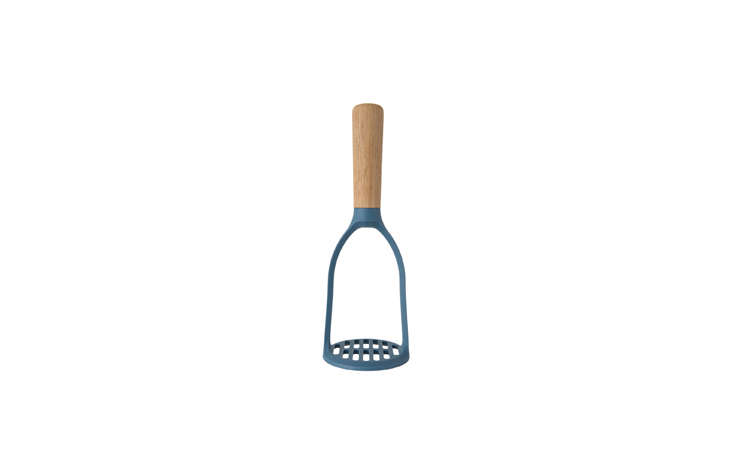
A potato masher wooden handle may look like a humble kitchen tool, but do not let its simple shape fool you. This is the kind of gadget that has quietly saved Sunday dinners, Thanksgiving side dishes, weeknight shepherd’s pies, and many a “why did I buy instant potatoes?” crisis. It is practical, sturdy, comfortable to hold, and charming enough to make your utensil crock look like it knows how to cook.
In today’s kitchens, where shiny gadgets promise to chop, blend, steam, puree, and possibly file your taxes, the wooden-handle potato masher remains refreshingly honest. It does one thing beautifully: it crushes cooked potatoes and other soft foods into the texture you want. Whether you like fluffy mashed potatoes, rustic smashed potatoes, creamy sweet potatoes, chunky guacamole, or mashed bananas for bread, this classic tool earns its drawer space.
This guide explores what makes a wooden-handle potato masher useful, how to choose one, how to clean it, what materials matter, and why old-school kitchen tools still have a place in a modern home.
What Is a Potato Masher Wooden Handle?
A potato masher wooden handle is a hand-operated kitchen utensil designed with a wooden grip and a mashing head, usually made from stainless steel, chrome-plated metal, or occasionally nylon or coated material. The handle gives the user leverage and comfort, while the bottom head presses cooked potatoes into a soft mash.
There are two common head designs: the wire masher and the perforated plate masher. A wire masher has thick metal loops or zigzag wires that break potatoes into a rustic texture. A perforated masher has a flat metal plate with holes, which pushes potatoes through evenly and often creates a smoother result. Both styles can work well, but they behave differently in the bowl.
The wooden handle is the star of the show. Unlike cold metal or slippery plastic, wood feels warm, natural, and steady in the hand. It also gives the tool a timeless look, which is why vintage potato mashers with wooden handles are still popular among collectors and home cooks who like their kitchens with a little personality.
Why Wooden Handles Still Matter in Modern Kitchens
Wooden handles are not just about nostalgia. They offer practical benefits that many cooks notice the moment they start pressing into a pot of boiled potatoes.
Comfortable Grip
Wood has a natural texture that helps prevent slipping, especially when your hands are slightly damp. A good wooden handle feels secure without needing rubber grooves, futuristic curves, or a product description that sounds like it was written by a spaceship engineer.
Natural Warmth
Metal handles can feel cold and hard. Plastic handles can become slick or look tired after repeated washing. A wooden handle feels warmer and more organic, especially during longer cooking sessions. If you are mashing several pounds of potatoes, comfort is not a luxury. It is survival.
Classic Kitchen Style
A potato masher with a wooden handle brings a farmhouse, vintage, or traditional feel to the kitchen. It looks right hanging from a rail, resting in a crock, or sitting beside a cast iron skillet. For people who love practical tools with character, it is a small but satisfying detail.
Wire Masher vs. Perforated Plate Masher
The handle matters, but the mashing head determines the final texture. Before choosing a wooden-handle potato masher, it helps to understand the difference between the two main designs.
Wire Potato Masher
A wire masher usually has a rounded or wavy metal head. It is excellent for rustic mashed potatoes, smashed root vegetables, beans, avocados, and bananas. Because the wires leave more space between them, the final mash may be chunkier. That is great if you enjoy texture and want your potatoes to taste homemade rather than whipped into submission.
Wire mashers are often easier to maneuver around curved bowls and saucepans. However, potato pieces can sometimes cling between the wires, so cleaning may require a little extra attention.
Perforated Plate Potato Masher
A perforated plate masher has a flat head with holes. When pressed into soft potatoes, the food is pushed through the holes, producing a more consistent mash. This style is useful if you want smoother potatoes without reaching for a ricer or food mill.
Perforated mashers are often efficient and sturdy, especially when working with dense vegetables like sweet potatoes, carrots, parsnips, or turnips. The trade-off is that flat heads may require a bit more effort in rounded pots unless the plate is slightly curved.
Best Uses for a Potato Masher Wooden Handle
Despite the name, a potato masher is not limited to potatoes. That would be like owning a pickup truck and only using it to carry one grocery bag. A wooden-handle masher can handle many soft foods.
Mashed Potatoes
The obvious classic. For fluffy mashed potatoes, use starchy potatoes such as russets. For creamy, buttery potatoes, Yukon Golds are a favorite because of their naturally rich texture. A wooden-handle masher gives you control, allowing you to stop before the potatoes become gluey.
Smashed Potatoes
Boil small potatoes until tender, press each one gently with the masher, drizzle with oil or butter, and roast until crisp. This is where a flat perforated masher shines because it can press potatoes evenly without turning them into mashed potato confetti.
Sweet Potatoes and Root Vegetables
Cooked sweet potatoes, carrots, rutabagas, and parsnips mash beautifully with a sturdy tool. Add butter, salt, cinnamon, maple syrup, roasted garlic, or herbs depending on whether you want cozy, savory, or “I might eat this straight from the pan” energy.
Guacamole
A potato masher makes fast work of ripe avocados. It creates a better texture than a blender because it leaves small chunks. Add lime juice, salt, cilantro, onion, jalapeño, and tomato, and suddenly the masher becomes the hero of taco night.
Beans and Lentils
Use a masher for refried beans, bean dips, lentil patties, or thick soups. It gives you a rustic texture without needing an immersion blender. Less equipment, fewer dishes, happier sink.
Bananas for Baking
Banana bread, muffins, pancakes, and baby food all benefit from quick mashing. A wooden-handle potato masher can turn ripe bananas into baking-ready softness in seconds.
How to Choose the Best Potato Masher Wooden Handle
Not every masher deserves a place in your kitchen. Some are sturdy and comfortable. Others bend under pressure like they just heard Thanksgiving dinner is for twenty people. Here is what to look for.
Choose a Strong Mashing Head
Stainless steel is the preferred material for many potato mashers because it resists rust, handles pressure, and cleans well. A thin or flimsy head may bend when pressing dense potatoes. Look for a design that feels solid where the metal joins the handle.
Check the Handle Shape
A comfortable wooden handle should fit naturally in your palm. Round handles are traditional, while slightly oval handles may offer better control. Avoid handles that are too narrow, especially if you often cook large batches. A thicker handle can reduce hand fatigue.
Look for Secure Rivets or Construction
The connection between the wooden handle and metal shaft is important. A loose handle makes mashing awkward and can become unsafe over time. Choose a masher with firm rivets, a sturdy metal collar, or a well-fitted handle.
Consider Length
A longer handle is useful when mashing in deep pots because it keeps your hand farther from steam. A shorter handle may give more control in mixing bowls. The best choice depends on how you usually cook.
Think About Storage
Some wooden-handle potato mashers have a hole at the end for hanging. This is useful if you prefer wall rails or utensil hooks. If you store tools in a drawer, make sure the head is not so wide that it starts a wrestling match with your spatulas.
How to Use a Potato Masher for Better Texture
Great mashed potatoes are not only about the tool. Technique matters. A wooden-handle potato masher gives you control, but you still need to treat the potatoes kindly.
Start With Evenly Cooked Potatoes
Cut potatoes into similar-size pieces so they cook evenly. If some pieces are undercooked while others are falling apart, the masher has to work harder, and the texture becomes inconsistent.
Drain Well
Watery potatoes make dull mashed potatoes. After boiling, drain them thoroughly. Let them sit briefly in the hot pot so extra moisture evaporates. This small step can make the final mash taste richer.
Add Warm Dairy
Warm milk, cream, or butter blends more easily into potatoes than cold dairy. Cold liquid can cool the potatoes too quickly and make mashing harder. Add gradually, mash gently, and stop when the texture looks right.
Do Not Overwork the Potatoes
Potatoes contain starch. When mashed too aggressively, especially with high-speed appliances, they can turn gummy or gluey. A hand masher helps prevent this because you control the pressure. The goal is smooth, not elastic. Potatoes should not bounce.
Cleaning and Caring for a Wooden-Handle Potato Masher
A wooden handle needs simple but proper care. The metal head may be tough, but the wood does not enjoy long soaks, dishwasher heat, or being abandoned in a sink like a forgotten shipwreck.
Hand-Wash After Use
Wash the masher with warm water, mild dish soap, and a sponge or brush. Pay attention to the connection between the handle and metal, where food can hide. Rinse well.
Dry Immediately
After washing, dry the wooden handle with a clean towel. Let the masher air-dry completely before storing. Moisture trapped around wood can lead to swelling, cracking, or mildew.
Avoid the Dishwasher
Dishwashers expose wooden handles to prolonged moisture, high heat, and harsh detergent. Over time, this can cause the wood to dry out, split, loosen, or fade. If you want the handle to last, hand-washing is the smarter route.
Condition the Wood Occasionally
If the handle looks dry, rub it lightly with food-grade mineral oil. Let it absorb, then wipe off any excess. Avoid cooking oils such as olive oil or vegetable oil because they can become sticky or rancid over time.
Vintage Potato Mashers With Wooden Handles
Vintage potato mashers are popular because they combine function with history. Many older mashers feature painted wooden handles, thick wire heads, or sturdy metal construction that has survived decades of real kitchen work.
If you buy a vintage potato masher wooden handle for display, condition is mostly about charm. A little wear can add character. If you plan to use it for food, inspect it carefully. Avoid tools with rust, flaking paint, loose handles, deep cracks, or unknown coatings. Older painted handles may not meet modern food-safety expectations, especially if paint is chipping.
For everyday cooking, a new stainless steel masher with a natural wooden handle gives you the vintage look with more confidence. For decorating, vintage mashers look wonderful in farmhouse kitchens, antique utensil collections, and rustic wall displays.
Wooden Handle vs. Plastic Handle vs. Metal Handle
Each handle material has strengths. A wooden handle offers warmth, grip, and style. A plastic or silicone handle may be dishwasher-safe and cushioned. A metal handle is durable and sleek but can be less comfortable during heavy mashing.
If you care most about low-maintenance cleaning, plastic or silicone may win. If you want timeless appearance, natural grip, and classic kitchen charm, wood is hard to beat. If you want a tool that feels like it belongs in a professional kitchen drawer, stainless steel may appeal. The best potato masher is the one you actually enjoy using.
Common Mistakes to Avoid
Using Raw or Undercooked Potatoes
A masher is not a jackhammer. Potatoes should be fully tender before mashing. If a fork does not slide in easily, keep cooking.
Mashing in a Nonstick Pan With Bare Metal
A stainless steel masher can scratch nonstick cookware. If you cook in nonstick pots, transfer the potatoes to a bowl first or use a nylon-safe masher.
Leaving the Masher Soaking
Long soaking can damage the wooden handle. Wash it soon after use, dry it well, and store it properly.
Expecting a Masher to Work Like a Ricer
A masher gives a homemade texture. A ricer creates a finer, fluffier result. Both are useful, but they are not identical. If you want perfectly smooth restaurant-style potatoes, a ricer or food mill may be better. If you want quick, hearty, delicious mashed potatoes, the wooden-handle masher is ready for duty.
Real Kitchen Experiences With a Potato Masher Wooden Handle
The first thing many people notice about a potato masher wooden handle is that it feels familiar, even if they have never owned one before. It has the same kind of kitchen comfort as a wooden spoon, a rolling pin, or a flour-dusted cutting board. Pick it up, and it seems to say, “Relax. We have mashed things before.” That confidence matters when dinner is moving fast and the potatoes are steaming like a tiny weather system.
In everyday cooking, the wooden handle makes the masher feel steady. When pressing into a pot of Yukon Gold potatoes, the handle does not feel slippery or overly hard. It gives enough grip to work through the potatoes without needing to squeeze too tightly. That is especially helpful when making a family-size batch, because mashing three pounds of potatoes can turn into an accidental forearm workout. The wooden handle softens the experience. It does not magically do the work for you, but it makes the work feel more controlled.
Another pleasant surprise is how versatile the tool becomes once it is already in your hand. After using it for mashed potatoes, it naturally ends up helping with avocado toast, black bean soup, banana muffins, and sweet potato casserole. A wire-style masher is wonderful for chunky guacamole because it leaves small pieces of avocado instead of turning everything into green pudding. A perforated masher is better when you want smooth sweet potatoes with butter and cinnamon. Either way, the wooden handle makes the tool feel less like a gadget and more like an extension of your hand.
There is also a small emotional bonus. Wooden-handle mashers often remind people of older kitchens: grandparents making dinner, holiday meals, or the kind of cooking where recipes were measured in “a little more butter” and “until it looks right.” That nostalgic feeling does not make the potatoes taste better by itself, but it does make cooking feel warmer. And frankly, warm feelings pair nicely with warm carbs.
The only real lesson is care. A wooden handle rewards you when you treat it properly. Wash it by hand, dry it right away, and do not let it lounge in the sink overnight like it is on vacation. Over time, the handle may darken slightly or develop a smoother patina. That is not a flaw; it is part of the charm. A well-used wooden-handle potato masher becomes one of those tools you reach for without thinking. It is simple, reliable, and always ready to turn a pot of plain boiled potatoes into something worth passing around the table.
Conclusion
A potato masher wooden handle is proof that a kitchen tool does not need Bluetooth, batteries, or a dramatic unboxing video to be useful. It combines comfort, control, durability, and classic style in one practical utensil. Whether you choose a wire head for rustic texture or a perforated plate for smoother results, the wooden handle adds warmth and grip that many cooks appreciate.
For best results, choose a sturdy stainless steel head, look for a comfortable wooden grip, avoid the dishwasher, and use gentle pressure when mashing potatoes. With proper care, this simple tool can last for years and help with far more than mashed potatoes. It can handle avocados, bananas, beans, sweet potatoes, root vegetables, and plenty of kitchen improvisation.
Note: This article is written for general kitchen education and practical buying guidance. Always follow the manufacturer’s care instructions for your specific utensil.














