
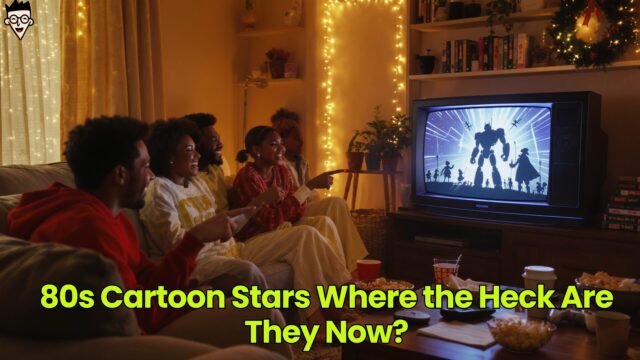
If you grew up in the 1980s, Saturday morning was not merely a time of day. It was a sacred national event involving cereal, pajamas, and the kind of laser-focused television loyalty usually reserved for moon landings and championship games. The stars were not always human. Some were blue, some were robotic, some were bears with emotional weather reports on their bellies, and some were turtles who made pizza seem like a complete food group.
So, where the heck are those 80s cartoon stars now? Did they retire to a beachfront condo in syndication? Are they still fighting evil? Did they finally update their hair? The answer is surprisingly exciting: many of the biggest 80s cartoon characters are still alive in movies, streaming shows, collectibles, comics, video games, and the nostalgia-powered hearts of adults who still remember every theme song but somehow forget why they walked into the kitchen.
This guide takes a fun, fact-based look at the most beloved 80s cartoon stars and how they have evolved. Some have become massive multimedia franchises. Some returned with modern reboots. Some are quietly waiting for their next comeback like a villain in a suspiciously smoky cave. Let’s rewind the VHS tape and check in.
The Quick “Where Are They Now?” Snapshot
| 80s Cartoon Star | Original Fame | Where They Are Now |
|---|---|---|
| He-Man | He-Man and the Masters of the Universe | Still defending Eternia through modern animated series, collectibles, comics, and nostalgia merchandise. |
| She-Ra | She-Ra: Princess of Power | Reimagined for a new generation through an acclaimed modern reboot and anniversary merchandise. |
| Teenage Mutant Ninja Turtles | 1987 animated series | Still huge, with new shows, movies, comics, toys, and a major theatrical future. |
| Optimus Prime | The Transformers | A global blockbuster icon with new animated films, toys, and 40th anniversary releases. |
| Scrooge McDuck | DuckTales | Revived in a popular Disney reboot and still cherished as adventure-comedy royalty. |
| Garfield | Garfield and Friends | Still eating lasagna on the big screen, in streaming, and across merchandise. |
| Care Bears | The Care Bears | Thriving through modern shows, plush toys, fashion collaborations, and emotional comfort branding. |
| Jem | Jem and the Holograms | Celebrating a 40th anniversary with music, collectibles, and new comics. |
He-Man: Still Has the Power, Still Needs a Shirt Budget
He-Man was the muscle-bound monarch of 80s fantasy cartoons. With a magic sword, a tiger with better armor than most medieval armies, and the ability to shout “I have the power!” like a gym membership commercial, he became one of the decade’s defining animated heroes.
Today, He-Man has not exactly faded into Castle Grayskull retirement. The Masters of the Universe brand has continued through animated revivals, comic books, collector toys, and high-end nostalgia products. Netflix brought the franchise back into mainstream conversation with Masters of the Universe: Revelation and Masters of the Universe: Revolution, which leaned into the mythology of Eternia while giving longtime fans updated animation and bigger story arcs.
He-Man’s modern appeal comes from a mix of sincere heroism and glorious absurdity. He represents old-school fantasy with zero irony: swords, sorcery, skeleton villains, and dialogue that sounds like it was carved into a mountain. In a pop culture world full of complicated antiheroes, He-Man is still refreshingly straightforward. Bad guy? Stop him. Friend in danger? Save them. Evil skull wizard causing problems? Tuesday.
She-Ra: From 80s Princess Power to Modern Icon
She-Ra began as He-Man’s heroic twin sister, but she quickly earned her own spotlight. The original She-Ra: Princess of Power gave 80s kids a fantasy heroine with a sword, a mission, and hair so majestic it probably needed its own union representative.
Decades later, She-Ra and the Princesses of Power reintroduced Adora to modern audiences with deeper character development, stronger emotional stakes, and a fresh visual style. The reboot became especially popular for its themes of identity, friendship, chosen family, leadership, and emotional growth. In other words, She-Ra went from “cool sword princess” to “complex hero carrying an entire generation’s feelings in a cape.”
She-Ra’s current place in pop culture is powerful because she bridges two fan communities: adults who remember the original Filmation era and younger viewers who discovered Etheria through streaming. Anniversary collectibles and ongoing fan enthusiasm prove that She-Ra is not just a nostalgic side character. She is a major fantasy figure with lasting cultural weight.
Teenage Mutant Ninja Turtles: Still Fighting, Still Ordering Extra Cheese
The Teenage Mutant Ninja Turtles might be the most successful argument ever made for combining reptiles, martial arts, and New York pizza. Leonardo, Donatello, Raphael, and Michelangelo exploded from underground comics into a 1987 animated series that became a merchandise tsunami. Kids wanted the toys, the lunchboxes, the video games, and possibly a sewer lair, though parents generally rejected that last request.
Today, the Turtles are not just surviving; they are doing backflips across every platform available. Teenage Mutant Ninja Turtles: Mutant Mayhem gave the franchise a fresh animated look, a teen-centered voice, and renewed theatrical energy. Tales of the Teenage Mutant Ninja Turtles continued the momentum on streaming, while comics and games keep expanding the universe.
What makes TMNT so durable is flexibility. The franchise can be goofy, gritty, heartfelt, street-level, cosmic, or all of the above in a single episode. The Turtles can sell action figures to kids and limited-edition collectibles to adults who swear they are “investing.” Cowabunga, apparently, is recession-resistant.
Optimus Prime and the Transformers: More Than Meets the 401(k)
When The Transformers arrived in 1984, it changed the way kids looked at trucks forever. Suddenly, every vehicle might be a noble alien robot. Optimus Prime became the ultimate leader: calm, brave, deeply moral, and voiced with enough gravitas to make a grocery list sound like a battlefield speech.
The Transformers franchise has become one of the strongest 80s cartoon survivors. It has grown through animated shows, blockbuster live-action films, comics, video games, and collector-grade toys that can cost more than an actual used bicycle. The 2024 animated movie Transformers One revisited the early relationship between Optimus Prime and Megatron, proving there is still serious storytelling mileage in Cybertron’s history.
Optimus Prime remains popular because he is a rare kind of hero: powerful without being cruel, serious without being boring, and noble without constantly reminding everyone how noble he is. Also, he turns into a truck. That helps.
DuckTales: Scrooge McDuck Still Knows the Value of a Good Adventure
DuckTales gave the 80s one of its most memorable theme songs and turned Scrooge McDuck into an adventure icon. The original series blended treasure hunts, family comedy, globetrotting chaos, and enough gold coins to make basic diving safety an urgent concern.
Disney successfully revived the franchise with the 2017 DuckTales reboot, which ran through 2021 and introduced a sharper, character-rich version of Scrooge, Huey, Dewey, Louie, Webby, Donald, and the extended Disney Afternoon universe. The reboot was not just a nostalgia copy machine. It expanded backstories, deepened relationships, and treated the original with affectionate intelligence.
Where is Scrooge now? Still perched proudly in Disney’s vault of beloved characters. The reboot may have ended, but its influence remains strong among fans who appreciated its balance of humor, lore, and emotional payoff. Plus, “Woo-oo!” still activates a specific part of the brain that controls joy.
Garfield: Still Lazy, Still Hungry, Still Winning
Garfield was not built like a traditional cartoon hero. He did not save planets, command armies, or transform into anything. He hated Mondays, loved lasagna, bullied a dog, and treated exercise like a personal insult. Naturally, America adored him.
After dominating comic strips and starring in Garfield and Friends, the orange cat continued through television specials, animated series, merchandise, memes, and feature films. The Garfield Movie brought the character back to theaters in 2024 with Chris Pratt voicing Garfield and Samuel L. Jackson voicing his father, Vic. That sentence alone sounds like something produced by a pop culture blender, but it happened.
Garfield’s staying power comes from his simplicity. He is the patron saint of low motivation. In an age of productivity hacks, cold plunges, and people waking up at 4:30 a.m. to journal near a kettlebell, Garfield remains heroic because he says, “No thanks, I will be horizontal.” Honestly, respect.
The Smurfs: Still Blue, Still Tiny, Still Somehow Everywhere
The Smurfs were already famous before the 80s, but the long-running Hanna-Barbera cartoon made them Saturday morning staples in the United States. Papa Smurf, Smurfette, Brainy, Clumsy, Hefty, and the rest lived in mushroom houses, used “smurf” as every part of speech, and spent an alarming amount of time avoiding Gargamel.
Today, the Smurfs remain active through modern CGI animation, streaming, theatrical movies, and merchandise. A newer animated series brought them back for current young audiences, while recent movie projects have kept the brand visible in family entertainment.
Their secret is visual clarity. You see a small blue character in a white hat, and you instantly know the franchise. That kind of recognition is marketing gold. Also, the Smurfs have achieved what few fictional communities can claim: they made living in fungus-based architecture look charming.
Care Bears: Emotional Support Icons Before It Was Cool
The Care Bears were basically emotional intelligence with belly badges. Long before “self-care” became a hashtag, these colorful bears were teaching kindness, empathy, sharing, courage, and the importance of beaming feelings out of your abdomen when necessary.
The brand has remained surprisingly strong. Care Bears: Unlock the Magic introduced the bears to modern children, while plush toys, anniversary releases, fashion collaborations, and lifestyle products keep them relevant for adults who want nostalgia with a soft, huggable surface.
The Care Bears work today because their message aged well. The world is loud, fast, and occasionally held together with duct tape and caffeine. A cheerful bear reminding people to care is not corny anymore. It is practically emergency infrastructure.
Jem and the Holograms: Still Truly, Truly, Truly Outrageous
Jem was one of the most stylish cartoons of the 80s. The series followed Jerrica Benton, who used holographic technology to become pop star Jem, lead singer of Jem and the Holograms. It combined music, fashion, melodrama, secret identities, and rival band chaos. Basically, it was a glitter cannon aimed directly at Saturday morning television.
Jem’s modern journey has included comics, collectibles, anniversary music releases, and renewed attention from fans who appreciate the show’s blend of pop fantasy and female-led storytelling. Recent anniversary activity has brought the original music back into the spotlight, while new publishing plans suggest Jem still has stage lights ahead.
The reason Jem still resonates is simple: the concept remains fantastic. A young woman balancing responsibility, creativity, fame, friendship, and secret technology? That is not outdated. That is a streaming pitch waiting for the right neon jacket.
Inspector Gadget: Go-Go Gadget Nostalgia
Inspector Gadget was both a detective and a walking product recall. He had extendable limbs, helicopter blades, spring legs, mystery tools, and almost no awareness of what was happening around him. Fortunately, Penny and Brain did the real work while Gadget wandered through danger with the confidence of a man who had never read an instruction manual.
The franchise returned with a CGI reboot in the 2010s, bringing Dr. Claw, M.A.D., Penny, Brain, and Gadget’s chaotic gadgetry to a new audience. While Inspector Gadget is not as constantly visible as the Turtles or Transformers, the character remains deeply recognizable. His catchphrases, theme music, and absurd body-based technology still live rent-free in pop culture memory.
Modern audiences may understand Gadget even better than 80s kids did. He is basically every person who owns too many smart devices and still cannot get the printer to work.
ThunderCats: Lion-O Is Waiting for the Right Roar
ThunderCats had one of the most dramatic vibes of any 80s cartoon. Lion-O, Cheetara, Panthro, Tygra, Snarf, and the Sword of Omens gave kids science fantasy with big music, big villains, and big hair. Mumm-Ra was terrifying in exactly the way 80s villains were allowed to be terrifying before cartoons became more careful about nightmares.
The franchise has returned a few times, including a more serious 2011 reboot and the comedic ThunderCats Roar in 2020. Fan reaction has been mixed because ThunderCats fans tend to have strong feelings about tone. Some want epic fantasy. Some accept comedy. Some want Panthro to be treated with the solemn respect of a Shakespearean general.
Where are the ThunderCats now? Not gone, but waiting. The brand still has name recognition, collector interest, and enough mythological material for a serious revival. If Hollywood can reboot everything else, there is no reason Lion-O cannot thunder, thunder, thunder back again.
My Little Pony: Friendship Outgrew the Stable
My Little Pony began as a toy line and became an 80s animated presence through specials, films, and series. The original pastel ponies built a world of magic, friendship, and brushable hair that somehow always became tangled within minutes of opening the package.
The franchise later exploded far beyond its original audience, especially through My Little Pony: Friendship Is Magic and newer generations such as Make Your Mark. The brand has celebrated major anniversaries, returned through retro-style toys, and remains a major example of how 80s properties can reinvent themselves without losing their core identity.
My Little Pony endures because the central message is clean and adaptable: friendship matters. That works in 1986, 2016, and probably in 2086 when hologram ponies teach children empathy on Mars.
Why 80s Cartoon Stars Keep Coming Back
They Were Built Around Big, Simple Ideas
The strongest 80s cartoons had concepts a child could explain in ten seconds. Robot trucks fight evil robot planes. Turtles know karate and eat pizza. A prince lifts a sword and becomes a warrior. A lazy cat hates Mondays. That clarity makes these brands easy to revive because the basic appeal never needs a user manual.
They Came With Built-In Worlds
Many 80s cartoons were designed around expansive universes. Eternia, Cybertron, Duckburg, Care-a-Lot, and the sewers of New York all offered settings that could support toys, stories, villains, vehicles, side characters, and endless childhood arguments over who got to be the leader.
Nostalgia Became a Business Model
The children who watched these cartoons are now adults with streaming subscriptions, children of their own, and occasionally questionable spending habits in the collectible aisle. Studios know this. Toy companies know this. That is why retro packaging, anniversary figures, reboot series, and “premium collector editions” exist. Nostalgia is not just a feeling. It is a very shiny shopping cart.
Modern Creators Grew Up Loving Them
Many of today’s animators, writers, directors, and designers were raised on these shows. When they revive an 80s property, they often bring affection plus craft. The best reboots do not simply copy old episodes. They ask what made the original work and then rebuild it for new audiences.
What Today’s Reboots Get Rightand Sometimes Wrong
The best modern versions respect the emotional memory of the original without being trapped by it. DuckTales worked because it deepened the characters. She-Ra and the Princesses of Power worked because it found a powerful emotional core. Mutant Mayhem worked because it remembered the Turtles are teenagers, not just action figures with catchphrases.
Where reboots stumble is usually tone. Fans do not always reject change, but they do reject change that feels careless. If a franchise known for epic adventure returns as pure parody, longtime viewers may feel like their childhood got hit with a foam hammer. On the other hand, if a reboot treats old silliness too seriously, it can feel like a tax seminar wearing a superhero cape.
The sweet spot is balance: modern pacing, better writing, inclusive storytelling, updated animation, and enough classic flavor to make older fans point at the screen like Leonardo DiCaprio in that meme.
Experience: What It Feels Like Revisiting 80s Cartoon Stars Today
Rewatching 80s cartoons as an adult is a strange and wonderful experience. As a kid, you watched He-Man raise his sword and thought, “This is the greatest moment in human history.” As an adult, you may think, “Why does nobody recognize Prince Adam after he gets a tan and changes outfits?” But that is part of the fun. These shows were not designed to survive courtroom-level logic. They were designed to make imagination run at full speed before breakfast.
The first thing you notice is the music. Those theme songs were weapons-grade catchy. DuckTales can still hijack your brain in three seconds. Teenage Mutant Ninja Turtles still makes pizza sound heroic. Inspector Gadget still has one of the most instantly recognizable melodies in cartoon history. Modern shows may have cleaner animation and more polished scripts, but 80s theme songs had the confidence of a marching band entering a small kitchen.
The second thing you notice is how much these cartoons shaped play. Kids did not just watch the shows; they continued them on bedroom floors, playgrounds, and back seats during long car rides. A plastic sword became the Sword of Power. A cardboard box became the Technodrome. A couch became a dangerous mountain. The family dog, whether interested or not, became Battle Cat, Brain, or a suspicious villain. These characters were invitations to create.
Watching them now can also reveal how comforting they were. The plots were often simple: evil shows up, heroes gather, lessons are learned, and good wins before lunch. That structure can feel almost luxurious today. In a world where entertainment often demands emotional endurance, 80s cartoons offer bright colors, clear stakes, and villains who announce their plans loudly enough for everyone to prepare.
Sharing these characters with younger viewers is another kind of joy. A child may not care that a show came from 1984 or 1987. They care whether the character is funny, brave, weird, colorful, or cool. That is when you realize which stars truly lasted. The Turtles still work because brothers arguing over pizza is timeless. Garfield still works because laziness is universal. The Care Bears still work because kindness does not expire. Transformers still work because robots turning into vehicles remains objectively awesome.
The best part of revisiting 80s cartoon stars is discovering that nostalgia is not only about wanting the past back. It is about recognizing the stories that helped build your sense of fun. These cartoons were loud, odd, commercial, heartfelt, ridiculous, and occasionally held together with recycled animation. Yet they gave millions of kids heroes, jokes, songs, toys, and entire imaginary worlds. That is not a small legacy. That is Saturday morning magic with syndication rights.
Conclusion: The 80s Cartoon Stars Never Really Left
So, where the heck are 80s cartoon stars now? The honest answer is: everywhere. They are on streaming platforms, in theaters, in comic shops, in toy aisles, on collector shelves, in memes, in anniversary albums, and in the memories of adults who can still identify a theme song from one drumbeat.
Some, like the Teenage Mutant Ninja Turtles and Transformers, became entertainment empires. Others, like Jem, She-Ra, and the Care Bears, found renewed life through modern fans and anniversary projects. A few, like ThunderCats, are waiting for the perfect comeback. But none of them are truly gone.
The 80s gave us cartoons that were colorful, catchy, highly merchandised, and often completely bananas. Yet the best of them had something real underneath: friendship, courage, loyalty, imagination, humor, and the belief that a talking cat, a robot truck, or a turtle with nunchucks could make your weekend better. Decades later, they still can.
SEO Tags
Note: This article is written in original American English, based on real franchise history, modern releases, official brand activity, and widely reported entertainment updates, with no copied source text or unnecessary citation placeholders.














