
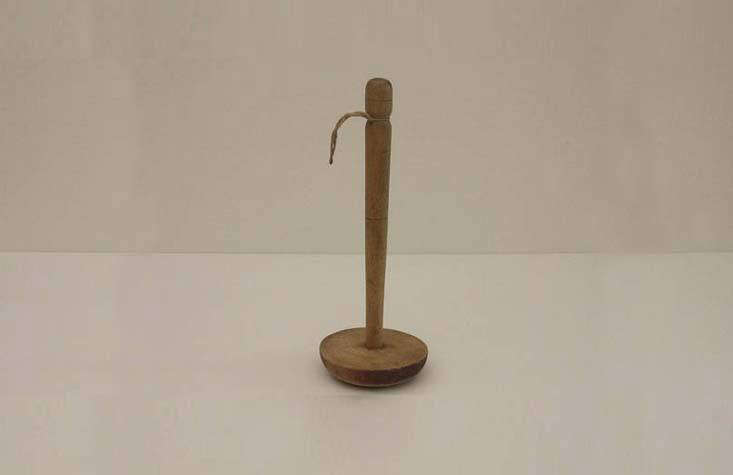
A French primitive large wooden potato masher may sound like a humble kitchen tool, but give it a second look and it starts acting suspiciously like a piece of folk art. It is simple, sturdy, hand-friendly, and usually shaped with the practical confidence of something made to do one job without applying for applause. In old rural kitchens, this kind of wooden masher was not a decorative prop waiting for a farmhouse influencer to discover it. It was a working tool, the kind that helped turn boiled potatoes, root vegetables, beans, or cooked fruit into hearty food for hungry people.
Today, the charm of an antique French wooden potato masher lies in that exact honesty. No chrome gadgetry. No collapsible handle. No tiny instruction booklet printed in eight languages. Just wood, time, use, and a shape that says, “I have survived more dinners than your nonstick pan ever will.” For collectors, decorators, and lovers of French country style, these mashers bring texture, warmth, and history into a space without shouting for attention.
This guide explores what makes a French primitive large wooden potato masher special, how to identify one, why it matters in farmhouse decor, how to care for it, and how to style it without making your kitchen look like a museum exhibit that accidentally serves coffee.
What Is a French Primitive Large Wooden Potato Masher?
A French primitive large wooden potato masher is typically a hand-carved or hand-turned wooden kitchen implement used for mashing cooked food. Unlike the modern wire-grid potato masher most people know, this older style often looks more like a broad pestle, tamper, or wooden pounding tool. It may have a long handle, a rounded grip, and a wider flat or slightly convex base designed to press food against the bottom of a bowl, pot, or crock.
The word “primitive” does not mean crude in a negative sense. In antique and collecting language, primitive often refers to simple, handmade, rural, utilitarian objects. These pieces were built for function before decoration. Their beauty comes from proportion, wear, patina, and the quiet evidence of human hands. A primitive wooden masher may show tool marks, uneven curves, a darkened surface, old dents, or a softened handle polished by repeated use.
In French country kitchens, wooden utensils were part of everyday domestic life. Wooden spoons, rolling pins, bowls, pestles, butter paddles, and mashers belonged to the same practical family. Many were made from local hardwoods and shaped by village craftsmen, farmers, or skilled household members. Because these objects were used constantly, surviving examples feel personal. They are not just “old things”; they are old things that had a job.
Why the Potato Masher Became a French Kitchen Essential
To appreciate a French wooden potato masher, it helps to appreciate the potato’s place in French food history. Potatoes did not instantly become the beloved comfort food they are today. In Europe, the potato arrived from the Americas and gradually moved from curiosity to staple. In France, the crop became closely associated with Antoine-Augustin Parmentier, the pharmacist and agricultural promoter who helped change public attitudes toward potatoes in the 18th century.
Once potatoes gained acceptance, they became a reliable ingredient for soups, gratins, purées, stews, and rustic household dishes. A masher was useful not only for potatoes but also for carrots, turnips, parsnips, chestnuts, beans, apples, and other soft foods. In a farmhouse kitchen, versatility mattered. A tool that could mash yesterday’s root vegetables into today’s dinner had real value. It was the old-world version of meal prep, except with fewer plastic containers and more forearm strength.
French cooking has long valued texture. A smooth purée has elegance, but rustic mashed vegetables have personality. A large wooden masher creates a different result from a modern ricer or electric mixer. It presses rather than whips. It leaves body, substance, and the occasional small lump that politely reminds you dinner did not come from a pouch.
The Beauty of Treen: When Wooden Tools Become Collectible
Antique wooden household objects are often discussed under the broader category of treen or treenware. Treen refers to small functional wooden objects made for domestic, farm, or trade use. Bowls, spoons, ladles, rolling pins, butter molds, scoops, and mashers can all fall into this world. What collectors love about treen is its tactile quality. Wood records touch. Over decades, a handle becomes smooth where fingers held it. The base darkens where it met food, water, and work. Edges soften. Surface color deepens.
That surface depth is called patina, and in primitive antiques, patina is practically the main character. A good patina cannot be rushed, sprayed on, or faked convincingly with a weekend craft project and too much enthusiasm. It develops through age, handling, oxidation, cleaning, drying, and use. On a French primitive large wooden potato masher, patina may appear as warm honey brown, smoky walnut, deep chestnut, or almost blackened areas near the working end.
Collectors often value pieces that show honest wear without severe damage. A small nick can add character. A stable age crack may be acceptable for display. Active insect damage, severe splitting, mold, or a loose handle can reduce both value and safety. In other words, charmingly imperfect is good; “this may crumble if I sneeze” is less ideal.
How to Identify an Antique French Wooden Potato Masher
Identification is part research, part observation, and part developing an eye for old surfaces. Because many primitive wooden tools were unsigned, there may be no maker’s mark, date, or tidy label saying, “Bonjour, I mashed potatoes in 1890.” Instead, you look at form, material, wear, and context.
1. Shape and Function
A large wooden potato masher usually has a handle that fits the hand and a heavier working end for pressing. Some examples look like oversized pestles. Others have a mushroom-shaped base, a cylindrical pounding end, or a flattened round foot. The base may be broad enough to mash soft vegetables in a bowl or crock. If the object looks like it was meant to be pushed downward rather than swung, it is more likely a masher or pestle than a mallet.
2. Wood and Construction
Many older wooden mashers were made from a single piece of hardwood. Single-piece construction is desirable because it is strong and simple. Look for grain continuity between handle and base. If the handle is inserted separately, that does not automatically mean it is modern, but it changes how you evaluate the piece. French rural tools may use fruitwood, beech, walnut, ash, or other local woods, depending on region and maker.
3. Tool Marks
Handmade and hand-turned pieces may show subtle irregularities. You might notice lathe rings, carving marks, uneven symmetry, or small variations in the curve. These details help distinguish an older handmade object from a mass-produced decorative reproduction. However, tool marks alone do not prove age. Modern makers can create rustic-looking pieces too, sometimes with impressive theatrical flair.
4. Patina and Wear
Authentic wear usually appears where use naturally happened: the grip, the base, and the lower shaft. A handle may be smoother than protected areas. The mashing end may be darker or more worn. Random sanding scratches, uniform staining, or artificially distressed dents can be clues that a piece is newer. Real age tends to look layered, not painted on like a costume mustache.
French Primitive Style in Modern Decor
The French primitive look is warm, rustic, and quietly elegant. It differs from overly polished French country decor because it leans into utility and restraint. A large wooden potato masher fits beautifully into kitchens with stone, linen, copper, iron, pottery, cutting boards, open shelving, and aged wood. It can soften a modern kitchen by adding a human, handmade note.
One of the easiest ways to display a French wooden masher is in a crock with other antique utensils. Pair it with wooden spoons, a rolling pin, a bread paddle, or a whisk broom. Another option is to place it horizontally on an open shelf beside old stoneware bowls. If the masher has a strong sculptural shape, let it stand alone. Not every antique needs a committee meeting around it.
For wall decor, some collectors mount primitive kitchen tools in a vertical arrangement. This works especially well in breakfast nooks, pantry walls, or above a farmhouse worktable. The key is breathing room. If every inch of wall is covered with antique tools, the kitchen may begin to look like it is preparing for a very specific medieval cooking competition.
Can You Still Use an Antique Wooden Potato Masher?
Possibly, but caution is smart. Antique kitchen tools were made to be used, yet age changes wood. Cracks, open grain, old residues, insect holes, and unknown finishes can make food contact questionable. If you plan to use an antique French wooden potato masher with food, inspect it carefully. The surface should be sound, smooth, clean, and free from flaking finish, odor, mold, or active damage.
For many collectors, display is the better choice. A modern food-safe wooden masher can handle dinner duty, while the antique one enjoys retirement in a crock like a respected elder who has already mashed enough potatoes for several lifetimes. If you do use an old wooden tool, wash it by hand with mild soap and warm water, dry it promptly, and never put it in the dishwasher. Long soaking can cause wood to swell, crack, or warp.
Food-grade mineral oil may help maintain modern wooden utensils, but antique pieces should be treated carefully. Before oiling an old masher, consider whether it has historical surface value. Heavy oiling can alter color and sheen. For valuable antiques, consult a knowledgeable dealer or conservator before doing anything dramatic. The goal is preservation, not turning a 19th-century kitchen tool into a salad spoon auditioning for a glossy catalog.
What Affects Value?
The value of a French primitive large wooden potato masher depends on age, condition, size, form, surface, provenance, and visual appeal. A plain but genuinely old masher with beautiful patina may be more desirable than a newer piece with exaggerated distressing. Large scale can also increase decorative value because oversized tools display well in farmhouse interiors.
Collectors look for balance and authenticity. Is the shape pleasing? Does the wear make sense? Is the surface original? Is the wood stable? Does the piece feel like a working object rather than a staged imitation? Provenance can help, especially if a dealer can confirm it was sourced in France or came from a specific region. Still, many rural wooden tools traveled without paperwork. Sometimes the best evidence is the object itself.
Market prices vary widely. Small vintage wooden mashers may be affordable, while larger antique French examples with strong form and deep patina can command higher prices. Decorative demand also matters. When farmhouse, French country, cottage, and wabi-sabi interiors are popular, rustic wooden tools tend to get more attention. Apparently, potatoes are not the only things that rise when conditions are right.
How to Style a French Primitive Large Wooden Potato Masher
In a Farmhouse Kitchen
Place the masher in an old ceramic crock with wooden spoons and ladles. Add a linen towel nearby and a stack of worn cutting boards behind it. This creates a layered look that feels collected rather than purchased in one frantic afternoon.
On Open Shelving
Lay the masher across a shelf in front of stoneware bowls, ironstone plates, or copper cookware. The contrast between rough wood and smooth ceramics adds visual interest. A single large masher can act as a horizontal anchor in a shelf arrangement.
As Table Decor
For a rustic dinner setting, use the masher as part of a centerpiece with herbs, small potatoes, linen napkins, and a wooden bowl. Do not place it where guests must move it to reach the bread. Antique charm is wonderful; blocking the carbohydrates is not hospitality.
In a Collection
If you collect treenware, group the masher with related objects such as butter molds, scoops, breadboards, and pestles. Vary height and shape. Too many similar pieces lined up in a row can look less like a collection and more like a very patient wooden army.
Buying Tips for Collectors
When buying a French primitive wooden potato masher, ask for clear photos of all sides, including the base, handle, top, and any cracks or holes. Check dimensions carefully. The word “large” can mean different things depending on the seller. A masher that looks dramatic in a close-up photo may turn out to be the size of a soup spoon with big ambitions.
Read descriptions closely. Terms like antique, vintage, primitive, rustic, French country, and farmhouse are sometimes used broadly. A piece described as “French style” may not actually be from France. That does not make it unattractive, but it matters if origin is important to you. Look for sellers who mention sourcing, age estimates, condition, and material honestly.
Avoid pieces with severe structural weakness unless you want them purely for display and the price reflects the condition. Watch for powdery holes that may suggest old insect activity. Some inactive wormholes are common in antique wood, but active infestation is a different situation. Also be cautious with strong chemical smells, glossy modern finishes, or suspiciously uniform “old” coloring.
Care and Preservation
For display pieces, dust gently with a soft cloth. Keep antique wooden mashers away from extreme humidity, direct heat, and long exposure to strong sunlight. Wood expands and contracts with moisture changes, and antique wood deserves a calm environment. Think less “spa day” and more “comfortable retirement cottage.”
Do not scrub aggressively. Do not bleach. Do not sand away patina. Patina is part of the value and story. If the masher is dirty, use the least invasive cleaning method possible. A dry brush or slightly damp cloth may be enough. Let it dry fully before placing it back in a crock or on a shelf.
If the piece has sentimental or high market value, avoid amateur restoration. A crack, old repair, or darkened surface may be historically meaningful. Over-restoration can erase the qualities collectors appreciate most. With primitive antiques, perfection is not the goal. Character is.
Experience Notes: Living With a French Primitive Large Wooden Potato Masher
The first thing you notice when handling a French primitive large wooden potato masher is its weight. Not necessarily heavy like a gym dumbbell, but substantial enough to remind you that old kitchen tools were built for repeated work. The handle usually sits naturally in the palm. The base feels grounded. There is a quiet logic to the design: press downward, turn slightly, repeat. No batteries. No attachments. No Bluetooth connection to tell your phone that your potatoes are emotionally ready.
In a real kitchen setting, even as decor, the masher changes the mood of the room. A modern countertop can feel cleaner and warmer when an old wooden tool is nearby. It adds contrast to stainless steel, painted cabinets, marble, tile, and glass. Visitors often ask about it because it does not look like a generic decoration. It has mystery. Some people guess it is a pestle. Others think it is a small mallet. Someone will eventually ask if it is for making butter, and honestly, that guess is not embarrassing. Many old wooden food tools share similar forms because pressing, pounding, stirring, and tamping all belong to the same practical family.
One enjoyable way to experience the piece is to compare it with modern kitchen tools. Hold a stainless-steel masher in one hand and the old wooden masher in the other. The modern tool feels engineered for efficiency. The antique one feels designed by repetition. Its shape was not created in a boardroom; it was refined by use. The person who made it probably cared less about branding and more about whether it could survive dinner.
As a decorative object, it works best when it is allowed to look useful. Do not over-style it with too many delicate accessories. Pair it with honest materials: a stoneware crock, linen towel, old cutting board, copper pot, or simple wooden bowl. The masher carries enough character on its own. It does not need fairy lights, glitter, or a tiny chalkboard sign reading “Mash Happens,” although the temptation is understandable.
For collectors, the most rewarding experience is learning to see the details. The small flattened area on the base. The darker thumb mark on the handle. The uneven curve that suggests handwork. The tiny dents that record decades of use. These features make each antique French wooden masher different. Two may share the same purpose, but no two age in exactly the same way.
The piece also invites a slower relationship with household objects. In a world where many kitchen gadgets are replaced the moment a newer model appears, a primitive wooden masher reminds us that good design can be almost invisible. It does not perform tricks. It simply works, lasts, and becomes more beautiful through use. That is why people continue to collect them. A French primitive large wooden potato masher is not just about potatoes. It is about craft, memory, rural life, and the pleasure of owning something that has already proven itself useful for generations.
Conclusion
A French primitive large wooden potato masher is more than an old kitchen utensil. It is a small piece of domestic history shaped by hand, use, and time. Its appeal comes from honest materials, practical design, and the warm patina that only age can create. Whether displayed in a French country kitchen, added to a treenware collection, or admired as folk art, it brings quiet character into the home.
For buyers and collectors, the best examples are stable, well-proportioned, naturally worn, and visually expressive. Look for genuine surface depth, sensible wear, and a form that feels connected to real work. Treat antique wooden tools gently, avoid unnecessary restoration, and remember that their imperfections are often the very reason they are worth keeping.
In the end, this humble masher proves that beauty does not always arrive polished, packaged, and perfect. Sometimes it arrives as a large wooden tool from a rural French kitchen, carrying the memory of meals, hands, and many determined potatoes.













