
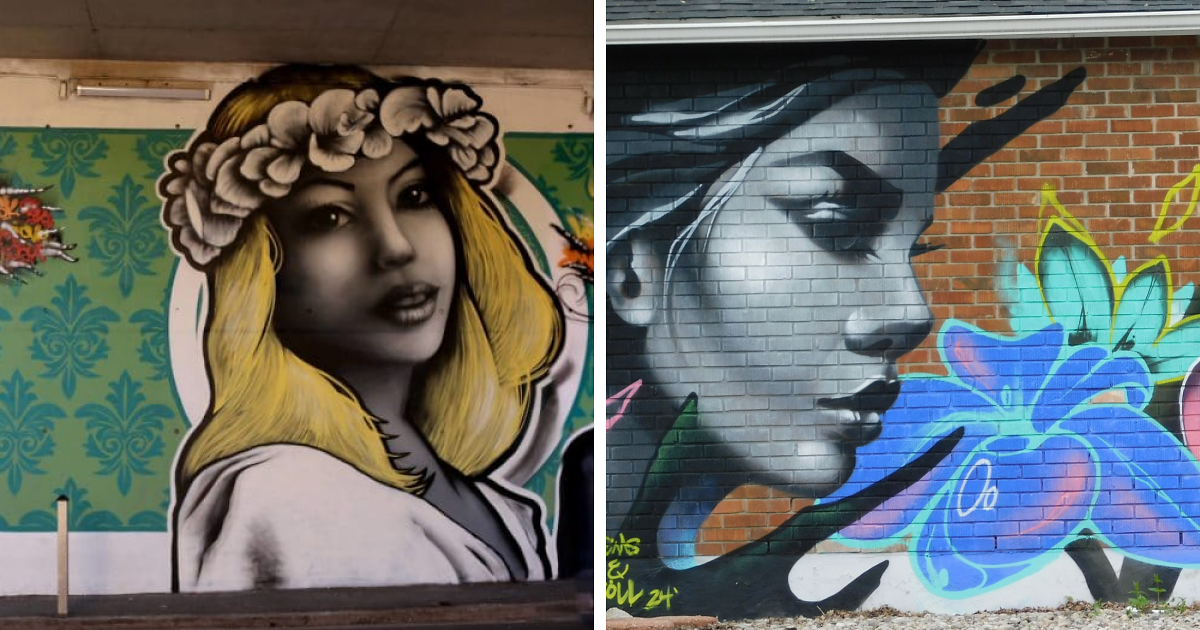
Street art has a funny way of catching us off guard. You might be walking to grab coffee, dodging puddles, half-answering an email, and suddenly a wall the size of a delivery truck is staring back at you with neon wings, a giant cat in sunglasses, or a portrait so emotional it makes the sidewalk feel like a museum hallway. That is the magic behind the idea: “Hey Pandas, share a photo of some street art you love.” It is not just a request for pretty pictures. It is an invitation to notice the open-air gallery hiding in plain sight.
Street art turns cities into conversations. Murals, stencils, paste-ups, wheatpastes, graffiti lettering, mosaics, sidewalk chalk, and clever little urban interventions all say something about the people who live there. Some pieces celebrate local heroes. Some protest injustice. Some simply make a gray wall less gray, which is honestly a public service on a Monday morning. Whether it appears in Philadelphia, Miami, Los Angeles, New York, Detroit, Portland, Austin, or a small town with one legendary underpass, street art gives a place personality.
Why Street Art Photos Feel So Personal
A photo of street art is different from a snapshot of a painting in a museum. Museum art usually waits politely behind glass, whispering, “Please admire me from a safe distance.” Street art is out there living dangerously. It battles rain, sun, construction crews, city policies, new coats of paint, stickers, tags, and the occasional person who parks directly in front of the best angle. When you photograph street art, you are often capturing a temporary moment. That mural might be there for years, or it might be gone by next Tuesday.
This is one reason people love sharing street art online. A single photo can preserve a piece of public creativity that may not last forever. It can also help others discover local artists, neighborhoods, and cultural stories they might otherwise miss. A mural on a brick wall is not only decoration; it is evidence that someone cared enough to add imagination to the everyday landscape.
What Counts as Street Art?
Street art is visual art created in public spaces, usually meant to be seen by everyday people rather than only by gallery visitors. It overlaps with graffiti, public art, muralism, urban art, and community art, but the terms are not identical. Graffiti often emphasizes lettering, tags, throw-ups, and style writing. Murals are typically larger, image-based works painted on walls. Public art can include sculptures, installations, memorials, light art, and even digital displays. Street art may be sanctioned or unsanctioned, tiny or enormous, polished or rough around the edges.
Common Types of Street Art People Love to Photograph
Murals are the celebrities of street art. They are large, colorful, and easy to spot from half a block away. Cities like Philadelphia and Miami have become famous for mural culture, with programs and districts that attract artists from around the world.
Stencil art uses cut templates to create repeated images quickly. It can be political, poetic, funny, or mysterious. The sharp edges and repeatable design make stencils ideal for messages that need to travel fast.
Wheatpaste posters are paper artworks pasted onto walls. They can peel, fade, and layer over one another, creating a living collage of the city.
Mosaic and tile art brings texture to public spaces. These pieces often last longer than paint and can transform benches, stairways, walls, and transit stations into colorful landmarks.
Mini street art may be the most delightful category. Tiny painted doors, little characters interacting with cracks in the pavement, and playful objects hidden in corners reward people who actually look up from their phonesyes, a rare and noble species.
Street Art as Community Storytelling
The best street art does more than look cool. It tells a story about place. In Philadelphia, Mural Arts Philadelphia has helped make the city one of America’s most recognizable mural destinations, using public art to connect communities, artists, neighborhoods, youth programs, and local history. In Miami, Wynwood Walls helped transform an industrial district into a global street art destination, showing how murals can change the identity of an entire neighborhood. In Los Angeles, historic mural preservation efforts remind us that outdoor art can become cultural heritage, not just background scenery.
Community murals often emerge from collaboration. Residents may share memories, artists translate those stories into imagery, and the final wall becomes a public album. Instead of flipping through old family photos, a neighborhood might point to a wall and say, “That is who we are.” That is powerful. It also makes street art photos more meaningful because you are not merely sharing color; you are sharing context.
Why People Say “Share a Photo” Instead of “Describe It”
You can describe a mural, but a photo does what language sometimes cannot. Imagine explaining a twenty-foot hummingbird made of electric blue feathers, surrounded by orange flowers, painted on the side of a bakery while a real pigeon sits on the roof looking deeply unimpressed. You could write a whole paragraph, but the photo delivers the joke, the scale, the colors, and the neighborhood energy all at once.
Street art is visual by nature, but a great photo also captures the surrounding world. The cracked sidewalk, passing cyclist, fire escape, corner store sign, cloudy sky, or person pausing to look all become part of the artwork’s meaning. In a gallery, the wall is usually neutral. On the street, the wall has a life.
How to Take Better Street Art Photos
You do not need a professional camera to photograph street art. A smartphone and a little patience can do a lot. The goal is not just to “get the wall.” The goal is to show why the art made you stop.
1. Step Back for Context
Before zooming in, take a wide shot. Show the building, street corner, alley, storefront, or skyline around the artwork. Context helps viewers understand whether the piece is tucked away like a secret or shouting across an entire avenue.
2. Capture the Details
After the wide shot, move closer. Photograph brushstrokes, spray textures, cracked paint, layered posters, signatures, or tiny hidden elements. Street art often rewards curiosity. Sometimes the funniest part is not the giant face; it is the tiny cartoon rat holding a coffee cup near the drainpipe.
3. Watch the Light
Early morning and late afternoon light can make colors warmer and shadows more dramatic. Midday sun may wash out details, while cloudy days can create soft, even lighting. Night photos can be stunning if the mural is lit by streetlights or neon signs, though your phone may need a steady hand or a nearby trash can serving as an extremely glamorous tripod.
4. Avoid Blocking Traffic or Trespassing
The perfect shot is not worth standing in the middle of a busy road or climbing a fence. Street art is public, but that does not mean every angle is safe or legal. Respect property, sidewalks, businesses, and residents. Be a fan, not a nuisance with a camera.
5. Credit the Artist When Possible
If the artist’s signature, handle, plaque, or project name is visible, include it when sharing. Many murals are the result of serious labor, planning, and community partnership. Tagging or naming the artist helps people discover more work and supports creative careers.
Street Art and Copyright: A Quick Friendly Reminder
Here is where the fun gets slightly legal, but do not panic; no one is putting a powdered wig on the mural. Public art is public to view, but that does not automatically mean it is public domain. Artists can still own copyright in murals, graffiti works, and other visual art, even when the work appears outdoors. Personal photos shared casually are usually a different matter from using someone’s mural to sell products, promote a brand, or decorate commercial materials without permission.
If you are sharing a street art photo for appreciation, credit the artist when possible and avoid cropping out signatures. If you plan to use the image commercially, get permission. The golden rule is simple: celebrate the art without pretending you made it, and do not turn someone else’s wall-sized masterpiece into your T-shirt empire unless the artist is part of the deal.
Famous Street Art Cities in the United States
America has countless street art gems, from huge mural districts to tiny local projects. Some places, however, have become especially known for public walls that practically beg to be photographed.
Philadelphia, Pennsylvania
Philadelphia is often called one of the great mural cities in the United States. Its public art culture is tied to community engagement, neighborhood history, and civic storytelling. Walking through the city can feel like moving through a giant illustrated book, except the pages are buildings and the footnotes are cheesesteak recommendations.
Miami, Florida
Miami’s Wynwood neighborhood is one of the most recognized street art destinations in the country. Wynwood Walls helped bring global attention to large-scale murals and contemporary street artists. The area is colorful, photogenic, and extremely aware that your camera roll is about to need storage space.
Los Angeles, California
Los Angeles has a deep mural tradition shaped by Chicano art, political expression, pop culture, memorial murals, and neighborhood identity. From historic works to new street pieces, L.A. shows how public walls can carry memory, pride, grief, celebration, and style.
New York City, New York
New York’s relationship with graffiti and street art is legendary. Subway graffiti, style writing, murals, and contemporary street art all helped shape the global conversation about urban visual culture. The city’s walls continue to change quickly, which makes photographing them feel like catching lightning in a very stylish bottle.
Detroit, Michigan
Detroit’s street art reflects resilience, music, industry, reinvention, and neighborhood creativity. Murals appear on factories, markets, small businesses, alleys, and community spaces, making the city a powerful example of how art can interact with urban change.
What Makes a Street Art Photo Worth Sharing?
A great street art photo does not have to show the biggest mural or the most famous artist. It simply needs to communicate why the piece mattered to you. Maybe the colors were gorgeous. Maybe the message hit hard. Maybe it made you laugh so suddenly that strangers became concerned. Maybe it reminded you of someone. Maybe it turned an ugly wall into a place people gather.
When people respond to a prompt like “Hey Pandas, share a photo of some street art you love,” they are often sharing a little piece of their city, their travel memories, or their daily routine. The photo says, “I saw this, and I thought it deserved a second look.” That is a generous act. It invites others to slow down too.
How Street Art Builds Online Communities
Online communities thrive on participation, and street art is perfect for that. It is accessible, visual, diverse, and emotionally direct. People do not need an art history degree to enjoy a giant raccoon painted on a wall. They only need eyes and maybe a healthy respect for raccoons, who look like tiny burglars but somehow pull it off.
Photo-sharing prompts create a global map of personal discoveries. One person posts a mural from a small alley in Chicago. Another shares a painted utility box in San Diego. Someone else uploads a protest mural from Washington, D.C., or a dreamy wall from Austin. Suddenly, strangers are comparing neighborhoods, artists, stories, and memories. The comment section becomes a tour bus with fewer seatbelts and more opinions.
The Beauty of Temporary Art
One of the most poetic things about street art is that it changes. Paint fades. Posters peel. Murals are restored, replaced, vandalized, protected, celebrated, or forgotten. A wall may hold one image this year and a completely different one next year. That impermanence can be frustrating, especially when a beloved piece disappears, but it is also part of the art form’s energy.
Street art teaches us to notice things before they vanish. Photographing it is not only about collecting images; it is about paying attention. The city is not frozen. It is constantly being rewritten, repainted, and reinterpreted. Every photo becomes a timestamp.
Tips for Sharing Street Art Photos Respectfully
If you want to join the fun and share a photo of street art you love, a little respect goes a long way. Mention the location if it is safe and appropriate. Credit the artist if you can identify them. Avoid revealing private property details that could cause problems for residents. Do not encourage people to trespass. If the artwork is sacred, memorial, or connected to a painful event, share it with care rather than treating it as a quirky backdrop.
Also, remember that not every mural is designed for selfies. Some are memorials. Some represent social movements. Some honor people who died. Enjoy the art, but read the mood. If the wall is saying something serious, maybe do not pose in front of it making duck lips. History deserves better lighting and better judgment.
Why We Keep Falling in Love With Painted Walls
Street art remains popular because it breaks the routine. It interrupts the visual noise of ads, traffic signs, concrete, and brick with something human. A mural says, “Someone was here, someone imagined this, and someone wanted you to see it.” That is a small miracle in a world where many public spaces feel designed only to move us along.
When street art is done well, it makes a neighborhood more memorable. It gives people meeting points, photo spots, local pride, and conversation starters. It can help visitors understand a place faster than a brochure ever could. It can also make residents feel seen, especially when the art reflects their culture, struggles, heroes, humor, or hopes.
Personal Experiences: Why Street Art Photos Stay With Us
The street art I remember most is rarely the one I planned to see. Planned art trips are wonderful, of course. You look up a mural district, charge your phone, bring comfortable shoes, and tell yourself you will take “just a few photos,” which is adorable because we both know that number will become 187. But the pieces that stay in memory often appear unexpectedly. You turn a corner and there it is: a wall that seems to understand the city better than any guidebook.
One of the most memorable street art experiences is finding a mural in a place that otherwise feels ordinary. A parking lot, for example, is not usually a place of deep emotional awakening. It is where people forget where they left the car and pretend not to panic. But when a mural covers the side of a nearby building, the whole area changes. Suddenly, the parking lot becomes a viewpoint. People slow down. Someone takes a photo. Someone else points out a detail. A plain errand becomes a tiny cultural stop.
Another joy is noticing how people interact with street art. Tourists often pose in front of murals, but locals use them differently. They give directions by them: “Meet me by the blue bird wall.” They use them as backdrops for graduation photos, engagement shoots, music videos, fashion posts, and family portraits. Over time, a mural becomes part of people’s personal archives. The wall is public, but the memories become private.
Street art also makes travel feel more intimate. Famous landmarks are impressive, but murals reveal the everyday pulse of a place. A city’s street art can show what it laughs about, what it mourns, what it celebrates, and what it refuses to forget. A huge historical mural may teach you about local movements. A funny stencil may reveal the city’s sense of humor. A painted storefront may show how small businesses use art to welcome people inside. These details are not always in travel brochures, but they are often where the real personality lives.
There is also something special about photographing street art with friends. Everyone sees something different. One person wants the full wall. Another zooms in on the artist’s signature. Someone notices a dog walking through the frame and declares it “essential composition.” Someone else spends ten minutes waiting for a stranger in a red jacket to pass by because the color match is too perfect to ignore. This is how a simple photo walk turns into a mini adventure, complete with artistic debate and snack breaks.
Street art can even change how we experience our own neighborhoods. When you start looking for it, you begin noticing more: painted electrical boxes, stickers on lampposts, murals behind restaurants, poetry on sidewalks, tiny drawings near doorways. The city becomes less like a backdrop and more like a scavenger hunt. You learn which walls change often, which artists appear again and again, and which pieces have become beloved local landmarks.
The best part of sharing a street art photo is that it extends that moment of discovery. You are not just posting an image; you are saying, “Look what someone made. Look what I found. Look what exists on this ordinary street.” In a noisy online world, that kind of sharing feels refreshingly simple. It is curiosity passed from one person to another. And if the photo inspires someone else to go outside, walk a different route, or notice a painted wall they used to ignore, then the art has done what street art does best: it has made the public world feel a little more alive.
Conclusion
“Hey Pandas, share a photo of some street art you love” is more than a fun community prompt. It is a reminder that beauty does not always wait inside museums. Sometimes it is sprayed across a warehouse, painted on a brick wall, pasted to a pole, tucked beside a doorway, or stretching across an entire city block. Street art is public, personal, temporary, bold, and often wonderfully weird. It gives neighborhoods visual identity and gives people a reason to stop, look, and share.
So the next time a mural makes you pause, take the photo. Capture the colors, the message, the cracked wall, the street around it, and the feeling that made you reach for your camera. Credit the artist when you can. Respect the space. Then share it with the world. Somewhere out there, another Panda is ready to fall in love with the same wall.
SEO Tags
Note: This article was written in standard American English, based on real street art, mural culture, public art history, community arts programs, street art photography practices, and U.S. examples. It does not include source links or unnecessary citation placeholders so it can be copied cleanly for web publishing.













