
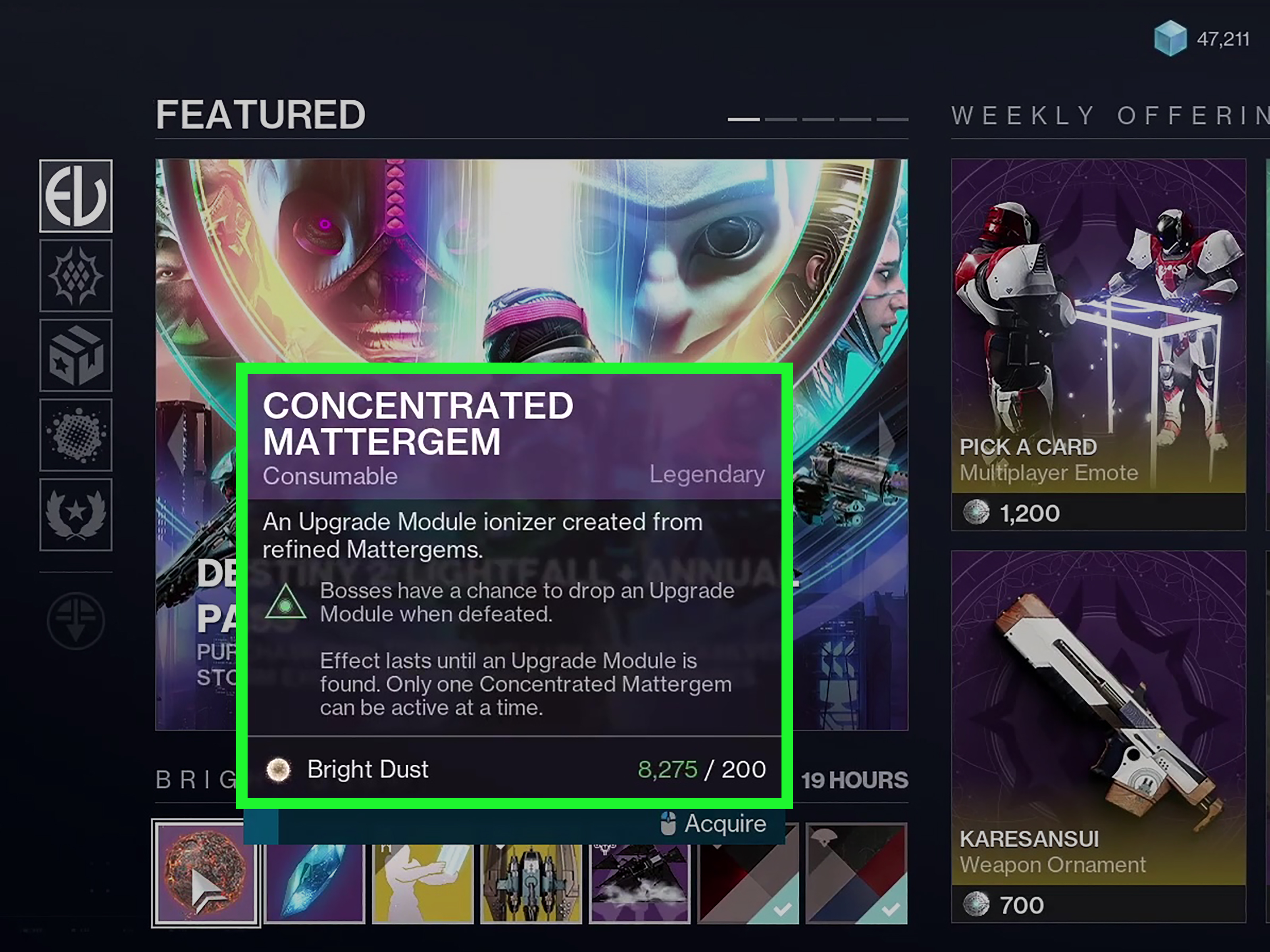
If you searched for how to get Upgrade Modules in Destiny 2, there is a good chance you are staring at your gear screen, trying to raise the Power of a favorite item, and wondering why every older guide sounds like it was written by a Ghost who has been offline since 2024. The short, slightly awkward answer is this: Upgrade Modules are no longer the core infusion currency in current Destiny 2. They were once the main item used to infuse gear, but Destiny 2’s economy has changed.
That does not mean the topic is useless. In fact, understanding Upgrade Modules helps new and returning players avoid wasting resources, follow old guides correctly, and manage gear upgrades without accidentally turning their inventory into a Tower basement full of dusty currency. This guide explains what Upgrade Modules were, whether you can still get them, what to do if you already have them, and how to upgrade gear efficiently in the current Destiny 2 system.
What Are Upgrade Modules in Destiny 2?
Upgrade Modules were a consumable material used for infusion, the process of raising the Power level of one piece of gear by consuming another higher-Power item in the same general slot. For example, if you had a favorite helmet with great stats but found a higher-Power helmet, you could infuse the stronger Power level into the better piece. The Upgrade Module was the fee paid to make that upgrade happen.
For years, these little square resources were part of the normal Destiny 2 rhythm. You earned new gear, infused your favorite loadout, ran out of Upgrade Modules, visited the Tower, bought more, ran out of Glimmer, sighed dramatically, and repeated the cycle. It was very Destiny: heroic space magic on one side, personal finance simulator on the other.
Historically, players could obtain Upgrade Modules through Tower vendors, Season Pass ranks, certain campaign rewards, and Ghost mods that gave playlist activities a chance to drop them. Older Destiny 2 guides still mention Banshee-44, Ada-1, Modularity Ghost mods, and Season Pass rewards because those were real methods at the time. The problem is that Destiny 2 is a live-service game, and live-service economies age faster than milk left in a Fallen Walker.
Can You Still Get Upgrade Modules in Destiny 2?
In the current Destiny 2 system, you should not plan on farming Upgrade Modules as your main upgrade strategy. Bungie deprecated Upgrade Modules at the start of Year 8. They may still appear from some older content, but they are no longer the important resource they used to be. If you receive one from legacy content, treat it as a leftover item rather than a modern upgrade material.
The practical answer for most players is simple: do not chase Upgrade Modules anymore. If an older article tells you to stack them before leveling, that advice is outdated for the current game. Instead, your attention should shift to Enhancement Cores and Glimmer, because those are now the key materials tied to standard infusion.
What Replaced Upgrade Modules?
Current Destiny 2 infusion uses a much cleaner system. Standard infusion now costs one Enhancement Core and 5,000 Glimmer. This change makes upgrading easier to understand because you no longer need to buy a separate middleman currency before improving your gear. In other words, Bungie looked at Upgrade Modules and said, “Why are we making players buy a token to spend another token?” And honestly, fair question.
If you already have Upgrade Modules sitting in your inventory, you can safely dismantle them for resources. Always check the dismantle preview in-game before confirming, but in the current system, keeping a giant pile of Upgrade Modules is usually less useful than converting them into resources you can actually spend.
Legacy Ways Players Used to Get Upgrade Modules
Because many search results still point to older farming routes, it helps to know what those methods were and why they may not apply anymore. This section is useful for returning players who remember the old system and for new players trying to understand why so many guides disagree.
1. Buying Upgrade Modules from Tower Vendors
For a long time, the most direct method was buying Upgrade Modules from Tower vendors, especially Banshee-44 and sometimes Ada-1. The usual cost in older systems included Glimmer and Enhancement Cores, with other materials involved in earlier eras. This was the “I need modules right now because raid night starts in ten minutes” method.
Today, this method should be treated as legacy information. Since standard infusion now uses Enhancement Cores and Glimmer directly, the old vendor loop is no longer the main path.
2. Season Pass Rewards
Older Destiny 2 seasons and episodes often placed Upgrade Modules on reward tracks. Players could unlock them simply by earning XP and ranking up. This was one of the easiest passive ways to build a supply, especially for casual players who did not want to spend materials at the Tower every other hour.
However, current reward tracks change over time. If you see Upgrade Modules mentioned in an old Season Pass guide, remember that seasonal reward structures are not permanent. Always check the current in-game reward track instead of assuming past ranks still apply.
3. Ghost Modularity Mods
Another older method involved equipping a Modularity Ghost mod. These mods gave players a chance to earn Upgrade Modules after completing specific playlist activities such as Vanguard, Crucible, or Gambit. The idea was nice: play the activity you already enjoy and occasionally receive upgrade materials as a bonus.
In practice, many players found this inconsistent. Even when the system was active, it was better as a background bonus than a serious farm. In the current game, Ghost mods and activity rewards have been updated, so players should focus on modern resource mods and rewards that help generate Enhancement Cores or other useful materials.
4. Campaign and New Player Rewards
Some campaigns and introductory reward paths previously handed out Upgrade Modules to help players raise favorite gear while climbing Power. This made sense because leveling campaigns often showered players with new gear, and without modules, every good roll felt temporary.
Today, old content may still drop Upgrade Modules in some cases, but they are not something to farm intentionally. If you get one while playing legacy content, consider it a resource refund opportunity rather than a modern progression prize.
How to Upgrade Gear Now Without Upgrade Modules
The best modern approach is to stop thinking, “How do I get more Upgrade Modules?” and start thinking, “How do I manage Enhancement Cores and Glimmer wisely?” That shift alone will save you time, confusion, and probably a few Tower trips.
Step 1: Do Not Infuse Every Drop
This is the golden rule. Destiny 2 calculates drops based on your eligible gear, not just what you are currently wearing. That means you do not need to infuse every new Power bump immediately. If you get a higher-Power item in a slot, keep it. You can use it later when the upgrade actually matters.
New players often burn materials because they want every favorite item to stay perfectly current. Understandable? Absolutely. Efficient? Not even a little. Infusing every two or three Power levels is like repainting your Sparrow every time you drive past dust. Save your resources until you are near a meaningful Power threshold or preparing for harder content.
Step 2: Save Infusion for Gear You Actually Use
Only infuse gear that has a real purpose. A strong armor roll, a favorite Exotic, a high-value legendary item, or a build-defining piece deserves investment. Random gear you might use “someday” should stay in the vault until someday becomes today.
A good question to ask before spending materials is: “Will I use this item in the next few activities?” If the answer is no, do not infuse it yet. Your future self will thank you. Your Glimmer wallet may even send flowers.
Step 3: Farm Enhancement Cores Instead
Because Enhancement Cores now matter more for infusion, you should build habits that keep your supply healthy. Dismantle unwanted legendary gear, check activity rewards, use relevant Ghost mods when available, and prioritize activities that naturally reward upgrade materials. Harder activities often produce better rewards, but casual players can still build a steady supply simply by playing consistently and avoiding waste.
The important word here is steady. You do not need to become a spreadsheet goblin who tracks every material down to the decimal. Just stop spending cores on gear you will replace in twenty minutes, and your resource pile will grow faster than you expect.
Step 4: Keep Glimmer Flowing
Glimmer is the quiet resource that disappears when you are not looking. One moment you feel rich; the next, you are broke because you upgraded gear, bought materials, focused engrams, and made one too many “tiny” purchases. Destiny 2’s economy has a way of turning tiny costs into a financial jump scare.
To stay healthy on Glimmer, dismantle unused items, complete activities, claim reward packages, and avoid unnecessary spending at vendors. If you are low, play a few activities before beginning a major upgrade session. Never begin a build makeover with empty pockets unless you enjoy being personally roasted by your own inventory screen.
Best Strategy for New Players
If you are new to Destiny 2, the best advice is simple: do not obsess over infusion early. While leveling, gear changes quickly. You will replace items constantly. Infusing too often during the early climb is one of the fastest ways to drain your resources before they matter.
Instead, keep your highest-Power items, equip whatever helps you survive and complete activities, and wait until your build starts to stabilize. Once you reach content where Power and gear quality matter more, begin upgrading carefully. Your goal is not to make every item perfect immediately. Your goal is to build a reliable set of gear without bankrupting yourself.
Best Strategy for Returning Players
Returning players have a different problem: old habits. If you left during the era when Upgrade Modules were essential, your muscle memory may tell you to visit Banshee, stock up, and hoard modules like a dragon with a coupon addiction. Resist that urge.
Check your inventory first. If you have leftover Upgrade Modules, dismantle them if the game shows a useful resource return. Then review the current infusion cost directly from the gear screen. The modern system is simpler, but the game has changed enough that old routines can waste time. When in doubt, trust the current in-game cost over any guide from a previous expansion cycle.
Common Mistakes to Avoid
Mistake 1: Following Outdated Farming Guides
Many older guides are not “wrong” in the historical sense. They were accurate when written. They are just outdated now. If a guide tells you to farm Upgrade Modules through older vendor purchases, old Season Pass ranks, or legacy Ghost mods, use that information as context, not current instruction.
Mistake 2: Infusing Low-Value Gear
Do not upgrade gear just because it looks neat or has a slightly higher number. Upgrade gear because it fits your build, has strong stats, or will help in specific content. Fashion is important, yes, but fashion plus no resources is how Guardians end up stylish and broke.
Mistake 3: Ignoring Resource Caps and Inventory Cleanup
Destiny 2 has many materials, currencies, and reward systems. Some items become deprecated. Others change value. Clean your inventory regularly and read item descriptions. If the game says an item can be safely dismantled, believe it. Your inventory is not a museum. Unless, of course, your hobby is curating ancient currencies from five expansions ago.
Should You Keep Any Upgrade Modules?
For most players, no. Since Upgrade Modules are no longer required for standard infusion, keeping them is usually unnecessary. If you still have them, inspect the item and dismantle it if the game provides a useful resource return. There is little reason to preserve them unless you are intentionally keeping old items for nostalgia.
That said, always check current in-game text before dismantling anything. Destiny 2 changes often, and the game client is the final authority. If your inventory shows a clear dismantle return, that is your best guide.
Player Experience: What It Feels Like Managing Upgrades Now
The best way to describe the modern upgrade experience is “less confusing, but still very Destiny.” Removing Upgrade Modules from the core infusion loop makes the process easier, especially for players who used to hate running back to vendors. Instead of buying a module, then spending that module, you now deal directly with Enhancement Cores and Glimmer. It removes one layer of economy fog.
From a practical player perspective, the change is a win if you are disciplined. You can glance at the infusion cost and immediately understand what you need. No extra currency shopping. No realizing you have Enhancement Cores but forgot to buy modules. No Tower detour because one item is two Power levels behind and your fireteam is already asking, “Are you ready?” while you are sprinting past Rahool like a panicked accountant.
The flip side is that Enhancement Cores feel more important now. Before, many players mentally separated “cores for buying modules” from “modules for infusion.” Now the cost is more direct. That makes every unnecessary infusion feel a little more painful. If you are careless, your core supply can still vanish quickly, especially when you are experimenting with multiple builds or leveling several characters.
The smartest rhythm is to let your gear breathe. Keep high-Power drops. Do not infuse immediately. Play until you hit a point where the upgrade matters. For example, if you are doing relaxed playlist activities, there is no need to keep every item perfectly current. But if you are preparing for a harder activity with a recommended Power target, that is when infusion makes sense. Upgrade the gear you will actually equip, not the gear that merely looks interesting in the vault.
Another helpful habit is to choose a “main kit” for the week. Pick the armor and Exotics you are most likely to use, then invest in those pieces first. This prevents the classic Destiny problem of half-upgrading fifteen different items and ending up with no finished build. A focused Guardian is a funded Guardian.
For returning players, the emotional adjustment may be bigger than the mechanical one. Upgrade Modules used to feel like a necessary shopping list item. Seeing them become irrelevant can be strange, especially if you spent years treating them like precious treasure. But once you accept the new system, gear upgrading becomes smoother. The key is to stop chasing old materials and start protecting the resources that matter now.
For new players, the experience is actually better. You do not need to learn an extra currency just to understand infusion. You only need to know that upgrading gear costs Enhancement Cores and Glimmer, and that spending too often is the real enemy. Destiny 2 is already packed with systems, vendors, activities, ranks, currencies, and menus. One fewer upgrade material is not a tragedy. It is a small mercy from the Traveler.
Final Thoughts
So, how do you get Upgrade Modules in Destiny 2 today? The honest answer is: you generally do not need to. Upgrade Modules are a deprecated part of Destiny 2’s older infusion economy. They may still appear from some legacy content, and older guides may still describe ways to earn them, but modern players should focus on Enhancement Cores and Glimmer instead.
If you already have Upgrade Modules, inspect them and dismantle them for resources if appropriate. If you are trying to raise gear Power, use the current infusion system and spend carefully. Save upgrades for valuable gear, avoid constant small infusions, and build a healthy supply of Enhancement Cores through regular play.
The best Guardian is not the one who upgrades everything instantly. It is the one who knows when to wait, when to invest, and when to clean out old currencies before the inventory starts looking like a space garage sale.













