
A writer’s callus may sound like a tiny trophy for surviving essays, journals, lecture notes, sketchbooks, and “just one more page” study sessions. But when that little hardened bump on your finger starts feeling rough, tender, or annoying, it becomes less of a badge of honor and more of a tiny skin speed bump with attitude.
The good news? Most writer’s calluses are harmless. They form because your skin is doing its job: protecting itself from repeated pressure and friction caused by pens, pencils, styluses, or even drawing tools. The even better news is that you can usually soften and shrink a writer’s callus at home without pain, drama, or questionable bathroom surgery. Please do not attack it with scissors. Your finger is not a craft project.
This guide explains 7 home remedies to get rid of a writer’s callus painlessly, plus practical prevention tips, warning signs, and real-life experience notes for students, writers, artists, teachers, and anyone whose hand has been personally victimized by a ballpoint pen.
What Is a Writer’s Callus?
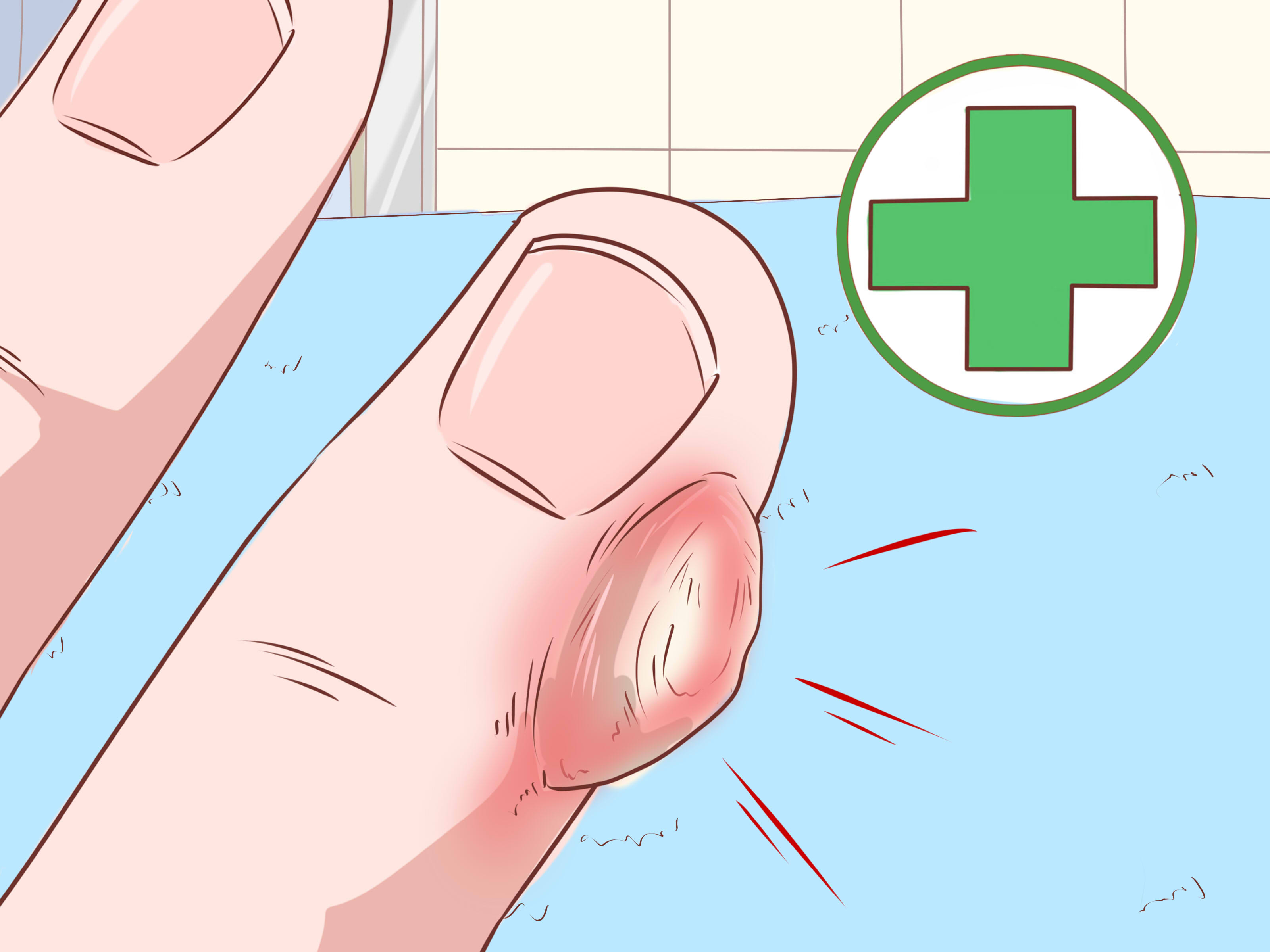
A writer’s callus, also called a writer’s bump, is a thickened patch of skin that usually develops on the finger where a pen or pencil repeatedly presses. It commonly appears on the middle finger, index finger, or thumb, depending on your grip style.
Calluses are made of compacted dead skin cells. That may sound slightly spooky, but it is simply the skin’s natural defense system. When one small area gets rubbed again and again, the body adds extra layers to protect the deeper skin underneath. Think of it as your finger putting on a tiny helmet.
Why Writer’s Calluses Form
The main cause is repeated friction and pressure. Common triggers include:
- Gripping pens too tightly
- Writing for long periods without breaks
- Using thin, hard, or slippery pens
- Pressing heavily on paper
- Drawing, journaling, note-taking, or test prep marathons
- Using a stylus on a tablet with the same pressure point
A writer’s callus is usually not dangerous. However, if it becomes painful, cracks, bleeds, changes color suddenly, swells, or looks infected, it is time to stop home treatment and speak with a healthcare professional. People with diabetes, poor circulation, nerve problems, or slow-healing skin should be especially careful and should not cut, shave, or chemically burn callused skin at home.
7 Home Remedies to Get Rid of a Writer’s Callus Painlessly
1. Switch to a Softer, Wider Pen Grip
The first remedy is not a cream, soak, or fancy gadget. It is friction control. Since a writer’s callus forms because of repeated pressure, the most important step is to reduce the pressure that caused it in the first place.
Try using a pen with a wider barrel or adding a soft silicone or rubber grip to your current pen. A wider grip spreads pressure over a larger area, so one tiny spot on your finger does not take all the punishment. If your pen feels like a skinny metal toothpick, your finger is probably filing a complaint.
Also pay attention to how tightly you hold the pen. Many people grip harder when they are stressed, rushed, or trying to write neatly. A good test: if your knuckles turn pale or your hand aches after a page, loosen up. Your pen is not trying to escape.
How to do it:
- Choose pens with cushioned grips.
- Use gel pens or smooth-flowing ink to reduce writing pressure.
- Add a foam or silicone pencil grip.
- Hold the pen firmly enough to control it, but not so tightly that your fingers tense.
This step does not remove the callus overnight, but it prevents the bump from constantly rebuilding itself. Without friction reduction, every other remedy is basically trying to mop the floor while the sink is still overflowing.
2. Soak the Callus in Warm, Soapy Water
A warm soak is one of the simplest and safest ways to soften a writer’s callus. Warm water helps loosen the hardened top layer of skin, making it easier to moisturize or gently exfoliate afterward.
You do not need a spa setup, cucumber slices, or a dramatic playlist. A small bowl of warm water and mild soap is enough. Soak the affected finger for about 5 to 10 minutes, then pat it dry with a clean towel.
How to do it:
- Fill a small bowl with warm, not hot, water.
- Add a drop of gentle hand soap.
- Soak the callused finger for 5 to 10 minutes.
- Pat dry, leaving the skin slightly damp.
- Follow with moisturizer or gentle buffing.
Avoid hot water because it can dry out the skin and make irritation worse. The goal is softening, not cooking your finger like a noodle.
3. Gently Buff With a Washcloth, Emery Board, or Pumice Stone
Once the callus has softened, gentle buffing can help reduce the thickened skin gradually. The keyword here is gently. You are not sanding a deck. You are caring for living skin.
Use a soft washcloth, fine emery board, or clean pumice stone. Move lightly across the callus in small circular or sideways motions. Stop if the area feels sore, sensitive, raw, or looks pink underneath.
How often should you buff a writer’s callus? For most people, one to three times per week is enough. Doing it every hour because you are impatient will not speed healing; it may cause irritation, cracking, or infection.
Important safety rule: Never cut, shave, peel, or pick a callus. Removing too much skin can cause bleeding and infection. A painless approach means slow, steady softening, not one heroic bathroom operation with nail clippers.
4. Apply a Callus-Softening Moisturizer Daily
Moisturizer is not glamorous, but it is powerful. Dry callused skin becomes harder, rougher, and more likely to crack. A daily hand cream helps keep the skin flexible so the callus can gradually soften.
For a writer’s callus, look for moisturizers that contain ingredients such as:
- Urea: Helps hydrate and soften thick, rough skin.
- Ammonium lactate: Helps loosen dry, scaly buildup.
- Lactic acid: Gently exfoliates while moisturizing.
- Salicylic acid: Helps break down thickened skin, but should be used carefully.
If your skin is sensitive, start with a plain fragrance-free hand cream before trying stronger exfoliating ingredients. Products with acids can sting if the skin is cracked, irritated, or freshly buffed. Always follow the label, and do not use harsh callus removers on broken skin.
Best routine: Apply moisturizer after washing your hands, after soaking, and before bed. Consistency matters more than quantity. A little every day beats a giant blob once a month.
5. Use Petroleum Jelly Overnight
For a painless overnight remedy, apply a thin layer of petroleum jelly or a thick ointment over the callus before bed. This helps seal in moisture and soften rough skin while you sleep, which is conveniently the laziest possible skincare routine.
For extra softening, cover the finger with a breathable cotton glove or a loose bandage. Do not wrap it tightly. Your finger should feel protected, not trapped in a tiny finger prison.
Overnight method:
- Wash your hands with gentle soap.
- Pat dry, leaving the callus slightly damp.
- Apply a small amount of petroleum jelly or thick ointment.
- Cover loosely with cotton or a breathable bandage.
- Wash gently in the morning.
This method works best when repeated for several nights. It may not erase a writer’s callus instantly, but it can make the skin smoother, less rough, and more comfortable.
6. Cushion the Callus While Writing
If you continue writing while the callus is healing, protect the area from direct pressure. Cushioning reduces friction and gives the skin a chance to calm down.
Useful options include:
- A small adhesive bandage over the callus
- A silicone finger sleeve
- Moleskin cut to fit the pressure point
- A soft finger cot during long writing sessions
- A foam pencil grip to soften contact
The trick is to cushion without creating new friction. If a bandage slips, bunches, or rubs, replace it. The goal is comfort, not turning one callus into a family reunion of calluses.
This remedy is especially useful for students during exam season, artists during sketching sessions, and anyone who writes by hand for work. It lets you keep using your hand while reducing the repeated irritation that keeps the callus thick.
7. Take Writing Breaks and Stretch Your Hand
Breaks are not laziness. They are maintenance. Long writing sessions increase pressure on the same finger, especially when your hand gets tired and your grip tightens.
Set a timer for every 20 to 30 minutes. Put the pen down, open and close your hand, stretch your fingers, roll your wrists gently, and shake out tension. You can also switch between handwriting and typing when possible.
Try this simple hand reset:
- Open your hand wide for 5 seconds.
- Make a gentle fist for 5 seconds.
- Touch each fingertip to your thumb.
- Roll your wrists slowly in both directions.
- Relax your shoulders and loosen your grip before writing again.
If writing causes severe hand pain, cramping, numbness, tingling, or weakness, do not ignore it. A callus is one thing; ongoing hand pain may involve muscles, nerves, joints, or writing mechanics that deserve professional evaluation.
What Not to Do to a Writer’s Callus
Some “quick fixes” can make a writer’s callus worse. Avoid these:
- Do not cut it off. This can cause bleeding, scarring, and infection.
- Do not peel it. Peeling can tear healthy skin underneath.
- Do not over-buff. Too much filing can make the area raw and painful.
- Do not use strong acids on cracked skin. This may burn or irritate the area.
- Do not ignore pain, pus, swelling, or bleeding. These are signs to get medical advice.
How Long Does It Take to Get Rid of a Writer’s Callus?
A writer’s callus usually softens gradually over days to weeks, depending on how thick it is and whether you reduce the friction that caused it. If you keep writing with the same hard grip and the same skinny pen, the callus will keep coming back. Skin is loyal like that.
The best plan is a combination approach: soften, moisturize, protect, and change your writing habits. You may not need to remove the callus completely. In fact, a small painless callus can be protective. The goal is comfort, smoothness, and preventing cracking or tenderness.
When to See a Doctor
Most writer’s calluses can be managed at home, but professional help is important if:
- The callus becomes painful or bleeds.
- The skin cracks deeply.
- You notice redness, warmth, swelling, pus, or spreading tenderness.
- The bump changes shape or color.
- You have diabetes, poor circulation, neuropathy, or a condition that affects healing.
- You are not sure whether the bump is actually a callus.
A dermatologist or healthcare provider can confirm what it is and recommend safe treatment. Sometimes what looks like a callus may be a wart, cyst, eczema patch, or another skin condition.
Prevention Tips: Keep the Callus From Coming Back
Once the callus softens, prevention becomes the real victory. Try these habits:
- Use cushioned pens or pencil grips.
- Choose smooth-flowing ink so you do not press as hard.
- Write larger when possible to reduce finger strain.
- Take breaks during long writing sessions.
- Moisturize your hands daily.
- Protect the pressure point with a bandage during heavy writing days.
- Alternate handwriting with typing or voice notes when practical.
A tiny change in grip or pen choice can make a big difference. Your hand does not need to suffer for your notes to look impressive.
Experience Notes: Real-Life Lessons From Dealing With a Writer’s Callus
Anyone who writes a lot knows that a writer’s callus rarely appears during a calm, balanced week. It usually shows up during finals, a deadline, a journaling obsession, a sketching phase, or that ambitious moment when you decide to rewrite your entire planner by hand because “it will only take an hour.” It never takes an hour.
One common experience is that people notice the bump only after it becomes annoying. At first, it feels like a slightly rough spot. Then the pen starts landing in the same place every time, and suddenly that tiny patch of skin feels like it has developed its own personality. The temptation is to pick at it. That is usually the first mistake. Picking may make the surface look smoother for five minutes, but it often leaves the skin tender, uneven, and more irritated than before.
The most effective personal routine tends to be boring in the best way: soften, moisturize, cushion, repeat. For example, a student who writes lecture notes daily might soak the finger in warm water at night, apply a urea-based hand cream, and use a soft pencil grip the next day. After a week or two, the callus may feel flatter and less scratchy. Not magically gone, not movie-montage perfect, but noticeably more comfortable.
Artists and designers often have a slightly different challenge because they may use pencils, markers, charcoal, styluses, or fine-liners for hours. In that case, changing tools can help more than any cream. A silicone grip, a thicker barrel, or a different holding angle may reduce direct pressure on the same spot. Some people rotate between tools to avoid loading one finger all day. It feels small, but skin loves small consistent changes.
Journalers and writers often discover that emotional intensity affects grip. When writing quickly, angrily, nervously, or enthusiastically, the hand may clamp down harder. If your handwriting gets darker and your fingers ache, that is your cue to pause. A relaxed grip does not just help the callus; it can make writing feel smoother and less tiring overall.
The overnight petroleum jelly method is another practical favorite because it requires almost no effort. Apply a thin layer, cover loosely, sleep, and let your skin do its quiet repair work. The next morning, the callus often feels less dry and less sharp around the edges. It is not glamorous, but neither is a painful finger bump during a three-hour exam.
The biggest lesson is patience. A writer’s callus formed gradually, so it usually fades gradually too. Trying to remove it aggressively can turn a harmless bump into a sore spot. A painless approach respects the skin’s pace. Reduce friction, keep the area moisturized, protect it during heavy writing, and give your hand regular breaks. Your words can still be powerful without your pen grip behaving like a medieval torture device.
Conclusion
A writer’s callus is usually a harmless response to repeated pressure, but that does not mean you have to live with rough, uncomfortable skin forever. The best home remedies are gentle and consistent: switch to a softer pen grip, soak the callus, buff lightly, moisturize daily, use petroleum jelly overnight, cushion the area, and take writing breaks.
The painless path is the smart path. Do not cut, shave, peel, or over-exfoliate. Focus on reducing friction and softening the skin over time. If the callus becomes painful, bleeds, cracks deeply, or shows signs of infection, get medical advice. Your finger has helped you write notes, lists, stories, essays, and probably a few dramatic texts. It deserves better than being attacked with nail clippers.













