
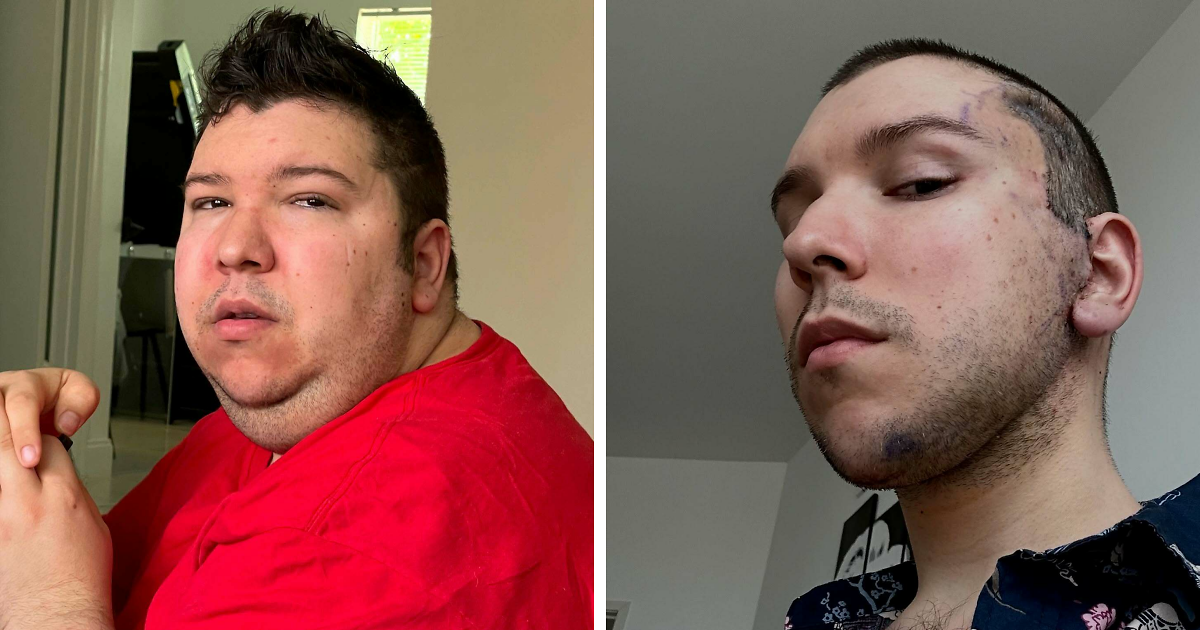
Nikocado Avocado, the internet personality known for turning mukbang into a full-contact spectator sport, has entered another chapter of his public transformation. After shocking viewers with a reported 250-pound weight loss, the YouTuber has continued sharing updates about cosmetic surgery, including a face and neck lift and skin-removal procedures designed to address excess skin after major weight loss.
For longtime viewers, the reveal felt less like a normal influencer update and more like a season finale with a plot twist, a costume change, and a very confused comment section. Nikocado Avocado, whose real name is Nicholas Perry, built a massive following through theatrical eating videos, emotional storylines, and a larger-than-life online character. Then, in 2024, he revealed that much of what viewers had been watching was not as current as it appeared. He said he had been losing weight privately while posting older content, calling the move part of a social experiment about online consumption.
Now, the conversation has shifted from the surprise of weight loss to what often comes after a major physical transformation: loose skin, body contouring, recovery, confidence, and the complicated business of being a real person inside a very public internet brand.
From Mukbang Fame to a Surprise Transformation
Nikocado Avocado first rose to internet fame through mukbang videos, a genre where creators eat large meals while talking to viewers. His version of the format was especially dramatic. The meals were big, the reactions were bigger, and the on-camera persona often blurred the line between performance and reality. That blur was part of the appeal. Viewers did not always know whether they were watching a meal, a meltdown, a bit, a confession, or all four wrapped in cheese sauce.
For years, his content sparked debates about health, entertainment, responsibility, and whether online audiences were watching out of concern, curiosity, criticism, or plain habit. Then came the reveal that changed the entire narrative. Nikocado Avocado appeared noticeably transformed and said he had lost around 250 pounds over roughly two years. The twist was that many viewers had believed they were seeing current videos when, according to his explanation, much of the content had been pre-recorded.
That detail mattered. It turned the weight-loss reveal into more than a health update. It became a commentary on parasocial relationships, internet outrage, and how easily audiences can build certainty from edited clips. The same viewers who thought they were watching decline in real time suddenly had to ask a stranger question: how much of the story had they filled in themselves?
Why Cosmetic Surgery Became Part of the Story
After significant weight loss, the body does not always “snap back” the way motivational posters pretend it does. Skin that has stretched over time may not fully retract, especially after a large change in body size. This is common after major weight loss and can affect the abdomen, arms, thighs, chest, face, and neck.
In Nikocado Avocado’s case, he later shared that excess skin had become a major concern for him. Public reports described a face and neck lift performed to improve the look of his jawline and neck area after weight loss. He also later revealed skin-removal surgery, including body-contouring work intended to remove excess skin from his midsection and other areas.
The important point is that this kind of surgery is not simply about looking “camera ready.” For people who lose a large amount of weight, extra skin can affect comfort, clothing fit, movement, hygiene, and self-image. Yes, cosmetic results are part of the discussion, but the experience can also be practical and emotional. It is one thing to reach a new weight. It is another to feel at home in the body that remains afterward.
What Procedures Did Nikocado Avocado Share?
Face and Neck Lift
One of the most discussed updates involved a face and neck lift. After major weight loss, the face can look different because fat volume changes and skin may become looser. The neck and jawline are especially noticeable areas, particularly for someone who makes a living on camera. When your job involves millions of people pausing, zooming, reacting, and declaring themselves detectives, even a normal mirror day can become a public event.
A face or neck lift generally aims to reposition tissue and remove excess skin to create a smoother, firmer appearance. In Nikocado Avocado’s case, the public focus was on his jawline and neck area. His update drew attention partly because it followed the already-viral weight-loss reveal and partly because he presented it with the same theatrical openness that made his channel famous.
Skin Removal and Body Contouring
Later, he shared that he had undergone skin-removal surgery. Reports described a 360 body lift, a procedure often associated with post-weight-loss body contouring. A 360 body lift typically addresses excess skin around the torso, helping reshape the abdomen, waist, back, and surrounding areas. Depending on the individual, body contouring after major weight loss may also involve arm lifts, thigh lifts, or other procedures.
For readers unfamiliar with the term, body contouring after weight loss is not the same as ordinary “toning.” Exercise can strengthen muscle and improve fitness, but it cannot remove extra skin that has lost elasticity. Creams, gadgets, and motivational captions also have limits, despite what the internet’s most enthusiastic ads may suggest. Surgical body contouring is one route some people consider when loose skin becomes uncomfortable or deeply frustrating.
How Fans Reacted to the Results
Fan reactions were predictably mixed because this is the internet, where even a photo of toast can become a moral referendum. Some viewers praised Nikocado Avocado for being open about his surgery and recovery. Others debated whether his transformation should be viewed as inspirational, manipulative, performative, or all of the above.
Part of the reaction comes from the unusual way his transformation was revealed. Unlike many creators who document weight loss week by week, he kept the process private and then delivered the result as a major twist. That made the reveal more dramatic, but it also complicated how viewers processed it. People were not only reacting to his changed appearance. They were reacting to the fact that they had been wrong about the timeline.
Still, the cosmetic surgery updates added a more human layer to the story. Behind the spectacle was a person dealing with the physical aftermath of a huge weight change. Whether viewers admire his strategy or question it, the surgery conversation made one thing clear: transformation does not end with a number on a scale.
The Bigger Conversation: Weight Loss, Loose Skin, and Reality Online
Nikocado Avocado’s story landed at a time when the internet is already obsessed with transformations. Social feeds are packed with before-and-after images, fitness journeys, “glow-up” edits, and dramatic reveals. These posts can be motivating, but they can also make change look faster, cleaner, and simpler than it really is.
Major weight loss can involve long timelines, emotional adjustment, medical decisions, setbacks, privacy concerns, and support systems that viewers never see. When cosmetic surgery is part of the picture, recovery adds another layer. Swelling, discomfort, scarring, limited movement, follow-up appointments, and patience are all part of the real process. The polished reveal is usually just the final slide in a much longer presentation.
This is why Nikocado Avocado’s update is bigger than celebrity gossip. It shows how the internet loves results but often ignores recovery. Viewers want the “after,” but the body still has to live through the “during.”
Why His Story Works as Internet Drama
There is a reason this story traveled so far. It has every ingredient the algorithm likes: a famous creator, a shocking transformation, a secret timeline, visible results, public confusion, and a character who knows how to hold attention. Nikocado Avocado did not simply post a quiet update. He turned the reveal into a narrative.
That narrative is central to his brand. For years, he played with exaggeration, conflict, vulnerability, comedy, and chaos. Viewers might criticize the style, but they also kept watching. His weight-loss and surgery updates used the same skill set in a different way. Instead of another food-centered spectacle, the spectacle became the audience’s own assumptions.
In that sense, his transformation became a mirror. Some people watched with concern. Some watched to mock. Some watched because they could not look away. When he reappeared with a dramatically different body and later shared cosmetic surgery results, the audience had to confront how invested they had become in a stranger’s appearance.
Cosmetic Surgery After Weight Loss: What Readers Should Understand
Cosmetic surgery after major weight loss is a personal decision, not a universal requirement. Some people are comfortable with loose skin. Some are not. Some pursue surgery for comfort and mobility. Others do it for appearance, confidence, or closure. Many people choose a combination of reasons, because human beings are complicated and rarely fit neatly into one caption.
Medical organizations describe post-weight-loss body contouring as a way to remove excess skin and improve body shape after substantial weight loss. But it is still surgery, which means it carries risks. Procedures such as neck lifts, facelifts, and body lifts may involve anesthesia, scarring, infection risk, swelling, bleeding, nerve-related issues, wound-healing concerns, and dissatisfaction with results. Anyone considering similar procedures should consult qualified medical professionals, review realistic expectations, and avoid making decisions based only on influencer content.
That last point matters. A creator’s results can be interesting, but they are not a medical plan. Lighting, timing, editing, angles, healing speed, genetics, surgeon technique, and personal health all affect outcomes. The most honest takeaway is not “do what he did.” It is “understand the full process before judging anyone’s results, including your own.”
How Nikocado Avocado’s Brand May Change Next
After the surgery results, one of the biggest questions is what happens to the Nikocado Avocado brand. His fame was built around excess, drama, and mukbang performance. A transformed body and a more health-conscious direction could shift the channel into new territory. That does not mean he has to become a fitness influencer overnight. The internet already has enough people explaining protein powder with the seriousness of a Supreme Court hearing.
But the story does open new content paths. He could lean into recovery updates, behind-the-scenes reflections, smaller food videos, commentary on fame, or discussions about how online identity can trap creators in characters they no longer want to play. His audience may also change. Some viewers came for the eating spectacle; others are now watching because they want to understand the transformation.
The challenge is that reinvention online is difficult. Audiences often want creators to grow, but not so much that the original entertainment disappears. Nikocado Avocado’s next chapter may depend on whether viewers accept him as more than the character they remember.
Experience-Based Reflections: What This Story Teaches About Public Transformation
Watching a public figure go through a visible transformation can feel strangely personal, even when we do not know that person at all. Nikocado Avocado’s cosmetic surgery updates are a reminder that transformation is rarely one clean moment. It is usually a chain of decisions: private effort, public reveal, emotional adjustment, medical choices, recovery, and then the awkward task of explaining it all to people who feel entitled to every detail.
One experience many people can relate to is the gap between achievement and comfort. Someone can reach a major goal and still not feel finished. After weight loss, a person may feel proud, relieved, confused, exposed, or even disconnected from their new appearance. Loose skin can become a visible reminder of the past, even when the weight loss itself represents progress. That does not mean the person is ungrateful. It means bodies carry history.
Another lesson is that confidence is not always automatic. Online comments often assume that a physical change instantly creates happiness. Real life is not that tidy. A person might receive praise and still feel self-conscious. They might look different and still need time to mentally catch up. Cosmetic surgery, for some people, becomes part of that adjustment. For others, it is unnecessary. Both experiences can be valid.
Nikocado Avocado’s story also highlights the importance of privacy. The audience learned about his transformation only after he chose to reveal it. That frustrated some viewers, but it also showed that even public figures can keep parts of their lives offline. In an era when everyone is encouraged to document every meal, workout, appointment, and “healing journey,” privacy can feel almost rebellious. Not every process has to be content while it is happening.
There is also a media-literacy lesson here. Viewers should remember that social media is edited, delayed, framed, and performed. A video can look current and not be current. A creator can appear chaotic while making careful strategic decisions. A transformation can seem sudden because the timeline was hidden. The audience sees what the creator chooses to upload, not the full life behind it.
Finally, this topic offers a healthier way to talk about appearance. Instead of mocking someone’s before photos or treating surgery as scandalous, readers can focus on autonomy, recovery, and honesty. People change. Bodies change. Priorities change. The most useful conversation is not whether someone looks “better” according to strangers, but what their choices reveal about identity, comfort, and the pressure of living under constant observation.
Conclusion
Nikocado Avocado’s cosmetic surgery results are not just another viral update. They are part of a larger story about internet fame, transformation, privacy, and the complicated aftermath of major weight loss. His journey moved from mukbang spectacle to secret weight loss, then to public surgery reveals that sparked fresh debate about body image and online performance.
Whether people see his transformation as inspiring, controversial, strategic, or theatrical, it has undeniably changed the way audiences discuss him. The biggest takeaway is simple: dramatic results often come with unseen chapters. Behind every reveal are choices, recovery, risks, and realities that do not always fit into a thumbnail.













