
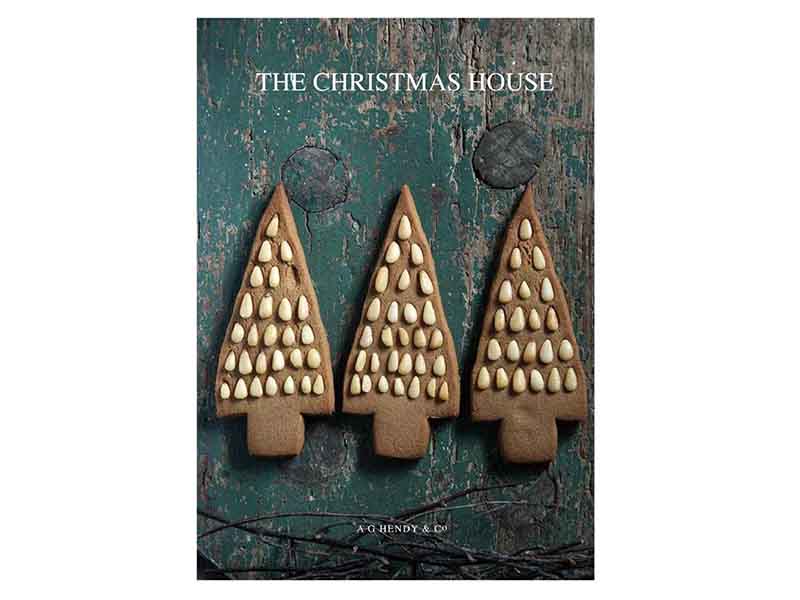
There are Christmas stories, and then there are Christmas house storiesthe kind where the front porch practically jingles, the kitchen smells like cinnamon, and every room seems to be holding a secret wrapped in ribbon. The Christmas House Book is a phrase that instantly suggests warmth, nostalgia, family drama, festive decorating, and the comforting belief that a home can become more than four walls when the holidays arrive. It can become a memory machine, a healing place, and, if the author is feeling generous, a setting where someone finally admits what everyone else figured out three chapters ago.
In the world of books, “The Christmas House” is not limited to one single idea. It appears across several beloved holiday works, including Beverly Lewis’s Amish Christmas novella, Victoria James’s heartwarming romance novel, and Ann Turner’s children’s book filled with poetic memories of holiday rooms. Together, these works reveal why readers keep returning to Christmas houses in fiction: they offer atmosphere, emotional repair, tradition, and the delicious promise that snow plus secrets equals page-turning comfort.
This article explores what makes The Christmas House Book such a compelling topic, why holiday homes work so well in storytelling, and how readers can enjoy these books as part of a seasonal ritual. Consider this your literary invitation to step inside, wipe your boots, and pretend you did not come mainly for the cookies.
What Is “The Christmas House Book” Really About?
At its heart, The Christmas House Book is about the emotional power of home during the holiday season. A Christmas house in literature is rarely just a decorated building. It is a character. It creaks, glows, remembers, forgives, and occasionally forces people into the same room until they finally communicate like adults. That last part is especially useful in romance novels.
In Beverly Lewis’s The Christmas House, the holiday setting draws on the author’s familiar themes of faith, family, Amish community life, and simple seasonal traditions. The story is connected to Hickory Hollow and Lancaster County, places that already carry a strong sense of heritage, community, and slower rhythms. The Christmas house atmosphere becomes a backdrop for love, kindness, and renewal rather than flashy spectacle.
Victoria James’s The Christmas House takes the idea in a different direction. Her novel centers on a historic bed-and-breakfast in the fictional town of Silver Springs, where Christmas Eve hospitality has become a long-standing tradition. The house is not just charming; it is a gathering place for people with wounds, hopes, and unfinished conversations. In other words, it is exactly the type of house where one should expect twinkle lights, emotional revelations, and possibly a grandmother who knows more than she lets on.
Ann Turner’s The Christmas House, originally published for children, approaches the theme through rooms, memory, and family excitement. Each room carries echoes of past holidays, turning the house into a collection of small emotional snapshots. That structure makes the book especially appealing for families who enjoy reading aloud, because children can imagine the holiday unfolding room by room.
Why Christmas Houses Make Such Good Stories
Christmas-house books work because the setting already comes pre-loaded with emotion. A regular hallway is just a hallway. A Christmas hallway with garland, old family photos, and one flickering candle suddenly becomes a portal to five generations of unresolved feelings. Authors know this. Readers know this. The hallway knows this too.
1. A House Creates Instant Atmosphere
Holiday fiction depends heavily on mood. A Christmas house allows writers to build that mood quickly: a glowing window, a wreath on the door, stockings by the fireplace, snow on the roof, gingerbread cooling in the kitchen. These details do more than decorate the story. They make readers feel physically present in the book. A well-written Christmas house can make someone crave hot chocolate even if they are reading in July under an air conditioner that sounds like an old tractor.
2. Home Is Where Old Conflicts Return
Many holiday stories are built around returning home. That return is powerful because home remembers everything. Childhood arguments, family recipes, old crushes, missing loved ones, and mistakes nobody wants to mention at dinner all come back when characters cross the threshold. The house becomes a stage where the past and present meet.
This is why Christmas-house books often include family reunions, second-chance romance, inherited property, or community traditions. The building gives everyone a reason to gather. Once gathered, they cannot escape the emotional plot. Very efficient. Slightly rude. Great for fiction.
3. Holiday Traditions Add Meaning
Christmas houses are full of rituals: decorating the tree, baking cookies, hanging stockings, lighting candles, singing carols, hosting guests, setting the table, or opening the door to someone in need. These traditions give stories structure. They also remind readers that holidays are not only about perfection. They are about repetition, remembrance, and the tiny details families carry forward even when life changes.
Beverly Lewis’s “The Christmas House”: Faith, Family, and Quiet Holiday Charm
Beverly Lewis is widely associated with Amish fiction, and her The Christmas House fits naturally into that tradition. The novella offers a gentle Christmas reading experience built around faith, love, community, and seasonal warmth. Rather than relying on high-speed drama, it leans into the pleasure of a smaller world: local customs, meaningful conversations, and the feeling that kindness can still change the direction of a life.
One reason this kind of Christmas book appeals to readers is its contrast with modern holiday overload. Many people spend December juggling shipping deadlines, school events, office parties, family expectations, and the annual mystery of where the tape went. A quieter holiday novella gives readers a place to breathe. It says, in effect, “Come sit down. The internet can panic without you for a few hours.”
In Lewis’s holiday world, the Christmas house is not about luxury. It is about welcome. The beauty comes from sincerity: handmade touches, shared meals, honest faith, and relationships repaired through patience. For fans of inspirational fiction, this creates a comforting seasonal read that feels emotionally safe without being empty. The conflicts matter, but the tone remains warm.
Victoria James’s “The Christmas House”: Romance, Hospitality, and Small-Town Magic
Victoria James’s The Christmas House offers another popular version of the theme: the Christmas house as a romantic and communal refuge. The historic bed-and-breakfast at the center of the story has hosted strangers in need on Christmas Eve for decades. That premise immediately creates emotional stakes. A house that welcomes strangers is a house built for transformation.
Small-town Christmas romance often works because it gives readers a complete seasonal ecosystem. There are decorated downtown shops, familiar faces, community events, old buildings, and enough holiday spirit to power a modest village of snow globes. In this kind of story, the house becomes the heart of the town. People arrive carrying disappointment, grief, longing, or stubbornness, and the setting gently pushes them toward connection.
James’s version also shows why “Christmas house” stories often feel cinematic. Readers can see the rooms, smell the baking, hear the doorbell, and imagine the snowfall. It is the literary cousin of a cozy holiday movie, except the reader controls the pacing and can reread the charming parts without anyone judging them.
Ann Turner’s “The Christmas House”: A Child’s View of Holiday Memory
Ann Turner’s children’s book brings a more poetic and family-centered interpretation to the theme. Instead of focusing on adult romance or community drama, it looks at the house as a container for holiday memories. Each room has meaning. Each space carries excitement. The ordinary home becomes magical because the family’s traditions make it so.
This approach is especially useful for young readers. Children understand houses room by room: the kitchen where good smells happen, the living room where the tree appears, the bedroom where they are absolutely not sleeping because tomorrow is Christmas, and the hallway where adults whisper things they are not supposed to hear. A Christmas house book for children turns those familiar spaces into a gentle celebration of anticipation.
For parents, teachers, and grandparents, books like this can be used to start conversations about family traditions. What makes a room feel festive? Which holiday object has a story? Why do certain smells or decorations make people remember the past? A simple Christmas book can become a family archive, minus the dusty boxes in the attic that everyone promises to organize “next weekend.”
The Christmas House as a Symbol
The phrase The Christmas House Book works so well for SEO and readers because it combines two powerful search ideas: Christmas and home. Christmas suggests celebration, nostalgia, gifts, faith, food, and family. House suggests shelter, belonging, interior beauty, memory, and personal history. Put them together and you have a concept that feels instantly emotional.
In literature, the Christmas house often symbolizes three things: welcome, healing, and continuity. Welcome appears through open doors, guest rooms, shared meals, and hospitality. Healing happens when characters confront what they have avoided. Continuity appears in ornaments, recipes, old furniture, handwritten cards, or traditions passed from one generation to the next.
That symbolism is not limited to fiction. American Christmas traditions have long included home decoration, trees, wreaths, lights, handmade ornaments, festive greenery, and special meals. Over time, the decorated home became one of the central images of the holiday season. Books that focus on Christmas houses tap into that cultural memory, which is why they feel familiar even when the characters are new.
How to Read “The Christmas House Book” as a Holiday Tradition
Reading a Christmas house book is best treated as an event, not a chore. This is not the kind of book you rush through while standing in line at the grocery store holding cranberries and mild resentment. It deserves atmosphere.
Create a Reading Corner
Choose a comfortable chair, a soft blanket, and warm lighting. Add a mug of tea, cocoa, or coffee. If you have a fireplace, excellent. If not, a candle and a dramatic imagination will do. The goal is to create your own small Christmas house inside the room where you are reading.
Pair the Book With a Simple Tradition
Read one chapter after decorating the tree. Read another after baking cookies. Read aloud to children before bedtime. Pairing a book with a ritual makes it memorable. Eventually, the story becomes part of the season, just like the ornament nobody can identify but everyone refuses to throw away.
Look for the House Details
As you read, pay attention to how the author uses rooms, objects, and decorations. Does the kitchen represent comfort? Does the front door represent hospitality? Does the attic hide old memories? Does the Christmas tree bring people together? These details are often doing more storytelling work than they appear to be doing.
Who Will Enjoy The Christmas House Book?
The Christmas House Book will appeal to several kinds of readers. Fans of clean romance and inspirational fiction may enjoy Beverly Lewis’s gentle, faith-filled approach. Readers who love small-town holiday romance may prefer Victoria James’s emotional bed-and-breakfast setting. Families and educators looking for a child-friendly seasonal read may appreciate Ann Turner’s memory-rich view of a Christmas home.
It is also a strong topic for readers interested in holiday decorating, family traditions, and cozy seasonal storytelling. The best Christmas house books do not simply describe pretty rooms. They show how rooms become meaningful because of the people who gather inside them.
Specific Examples of Christmas House Storytelling
Imagine a character returning to a family home after years away. The garland is still hung along the staircase, but one person is missing from the table. That decoration now carries grief and comfort at the same time. Or picture a bed-and-breakfast owner opening the door to strangers on Christmas Eve. The act of hospitality becomes a plot engine, bringing together people who would never otherwise meet.
In a children’s Christmas house story, a room can become magical through ordinary details: paper snowflakes, a cookie tin, a handmade stocking, a box of ornaments, or a window glowing against the winter dark. The child reader learns that wonder does not always require dragons, portals, or billion-dollar visual effects. Sometimes it only requires a living room, a tree, and adults who finally let someone plug in the lights.
Why the Topic Works for Web Readers
From an SEO perspective, The Christmas House Book is a naturally attractive topic because it can serve multiple search intents. Some readers are looking for a specific book title. Others want Christmas book recommendations. Some want holiday home inspiration, while others are searching for cozy fiction to read in December. The title has enough flexibility to capture all of these audiences without feeling forced.
The topic also supports related keywords such as “Christmas house novel,” “holiday romance book,” “Christmas books for families,” “cozy Christmas fiction,” “Amish Christmas novella,” and “Christmas home traditions.” These phrases fit naturally because the subject itself is broad, emotional, and seasonal.
Most importantly, the phrase feels inviting. It does not sound like a cold database entry. It sounds like a door opening.
500-Word Experience Section: My Experience With the Idea of “The Christmas House Book”
The best way to understand The Christmas House Book is not only to analyze it as a literary theme, but to experience it as a seasonal mood. Every reader has some version of a Christmas house in memory. It may be a grand home with candles in every window, or it may be a small apartment where the tree leaned slightly to the left because nobody could find the missing stand screw. The size of the house matters far less than the feeling inside it.
One of the most relatable experiences connected to Christmas house stories is the way ordinary objects become emotionally oversized during the holidays. A chipped mug suddenly becomes “the Christmas mug.” A recipe card with messy handwriting becomes a family treasure. A box of tangled lights becomes a test of character, patience, and possibly basic engineering. These little details are exactly what Christmas house books capture so well. They remind us that home is made from repeated gestures.
Reading a Christmas house book at the end of a long day can feel like stepping into a warmer room. The appeal is not only the plot. It is the sense of being welcomed. In real life, December can be messy. People are busy. Plans change. Someone forgets batteries. Someone else brings a dessert that looks suspiciously store-bought despite dramatic claims of “family tradition.” Holiday fiction gives us a shaped version of that chaos, one where the emotional clutter eventually finds its place.
Another powerful experience is reading these books with others. A parent reading a Christmas house story to a child may find that the child is less interested in literary symbolism and more interested in whether the cookies in the book are real. That is perfectly valid criticism. But over time, the child may remember the feeling of being read to more than the exact storyline. The book becomes part of the room, part of the evening, part of Christmas itself.
Adults experience the theme differently. A Christmas house book can bring comfort because it lets readers revisit the idea of home without requiring home to be perfect. In many stories, the house contains loss, disagreement, longing, and uncertainty. Yet it still glows. That is the emotional genius of the genre. The Christmas house does not deny difficulty; it decorates around it, feeds it something warm, and asks it to sit down for a while.
For anyone building a holiday reading tradition, The Christmas House Book can become an annual ritual. Choose one cozy seasonal title each December. Read it near the tree, beside a window, or in the one chair nobody else in the family is allowed to claim during reading time. Add a snack. Add music if it helps. Let the book slow the season down. The world will keep rushing, but for a chapter or two, the house can be quiet, the story can glow, and the reader can remember that Christmas is often found in small rooms, familiar voices, and pages turned by soft light.
Conclusion: Why The Christmas House Book Still Feels Magical
The Christmas House Book endures because it brings together the things readers want most from holiday storytelling: atmosphere, belonging, tradition, healing, and a touch of romance or wonder. Whether the story is an Amish Christmas novella, a small-town romance, or a children’s book about holiday rooms, the core idea remains the same. A house becomes meaningful when people fill it with memory, generosity, and love.
That is why Christmas house books are more than seasonal entertainment. They are reminders that home is not built in one perfect December. It is built year after year, through meals, stories, ornaments, forgiveness, laughter, and the occasional heroic battle with tangled lights. The magic is not only in the decorations. It is in the people who gather beneath them.
Note: This article was written as original SEO content based on publicly available information about Christmas house books, holiday fiction, and American Christmas home traditions. No source links or content reference tags are included in the publishable body copy.














