
Two-year-olds are tiny literary critics with very strong opinions. One minute they are hugging a board book like it is a beloved teddy bear; the next, they are trying to taste the corner to confirm whether the plot has enough flavor. That is exactly why choosing the best books for 2-year-old boys and girls matters. At this age, books are not just “nice to have.” They are language builders, bedtime helpers, imagination starters, and sometimes the only thing standing between a peaceful evening and a full toddler negotiation summit.
The best books for 2-year-olds in 2023 share a few important qualities: sturdy pages, bold pictures, rhythmic language, simple stories, humor, repetition, and opportunities for children to point, guess, shout, laugh, or proudly announce, “Again!” Great toddler books do not need complicated plots. In fact, a duck, a truck, a caterpillar, or a very sleepy bunny can do heroic work when the words are fun to hear and the pictures invite little hands and eyes to explore.
This list includes classic board books, beloved picture books, interactive favorites, bedtime stories, concept books, and funny read-alouds that work beautifully for both boys and girls. The goal is not to create a perfect bookshelf that impresses adults. The goal is to build a bookshelf your toddler actually wants to visit every day.
How to Choose the Best Books for 2-Year-Olds
At age two, children are developing vocabulary quickly, learning emotional words, recognizing familiar routines, and beginning to understand simple story sequences. A good toddler book should feel like play. Look for books with repeated phrases, bright illustrations, familiar animals, daily routines, counting, colors, body parts, vehicles, food, bedtime, and big feelings. Board books are especially useful because they can survive page-turning enthusiasm, backpack travel, snack crumbs, and the occasional dramatic toss from the couch.
Parents and caregivers should also choose books they can tolerate reading many, many times. Toddlers love repetition because it makes them feel confident. Adults love variety because sanity is also important. A balanced toddler library should include quiet bedtime books, silly books, interactive books, books about emotions, and simple vocabulary builders.
20 Best Books for 2-Year-Old Boys and Girls in 2023
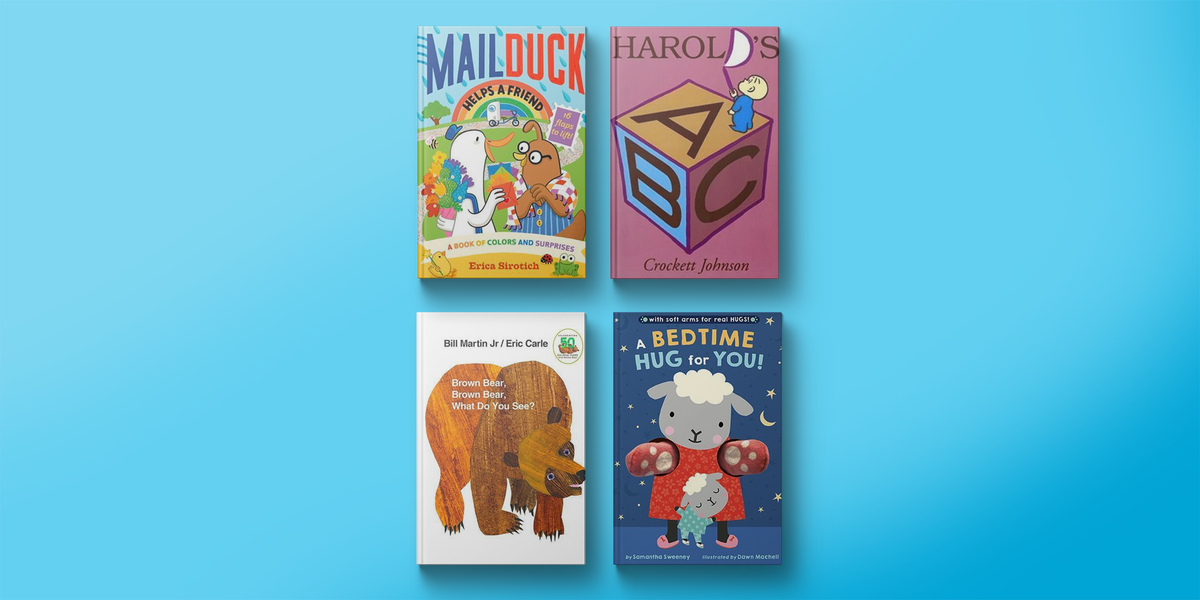
1. Brown Bear, Brown Bear, What Do You See? by Bill Martin Jr. and Eric Carle
This rhythmic classic is practically a toddler participation machine. The repeated question-and-answer pattern helps children predict what comes next, while Eric Carle’s colorful animals make it easy for little readers to point and name what they see. It is excellent for teaching colors, animals, memory, and early language confidence.
2. Goodnight Moon by Margaret Wise Brown
Few bedtime books have the calming power of this quiet classic. The gentle goodnights, familiar room objects, and soft rhythm make it perfect for winding down. It is especially useful for toddlers who need a predictable bedtime routine. The story is simple, but the ritual is the magic.
3. The Very Hungry Caterpillar by Eric Carle
A hungry caterpillar eats his way through fruit, snacks, and one very memorable tummy ache before becoming a butterfly. Toddlers love the holes in the pages, the food, the counting, and the colorful transformation. Adults love that it introduces days of the week, numbers, healthy foods, and nature without feeling like homework.
4. Dear Zoo by Rod Campbell
This lift-the-flap favorite is ideal for curious toddlers. Each page reveals an animal that is not quite right as a pet until the final surprise. The simple structure encourages guessing, animal sounds, and lots of page interaction. It is short, sturdy, and perfect for “one more book” requests.
5. Where’s Spot? by Eric Hill
Spot the puppy has been hiding from toddlers for decades, and somehow they never get tired of finding him. The flaps, animal surprises, and familiar search game make this book a winner for 2-year-olds. It also supports early problem-solving and vocabulary as children learn words like under, behind, inside, and no.
6. Chicka Chicka Boom Boom by Bill Martin Jr. and John Archambault
If the alphabet had a dance party, this would be it. The bouncing rhythm and bold illustrations turn letters into characters climbing a coconut tree. Two-year-olds may not master the alphabet yet, but they can enjoy the sounds, movement, and excitement. It is a great first step toward letter awareness.
7. The Going-To-Bed Book by Sandra Boynton
Sandra Boynton understands toddler humor better than almost anyone. In this silly bedtime book, animals take a bath, brush their teeth, exercise, and eventually go to sleep. The rhyme is smooth, the pictures are funny, and the routine is familiar enough to help children connect the story to their own bedtime habits.
8. Llama Llama Red Pajama by Anna Dewdney
This emotional bedtime favorite captures a very real toddler fear: being alone after lights-out. Little Llama worries when Mama Llama does not come right away. The rhyming text and warm ending help children name feelings like worry, patience, and comfort. It is especially helpful for bedtime separation anxiety.
9. Little Blue Truck by Alice Schertle
Trucks, animals, mud, and teamwork: this book knows its audience. The cheerful rhymes and animal sounds make it a fun read-aloud, while the story gently teaches kindness and helping others. It is a strong choice for toddlers who love vehicles, farm animals, or shouting “beep!” at exactly the right moment.
10. Giraffes Can’t Dance by Giles Andreae
Gerald the giraffe feels clumsy until he finds his own music. While some 2-year-olds may not understand every emotional layer, they will enjoy the animals, dancing, and expressive illustrations. As children grow, the message about confidence and being yourself becomes even more meaningful.
11. Press Here by Hervé Tullet
This interactive book feels almost like magic. Children press dots, shake the book, clap, and watch what “happens” on the next page. It teaches cause and effect, following directions, colors, counting, and turn-taking. Best of all, it proves that a book does not need batteries to be wildly entertaining.
12. First 100 Words by Roger Priddy
Vocabulary books are not glamorous, but toddlers often adore them. This photo-based book introduces familiar objects, animals, foods, toys, and everyday items. It is excellent for pointing games: “Where is the banana?” “Can you find the car?” For children building speech, this kind of clear labeling can be especially helpful.
13. The Pout-Pout Fish by Deborah Diesen
With its memorable rhymes and expressive ocean characters, this book is fun for toddlers who enjoy big facial expressions and silly voices. The story gives caregivers a chance to talk about moods, friendship, and how faces can show feelings. Read it with dramatic flair; the poutier the voice, the better.
14. Potty by Leslie Patricelli
Potty training books work best when they are simple, funny, and not too bossy. Leslie Patricelli’s cheerful toddler character wonders where to go and eventually celebrates success. The language is short and clear, making it easy for 2-year-olds to follow. It can help make potty learning feel normal instead of mysterious.
15. The Snowy Day by Ezra Jack Keats
This gentle classic follows Peter as he explores a snowy neighborhood. The story celebrates curiosity, quiet wonder, and everyday adventure. It is a beautiful choice for toddlers because the actions are easy to understand: walking, making tracks, packing snow, and remembering a special day outside.
16. Corduroy by Don Freeman
Corduroy is a sweet story about a teddy bear who wants a home and a little girl who sees his worth. For younger 2-year-olds, it may be a sit-together picture book rather than an independent board book. For older toddlers, it introduces friendship, belonging, and the joy of finding a treasured toy.
17. Jamberry by Bruce Degen
This book is pure berry-flavored nonsense in the best possible way. The rhymes are playful, the illustrations are busy and cheerful, and the language invites giggles. It is excellent for building sound awareness because children hear patterns, rhythms, and wordplay. Also, it may cause sudden requests for snacks.
18. Time for Bed by Mem Fox
Soft, soothing, and tender, this bedtime book pairs sleepy animals with gentle language. It is a lovely choice for calming a busy toddler after a long day. The repeated bedtime pattern reassures children and gives caregivers a peaceful script for slowing the room down.
19. Guess How Much I Love You by Sam McBratney
Little Nutbrown Hare and Big Nutbrown Hare compare how much they love each other in this warm, comforting story. The message is simple and timeless: love can be stretched, jumped, measured, and still be bigger than words. It is a strong bedtime or cuddle-time pick.
20. Peek-a-Who? by Nina Laden
This short, playful guessing book is excellent for younger toddlers and still fun for many 2-year-olds. The peekaboo format, rhyming clues, and mirror surprise make it interactive and quick. It is perfect for wiggly readers who want a complete story but do not plan to sit still for a literary marathon.
Best Types of Books for 2-Year-Old Boys and Girls
Board Books
Board books are the champions of toddler life. They are sturdy, small enough for little hands, and built to handle enthusiastic page turning. Many of the best books for 2-year-olds come in board book editions, including Goodnight Moon, Dear Zoo, Where’s Spot?, and The Very Hungry Caterpillar.
Rhyming Books
Rhyming books help children hear the music of language. When toddlers listen to repeated sounds, they begin to notice patterns. Books like Jamberry, Little Blue Truck, and Llama Llama Red Pajama are fun to read aloud because the rhythm carries the child forward.
Interactive Books
Lift-the-flap, touch-and-feel, and action-based books are excellent for toddlers who like to move. Press Here, Dear Zoo, and Where’s Spot? turn reading into a game. This is especially useful for children who are not naturally calm during story time.
Books About Feelings
Two-year-olds have big feelings in small bodies. Books can help them understand emotions without a lecture. Llama Llama Red Pajama, The Pout-Pout Fish, and Giraffes Can’t Dance offer simple ways to talk about worry, sadness, confidence, and comfort.
Concept Books
Concept books introduce words for colors, numbers, animals, objects, letters, and routines. First 100 Words, Brown Bear, Brown Bear, What Do You See?, and Chicka Chicka Boom Boom help toddlers connect words with pictures and ideas.
Tips for Reading With a 2-Year-Old
Reading with a toddler does not have to look like a perfect story hour. In fact, it probably will not. Your child may skip pages, interrupt with animal noises, walk away, return with a banana, and demand the same book again from the beginning. That still counts as reading.
Let your toddler hold the book, turn pages, point at pictures, and ask questions. Use silly voices. Pause before repeated lines so your child can fill in the words. Talk about the pictures even if you do not read every sentence. Ask simple questions like, “Where is the dog?” or “What sound does the cow make?” These tiny interactions build vocabulary and attention.
Most importantly, keep story time positive. If your toddler only lasts three minutes, that is fine. A joyful three-minute reading session is better than a forced twenty-minute battle. The goal is to make books feel like love, comfort, laughter, and discovery.
Experience-Based Advice: What Actually Works When Reading to 2-Year-Olds
After spending time around toddlers and watching how families use books in daily routines, one thing becomes clear: the “best” book is often the one a child wants to hear again and again. Adults may admire beautiful illustrations, award stickers, or educational value, but toddlers vote with their bodies. They bring the book to you. They climb into your lap. They point at the same page. They laugh before the funny part arrives because they already know it is coming.
One practical experience is that bedtime books should be calm, predictable, and not too exciting. Goodnight Moon, Time for Bed, and Guess How Much I Love You work well because they create a soft landing. A book like Press Here, while brilliant, may turn bedtime into a tiny fitness class if your toddler becomes too energized. Save the highly interactive books for daytime or early evening unless your child is one of those rare unicorn toddlers who can clap, shake, laugh, and then peacefully sleep.
Another useful lesson: toddlers connect deeply with books that match their current obsession. If a child loves trucks, Little Blue Truck may become a family anthem. If animals are the main attraction, Brown Bear, Brown Bear and Dear Zoo are easy wins. If potty training is happening, a book like Potty can make the process feel less strange. Following a toddler’s interest is not spoiling them; it is building a bridge between their world and the world of books.
Repetition can test adult patience, but it is incredibly useful for toddlers. When a child asks for the same story every night, they are not trying to break you. They are practicing memory, prediction, language, and emotional security. The repeated phrases become familiar landmarks. Eventually, your toddler may “read” parts of the book from memory, which is an early sign of narrative understanding and confidence.
It also helps to keep books in several places, not just on a bedroom shelf. A small basket in the living room, a few board books near the changing area, one in the car, and one in a diaper bag can turn random waiting moments into reading moments. Toddlers do not always need a formal story time. Sometimes they need a book while dinner cools down or while everyone waits at an appointment.
Finally, adults should not worry too much about reading every word exactly as printed. With toddlers, conversation matters. Point to the caterpillar and say, “He looks hungry!” Count the berries. Make the truck beep. Ask whether the llama looks worried. These comments turn a book into a shared experience. The real success is not finishing the page. The success is your child associating books with attention, warmth, and fun.
Conclusion
The best books for 2-year-old boys and girls in 2023 are durable, engaging, funny, comforting, and easy to read aloud. From classics like Goodnight Moon and The Very Hungry Caterpillar to interactive favorites like Press Here and Dear Zoo, the strongest toddler books invite children to participate. They help little readers learn words, understand feelings, recognize routines, and enjoy the rhythm of language.
A great toddler bookshelf does not need to be huge. It needs books your child loves, books you can happily reread, and books that fit different moments of the day. Choose a few silly books, a few bedtime books, a few vocabulary builders, and a few stories with heart. Then read them often, read them playfully, and do not be surprised when your 2-year-old develops very serious literary preferences before they can pronounce “caterpillar.”
Note: This article is written for web publication and is based on real toddler literacy guidance and widely recommended children’s books. No external source links or unnecessary citation placeholders are included in the publishable HTML content.













