
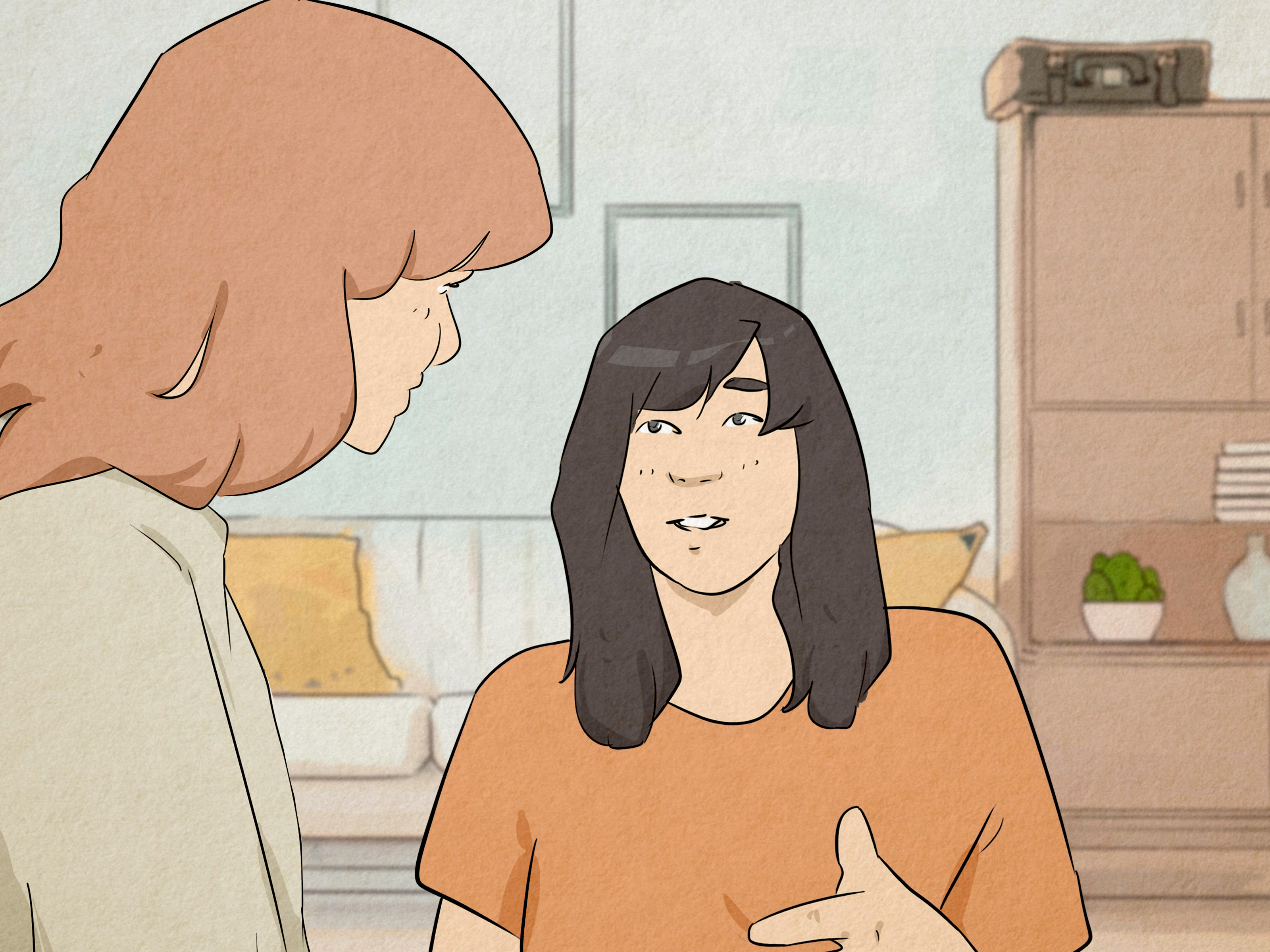
Being touch starved can feel strangely hard to explain. You may have friends, a job, a phone full of group chats, and still feel like something quiet and human is missing. Maybe you miss hugs. Maybe you miss sitting shoulder-to-shoulder with someone safe. Maybe you miss the simple comfort of a hand on your back that says, “You are not alone,” without launching into a motivational podcast.
Touch starvation, sometimes called skin hunger or touch deprivation, refers to the emotional and physical longing for safe, consensual, non-sexual touch. It can happen after a breakup, during a long period of isolation, while living far from family, after moving to a new city, while working remotely, or simply during a season when your relationships feel emotionally distant. It is not “dramatic.” It is not “needy.” It is a very human response to missing a form of connection that the body understands before the brain even writes a sentence about it.
The good news: you do not have to fix everything overnight. Coping with being touch starved is less about forcing instant intimacy and more about rebuilding safe connection, comfort, and nervous-system calm in realistic ways. Below are four healthy, practical ways to cope with touch starvation while respecting your boundaries and other people’s boundaries too.
What Does It Mean to Be Touch Starved?
Being touch starved means you are not receiving as much safe physical contact as your body and emotions are used to, or as much as you need to feel connected and regulated. This can include missing hugs, hand-holding, cuddling, pats on the shoulder, friendly embraces, family closeness, or even everyday casual contact like sitting beside someone you trust.
Physical touch is one of the earliest forms of comfort humans experience. A baby does not need a TED Talk on emotional regulation; a calm caregiver’s touch often does the work first. As adults, we still respond to warmth, pressure, closeness, and safe contact. A hug from the right person can sometimes communicate what a 17-message text thread cannot: safety, belonging, and emotional presence.
Touch starvation may show up as loneliness, restlessness, irritability, sadness, trouble sleeping, feeling emotionally “flat,” or craving closeness more intensely than usual. Some people notice they become extra attached to pets, blankets, pillows, or comfort objects. Others feel embarrassed by the craving and try to ignore it, which usually works about as well as ignoring a smoke alarm by putting on headphones.
The goal is not to judge the need. The goal is to understand it and respond with care.
1. Rebuild Safe, Consensual Physical Connection
The most direct way to cope with being touch starved is to gently increase safe, consensual physical connection. The key words are safe and consensual. Healthy touch should never feel pressured, confusing, or owed. It should respect everyone involved.
Start with people you already trust
If you have close friends, siblings, parents, relatives, or a partner, begin with simple, low-pressure requests. You do not have to deliver a dramatic speech under a rainy window. Try something natural and specific:
- “Can I have a hug? I’ve had a long day.”
- “I’m trying to be less awkward about asking for support. Would a quick hug be okay?”
- “Can we sit together for a bit?”
- “I miss being around people. Want to hang out in person this weekend?”
Specific requests make things easier. “I need more human connection” is true, but it can feel huge. “Can I have a hug?” gives the other person a clear, respectful choice.
Use consent as a comfort tool, not a mood killer
Some people worry that asking for consent makes affection feel stiff. In reality, consent can make touch feel safer and more relaxed. Asking “Is a hug okay?” is not cold. It is considerate. It tells the other person, “Your comfort matters too.” That is exactly the kind of emotional safety that makes touch meaningful.
You can also create small rituals with trusted people. For example, hug your parent before leaving the house, greet a close friend with a fist bump or side hug, or sit beside your sibling during a movie instead of retreating to separate corners like two suspicious cats. Small repeated moments can help your body feel less deprived over time.
Consider professional touch services carefully
Massage therapy can be a healthy option for some people because it provides structured, professional, boundaried touch. It is not a replacement for emotional intimacy, but it may help with relaxation, muscle tension, and stress. Look for licensed professionals, reputable clinics, clear policies, and an environment where you feel comfortable speaking up about pressure, boundaries, and preferences.
A haircut, manicure, physical therapy appointment, or sports recovery session may also provide appropriate forms of human contact in a professional context. Again, the point is not to “buy closeness.” It is to give your nervous system safe, respectful experiences of contact while you build deeper connection elsewhere.
2. Use Self-Soothing Touch to Calm Your Nervous System
When you cannot get a hug from someone else, your body can still respond to gentle self-soothing touch. This may sound too simple, but simple does not mean useless. Drinking water is simple too, and nobody says, “Wow, hydration is such a basic coping mechanism.”
Try grounding touch
Grounding touch means using your own hands, body pressure, or comforting textures to signal safety to your nervous system. You can try:
- Placing one hand on your chest and one on your stomach while breathing slowly.
- Wrapping your arms around yourself in a firm, comfortable self-hug.
- Resting a hand on the back of your neck or over your heart.
- Using slow self-massage on your shoulders, hands, scalp, or feet.
- Holding a warm mug, soft blanket, pillow, or stuffed animal.
The magic is not in pretending self-touch is the same as being hugged by someone you love. It is not. The benefit is that self-soothing touch gives your body a signal of warmth, pressure, and care. It can help you pause instead of spiraling into “I will be lonely forever and probably become a mysterious lighthouse keeper.”
Add warmth and pressure
Warmth and gentle pressure can be especially comforting. A warm shower, heating pad, cozy hoodie, or weighted blanket may help some people feel calmer. Weighted blankets are not a guaranteed cure for anxiety or loneliness, and they are not for everyone. But for some people, the deep pressure feels grounding, like being tucked into a burrito with better emotional boundaries.
If you use a weighted blanket, choose one you can move under and remove easily. Avoid using one in any situation where breathing, movement, or safety could be an issue. Comfort should feel comforting, not like you are being pinned by an overly affectionate sofa.
Create a five-minute comfort routine
When touch starvation hits hardest, decision-making can feel exhausting. Create a short routine you can repeat without thinking too much:
- Put on comfortable clothes.
- Hold a warm drink or wrap yourself in a blanket.
- Place one hand on your chest and breathe slowly for one minute.
- Stretch your neck, shoulders, and hands.
- Text one safe person or plan one in-person interaction.
This routine does two things at once: it calms your body in the moment and points you back toward real connection. That combination matters because touch starvation is both a body feeling and a relationship signal.
3. Build More In-Person Social Connection
Touch starvation is often tangled with loneliness. You may not only miss touch; you may miss being physically present with people. Video calls are helpful, but sometimes your nervous system wants proof that other humans are not just tiny talking rectangles living in your laptop.
Choose activities that naturally create belonging
You do not have to walk up to strangers and announce, “Hello, I am seeking meaningful human contact.” Please do not make your local coffee shop carry that emotional burden. Instead, join environments where connection can grow naturally:
- Fitness classes, yoga, dance, martial arts, or recreational sports.
- Volunteer groups, community events, or local cleanups.
- Book clubs, art workshops, cooking classes, or music groups.
- Faith communities, cultural groups, or student clubs if they fit your life.
- Regular meetups with friends, even if they are short and simple.
These spaces help because they reduce the pressure to create instant closeness. You show up, do the activity, see familiar faces, and slowly become part of a rhythm. Over time, friendly touch may happen naturally: a high-five after a game, a congratulatory hug, a handshake, a shoulder tap, or simply sitting close enough to feel included.
Make plans that are easy to repeat
One big mistake lonely people make is waiting for the perfect social plan. Perfect plans are rare. Repeatable plans are better. A weekly walk with a friend, Sunday dinner with family, a monthly board-game night, or a standing coffee meetup can do more for your emotional health than one grand event followed by six weeks of isolation.
Think of connection like brushing your teeth. You do not brush once in February and declare dental wellness handled for the year. Human connection works best when it becomes part of your routine.
Be honest without oversharing
You can tell trusted people that you have been feeling isolated without making the conversation too heavy. Try:
“I realized I’ve been spending too much time alone lately. I’m trying to make more in-person plans. Want to grab lunch this week?”
This kind of honesty gives people a doorway. Many people are also lonely but assume everyone else is fully booked, emotionally moisturized, and thriving. Your invitation may be exactly what they needed too.
4. Strengthen Emotional Intimacy and Ask for Support
Physical touch feels best when it is connected to emotional safety. That means coping with being touch starved is not only about getting more hugs. It is also about building relationships where you feel seen, respected, and secure.
Look at the deeper need underneath the craving
Ask yourself: What am I really missing right now?
- Comfort after stress?
- Reassurance that someone cares?
- A sense of belonging?
- Physical calm before sleep?
- Affection without pressure?
- Stability after a breakup or major life change?
Knowing the deeper need helps you choose the right response. If you need reassurance, a heartfelt conversation may help more than a random social event. If you need body calm, massage, stretching, warmth, or a weighted blanket might help. If you need belonging, recurring group activities may be the better medicine.
Talk to a mental health professional if the loneliness feels heavy
Touch starvation can become more intense when mixed with depression, anxiety, grief, trauma, or major life transitions. A therapist or counselor can help you understand your patterns, practice asking for support, and build healthier relationships. Therapy is not only for crisis moments. It can also be a place to learn how to receive care without feeling ashamed of needing it.
If touch feels complicated because of past experiences, professional support becomes even more important. Some people crave touch but also feel afraid of it. Others avoid closeness until loneliness becomes unbearable. These patterns are workable, but they deserve patience and skilled support.
Practice giving safe connection too
Connection is not only something you receive. It is also something you practice offering. You might check in on a friend, help a relative, spend focused time with a pet, volunteer, or become more physically present in conversations by putting your phone away. No, your phone will not perish if ignored for 20 minutes. It may even build character.
Offering warmth to others can remind you that you are not just a person with needs; you are also a person with care to give. That shift can soften shame and make connection feel more mutual.
Common Signs You May Be Touch Starved
Touch starvation can look different from person to person. Some people feel it emotionally; others notice it in their body first. Common signs include:
- Craving hugs, cuddling, hand-holding, or closeness.
- Feeling lonely even when you communicate with people online.
- Feeling unusually comforted by blankets, pillows, pets, or soft textures.
- Feeling sad, restless, tense, or irritable without knowing why.
- Missing a former partner, family member, or close friend partly because of physical comfort.
- Feeling emotionally disconnected after long periods of remote work, study, or isolation.
- Sleeping poorly because your body feels unsettled.
These signs do not mean something is wrong with you. They mean your body may be asking for safe connection, steady routines, and more emotional support.
What Not to Do When You Feel Touch Starved
When people feel deprived of affection, they may become tempted to make quick choices that do not actually meet the deeper need. It helps to pause before acting from loneliness.
Do not ignore boundaries
Your need for touch is valid, but other people’s comfort matters too. Always ask before hugging or touching someone, especially if you are not already close. Respecting boundaries makes connection safer for everyone.
Do not confuse attention with intimacy
A burst of attention may feel good for a moment, but it may not create the safety and steadiness your body is craving. Look for relationships and environments where care is mutual, respectful, and consistent.
Do not shame yourself
Needing touch does not make you weak. It makes you human. The same species that invented space travel also needs hugs, soup, and someone to say, “You good?” when we are clearly not good. Humans are impressive and ridiculous. Both things are true.
500-Word Experience Section: What Coping with Touch Starvation Can Feel Like in Real Life
For many people, being touch starved does not arrive with a dramatic announcement. It sneaks in quietly. You may notice it after a normal day when nothing terrible happened, yet you feel oddly hollow. You come home, drop your bag, scroll through your phone, laugh at a few videos, answer a few messages, and still feel like your body is waiting for something. Not entertainment. Not advice. Not another productivity hack from someone who alphabetizes their fridge. Just warmth. Presence. A moment of safe closeness.
One common experience is the “after-social-media loneliness.” You may spend an hour watching people travel, date, cook, dance, celebrate birthdays, and casually hug their friends in photos. Then you look around your room and realize you have not been touched kindly all week. That contrast can sting. Online connection can be fun and real in many ways, but it does not fully replace sitting beside someone, hearing them laugh in the same room, or getting a hug that lasts three seconds longer than politeness requires.
Another experience is missing touch after a breakup. People often talk about missing conversations, routines, and shared jokes, but they may feel embarrassed to admit they miss being held. Yet that is often one of the hardest parts. Your body got used to a certain kind of comfort, and when it disappears, the absence can feel physical. You may sleep badly, hug a pillow, or suddenly understand why weighted blankets became famous. It is not silly. It is grief showing up through the nervous system.
People who live far from family may feel touch starvation during holidays, stressful work periods, or quiet weekends. You can be independent and still miss your mom’s hug, your dad’s shoulder squeeze, your sibling leaning on you during a movie, or your friend throwing an arm around you after a joke. Independence does not cancel the need for affection. You can pay your own bills and still want to be comforted. In fact, after paying bills, many people deserve a hug and possibly a snack.
Coping often begins with small experiments. One person might start booking a monthly massage and realize their shoulders have been living near their ears for years. Another might ask a close friend, “Can we be hug people?” and discover the friend is relieved because they wanted the same thing. Someone else might join a dance class, not because they plan to become a professional dancer, but because movement around other people makes them feel alive again. A pet owner may spend more intentional time brushing, walking, or cuddling their dog or cat and notice their evenings feel less empty.
The most important experience is learning not to treat touch starvation as a personal failure. It is information. It tells you that your life may need more closeness, more in-person connection, more body-based calming, or more emotionally safe relationships. You do not have to solve it perfectly. You only have to start responding kindly. Send the text. Make the plan. Ask for the hug. Wrap yourself in the blanket. Sit in the room with people who make breathing feel easier. Little by little, the body learns again: connection is possible.
Conclusion
Being touch starved can feel lonely, awkward, and deeply personal, but it is also a common human experience. Safe physical touch helps many people feel connected, comforted, and emotionally regulated. When that touch is missing, your body may ask for it through restlessness, sadness, sleep trouble, or a craving for closeness.
The healthiest way forward is gentle and practical: rebuild safe consensual touch, use self-soothing techniques, create more in-person social connection, and strengthen emotional intimacy. You do not need to become wildly extroverted or start hugging strangers in grocery stores. Please do not. You simply need to treat your need for connection as real, valid, and worthy of care.
Note: This article is for general educational wellness content and is not a substitute for professional mental health care. If loneliness, anxiety, sadness, or emotional distress feels overwhelming or persistent, consider reaching out to a licensed counselor, therapist, doctor, or another trusted support person.













