
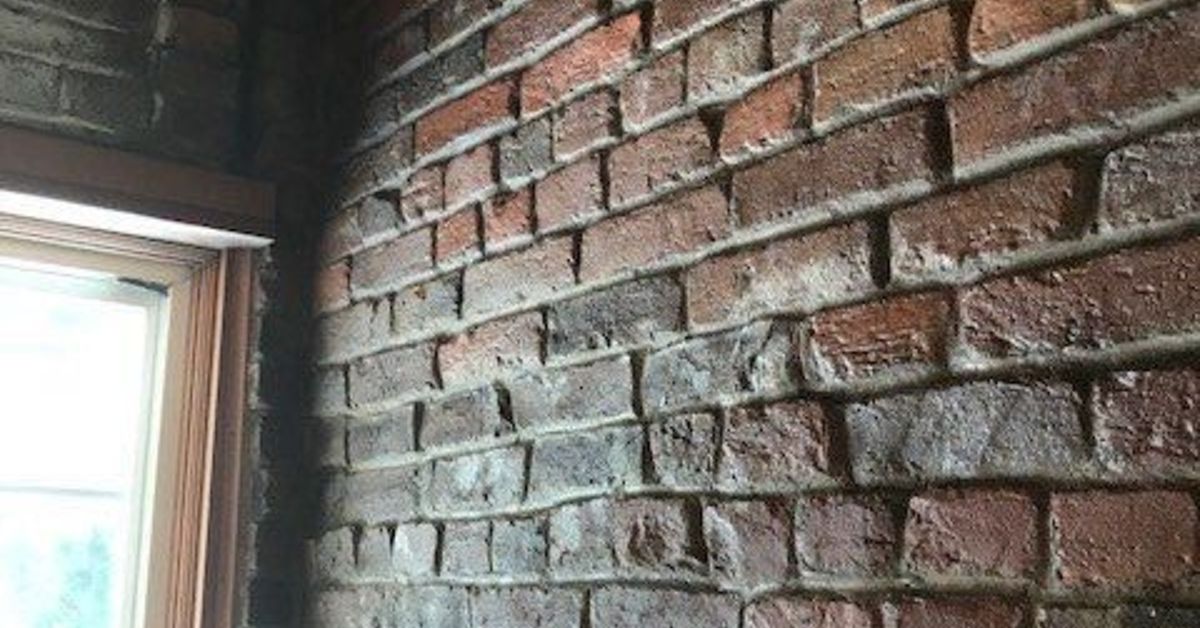
Brick is one of those home features that can feel charming, classic, and full of characteror like it has been staring at you in the same tired reddish-brown tone since the invention of canned soup. The good news is that you do not need a full renovation crew, a reality TV budget, or a mysterious designer named Claire who wears linen year-round to make it look fresh. With the right prep, the right finish, and a little design restraint, you can change your brick to farmhouse style in a day and make the whole room or exterior feel lighter, warmer, and more current.
Farmhouse style works especially well on brick because brick already brings texture, age, and a slightly imperfect surface. That is basically the design equivalent of arriving at the party with great cheekbones. Add a soft white or warm greige finish, bring in natural wood, layer black accents, and suddenly your brick feels less “builder-basic 1998” and more “weekend retreat where someone bakes sourdough on purpose.”
This makeover can work on a brick fireplace surround, an interior accent wall, a porch wall, a mudroom nook, or even select exterior brick surfaces. The trick is knowing when to use solid paint, when to use whitewash, when limewash makes more sense, and when to stop the train entirely because the brick needs repair first. A one-day transformation is possible, but only if you respect the material. Brick may look rugged, but it absolutely holds grudges when rushed.
What Makes Brick Look Farmhouse Instead of Just Painted?
A true farmhouse look is not just “make it white and hope for the best.” It usually combines a few visual cues: a light and airy palette, visible texture, a mix of old and new finishes, warm wood tones, matte or low-sheen surfaces, and simple dark accents that ground the space. The brick should still feel like brick, not like a plastic prop pretending to be a wall.
That is why finish choice matters so much. Opaque paint gives you the cleanest and most polished look. Whitewash lets some original brick color peek through for a softer, weathered effect. Limewash creates that old-world, chalky, breathable finish people love in both classic and modern farmhouse spaces. If your goal is bright, cozy, and timeless, any of the three can work. If your goal is “cover every sign this was once brick,” paint is the heavy hitter. If your goal is “aged charm with less commitment to perfection,” whitewash or limewash is your new best friend.
Can You Really Do It in a Day?
Yes, sometimes. But let’s put on our grown-up tool belt for one minute. A one-day makeover is realistic when the brick is fully cured, dry, structurally sound, and only needs light cleaning and cosmetic prep. It is also more realistic for interior brick, a fireplace surround, a small accent wall, or a limited exterior section rather than an entire house façade.
If the brick is brand new, heavily sooted, crumbling, damp, flaking, or part of a historic masonry surface, this is not your magical Saturday project. Brick that has moisture issues or deteriorating mortar needs repair before any finish goes on. Historic masonry deserves even more caution because harsh cleaning methods and careless coatings can do lasting damage. In other words, farmhouse style is cute, but not cute enough to ignore moisture or masonry failure.
Pick the Right Finish for the Look You Want
1. Painted Brick for a Crisp Farmhouse Finish
Choose this route if you want a cleaner, brighter, more uniform look. Painted brick works especially well when the rest of the room already includes farmhouse staples like a wood mantel, iron hardware, woven baskets, soft textiles, or shiplap above the fireplace. Solid paint is also useful if the original brick color clashes with your floors, furniture, or trim.
Good farmhouse shades include warm white, creamy ivory, soft greige, pale mushroom, and muted taupe. On exteriors, a light neutral body color with white trim and a dark accent such as black shutters or a black front door creates that classic farmhouse contrast without feeling trendy in a way that will embarrass you next year.
2. Whitewashed Brick for a Soft, Lived-In Look
Whitewashing is great when you want the farmhouse vibe without fully erasing the brick’s original color and texture. The finish is lighter, more casual, and a little more forgiving. It can make a fireplace or accent wall look aged in a good way, like it has stories, not problems. Whitewashed brick tends to pair beautifully with reclaimed wood mantels, vintage frames, linen curtains, and black-and-white decor.
It is also an excellent option if you are nervous about committing to fully painted brick. Think of it as the design version of flirting before marriage.
3. Limewashed Brick for Old-World Farmhouse Charm
Limewash has become wildly popular for farmhouse interiors and exteriors because it creates depth instead of flat color. It can look slightly cloudy, chalky, or distressed depending on how it is applied and washed back. It feels collected rather than manufactured, which is exactly why so many homeowners love it.
On the practical side, limewash and mineral-based masonry coatings are often chosen for their breathable qualities. That makes them especially appealing when you want a more natural-looking finish on brick and do not want the surface to feel sealed under a heavy paint film. The result is softer, more nuanced, and less “brand-new sandwich board at a craft fair.”
What You Need Before You Start
- Drop cloths and painter’s tape
- Scrub brush or wire brush
- Vacuum or shop vac for dust
- Mild soap and water, plus a stronger cleaner only if needed
- Sponges and rags
- Acrylic caulk or patching product for minor surface flaws
- Masonry or bonding primer for painted finishes
- Paint, whitewash mix, or limewash product
- Angled brush for mortar lines and edges
- Roller with a thicker nap for textured brick
- Protective gloves and good ventilation
If your brick is part of a fireplace surround, make sure the surface is cool, clean, and not actively exposed to flame where you plan to finish it. Always follow the paint or finish manufacturer’s instructions for heat exposure and safe application.
How to Change Your Brick to Farmhouse Style in a Day
Step 1: Clean Like You Mean It
Brick holds dust in every nook, cranny, pore, and tiny geological mood swing. Start by brushing away loose dirt and vacuuming the surface. Then wash with soap and water or a cleaner appropriate for masonry. If you are dealing with fireplace soot, heavier staining, mold, or mildew, you may need a stronger cleaner and extra ventilation.
Do not skip this part. Paint and decorative finishes do not magically bond to grime. They simply trap it in place forever, which is a terrible long-term relationship.
Step 2: Let It Dry Completely
This is the step impatient people hate and successful projects love. Brick needs to be dry before you prime or finish it. Moisture trapped under paint can lead to peeling, bubbling, or a finish that ages like milk in a hot car. If the brick still feels damp after cleaning, give it more time. A fan can help indoors, but do not fake confidence here.
Step 3: Patch Minor Flaws
Once the surface is clean, look for hairline cracks, tiny chips, or shallow imperfections. Fill minor cosmetic flaws with an appropriate acrylic caulk or patching product. If mortar is crumbling or bricks are loose, this is no longer a style project. That needs real repair before any decorative finish goes on.
Step 4: Prime if You’re Painting
If you are going with solid paint, primer is your best friend. It helps with adhesion, covers staining, and evens out the absorbency of porous masonry. Brush the mortar lines and edges first, then roll the larger faces of the brick. A thicker nap roller helps reach texture better, but you will still need a brush for the stubborn little valleys between bricks.
If you are applying a limewash or certain mineral-based finishes, follow that product’s instructions carefully because some do not use the same primer-first system as standard latex paint. This is one of those times when reading the label is not optional behavior.
Step 5: Apply Your Farmhouse Finish
For painted brick, work from top to bottom. Use a brush on the mortar joints and a roller for the main surface. Two thin coats usually look better and last longer than one thick coat that settles into every groove like cake frosting gone rogue.
For whitewash, mix and test your formula first on an inconspicuous area. The beauty of whitewash is that it should not look too perfect. Variation is the point. Wipe back areas as needed to let some original color show through and keep that soft farmhouse character intact.
For limewash, apply according to the manufacturer’s directions and embrace the movement in the finish. This is not the time to demand surgical uniformity. Farmhouse style is relaxed, layered, and human. Let the surface breathe a little, literally and visually.
Step 6: Add the Styling That Makes It Feel Intentional
Freshly finished brick gets the farmhouse memo faster when the surrounding elements support it. Add a natural wood mantel or shelf. Bring in matte black hardware, sconces, or frames. Use soft cream, oatmeal, black, sage, or dusty blue textiles. Consider vertical or classic white shiplap above or around the fireplace if the architecture supports it. Baskets, ceramics, greenery, and vintage-looking accessories will do more for the final effect than another gallon of paint ever could.
The goal is not to create a stage set full of tiny metal roosters. The goal is warm simplicity.
Best Farmhouse Color Combinations for Brick
Warm White + Natural Wood + Black Accents
This is the classic formula. It is cozy, bright, and easy to repeat across the room. Use this when you want a timeless look that works with almost anything.
Soft Greige + Cream Textiles + Aged Brass
This is farmhouse for people who think pure white can feel too stark. It is softer, slightly moodier, and especially good in rooms with warm floors or traditional trim.
Whitewashed Brick + Reclaimed Mantel + Layered Neutrals
This combination feels collected and relaxed. It is ideal when you want the brick texture to remain visible and part of the room’s personality.
Muted Sage + Off-White Trim + Rustic Wood
If you want a farmhouse look that is not all white, muted green can be stunning. It feels grounded, nature-inspired, and surprisingly versatile on brick.
Mistakes That Can Ruin the Look
- Painting dirty or damp brick
- Skipping repairs on damaged mortar
- Using the wrong finish for the surface
- Applying a thick glossy coat that kills the brick texture
- Choosing a bright blue-white that feels cold instead of welcoming
- Forcing a farmhouse look onto historic masonry without professional advice
- Styling the space with too many themed accessories instead of real texture
Farmhouse style should feel easy, not like your room got trapped inside a seasonal aisle. Let the brick be the texture, and let the accessories support it quietly.
Specific Examples of Where This Works Best
Brick fireplace surround: Probably the most satisfying same-day transformation. It becomes an immediate focal point and pairs beautifully with wood mantels, sconces, and built-ins.
Interior brick accent wall: A whitewashed or limewashed finish can make a dark wall feel taller, cleaner, and more integrated with the rest of the room.
Entryway or mudroom brick: Farmhouse styling loves practical spaces. A softened brick finish plus hooks, baskets, and a bench can make this area look far more finished.
Exterior brick details: Porch walls, garden walls, or selective façade elements can gain major curb appeal from a thoughtful neutral palette, especially when paired with crisp trim and dark accents.
The Real-Life Experience of Changing Brick to Farmhouse Style in a Day
What surprises most homeowners is not how hard the project is, but how emotional it feels once the brick starts changing. Old brick often carries the visual weight of the entire room. It can make a space feel darker, busier, or more dated than the furniture around it. The minute that surface lightens up, the room starts to breathe differently. Even if nothing else changes, the wood tones look warmer, the windows feel larger, and the whole area suddenly seems more intentional.
Many people start this project thinking the brick is the problem, then realize the finish was the problem all along. A red-orange fireplace that once felt too heavy can become calm and beautiful with a warm white coat and a simple wood mantel. A brick wall that used to dominate the room can turn into a soft textured backdrop for art, shelves, or a cozy reading chair. It is one of those home updates where the payoff feels almost rude considering how little demolition is involved.
There is also something deeply satisfying about working with brick because it pushes back a little. You cannot rush through it carelessly and expect a great result. You brush the dust out of the mortar lines, tape the edges, test the finish, step back, adjust, and start to see the charm emerge layer by layer. It is less like slapping color on drywall and more like convincing an old house feature to join the present day without losing its personality.
Another common experience is that homeowners fall in love with texture all over again. Once brick is softened into a farmhouse palette, the tiny imperfections become part of the beauty. The dips, rough spots, old mortar lines, and subtle variations start to read as character instead of visual clutter. That is why farmhouse brick looks best when it is not overworked. Perfection is not the point. Warmth is.
And then there is the styling stage, where the room starts showing off a little. You place a wood-framed mirror above the fireplace. You add a linen throw, a ceramic vase, maybe a black sconce or two, and suddenly the brick looks like it has always belonged there in this version of your home. It feels lighter but not sterile, updated but not cold. That balance is exactly why this project keeps showing up on weekend to-do lists all over America.
Perhaps the best part is that the result often changes how you use the space. People sit by the fireplace more. They decorate the mantel instead of ignoring it. They stop seeing the brick as something they inherited and start seeing it as something they chose. That shift matters. A room feels better when its main features finally match the way you want to live in it.
So yes, changing your brick to farmhouse style in a day is a design project. But it is also a perspective project. You are not just making the brick lighter. You are making the room feel more welcoming, more lived-in, and more like home. Not bad for a day’s work and a roller that ends up looking like it has survived a small war.
Final Thoughts
If you want a high-impact home upgrade without tearing out walls or emptying your savings account, brick is one of the smartest places to start. The farmhouse look works because it respects what brick already does well: texture, warmth, and history. Your job is simply to guide it in a lighter, softer, more relaxed direction.
Clean thoroughly. Repair what matters. Let it dry. Choose the right finish. Style it with restraint. Do that, and your brick can go from dated and heavy to bright and timeless in a single daywithout losing the character that made it worth saving in the first place.













