
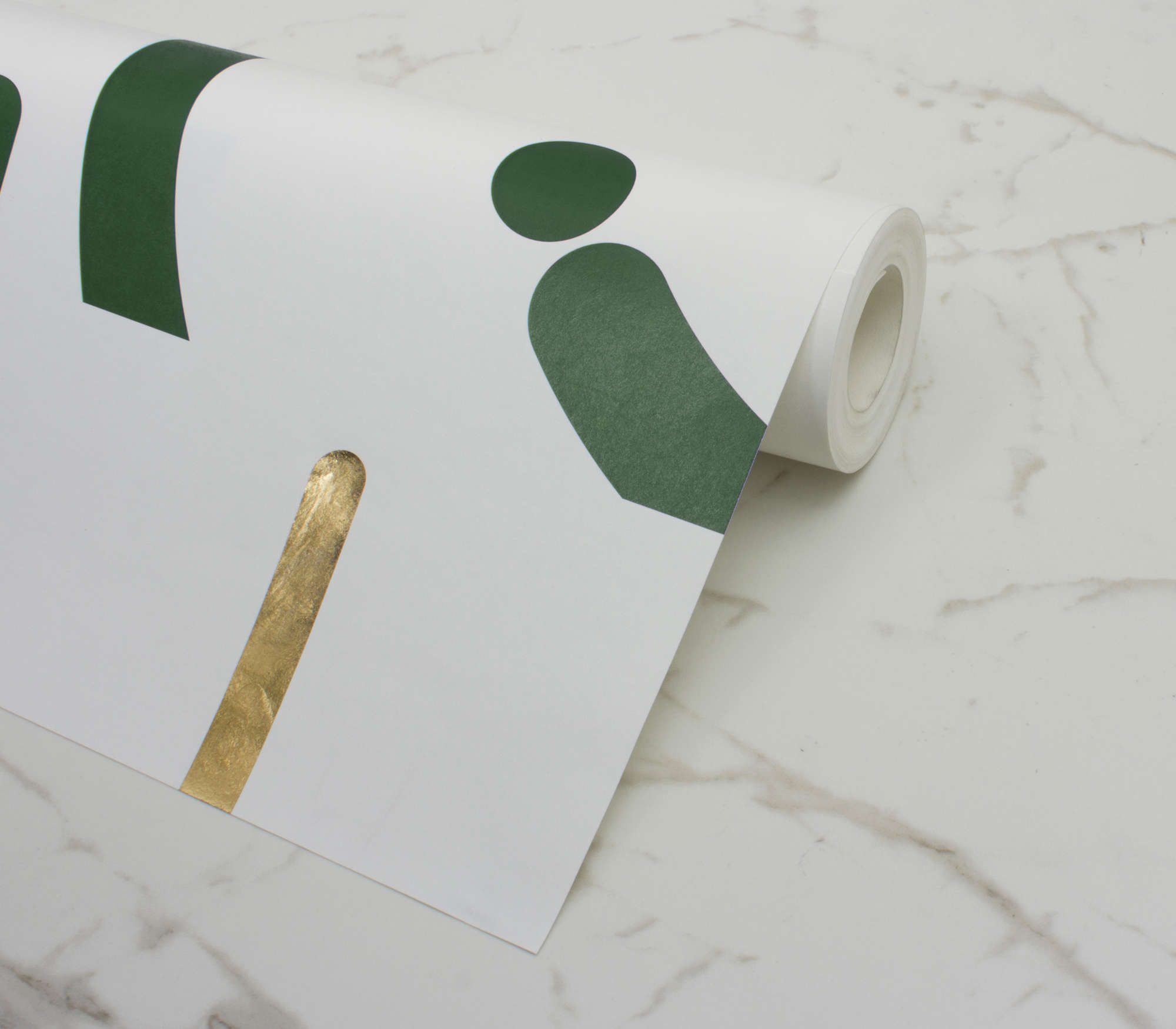
Some wallpapers quietly sit on the wall and behave. Custhom’s handmade wallpaper does not. It glints, shifts, catches the afternoon light, and gives the room the sort of dramatic wink usually reserved for chandeliers, antique mirrors, and people who say “drawing room” without irony. That is exactly why the phrase “The Gilded Age” feels so right when discussing handmade wallpaper from Custhom in London.
Custhom, a London-based design studio, has built its reputation around craft, material experimentation, clean forms, and a thoughtful approach to modern interiors. Its wallpapers are not simply printed patterns rolled out by the mile. Many are hand-finished, hand-foiled, embroidered, or made through processes that celebrate the beautiful irregularities of human touch. In an age when many rooms are decorated with fast furniture and algorithm-approved beige, Custhom offers something richer: wallpaper with a pulse.
The result is a fascinating bridge between past and present. Gilded Age interiors were known for grandeur, layered materials, and artisan detail. Custhom’s work does not copy that era in a museum-like way. Instead, it translates the feeling of luxury into a contemporary language: metallic finishes, oversized botanical motifs, abstract curves, non-repeating patterns, and wallpapers that feel more like installed artwork than background decoration.
What Makes Custhom Wallpaper Feel Gilded?
The Gilded Age, roughly associated with the late nineteenth century in America, was a period when wealthy homes often became stages for taste, ambition, and craftsmanship. Interiors were layered with carved wood, textiles, painted ceilings, imported objects, and wallpapers that could transform an ordinary room into a social statement. Wallpaper was not a timid choice. It was part architecture, part theater, and part “yes, we do own a room just for receiving guests.”
Custhom’s handmade wallpaper captures that theatrical spirit without looking trapped in a history textbook. The studio’s metallic wallpapers, especially designs such as Columbia Road, Rye, Offset, and Igneous, use gold, copper, pewter, graphite, and other reflective finishes to create depth. These papers are luxurious, but they are not stuffy. They do not shout, “Please do not touch the furniture.” They say, “Come closer. The wall is doing something interesting.”
This is the modern appeal of handmade wallpaper: it makes a wall feel alive. Machine-perfect pattern can be beautiful, but hand-finished wallcoverings carry subtle variation. A metallic leaf may catch more light in one place than another. A distressed effect may feel organic rather than controlled. An oversized branch may wander across the surface with the confidence of a plant that has never asked permission.
Custhom’s Design Philosophy: Craft with a Contemporary Spine
Custhom describes its work as rooted in making, material provenance, technology, and environmental impact. That combination matters because modern luxury is changing. Today’s design-savvy homeowner does not only ask, “Is it beautiful?” They also ask, “How was it made? Will it last? Does it feel personal? Will I still love it after the trend cycle has moved on to mushroom lamps and chrome everything?”
Custhom’s answer is to create wallpapers that invite connection. The studio’s designs often reduce an idea to its essence: a curve, a stem, a mineral texture, a stitched motif, a fragment of movement. Instead of filling every inch with visual noise, the wallpapers leave space for the eye to breathe. The luxury is not only in the gold foil. It is in restraint.
That restraint is what separates modern handmade wallpaper from old-fashioned opulence. A Gilded Age mansion might have celebrated abundance through layers and layers of ornament. Custhom often creates impact through contrast: matte paper against metallic foil, graphic shapes against soft backgrounds, natural inspiration translated into abstract form. It is the difference between wearing every piece of jewelry in the box and choosing one spectacular ring.
Signature Custhom Wallpapers That Capture the Look
Igneous Wallpaper: Geological Drama for the Wall
Igneous Wallpaper is one of Custhom’s most compelling examples of material storytelling. The design is made using carbon powder and a hand-foiling process that creates metallic patterns inspired by igneous rocks formed from cooled magma or lava. That may sound like a geology class wandered into an interior design studio, but the result is surprisingly elegant.
Igneous has a mineral quality: dark, shimmering, and slightly mysterious. In Graphite, the black background with black and gold flecks creates a surface that feels both refined and elemental. It is not a polite floral. It is more like the wall has been cut from a glamorous volcanic cliff. Used in a powder room, entryway, bar area, or behind a bed, Igneous gives a space mood and texture without requiring the rest of the room to wear a cape.
Columbia Road Wallpaper: Oversized Botanicals with Gold Confidence
Columbia Road Wallpaper plays with scale through large botanical forms and hand-foiled finishes. The gold version has a distressed effect, which is key to its charm. Instead of a flat, mirror-like metallic surface, it has variation and movement. The design feels handmade, not manufactured into submission.
Because Columbia Road is bold, it works beautifully where a room needs a focal wall or a sense of vertical lift. Dining rooms, boutique hospitality spaces, and elegant hallways are natural homes for it. The oversized pattern gives the design a modern edge, while the gold finish nods to the decorative richness of historic interiors.
Rye Wallpaper: Botanical Elegance with a Barbican Twist
Rye Wallpaper features bold oversized leaves and is inspired by the Barbican Conservatory in London. That reference is important because it gives the design a cultured urban mood. It is botanical, but not cottagecore. It feels architectural, cultivated, and slightly cinematic.
In gold on a white background, Rye can brighten a room without making it feel flashy. The leaf forms catch the light and create motion across the wall. This is where Custhom’s handmade quality shines: the metallic detail does not merely decorate the surface; it interacts with the room throughout the day.
Offset Wallpaper: Abstract Curves and Modern Gilding
Offset Wallpaper brings a different personality to the conversation. Inspired by 1950s American Abstract painters, the design uses graphic curves with no definitive pattern. It is hand-finished with gold foil in London, and each roll is unique. That means the final wall composition can feel custom, even when working with an established design.
Offset is perfect for people who want the glamour of gold but do not want traditional ornament. It has the energy of modern art and the warmth of handmade craft. In Fir Green and Gold, it brings a deep, grounded palette that feels especially strong in studies, restaurants, creative offices, and living rooms with walnut, marble, or leather accents.
Why Handmade Wallpaper Matters in Modern Interiors
Wallpaper has returned to the spotlight because homeowners and designers are tired of flat rooms. Paint is practical, yes, but it cannot always create atmosphere on its own. Handmade wallpaper adds texture, story, and dimension. It can make a small room feel jewel-like, a hallway feel intentional, or a bedroom feel wrapped rather than merely painted.
The handmade element matters because it introduces character. In a world of repeated digital perfection, slight variation feels luxurious. A hand-foiled surface may reveal the maker’s process. An embroidered wallcovering may soften sound and add tactile richness. A non-repeating design can prevent the visual fatigue that sometimes happens with strict pattern repeats.
Custhom’s work also reflects a broader shift in luxury interiors. The best rooms are no longer about buying the most expensive thing and placing it in the center like a trophy. They are about thoughtful combinations: old and new, matte and metallic, natural and graphic, handmade and technologically refined. Custhom’s wallpaper fits neatly into this new definition of luxury because it feels personal without feeling precious.
How to Use Gilded Handmade Wallpaper Without Overdoing It
Gold wallpaper can be magnificent. It can also, if handled recklessly, make a room feel like a very determined dessert wrapper. The trick is balance. Custhom’s metallic designs work best when they are paired with materials that calm and ground them.
Use Metallic Wallpaper as a Feature, Not a Megaphone
A powder room is a perfect place to experiment. Small rooms can handle drama because people experience them briefly. A gilded wallcovering in a powder room feels special, like a secret jewelry box. In a larger living space, consider using handmade metallic wallpaper on one major wall, inside alcoves, behind shelving, or above paneling.
Pair Gold with Natural Materials
Gold foil looks more sophisticated when it sits near natural textures. Try oak, walnut, linen, stone, plaster, wool, or aged leather. These materials keep the metallic finish from feeling too glossy. They also echo the Gilded Age love of craftsmanship while keeping the room relaxed enough for actual living.
Let Lighting Do the Heavy Lifting
Hand-foiled wallpaper changes with light. A design that looks subtle in the morning may glow warmly under evening lamps. Use wall sconces, picture lights, shaded table lamps, or low-level lighting to bring out the metallic detail. Avoid harsh overhead light unless your design goal is “hotel lobby at noon.”
Mix with Contemporary Furniture
One of the easiest ways to keep gilded wallpaper fresh is to pair it with modern furniture. A clean-lined sofa, sculptural chair, or minimalist dining table can make the wallpaper feel intentional rather than nostalgic. Custhom’s designs are particularly suited to this because their patterns are often abstract, oversized, or graphic.
The Link Between Custhom and Historic Wallpaper Traditions
Wallpaper has a long decorative history. Early wallpapers in Europe were printed on sheets and used for walls, trunks, chests, and other surfaces. Later, block printing, stenciling, flocking, hand painting, and gilding helped wallpaper become a serious decorative art. By the nineteenth century, high-end wallpapers could include elaborate floral patterns, scenic panels, metallic effects, and richly layered surfaces.
Gilded Age interiors in the United States drew from European design traditions while also expressing American ambition. Grand homes relied on architects, artisans, decorators, and craftspeople to create immersive interiors. Historic homes such as the Vanderbilt Mansion at Hyde Park show how architecture, furnishings, textiles, and wall treatments worked together to create a complete environment.
Custhom’s wallpaper belongs to this lineage, but it does not imitate it directly. Instead, the studio keeps the craft spirit alive through modern materials, simplified forms, and flexible customization. This is what makes the work interesting: it respects the past without wearing a costume.
Customization: The Real Luxury
In the Gilded Age, custom interiors were a status symbol. Today, customization still carries that magic, but it has a more personal meaning. A bespoke wallpaper is not only about showing wealth. It is about making a room fit the people who live there.
Custhom’s customizable wallpaper approach allows clients to co-design handmade wallcoverings for specific spaces. That can mean adjusting color palettes, scale, finishes, or composition. For designers, this flexibility is valuable because every room has its own light, proportions, and mood. A north-facing dining room may need warmth. A compact entry may need drama. A boutique hotel suite may need a memorable visual identity that guests photograph before they even unpack.
This is where handmade wallpaper becomes more than decoration. It becomes atmosphere planning. The wall is no longer just a boundary. It becomes the emotional temperature of the room.
Is Handmade Wallpaper Worth the Investment?
Handmade wallpaper is not the cheapest way to cover a wall. But it can be one of the most effective ways to transform a space. A single wall of high-impact wallpaper may do more for a room than a pile of accessories, a panic-purchased accent chair, and three weekends spent debating paint samples named things like “Quiet Oat” and “Almost Fog.”
The value lies in longevity, artistry, and distinctiveness. Custhom’s papers are made with design intention and material presence. They are suited to interiors where the wallcovering is expected to contribute to the architecture of the space, not simply fill a blank area.
For homeowners, handmade wallpaper can create a room that feels finished. For interior designers, it offers a strong storytelling tool. For hospitality and retail spaces, it can become part of a brand experience. In every case, the right wallpaper can make people remember the room.
Design Experience: Living with a Gilded Handmade Wall
Imagine walking into a narrow hallway that used to be forgettable. It was the kind of space where shoes gathered, keys disappeared, and nobody lingered unless they were looking for an umbrella. Now picture that same hallway wrapped in a hand-foiled Custhom wallpaper. Suddenly, the space has rhythm. The gold catches light from a small pendant. The pattern moves as you walk. What used to be a pass-through becomes an arrival.
That is the real experience of wallpaper like this. It changes behavior. People pause. They touch the surface lightly, then pretend they were not going to. They ask where it came from. They notice the difference between printed shine and hand-finished metallic detail. The wall becomes a conversation starter, which is useful because most walls, bless them, are terrible at small talk.
In a dining room, handmade gilded wallpaper can make evening meals feel more ceremonial. Candlelight reflects softly from the metallic finish, giving the room warmth without requiring a chandelier the size of a small weather system. Dark wood furniture looks deeper. White plates look sharper. Even takeout noodles feel slightly more important, which may be the highest compliment any wallpaper can receive.
In a bedroom, the effect can be quieter. A design such as Rye or Columbia Road behind the headboard creates a sense of enclosure and luxury. The room feels designed, but not over-decorated. Pair it with linen bedding, warm lamps, and a restrained palette, and the wallpaper becomes a soft focal point rather than a visual alarm clock.
For creative spaces, Offset or Igneous can bring energy. The abstract movement of Offset can make a studio feel dynamic, while Igneous adds depth and mood to a reading corner, bar nook, or media room. These are wallpapers for people who want the room to have a point of view.
The biggest lesson from living with a gilded handmade wall is that luxury does not have to be loud. It can be tactile, shifting, and quietly fascinating. Custhom’s wallpapers prove that a wall can be glamorous without becoming ridiculous. They bring back the pleasure of surface, the romance of craft, and the simple joy of entering a room that knows exactly who it is.
Conclusion
The Gilded Age may be remembered for grand mansions, layered interiors, and unapologetic ornament, but its most useful lesson for today is not “add more gold.” It is “make the room feel intentional.” Handmade wallpaper from Custhom in London does exactly that. Through hand-foiled finishes, oversized botanical patterns, abstract compositions, and customizable design, Custhom turns wallpaper into a modern craft object.
Whether used in a powder room, dining room, bedroom, boutique hotel, or dramatic hallway, Custhom wallpaper brings depth, personality, and artistry to the wall. It is luxurious, yes, but its luxury comes from process and presence rather than excess. In other words, it is gilded for grown-ups.














