
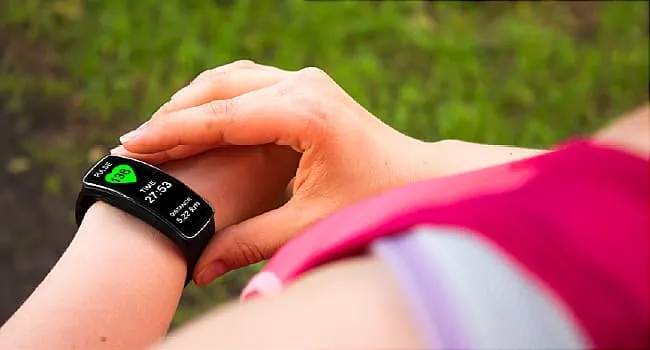
Your heart rate is one of the simplest fitness signals your body gives you. No subscription required. No motivational poster needed. Just a steady little drumbeat saying, “Hey, we are walking,” or “Excuse me, why are we sprinting up stairs like we are late for a movie trailer?”
When you understand heart rate and exercise, workouts become less mysterious. You can tell whether your “easy jog” is actually a secret race against your ego. You can spot when a brisk walk is doing more good than you thought. You can also avoid turning every workout into a dramatic final scene from an action movie.
Heart rate training is not just for marathon runners, cyclists, or people who own more performance socks than regular socks. It can help beginners, busy adults, weekend hikers, gym-goers, and anyone trying to exercise smarter. This guide explains resting heart rate, maximum heart rate, target heart rate zones, recovery heart rate, wearable trackers, and practical ways to use your pulse without becoming obsessed with every beep on your watch.
What Is Heart Rate, Really?
Heart rate is the number of times your heart beats per minute, usually written as bpm. At rest, most healthy adults have a resting heart rate somewhere around 60 to 100 bpm. Well-trained athletes may have a lower resting heart rate because their hearts often pump blood more efficiently. But “lower” is not automatically “better” for everyone, and “higher” is not automatically a disaster. Context matters.
Your heart rate changes constantly. It rises when you exercise, feel nervous, drink caffeine, climb stairs, get excited, sleep poorly, or remember you forgot to reply to an important email three days ago. It may drop when you sleep, relax, meditate, or build better aerobic fitness over time.
During exercise, your muscles need more oxygen. Your heart responds by pumping faster and harder. That rising pulse is not your body panicking; it is your cardiovascular system doing its job. The trick is learning what different heart rate levels mean and how to use them for safer, more effective training.
Resting Heart Rate: Your Fitness “Morning Check-In”
Resting heart rate is best measured when you are calm, relaxed, and not currently arguing with your alarm clock. Many people check it first thing in the morning before getting out of bed. You can use a fitness watch, a chest strap, or the classic two-finger pulse method on your wrist or neck.
A lower resting heart rate can be a sign of improved cardiovascular fitness, especially when it gradually drops over weeks or months of regular aerobic exercise. For example, someone may start with a resting heart rate of 78 bpm and, after consistent walking, cycling, swimming, or jogging, see it settle closer to 68 bpm. That is often a good sign that the heart is becoming more efficient.
However, resting heart rate is not a contest. If your friend’s watch says 52 bpm and yours says 72 bpm, that does not mean their heart is “luxury edition” and yours came from the clearance aisle. Age, genetics, stress, sleep, medications, hydration, temperature, illness, and fitness level all affect heart rate.
Maximum Heart Rate: Useful, but Not Magic
Maximum heart rate is an estimate of the highest number of beats per minute your heart can reach during intense physical effort. The most common formula is:
Estimated maximum heart rate = 220 – your age
For a 40-year-old, the estimated maximum heart rate would be:
220 – 40 = 180 bpm
This formula is easy, memorable, and helpful as a starting point. It is also not perfect. Two people of the same age can have different true maximum heart rates. Genetics, training background, health conditions, medications, and testing method can all change the number. Think of 220 minus age as a map, not a GPS satellite with perfect emotional support.
If you are new to exercise, returning after a long break, living with a medical condition, taking heart-related medication, or experiencing unusual symptoms, do not chase maximum heart rate. Fitness is not won by seeing how close you can get to the ceiling. Most health benefits come from consistent moderate and vigorous activity, not from maxing out like a superhero with questionable decision-making skills.
Target Heart Rate: The Sweet Spot for Exercise
Your target heart rate is the range where your workout is hard enough to improve fitness but not so hard that you crash early, lose form, or dread tomorrow. For many adults, moderate-intensity exercise is around 50% to 70% of estimated maximum heart rate. Vigorous exercise is often around 70% to 85%.
Example: Target Heart Rate for a 40-Year-Old
Estimated maximum heart rate: 180 bpm
Moderate-intensity range:
- 50% of 180 = 90 bpm
- 70% of 180 = 126 bpm
Vigorous-intensity range:
- 70% of 180 = 126 bpm
- 85% of 180 = 153 bpm
So, a 40-year-old might aim for roughly 90 to 126 bpm during moderate activity and 126 to 153 bpm during vigorous exercise. Again, these numbers are estimates. Your breathing, comfort, experience level, and recovery all matter too.
The Talk Test: Low-Tech, High-Wisdom
Heart rate numbers are useful, but your body also gives practical clues. The talk test is beautifully simple:
- Light intensity: You can talk easily and maybe sing, though your audience may politely leave.
- Moderate intensity: You can talk but not sing.
- Vigorous intensity: You can only say a few words before needing a breath.
The talk test is especially helpful because heart rate can be affected by heat, caffeine, stress, poor sleep, dehydration, and medication. Some days your watch says “hard workout,” but your body says, “Actually, we slept four hours and are powered by iced coffee.” Listen to both.
Heart Rate Zones: What Each Zone Means
Heart rate zones divide exercise intensity into ranges. Different organizations and devices label zones slightly differently, but the basic idea is the same: lower zones support easy movement and endurance, while higher zones develop speed, power, and high-intensity capacity.
Zone 1: Very Easy Effort
This is gentle movement, usually around 50% to 60% of maximum heart rate. Think warm-ups, cool-downs, easy walks, recovery rides, or moving your body after sitting too long. It may not feel heroic, but it supports circulation, habit-building, and recovery.
Zone 2: Comfortable Cardio
Zone 2 is often around 60% to 70% of maximum heart rate. This is the famous “conversational pace.” You are working, but you are not gasping. Brisk walking, easy cycling, light jogging, swimming, hiking, or elliptical training can fall here.
Zone 2 training is popular because it is sustainable. It helps build aerobic endurance, supports heart health, and allows many people to exercise longer without feeling crushed. It is the fitness equivalent of compound interest: not flashy every day, but powerful over time.
Zone 3: Comfortably Hard
Zone 3 often sits around 70% to 80% of maximum heart rate. You can still continue, but conversation gets shorter. This zone can improve endurance and stamina, but spending every workout here may leave some people tired without giving them enough recovery.
Zone 4: Hard Effort
Zone 4 is commonly around 80% to 90% of maximum heart rate. This is where intervals, hill climbs, tempo efforts, and challenging cardio sessions live. It can improve performance, but it should be used carefully, especially for beginners.
Zone 5: Maximum Effort
Zone 5 is very intense and usually not sustainable for long. It is used in short bursts by trained exercisers. If your workout plan is “live in Zone 5 and hope for the best,” your plan needs a nap, a sandwich, and adult supervision.
Why Heart Rate Training Works
Heart rate training helps match exercise intensity to your goal. Want to build endurance? Spend more time in easier and moderate zones. Want to improve speed or power? Add short, controlled higher-intensity intervals. Want general health? Combine moderate cardio, some vigorous activity if appropriate, and strength training.
For general health, many U.S. fitness guidelines recommend at least 150 minutes per week of moderate-intensity aerobic activity, 75 minutes per week of vigorous activity, or a combination of both. Muscle-strengthening activity at least two days per week is also commonly recommended. That does not mean you must become a gym creature who speaks only in protein-shaker noises. Brisk walking, dancing, swimming, cycling, hiking, sports, and active chores can all count when the intensity is high enough.
Heart Rate Recovery: The Number People Forget
Heart rate recovery is how quickly your heart rate drops after exercise. For example, if your heart rate is 150 bpm at the end of a workout and falls to 125 bpm one minute later, your one-minute recovery is 25 bpm.
A faster recovery often suggests better cardiovascular fitness and a nervous system that can shift efficiently from “go mode” to “calm mode.” As you train consistently, you may notice your heart rate drops faster after the same workout. That is a useful sign of progress.
However, one reading does not tell the whole story. Heat, dehydration, stress, illness, poor sleep, alcohol, medications, and workout difficulty can all affect recovery. Track trends rather than obsessing over one strange number after a chaotic day.
Wearable Heart Rate Trackers: Helpful, Not Perfect
Smartwatches and fitness bands have made heart rate tracking easy. They can show trends, estimate zones, track workouts, and remind you that walking to the fridge does not count as a full expedition. But wrist-based sensors can be inaccurate during certain activities, especially when there is lots of arm movement, loose fit, cold weather, tattoos, sweat, or rapid intensity changes.
Chest strap monitors are often more accurate during exercise because they measure electrical signals from the heart rather than relying on optical wrist sensors. Still, most people do not need laboratory-level precision for everyday fitness. If your wearable helps you notice patterns and train more intentionally, it is doing its job.
Common Heart Rate Mistakes During Exercise
Mistake 1: Going Too Hard Every Time
Many people treat every workout like a final exam. The heart rate climbs, the breathing gets dramatic, and the playlist becomes suspiciously cinematic. Hard workouts have a place, but doing them constantly can increase fatigue and make exercise harder to sustain.
Mistake 2: Ignoring Easy Workouts
Easy cardio is not useless. Lower-intensity exercise helps build aerobic base, improves consistency, supports recovery, and may be easier to maintain long term. A relaxed 40-minute walk can be more valuable than a once-a-month “destroy yourself” workout followed by three weeks of couch negotiations.
Mistake 3: Trusting Formulas Too Much
Heart rate formulas are estimates. Your actual response may differ. Use numbers, but also pay attention to breathing, effort, comfort, and recovery.
Mistake 4: Comparing Your Heart Rate to Someone Else’s
Your friend may run at 145 bpm while you hit 165 bpm at the same pace. That does not automatically mean they are better or you are broken. Fitness history, body size, temperature, sleep, stress, and genetics all matter.
Mistake 5: Ignoring Warning Signs
Stop exercising and seek medical help if you experience chest pain, fainting, severe shortness of breath, unusual dizziness, irregular heartbeat sensations that feel concerning, or symptoms that do not match the workout. Exercise should challenge you, not scare you.
How to Use Heart Rate for Different Fitness Goals
For Beginners
Start with easy to moderate activity. Walking is underrated because it is accessible, adjustable, and less intimidating than many workouts. Use the talk test: if you can talk but not sing, you are probably in a useful moderate zone. Begin with manageable sessions, such as 10 to 20 minutes, and increase gradually.
For Weight Management and General Health
Heart rate can help you stay consistent, but it should not turn exercise into punishment. Moderate aerobic exercise, strength training, good sleep, balanced nutrition, and daily movement all matter. There is no magical “fat-burning heart rate” that overrides overall habits. Zone 2 can support longer sessions, while strength training helps preserve muscle and improve metabolic health.
For Endurance
Endurance athletes often spend a lot of time in easier zones and add carefully planned harder sessions. This approach builds aerobic capacity without overloading the body every day. The goal is not to suffer constantly; it is to adapt steadily.
For Performance
If you want to run faster, cycle stronger, or improve cardio performance, heart rate zones can help structure intervals, tempo work, and recovery days. For example, a weekly plan might include two easy Zone 2 sessions, one moderate tempo session, one interval workout, and strength training. Recovery is part of the program, not a weakness.
A Simple Weekly Heart Rate-Based Exercise Plan
Here is a practical example for a generally healthy adult who wants better fitness without turning life into a boot camp:
- Monday: 30-minute brisk walk in moderate intensity.
- Tuesday: Strength training for major muscle groups.
- Wednesday: 35-minute easy Zone 2 cardio session.
- Thursday: Rest, stretching, or gentle walking.
- Friday: 20-minute interval workout with short vigorous bursts and easy recovery.
- Saturday: Longer low-to-moderate activity such as hiking, cycling, swimming, or walking.
- Sunday: Rest or light mobility work.
This kind of plan gives your heart different challenges: easy endurance, moderate effort, strength support, and brief intensity. It also leaves room for real life, which is important because real life loves interrupting fitness plans while holding a calendar and snacks.
When Your Heart Rate Seems “Too High” During Exercise
A high heart rate during exercise does not always mean danger. It may simply mean the activity is intense, you are deconditioned, the weather is hot, you are dehydrated, or you are stressed. But if your heart rate jumps unexpectedly, feels irregular, or comes with symptoms such as chest discomfort, faintness, or unusual breathlessness, stop and get medical advice.
Also remember that certain medications, including some blood pressure and heart medications, can change heart rate response. In that case, perceived exertion and professional guidance may be more useful than generic target zones.
When Your Heart Rate Seems “Too Low” During Exercise
Some fit people naturally have lower resting and exercise heart rates. Others may have a lower heart rate response because of medication or medical factors. If you feel fine and your clinician has no concerns, a lower number may be normal for you. But if low heart rate comes with dizziness, fatigue, fainting, or weakness, it deserves attention.
Experience Section: What Heart Rate Teaches You in Real Life
The most useful lessons about heart rate often come from ordinary workouts, not perfect fitness plans. Picture someone starting with a simple goal: walk for 30 minutes after work. On day one, their heart rate climbs quickly during the first hill. They feel embarrassed because it is “just walking.” But the body does not care what the activity is called. It responds to effort. A hill, heat, stress, and an untrained cardiovascular system can turn a walk into a legitimate workout.
After two weeks, the same person notices something interesting. The hill still raises their heart rate, but not as dramatically. They recover faster at the top. They no longer need to stop and pretend they are “checking a text” while actually bargaining with oxygen. That is progress. It may not look flashy on social media, but the heart is adapting.
Another common experience happens with runners. A beginner decides to jog at the pace they think “real runners” use. Their heart rate rockets into a vigorous zone within minutes. The run becomes miserable, and they conclude they are bad at running. In reality, they may simply be running too fast. Slowing down, even mixing jogging with walking, can keep the heart rate in a better training range. Over time, the same pace feels easier, or the same heart rate produces a faster pace. That is how aerobic fitness quietly builds.
Gym workouts teach a different lesson. During strength training, heart rate may spike during heavy sets and drop during rest. That does not mean strength training is the same as steady cardio. It challenges the body differently. Someone doing squats, rows, lunges, and presses may see heart rate swings, especially with shorter rest periods. The number is useful, but it should be interpreted with the type of workout in mind.
Wearables create another real-world lesson: data can motivate, but it can also boss you around. Some people feel proud when they see a healthy heart rate trend. Others panic when their watch reports a strange spike during a stressful meeting or a hot walk. The best approach is to use heart rate as information, not a personality test. One weird reading is not a life sentence. Patterns matter more than single moments.
Many exercisers also discover that sleep changes everything. A workout that felt easy on Tuesday may feel strangely hard on Friday after poor sleep, school stress, work deadlines, or dehydration. The heart rate may run higher than usual at the same pace. That does not mean fitness disappeared overnight. It means the body is carrying extra load. On those days, lowering intensity is not laziness; it is smart training.
Perhaps the biggest experience-based lesson is this: the heart rewards consistency more than drama. You do not need to crush every session. You need repeatable habits. A steady walk, a moderate bike ride, a swim, a dance class, or a beginner-friendly cardio session done regularly can change your relationship with exercise. Heart rate helps you notice those changes. It turns vague feelings into useful feedback: easier breathing, faster recovery, lower effort at the same pace, and more confidence in your body.
Conclusion: Your Heart Rate Is a Guide, Not a Boss
Heart rate and exercise go together like sneakers and slightly unrealistic New Year’s goals. But once you understand the basics, your pulse becomes a practical guide. Resting heart rate can reveal trends in fitness and recovery. Maximum heart rate gives you a rough ceiling. Target heart rate zones help you train at the right intensity. The talk test keeps things simple when technology gets noisy.
The smartest exercisers do not blindly chase the highest number. They balance easy, moderate, and hard efforts. They recover. They pay attention to warning signs. They understand that a good workout is not always the one that leaves them flattened like a pancake under a dumbbell.
Use heart rate as feedback. Let it teach you when to push, when to slow down, and when to respect what your body is saying. Fitness is not about proving you can suffer. It is about building a stronger, healthier, more capable bodyone beat at a time.
Note: This article is for general educational purposes and is based on established U.S. health and fitness guidance from reputable organizations such as the American Heart Association, CDC, Mayo Clinic, Cleveland Clinic, Harvard Health, ACSM, ACE, and public health resources. It is not a diagnosis or a personalized medical plan. Anyone with heart disease, unusual symptoms, pregnancy-related concerns, chronic illness, or medication that affects heart rate should ask a qualified healthcare professional for individualized guidance before changing exercise intensity.













